Newsletters


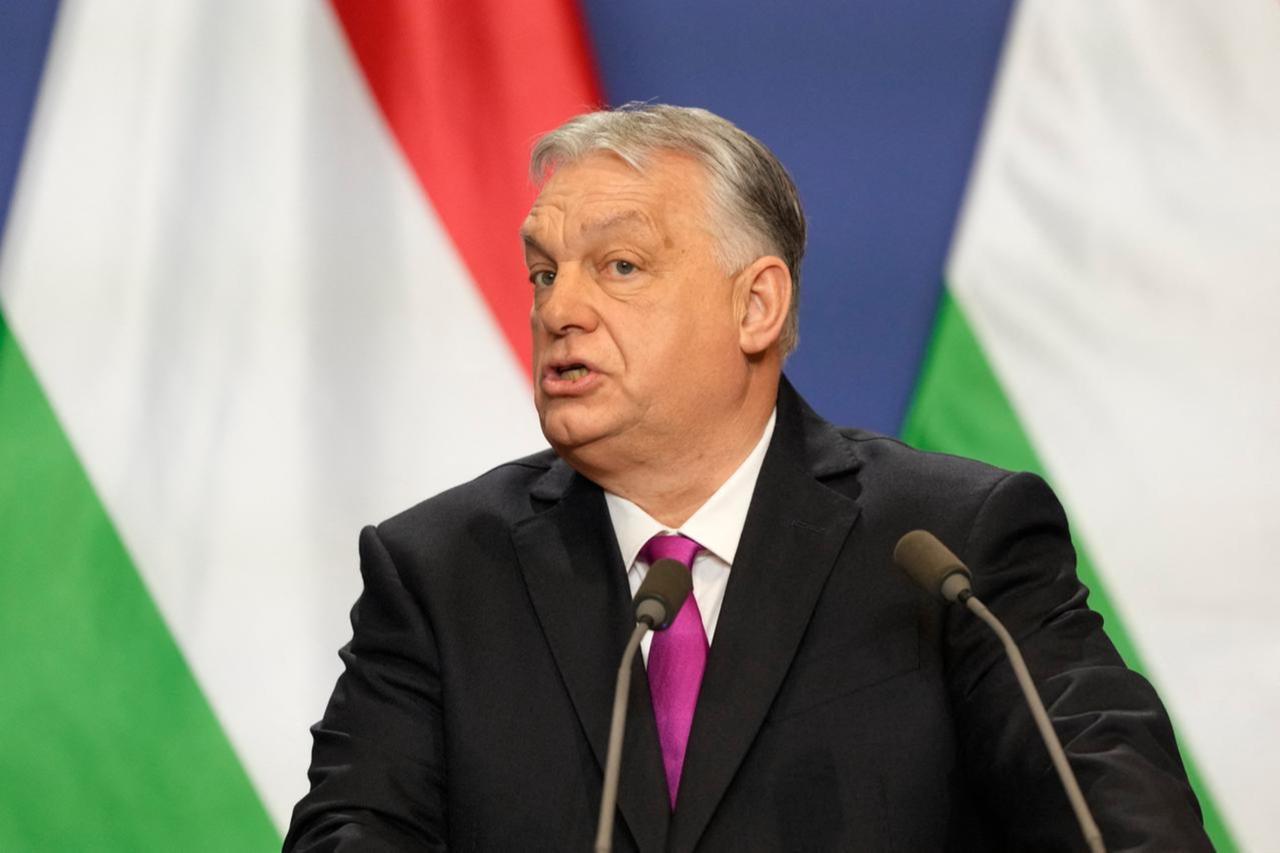


Viktor Orban was re-elected leader of Hungary's Fidesz party on Saturday by an overwhelming margin, pledging to fight back from opposition after a historic election defeat ended his 16-year grip on power.
At the party's post-election congress in Budapest, 729 of 737 delegates voted to return Orban, 62, to the Fidesz presidency. He ran unopposed. Acknowledging personal responsibility for the party's April 12 defeat, Orban vowed to stay in the fight. "I do not give up, I never, never, never, never give up," he told delegates before the vote.
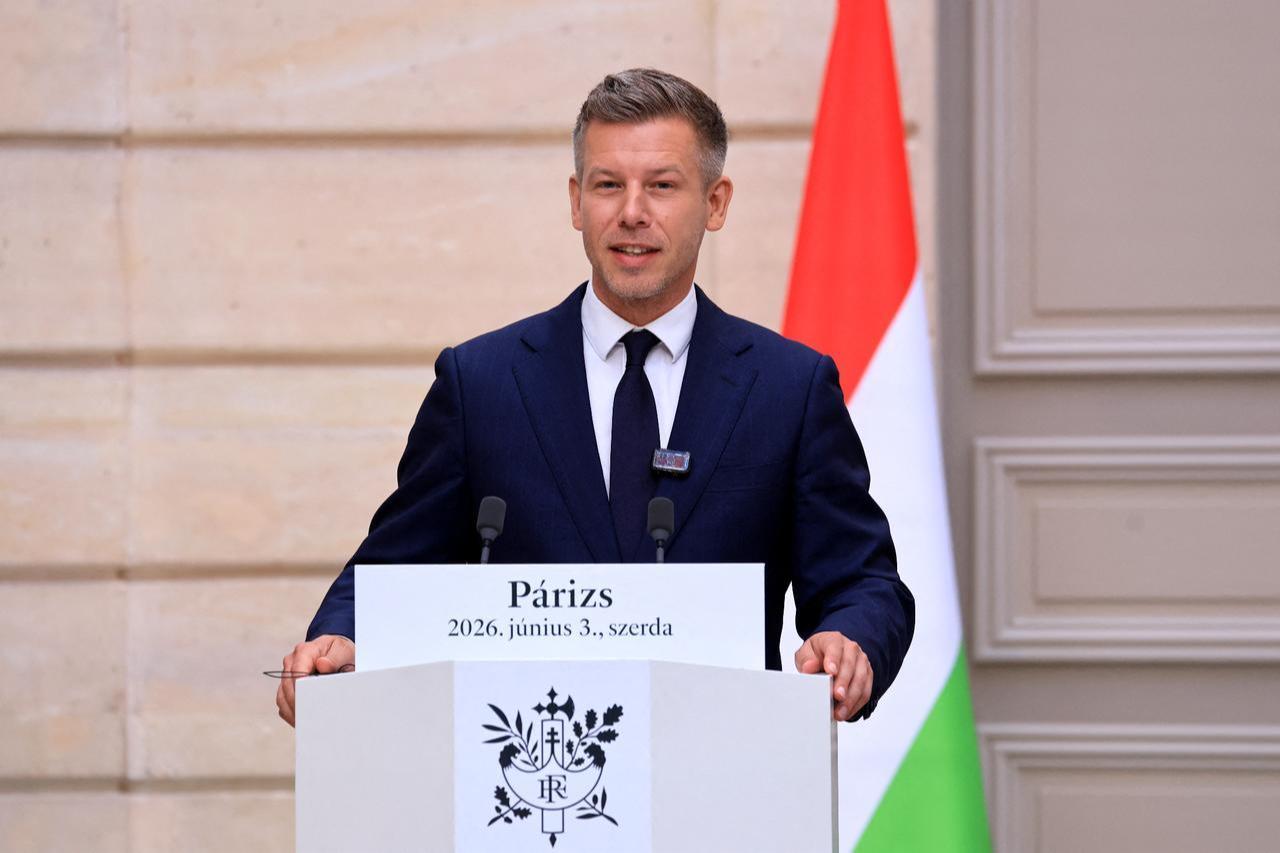

The congress came nearly two months after Peter Magyar's Respect and Freedom Party, known by its Hungarian acronym Tisza, swept the April general election by a commanding margin. Tisza captured 141 seats in the 199-seat National Assembly, handing it the two-thirds supermajority needed to amend the constitution and potentially roll back changes Orban had enacted during his time in office. Fidesz, which had governed Hungary since 2010 and at its peak commanded similar supermajorities of its own, was reduced to just 52 seats.
Magyar was sworn in as prime minister on May 9, formally closing the Orban era. The handover marked a singular turning point in Hungarian politics, ending one of the longest uninterrupted tenures of any democratically elected European leader in recent memory.
In his congress address, Orban admitted Fidesz had made missteps, including misjudging turnout projections, failing to respond forcefully to criticism from Tisza, and losing the support of young voters, a constituency he said the party must win back.
He described building a sovereign Hungary as the mission of his life, and framed the party's task ahead as a transformation from what he called a "fantastic governing party" into an effective force in opposition.
The renewal process, he added, would involve restructuring internal communication to allow ideas to flow more freely from rank-and-file members upward, and would gradually shift leadership responsibilities to younger generations.
 1 min read
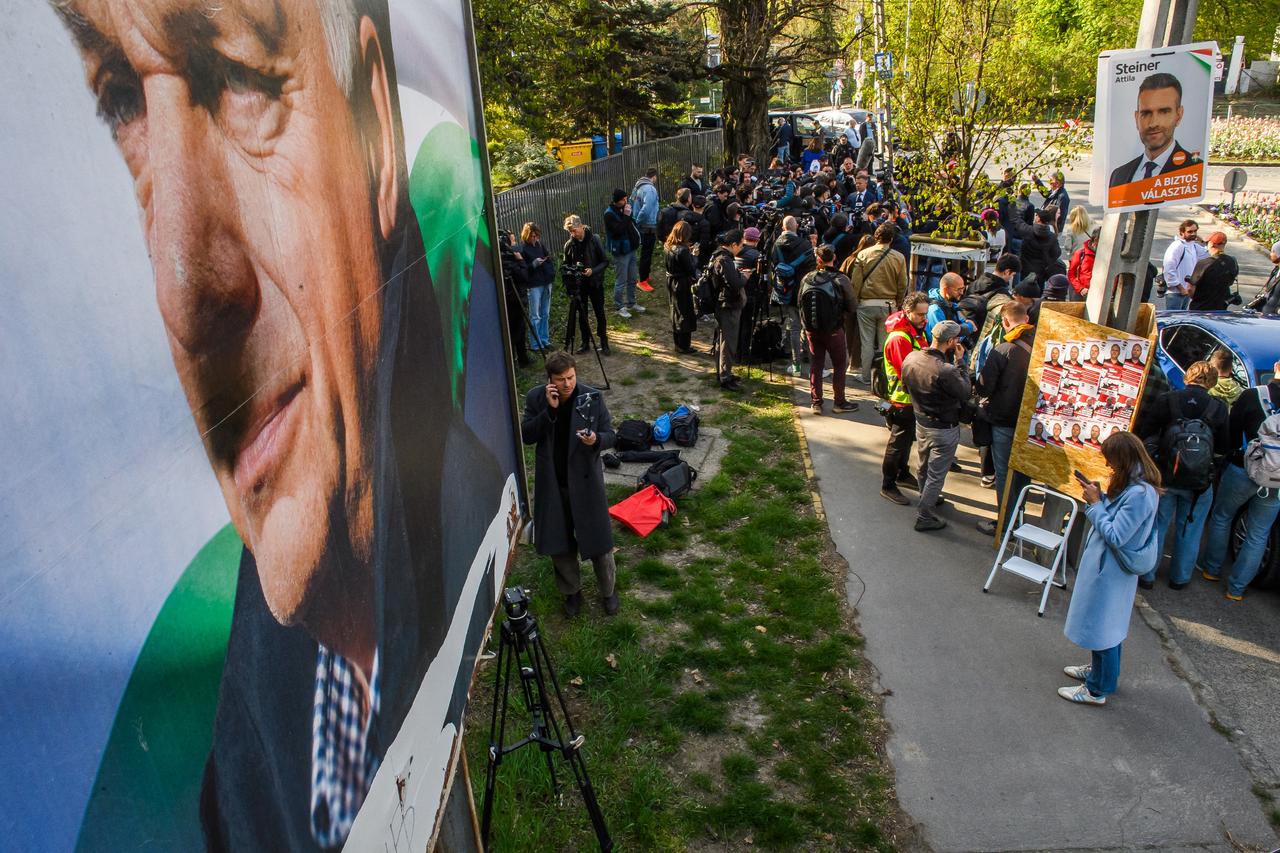
Orban also used the occasion to position Fidesz as a watchdog against the incoming administration. He warned that Magyar's government would expose Hungary to migration and foreign influence, and pledged that his party would serve as a robust opposition voice.
Those warnings landed against a backdrop of declining poll numbers. A May survey by the Publicus Institute showed Tisza's support climbing to 55 percent, up from the 53 percent it won at the ballot box, while Fidesz fell to 17 percent, down sharply from the 39 percent it received on election day. The mandate Orban received at the congress runs for one year.


 Set as preferred source
 Set as preferred source


 1 min read