Newsletters


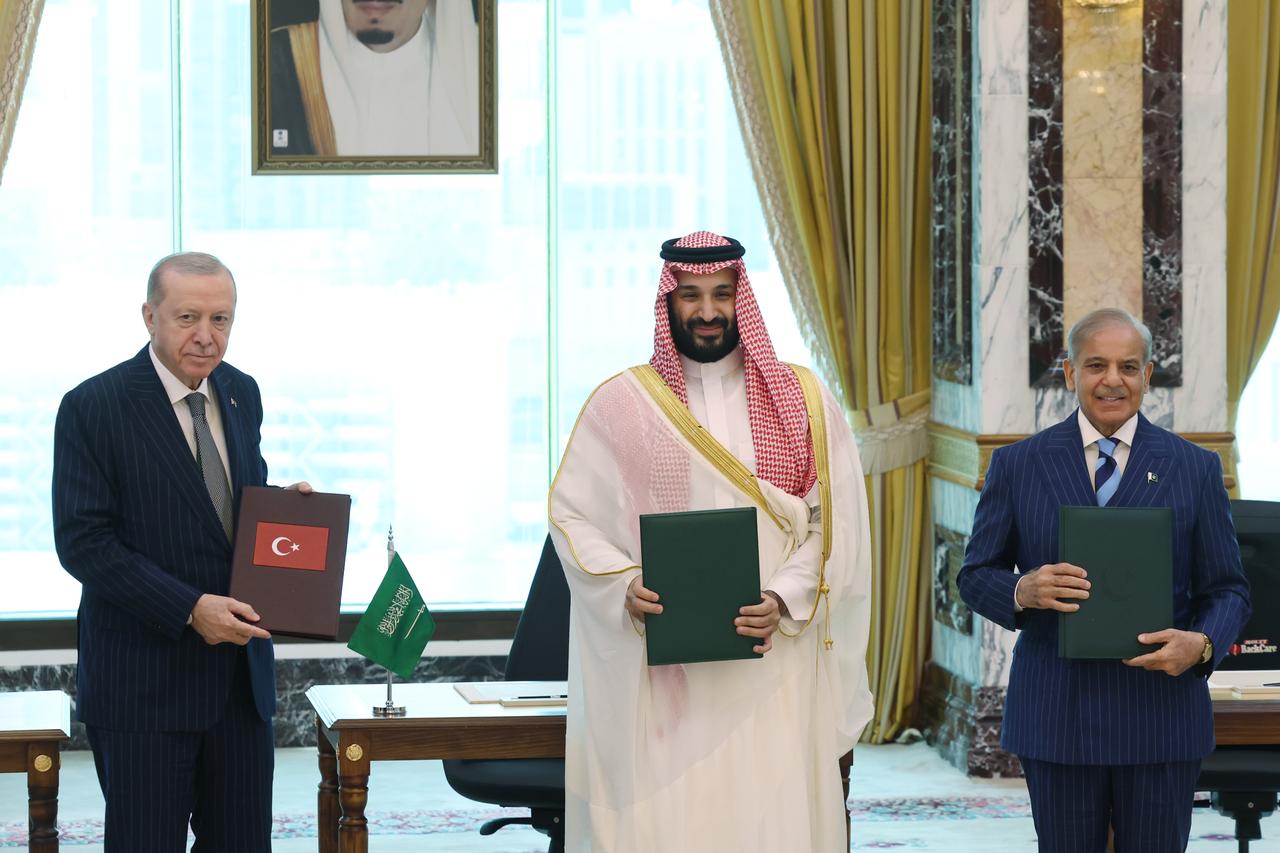


Pakistan has completed ratification of the Mecca defense pact signed with Türkiye and Saudi Arabia, Foreign Office spokesperson Sajjad Haider Khan told a news conference Friday, leaving Türkiye as the last signatory to approve it.
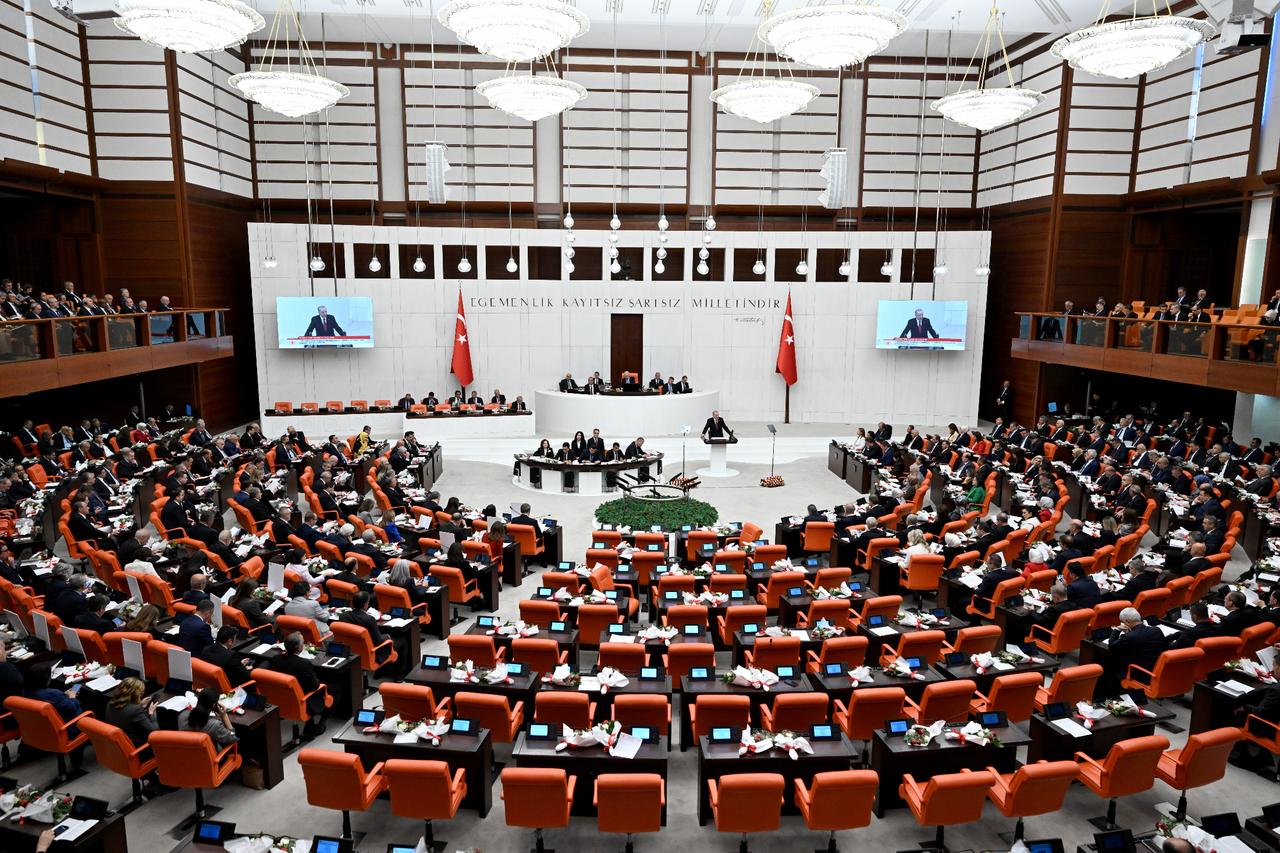
Saudi Arabia has also ratified the pact, Khan said, while Türkiye's parliament is set to review the deal next week amid Houthi attacks on Riyadh.
"Pakistan and the Kingdom of Saudi Arabia have already completed their ratification processes, while Türkiye is undertaking the requisite procedures in accordance with its domestic legal framework," Khan said.
Khan said each country follows its own constitutional and legal procedures to approve and ratify international agreements.
"Matters related to the agreement, its ratification, and operationalization remain under discussion by the three parties, including in the Strategic Political and Defense Committee whose recent meeting was held on 5 October," he said.
"The Mecca Joint Defense Agreement reflects the shared commitment of Pakistan, Saudi Arabia and Türkiye to strengthening collective defense and cooperation for regional security and stability," Khan said.
Islamabad "remains fully committed to the letter and spirit of the agreement, which is defensive in nature, consistent with the UN Charter, and aimed at promoting regional peace, security and stability," he added.
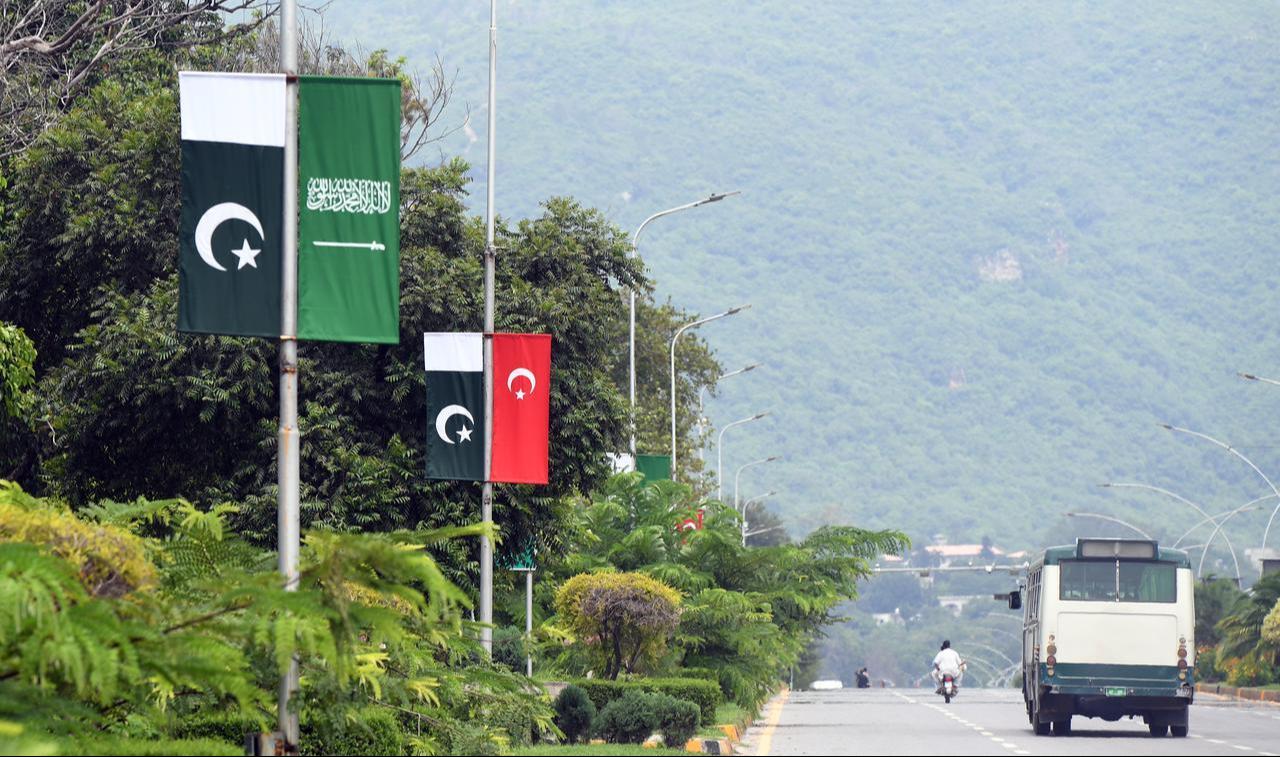

Asked about Article 2, under which an attack on one party is considered an attack on all, Khan said the agreement was "essentially defensive in nature" and consistent with Article 51 of the UN Charter, which provides the right to self-defense.
"The MeccaJoint Defense Agreement reflects the shared commitment of all three parties, primarily to strengthening collective defense, deterrence, and regional stability," he said, adding, "It is not directed against any particular country. It provides a framework for collective assistance in the event of external armed aggression against any party."
The "nature and extent" of any assistance would be determined collectively by the three countries as the situation arose, "following an objective assessment of the circumstances," he said.
Khan also said there were "no hidden provisions" in the agreement.
"We endorse the text released in the media from the Turkish Parliament. There are no hidden provisions; the agreement is explicit and clear in its provisions and articles," he said.
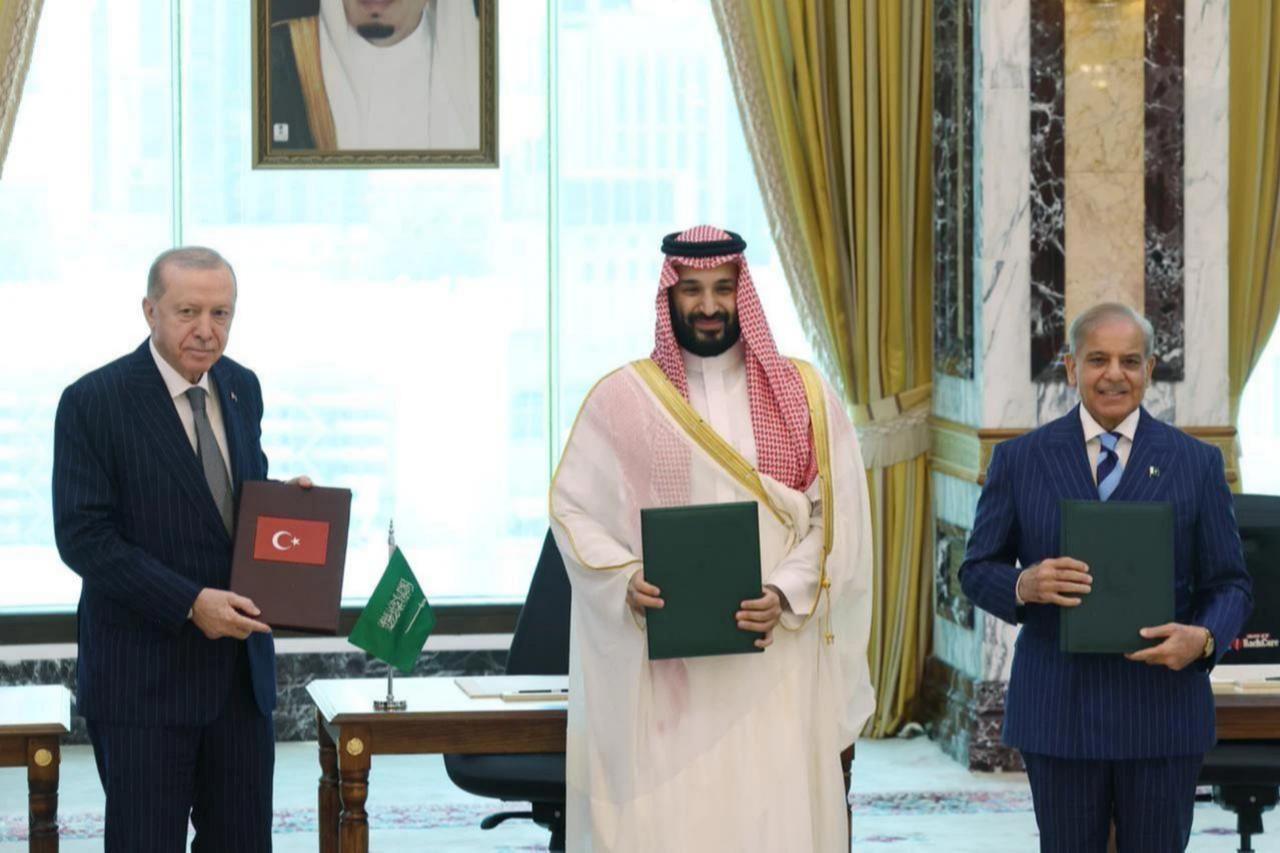
President Recep Tayyip Erdogan, Pakistani Prime Minister Shehbaz Sharif and Saudi Crown Prince and Prime Minister Mohammed bin Salman signed the agreement in Mecca on Aug. 7.
The pact aims to strengthen the three countries' security through collective deterrence and defense. The text mirrors NATO’s Article 5, treating an externally originating armed attack on one party as an attack on all.
It provides for a Strategic Political and Defense Committee of foreign ministers, defense ministers and chiefs of general staff that meets twice a year. A secretariat would be based in Saudi Arabia, with a Pakistani citizen as the first secretary-general.
The Mecca Defense Pact remains in force indefinitely, and a party may withdraw after 10 years with three months’ written notice.


 Set as preferred source
 Set as preferred source


 1 min read
 1 min read