Newsletters


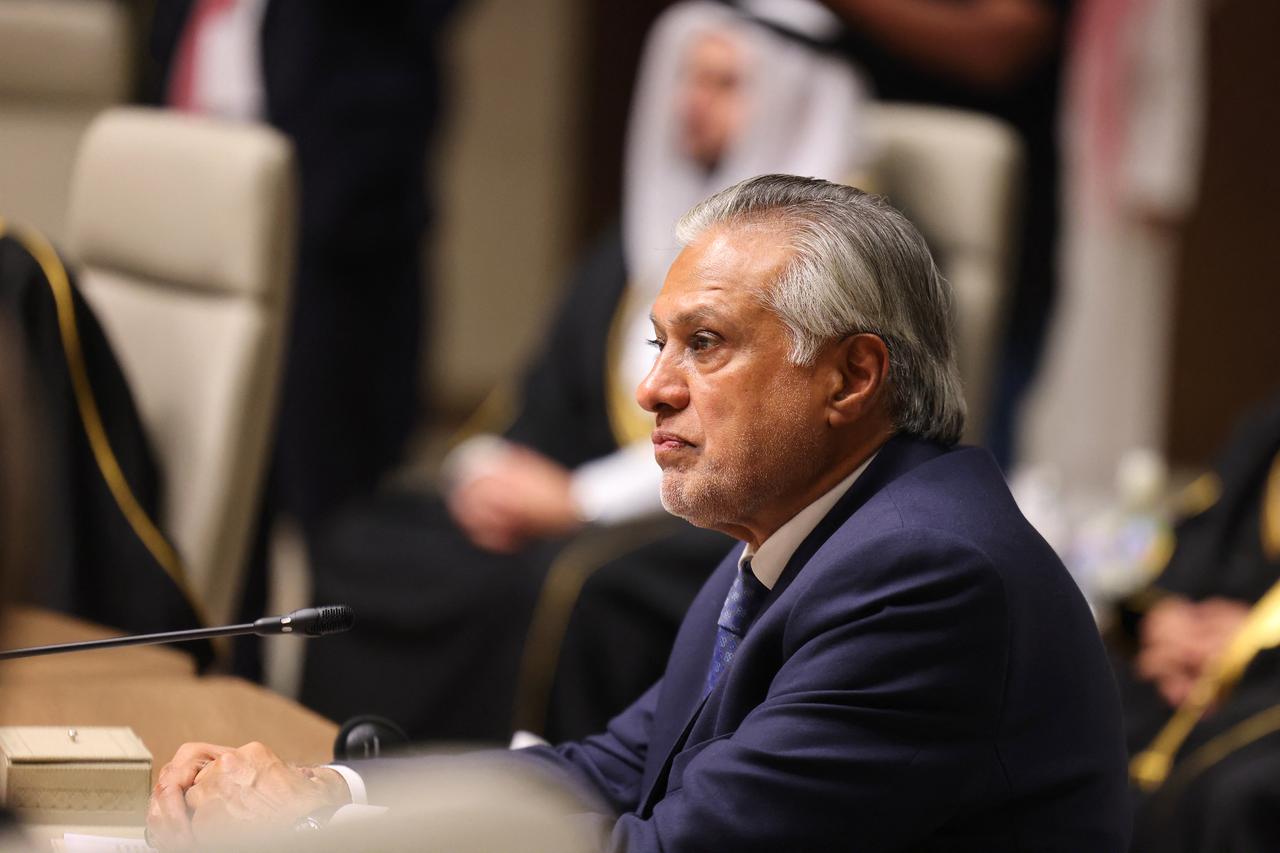


Pakistan has confirmed it is acting as an intermediary between the U.S. and Iran, facilitating indirect talks and relaying proposals aimed at ending the ongoing conflict, according to statements by Foreign Minister Ishaq Dar.
Dar said Islamabad is transmitting messages between Washington and Tehran, marking the first public acknowledgment of Pakistan’s role in the diplomatic process.
“U.S.-Iran indirect talks are taking place through messages being relayed by Pakistan,” Dar wrote on X.
He said the United States has shared a 15-point plan, which is currently being reviewed by Iran.
Dar described speculation about formal peace talks as unnecessary, stating that the current process involves indirect exchanges rather than direct negotiations.
He added that Türkiye, Egypt and other countries are also supporting the diplomatic initiative.
According to previous reports, Pakistan has delivered a 15-point proposal from Washington addressing issues including Iran’s nuclear program and ballistic missile activities.
Two senior officials said the plan had been conveyed to Iran through Pakistan, while noting that discussions are ongoing.
U.S. officials are also working to arrange a meeting in Pakistan to discuss a possible resolution to the conflict, with plans for a potential meeting this weekend.
Pakistan has been considered a suitable intermediary due to its longstanding ties with both Iran and the United States, as well as its regional diplomatic network.
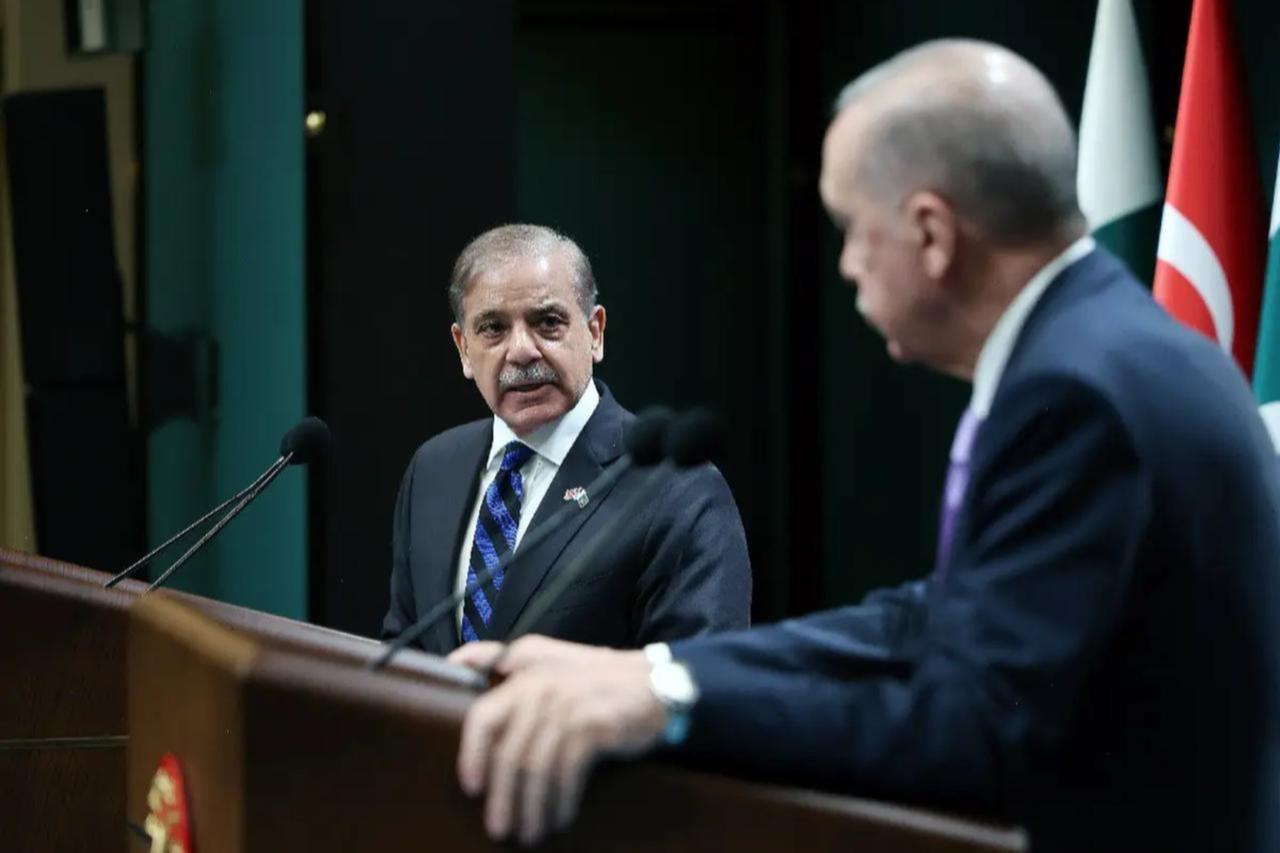
Prime Minister Shehbaz Sharif and Dar have been in contact with senior Iranian officials and Gulf allies, including Saudi Arabia.
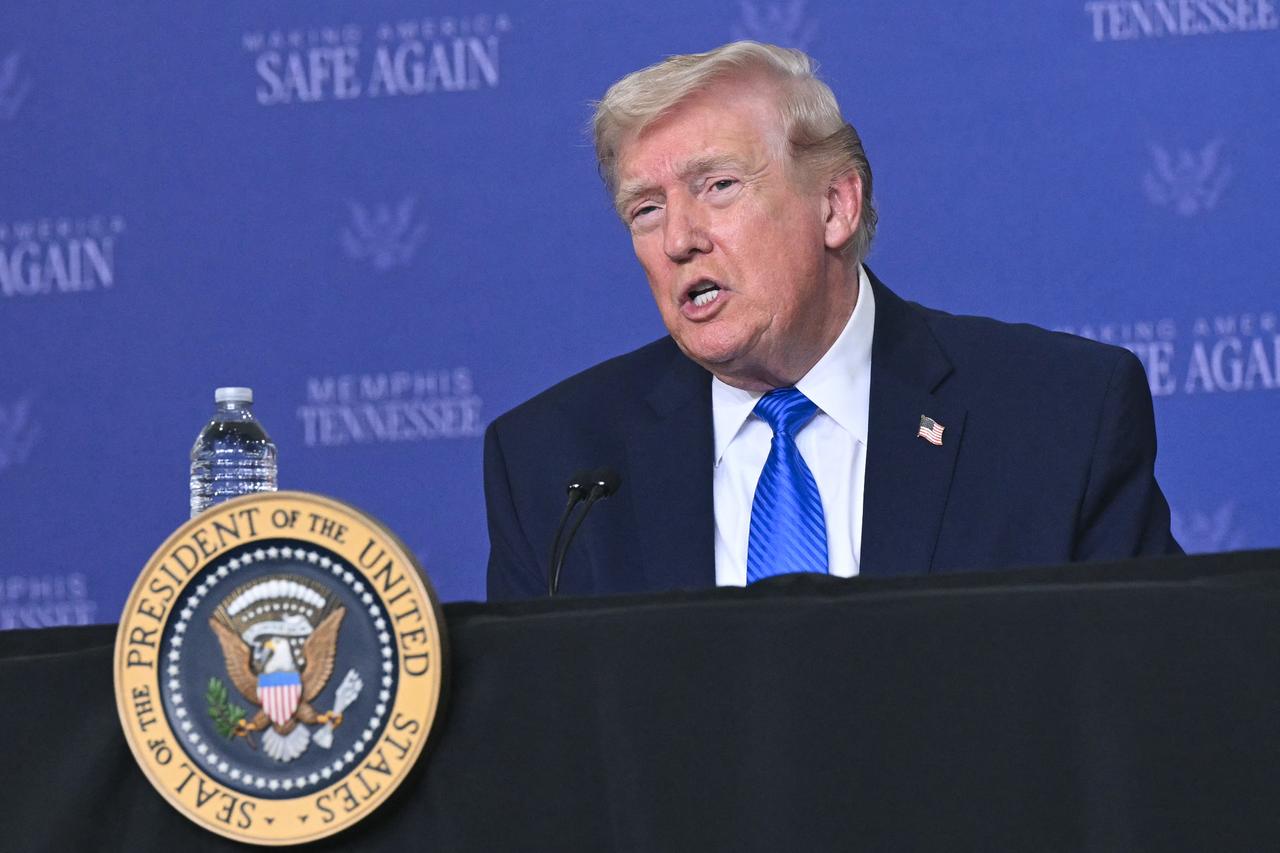
Pakistan’s army chief, Asim Munir, has also been involved in diplomatic efforts and spoke with U.S. President Donald Trump last Sunday, officials said.

Iran’s Foreign Minister Abbas Araghchi said that while messages are being exchanged through “friendly countries,” the process does not constitute negotiations.
“At present, our policy is the continuation of resistance,” he said on state television. “We do not intend to negotiate—so far, no negotiations have taken place.”
Despite ongoing contacts, it remains unclear whether any significant progress has been achieved as fighting continues in the Middle East.
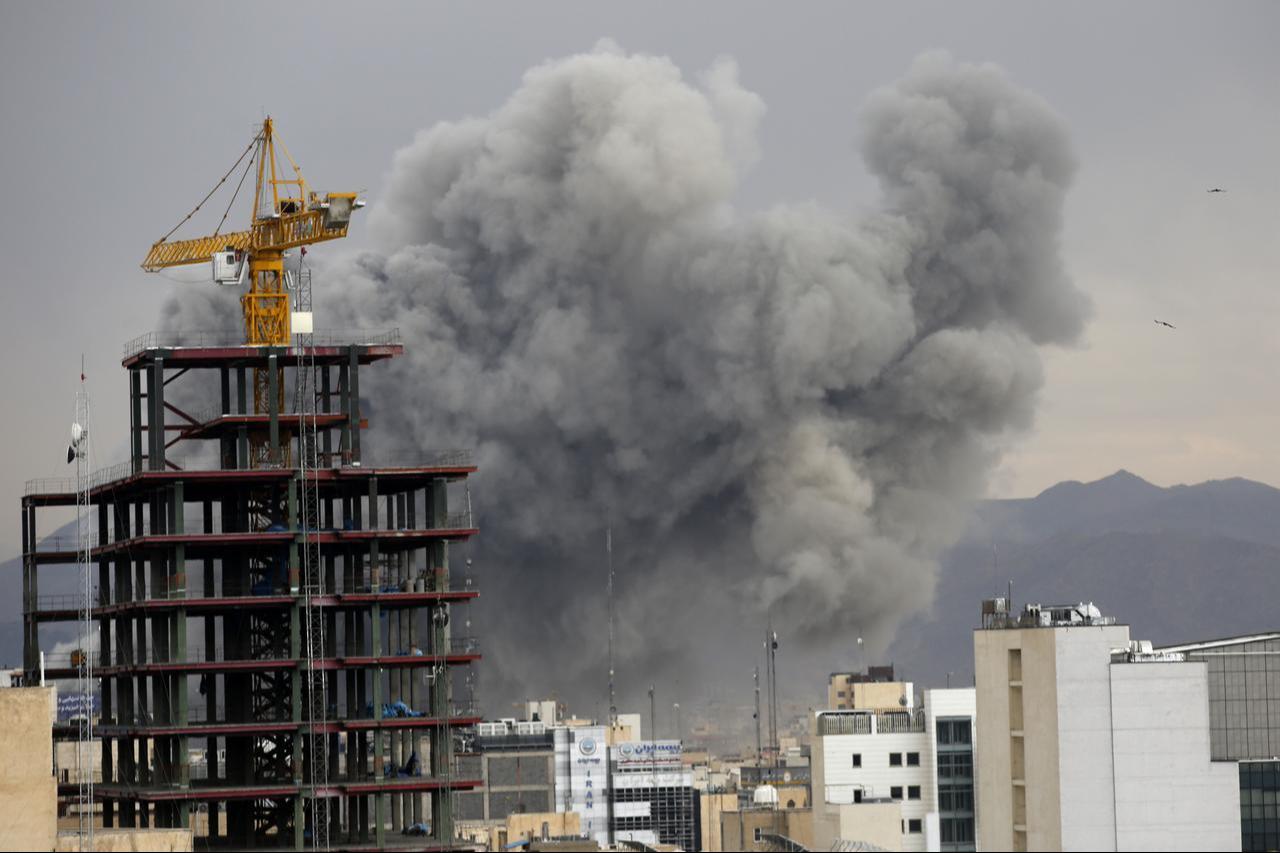
Regional escalation has continued to flare since the U.S. and Israel launched a joint offensive on Iran on Feb. 28, killing so far over 1,340 people, including then-Supreme Leader Ali Khamenei.
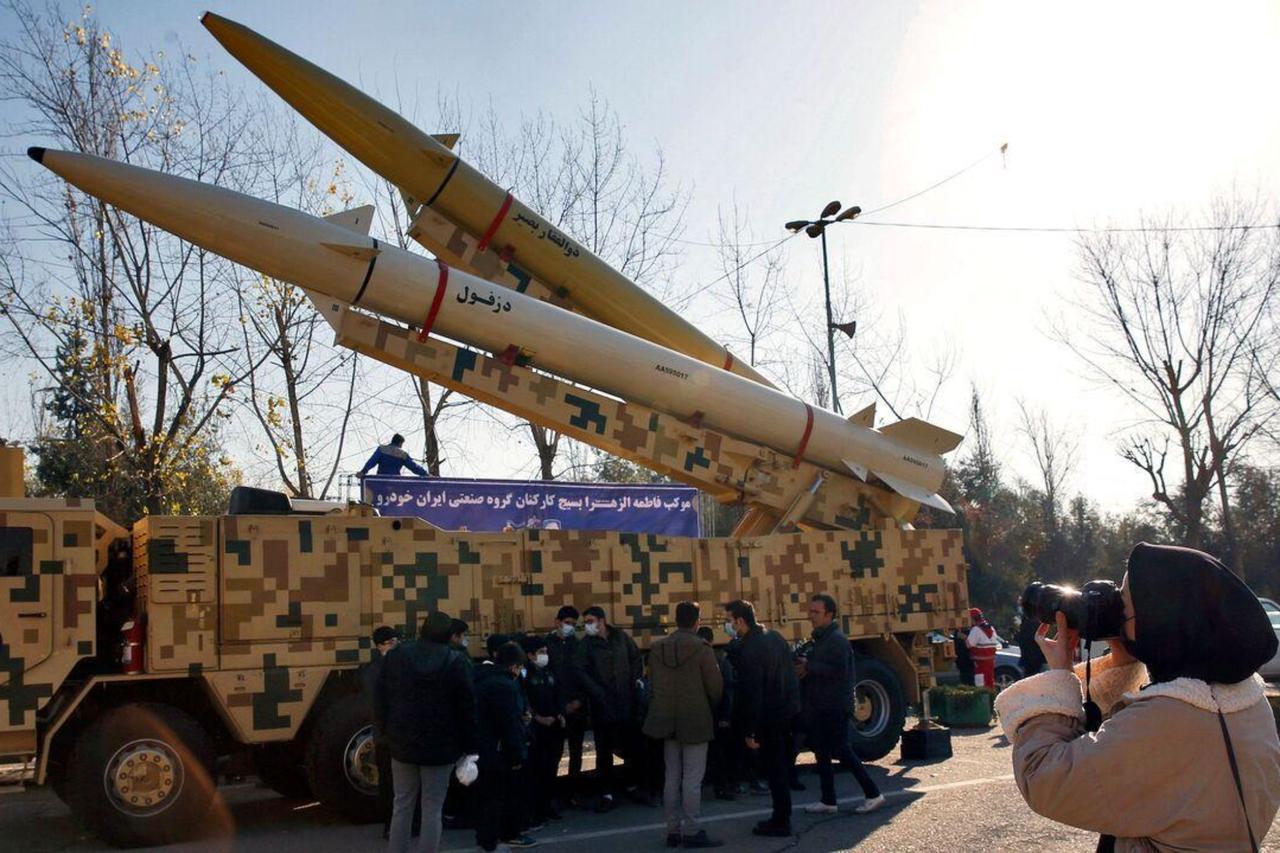
Iran has retaliated with drone and missile strikes targeting Israel, along with Jordan, Iraq, and Gulf countries hosting U.S. military assets, causing casualties and damage to infrastructure while disrupting global markets and aviation.


 Set as preferred source
 Set as preferred source


 1 min read
 1 min read