Newsletters


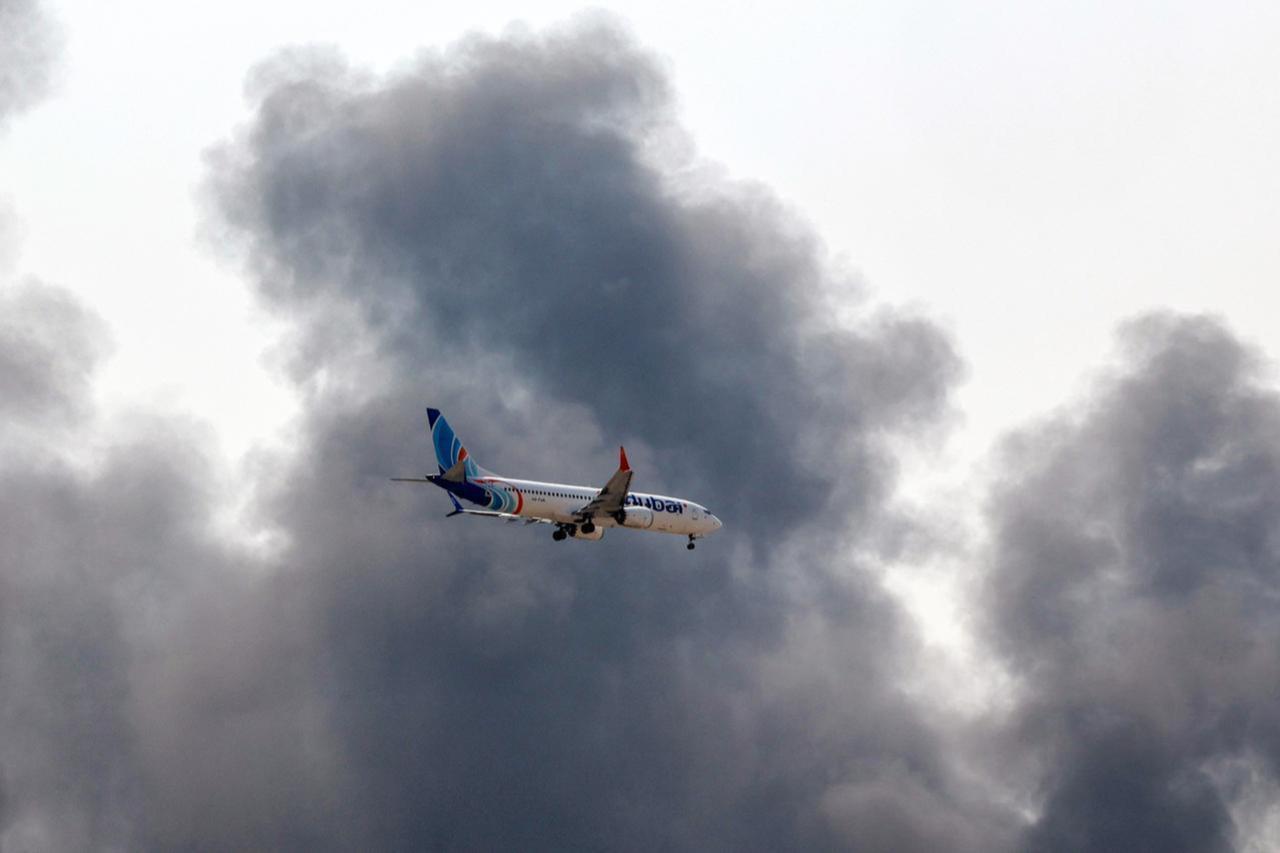


The ongoing conflict in the Middle East is reshaping global air travel, disrupting one of the world’s most critical aviation corridors and forcing airlines to redraw flight paths in real time.
Airspace closures, fuel shortages, and security risks have created a ripple effect across international travel, affecting millions of passengers far beyond the region itself.
Experts warn that if the conflict continues, the impact could extend well beyond short-term disruptions and alter how long-haul travel operates.
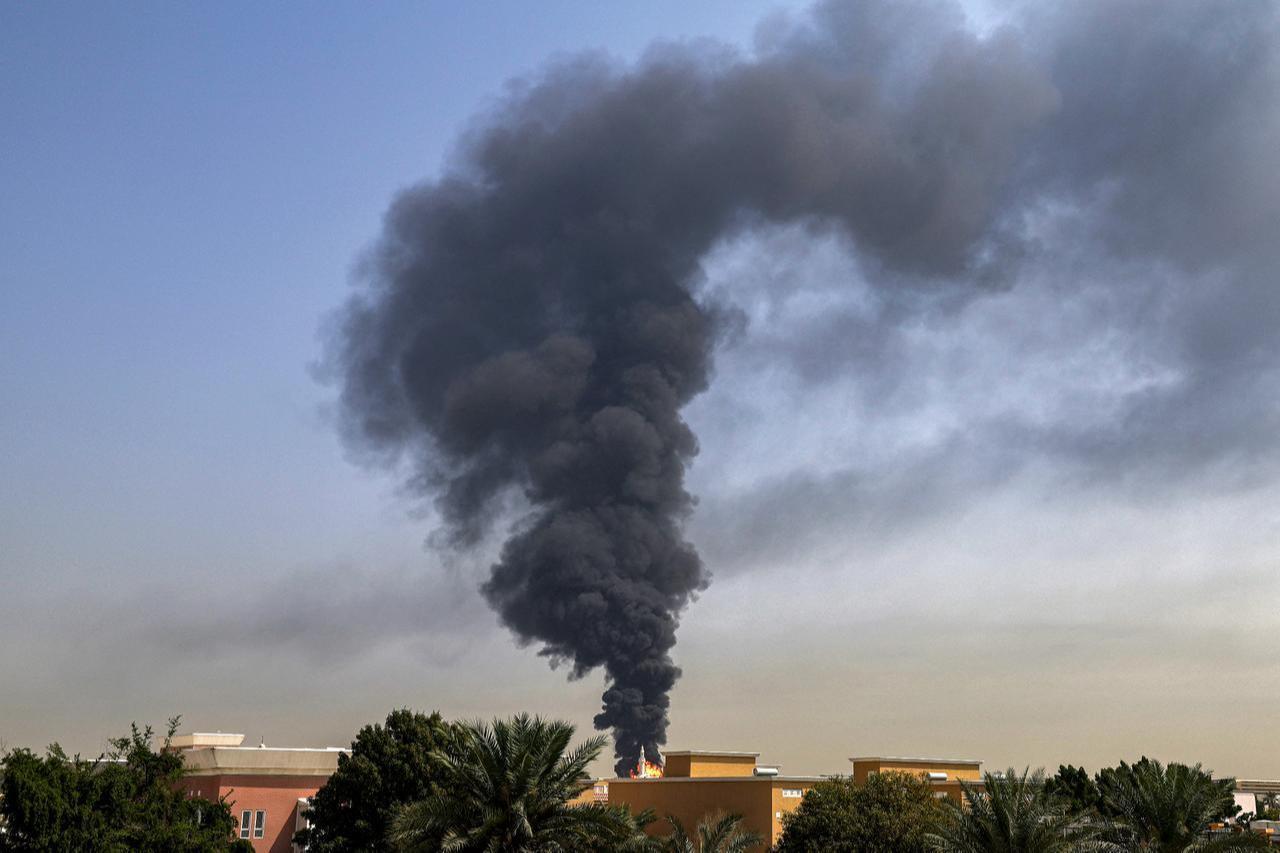

The Middle East has long served as a central bridge between Europe, Asia, and Australia.
Major hubs such as Dubai, Doha, and Abu Dhabi connect millions of passengers through one-stop routes that have made global travel faster and cheaper.
That system has come under strain since late February.
Airspace closures across Iran and neighboring regions have forced airlines to cancel or reroute tens of thousands of flights.
According to aviation analytics firm Cirium, more than 30,000 services to the Middle East have already been canceled. Afar Magazine reports that disruptions have affected around 6 million passengers globally.
Airports that typically operate with high efficiency have faced sudden shutdowns. At times, arrivals and departures at major hubs like Dubai and Doha have been suspended due to security threats, triggering delays across airline networks worldwide.
For travelers, the consequences have been immediate.
Some flights have turned back mid-air, while others have been canceled with little notice. Passengers have been stranded in transit hubs or forced to find alternative routes across multiple continents.
The disruption also exposes how dependent global aviation has become on the Gulf model.
Airlines such as Emirates, Etihad, and Qatar Airways built networks that allow passengers to travel between distant cities with a single connection, a system that has transformed long-distance travel.
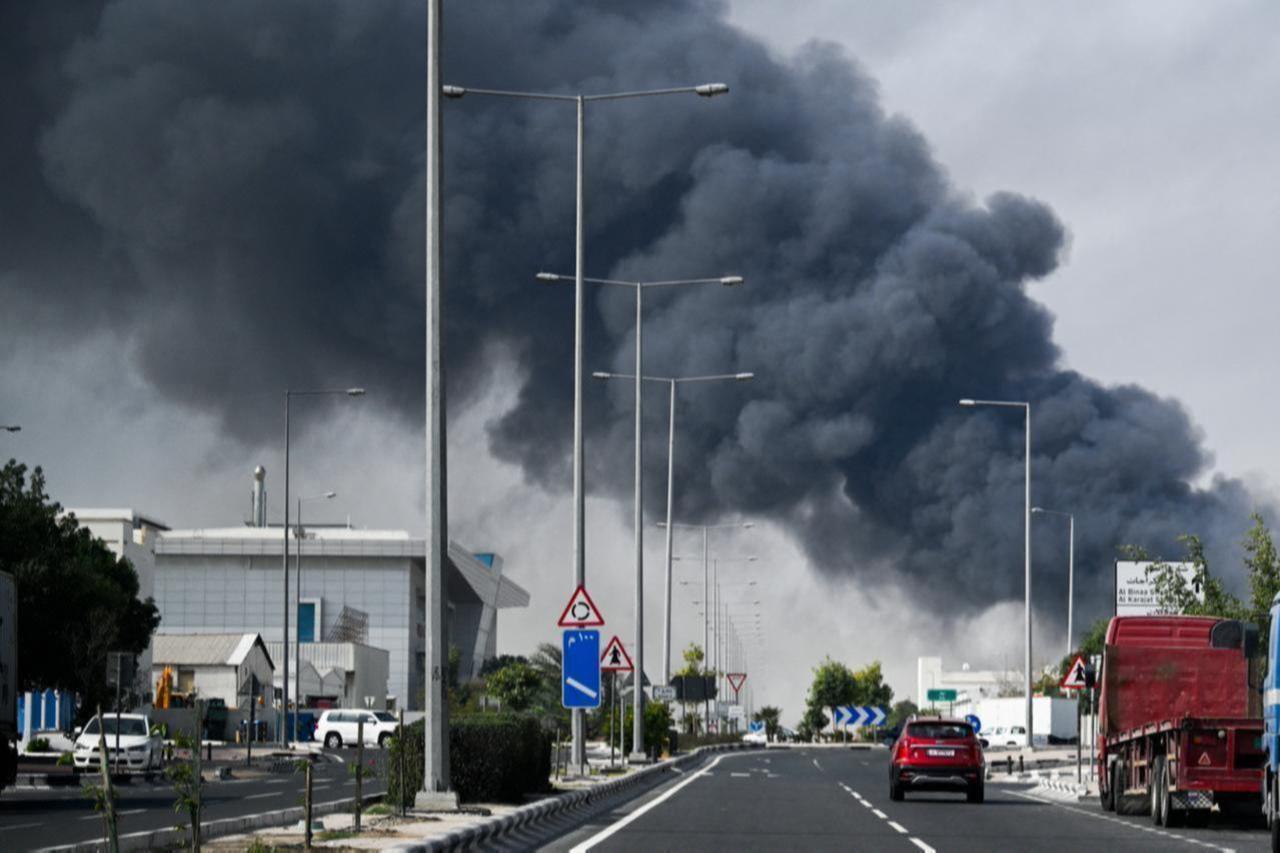
Beyond airspace restrictions, fuel supply has emerged as a second major pressure point.
The conflict has disrupted flows through the Strait of Hormuz, a critical route for global energy shipments. The region typically supplies around half of Europe’s jet fuel imports, and prices have already surged sharply since the start of hostilities.
At the same time, airlines are flying longer routes to avoid restricted airspace. Detours around the Middle East can add hours to flight times and significantly increase fuel consumption.
These combined pressures are driving up costs across the aviation system.
Longer routes are increasing pressure on airlines, according to Henry Harteveldt, president of the Atmosphere Research Group.
“There may be a weight penalty that causes the airline to reduce the number of passengers on board, which may result in lost revenue,” he told Afar, adding that if flights exceed aircraft range, “the aircraft may be required to make a refueling stop that adds even more time… and may require an additional crew.”
Airlines are also cutting less profitable routes and reducing flight frequency to manage costs, further tightening supply and limiting options for passengers.
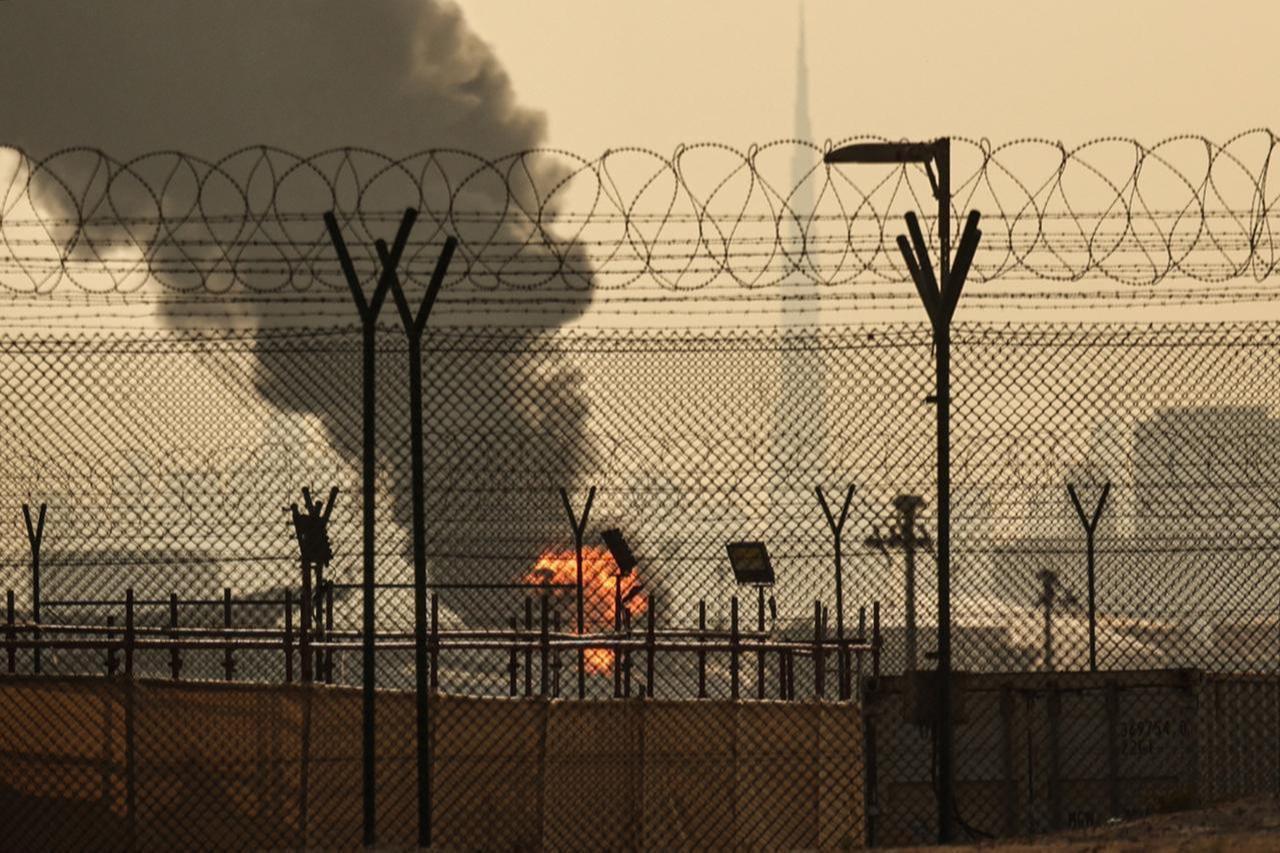
Governments are raising safety concerns.
Australian travel authorities have issued “do not travel” advisories for multiple countries in the Middle East, including the United Arab Emirates, Qatar, Iran, and Israel, with the warning applying even to transit passengers who do not leave the airport, reports Smart Traveller.
Officials warn that airspace can close at short notice, flights may be canceled suddenly, and travelers could become stranded in high-risk locations.
Airports, hotels, and transport infrastructure have already been targeted in strikes, increasing uncertainty for those in transit.
The conflict is also expanding security risks globally.
Authorities worldwide warn of heightened risk of attacks, protests, and civil unrest in major cities, particularly around transport hubs, public venues, and diplomatic sites.
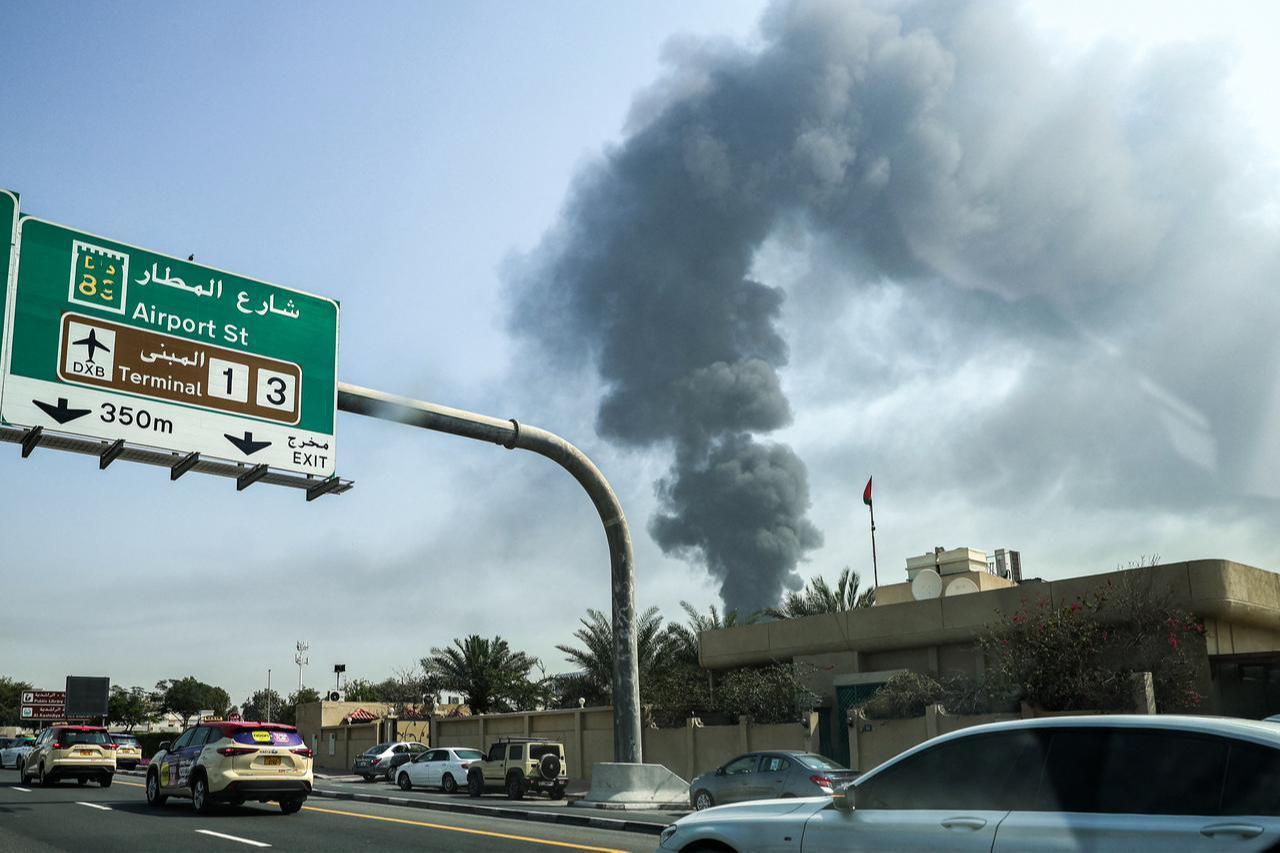
With traditional routes disrupted, airlines are shifting traffic to alternative hubs in Asia and Europe, including cities such as Singapore, Tokyo, and Bangkok.
However, replacing the Gulf’s capacity is not straightforward.
Middle Eastern carriers account for a significant share of global long-haul traffic, particularly on routes between Europe and Asia.
Willie Walsh, director general of the International Air Transport Association, told the BBC, “There is no way the capacity provided by carriers in the Gulf can be replaced by European carriers,” warning that alternatives remain limited.
As a result, travelers are being pushed onto more complex itineraries with multiple connections, longer travel times, and higher costs.
Even short-haul flights are impacted, as aircraft and crews are redistributed across strained networks.
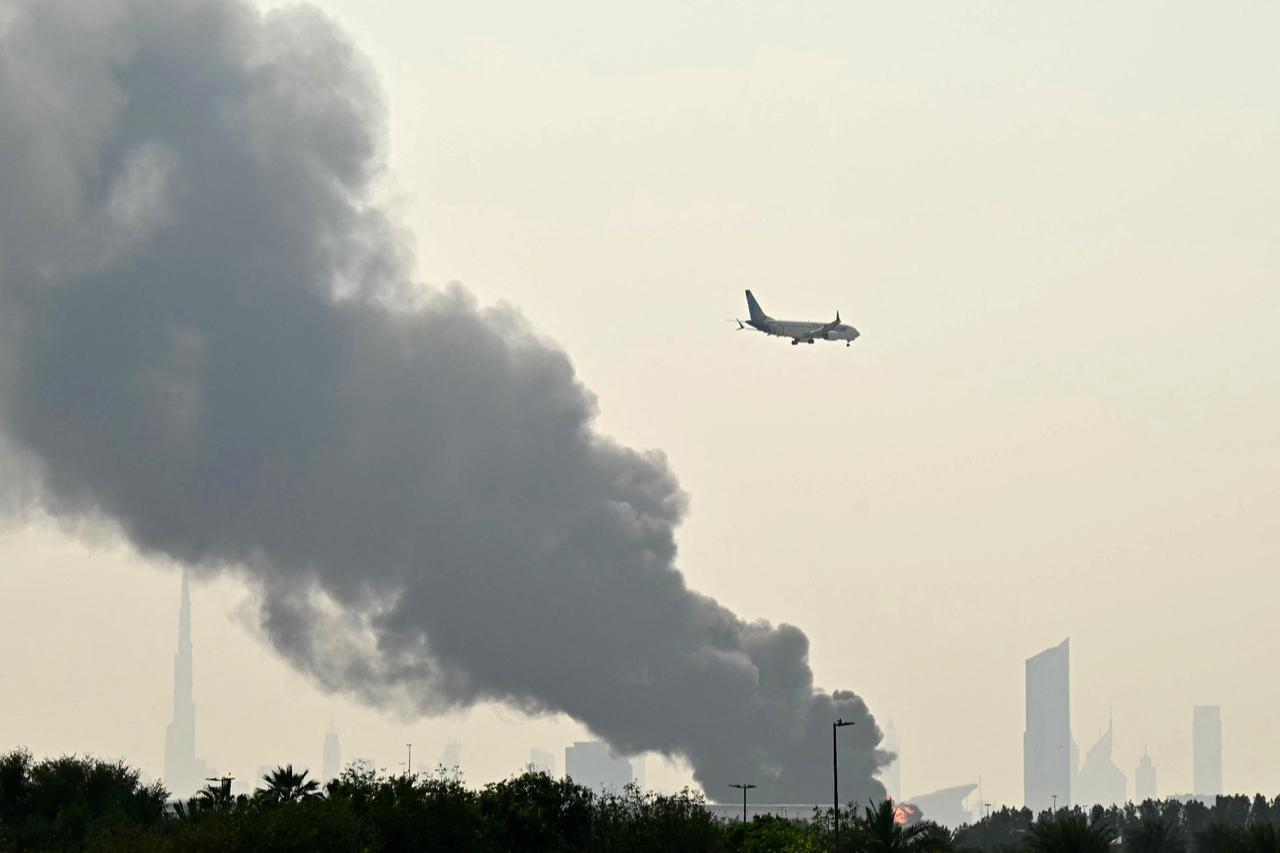
A key question now is whether the disruption will have lasting consequences.
Aviation experts say the longer the conflict continues, the more likely passengers are to avoid transiting through the Middle East altogether due to safety concerns.
Some analysts believe confidence could take years to recover. Travel platform Trivago’s Chief Executive, Johannes Thomas, said it may take “two to three years” before safety perceptions fully improve.
Others are more optimistic. Former Etihad Airways Chief Executive James Hogan said, “This is a major crisis, but it will be resolved at a point in time,” and that demand will eventually return.
What remains clear is that the stakes extend beyond airlines.
Gulf economies have relied on aviation as a driver of tourism, trade, and global connectivity, meaning prolonged disruption could have wider economic consequences.


 Set as preferred source
 Set as preferred source


 3 min read