Newsletters


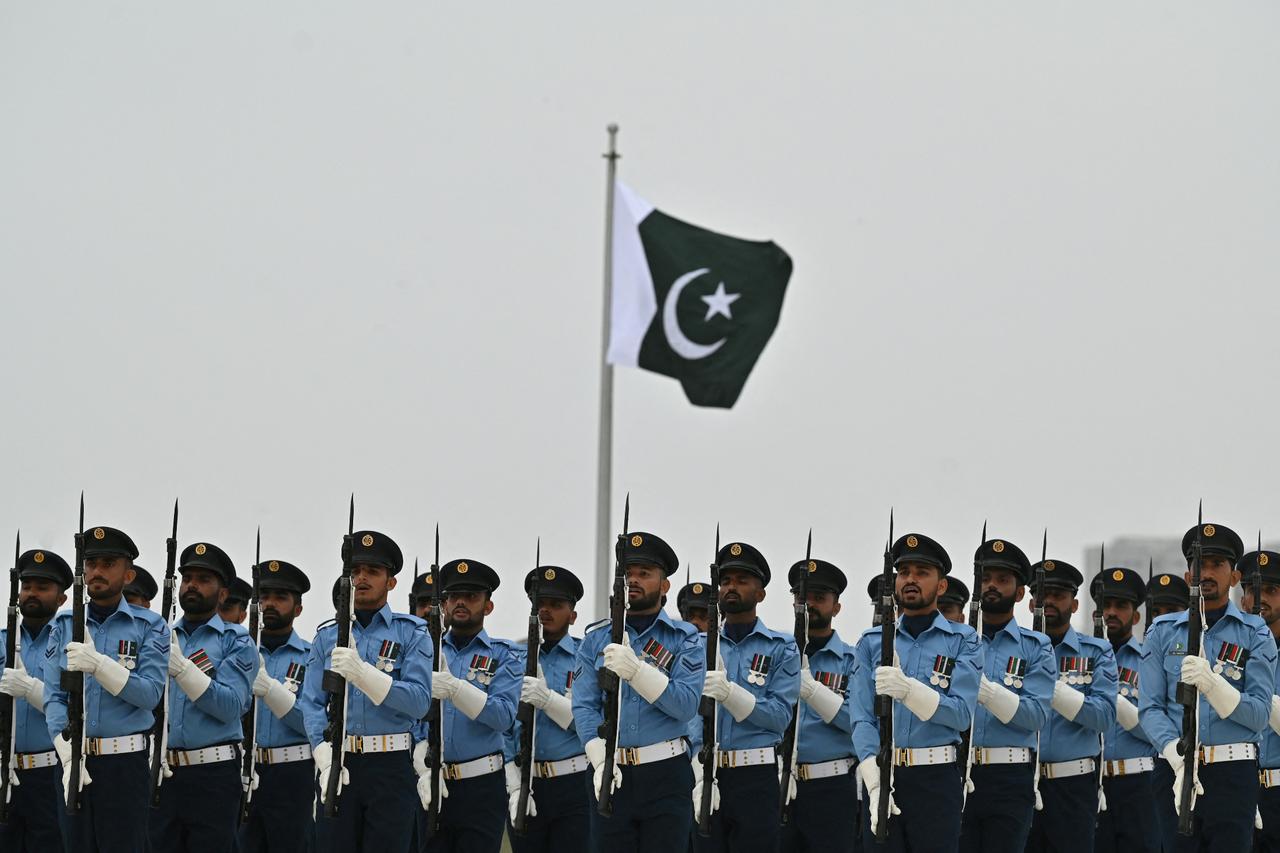


Pakistan stated Thursday that no military response is currently being discussed under its joint defense agreement with Saudi Arabia and Türkiye in reaction to Houthi attacks on Saudi Arabia, even as Yemen's Iran-backed Houthis seized the strategic Red Sea port city of Mocha and advanced toward the Bab el-Mandeb Strait.
Pakistani Foreign Ministry spokesperson Sajjad Haider Khan said Islamabad would act under the Mecca Joint Defense Agreement "when time comes," but that no such action is being planned now.
"There is no such thing under discussion right now ... When time comes (we) will act under the agreement," Khan said at a weekly media briefing, responding to a question about how Islamabad intends to fulfill its obligations under the pact signed with Türkiye and Saudi Arabia last month.
The agreement stipulates that an armed attack on any one of the three countries will be regarded as an attack on all of them. Khan described the Mecca alliance as a "defensive" pact and said there are currently no plans to expand it, even as Washington struggles to contain regional upheaval that has disrupted global energy supplies.
The question arose after Iran-backed Houthis struck Saudi cities and energy infrastructure this week, part of an escalation that has become a second theater of war in the broader Middle East conflict.
Reuters has separately reported that Islamabad warned Iran to rein in its Yemeni Houthi allies after they stepped up attacks on Saudi Arabia.
Pakistan, which has also been mediating the conflict between the U.S. and Iran, has condemned the Houthi attacks but has not detailed how it might respond under the terms of its defense pact.
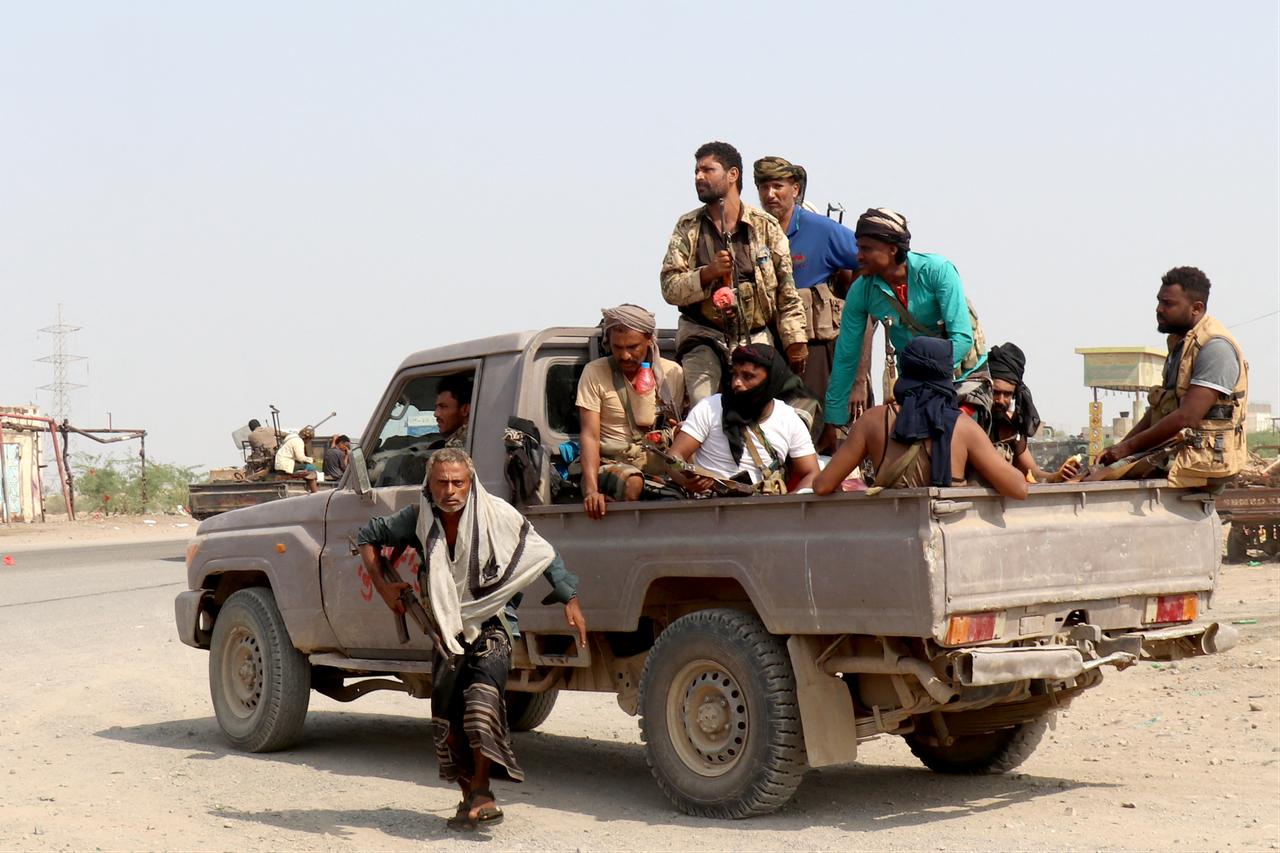

Yemen's Houthi rebels seized control of the strategic Red Sea port city of Mocha on Thursday and were advancing toward the Bab el-Mandeb Strait, a Yemeni military source told Agence France-Presse (AFP).
Witnesses said they saw rebel forces entering the city while chanting "death to America, death to Israel."
Three Yemeni government officials told Reuters the Houthis were nearing complete control of coastal cities along the strait, including Mocha and Dhubab, as part of a broader push to take over the whole Yemeni Red Sea coast.
Defense analyst Wolfgang Pusztai told Al Jazeera that a confirmed Houthi capture of Mocha would be a major development.
"They are advancing even more than the government forces," he said, adding that if the Houthis cut off the road between Taiz and Mocha, it would be "a very significant blow against the government."
"If they take over Mocha, they would control pretty much all of Yemen's coast on the Red Sea. That means it would be easier to control Bab al-Mandeb," Pusztai said, noting that the strait is only about 20 kilometers wide compared with the Strait of Hormuz's roughly 50 kilometers.
"This means they could control it just with artillery; they wouldn't need to even use missiles or drones to attack ships. This would certainly be a major blow to Saudi Arabian shipping and international shipping," he added.
Yemeni government forces also announced the formation of a command center south of the western city of Mocha near the Bab al-Mandeb Strait, following breaches by the Houthi group on several fronts in the country’s west.
Mocha holds major military importance because it hosts a strategic port and is one of Yemen’s closest cities to Bab al-Mandeb, a key maritime passage linking the Red Sea and Gulf of Aden and carrying ships traveling to and from the Suez Canal.
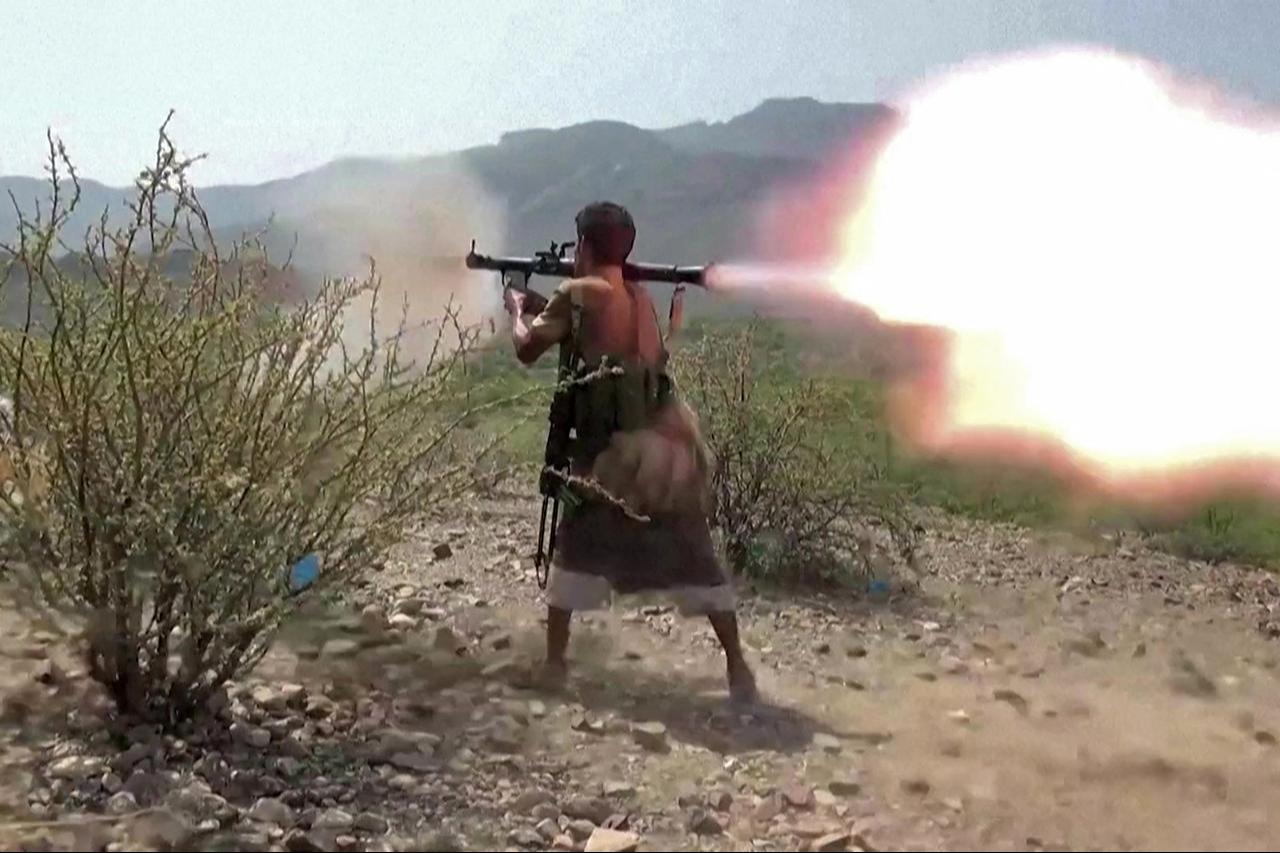
The Bab el-Mandeb, the southern outlet of the Red Sea between Yemen and the African coast of Djibouti and Eritrea, is one of the world's most important routes for crude oil and fuel moving from the Gulf to the Mediterranean via the Suez Canal or Egypt's SUMED pipeline, as well as for commodities bound for Asia, including Russian oil.
Blocking the passage would cut off Gulf oil producers, including Saudi Arabia, from their main shipping routes at a time when Iran has already effectively closed the Strait of Hormuz, the primary maritime energy corridor between Asia and Europe.
Fighting between Saudi-backed Yemeni government forces and the Houthis has escalated sharply over the past week, spilling beyond Yemen's borders into Saudi Arabia, where the Houthis have targeted oil installations and wounded dozens of people.
A United Nations-brokered truce reached in 2022 had largely halted years of war in Yemen but remains fragile.
Yemen has been engulfed in conflict since the Houthis seized the capital Sanaa and several provinces in September 2014, prompting a Saudi-led Arab coalition to intervene in March 2015 in support of the internationally recognized government.


 Set as preferred source
 Set as preferred source


 3 min read