Newsletters


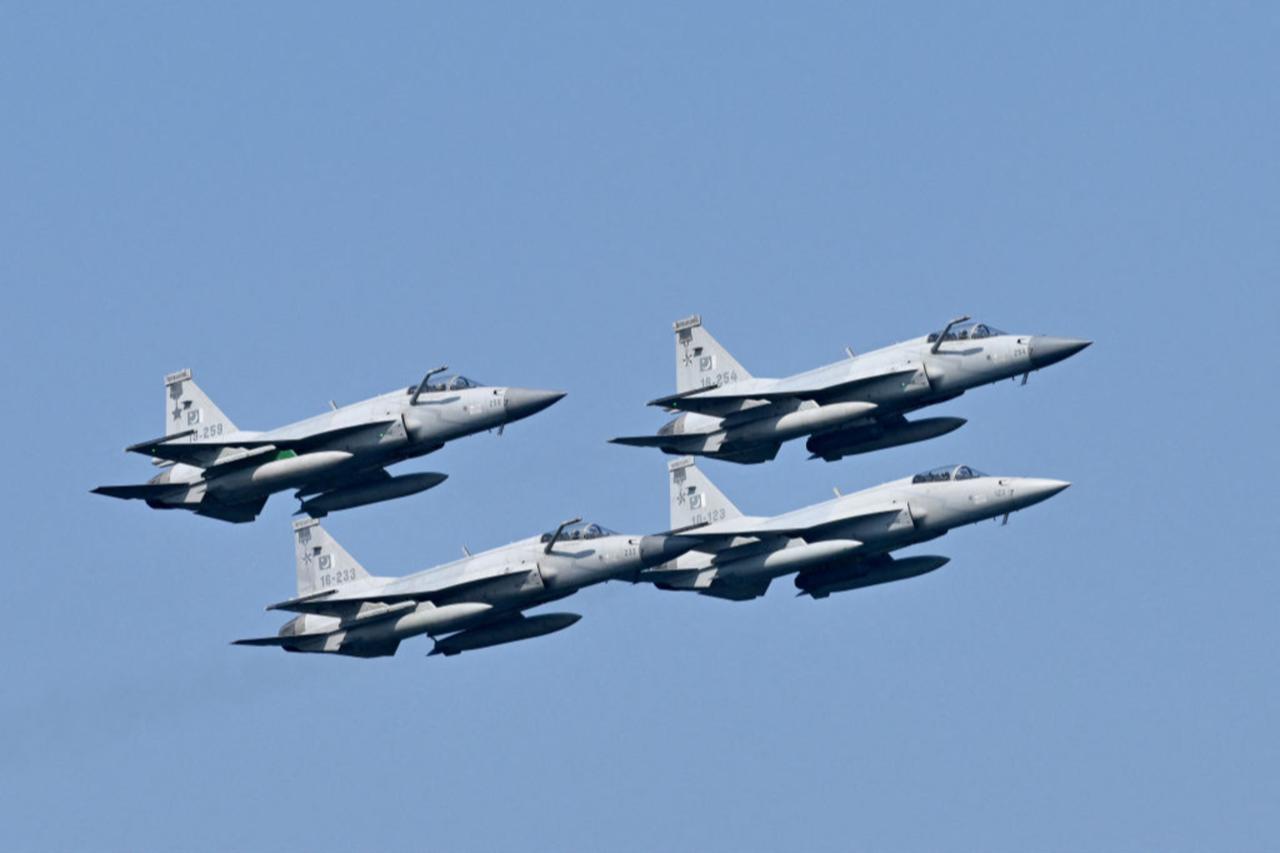


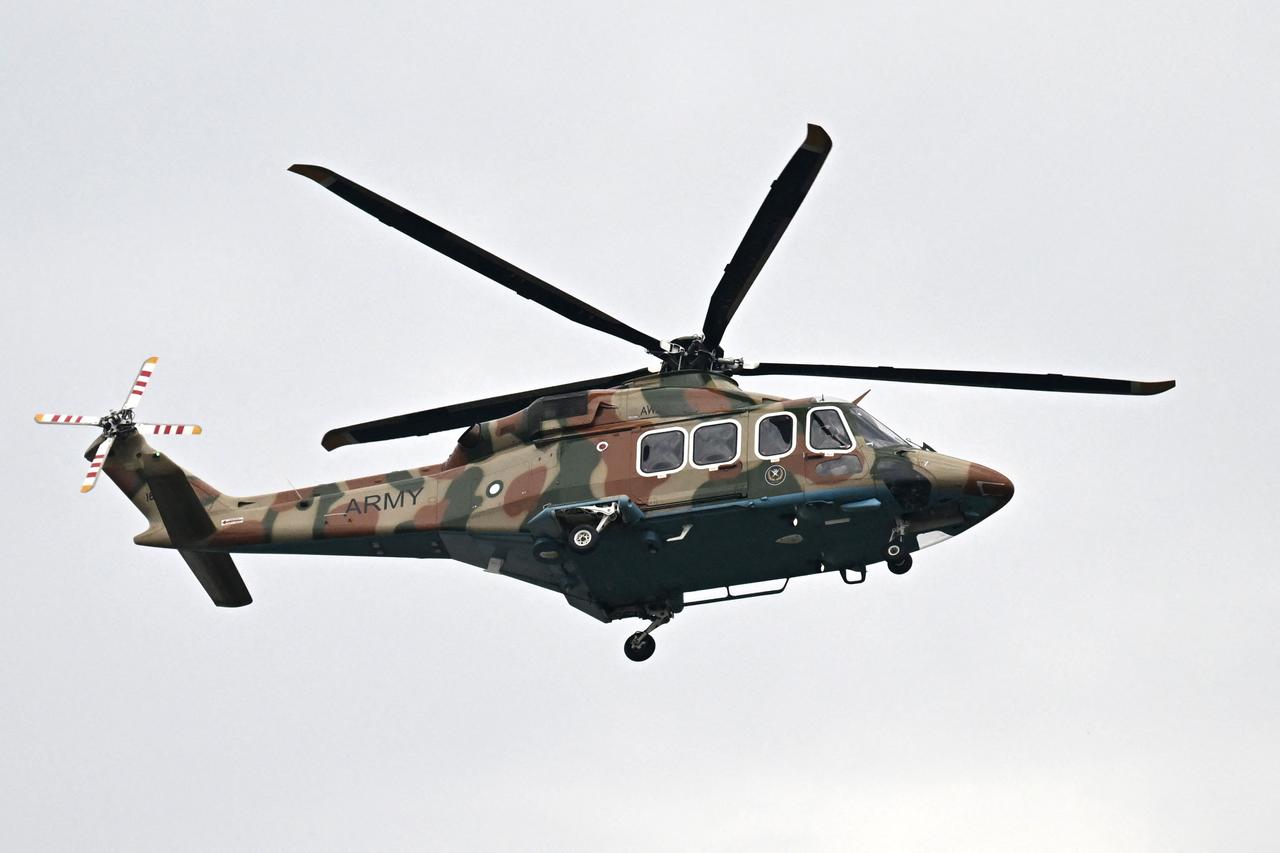
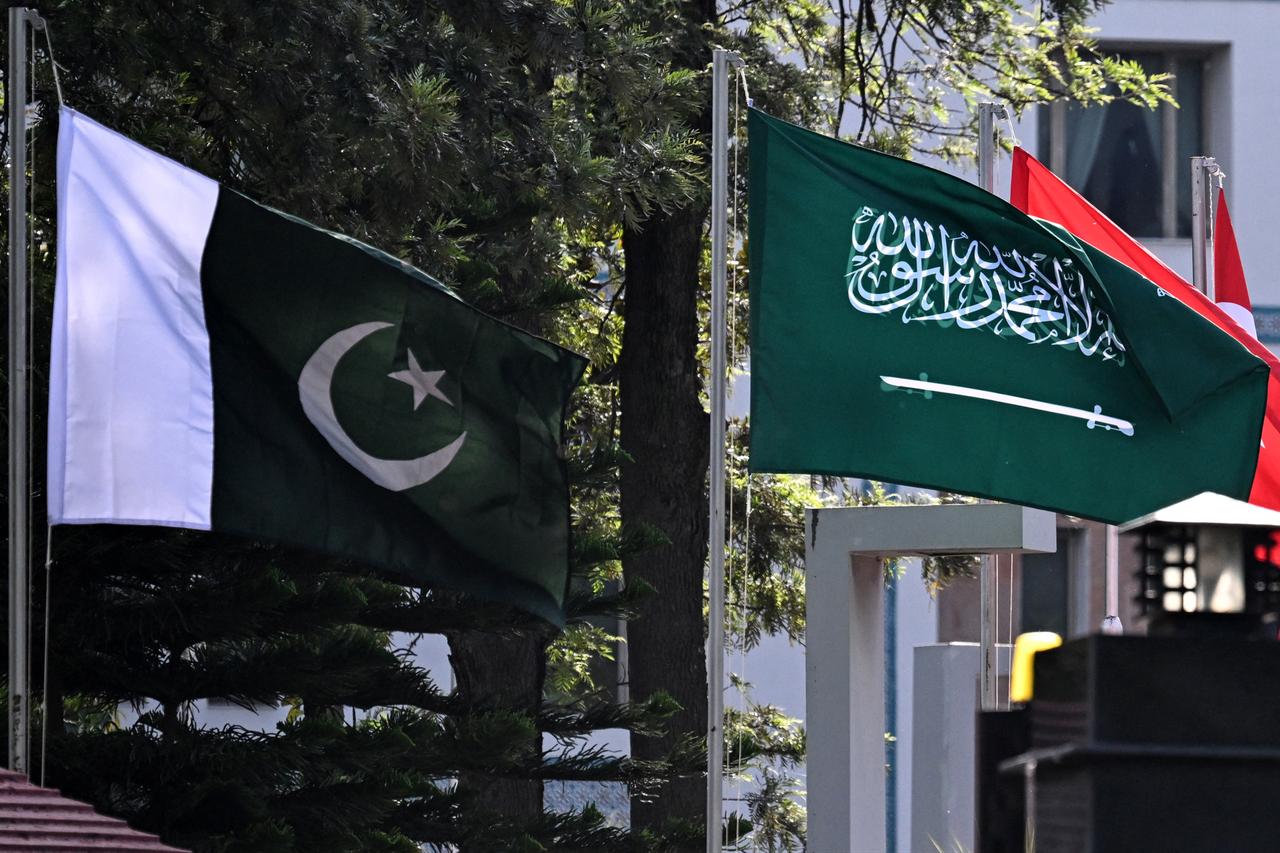
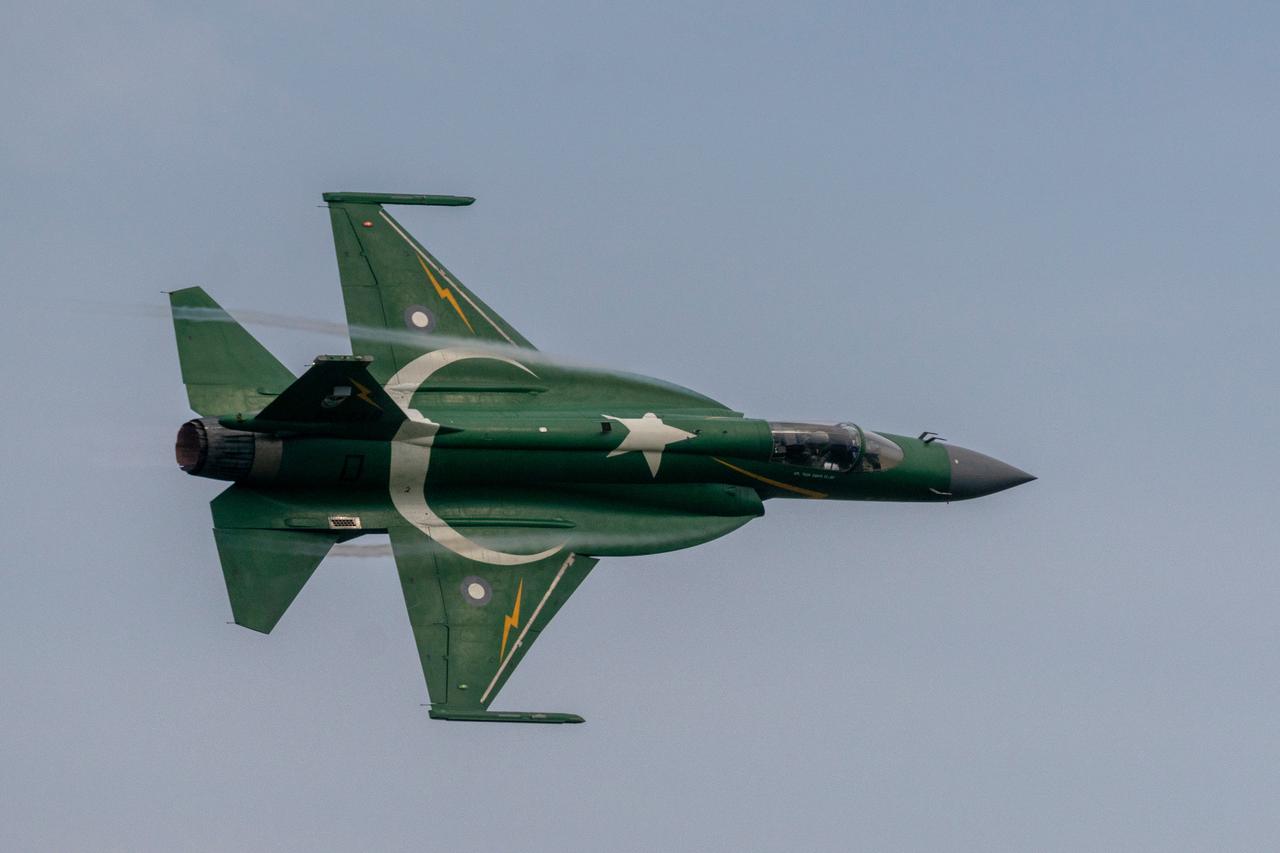
Pakistani Air Force fighter jets and support units arrived at King Abdulaziz Air Base in Saudi Arabia's Eastern Sector on Saturday under the joint strategic defense agreement signed between the two countries last September.
Meanwhile, the Saudi Finance Minister Mohammed al-Jadaan is visiting Islamabad in what a source cited by Agence France-Presse (AFP) described as a "show of economic support" for Pakistan, which is simultaneously hosting U.S.-Iran peace talks.
Saudi Arabia's Defense Ministry confirmed the arrival of the Pakistani force, which consists of fighter jets, support aircraft, technical teams, and operational personnel.
"The Ministry of Defense announces the arrival of a military force from the Islamic Republic of Pakistan at King Abdulaziz Air Base in the Eastern Sector, under the Joint Strategic Defense Agreement signed between the two brotherly countries," the ministry said.
The deployment aims to enhance joint military coordination, raise operational readiness, and support "security and stability at both regional and international levels," the ministry added.
There was no immediate comment from Pakistan on the deployment.
The defense pact was signed last September by Pakistani Prime Minister Shehbaz Sharif and Saudi Crown Prince Mohammed bin Salman.
It commits both countries to treating any act of aggression against either as an act against both, a provision that took on added significance after Iran targeted Saudi Arabia's Eastern Province with missiles and drones during the conflict.

Saudi Finance Minister Mohammed al-Jadaan traveled to Islamabad Saturday in a show of "economic support" for Pakistan, a source familiar with the matter told AFP.
Al-Jadaan had met with Prime Minister Sharif a day earlier, with Sharif's office saying Islamabad was committed to expanding cooperation "in trade, investment, and economic development."
Al-Jadaan's visit came as Islamabad hosts U.S.-Iran talks aimed at ending the Middle East war, which he is not attending.
"He is there as a show of economic support for Pakistan," the source said.
The Saudi finance minister's visit also comes amid a notable shift in Pakistan's financial posture toward Gulf states.
Cash-strapped Pakistan recently announced it would return more than $3 billion in loans to the UAE, deposits Abu Dhabi had been rolling over since 2018.
Pakistan is dependent on IMF bailouts and loans from friendly countries, including Saudi Arabia and the UAE, to service its debt, which consumes approximately half of its annual revenues.
The developments highlight an emerging rift between the Gulf's two powerhouses.
Saudi Arabia and the UAE were once close partners, but relations have soured in recent years as the two countries found themselves at odds in Yemen, Sudan, and the Horn of Africa.
The UAE has sustained more Iranian attacks than any other country during the conflict and has adopted a more hawkish posture toward Tehran, warning against diplomatic solutions that fall short of addressing its full range of security concerns and securing freedom of navigation.
While Abu Dhabi has not directly commented on mediation efforts, some Emirati commentators have publicly criticized Egypt and Pakistan for their role in facilitating the ceasefire.
Pakistan, alongside Saudi Arabia, Egypt and Türkiye, played a central role in brokering the U.S.-Iran ceasefire announced Tuesday.


 Set as preferred source
 Set as preferred source


 1 min read
 1 min read