Newsletters


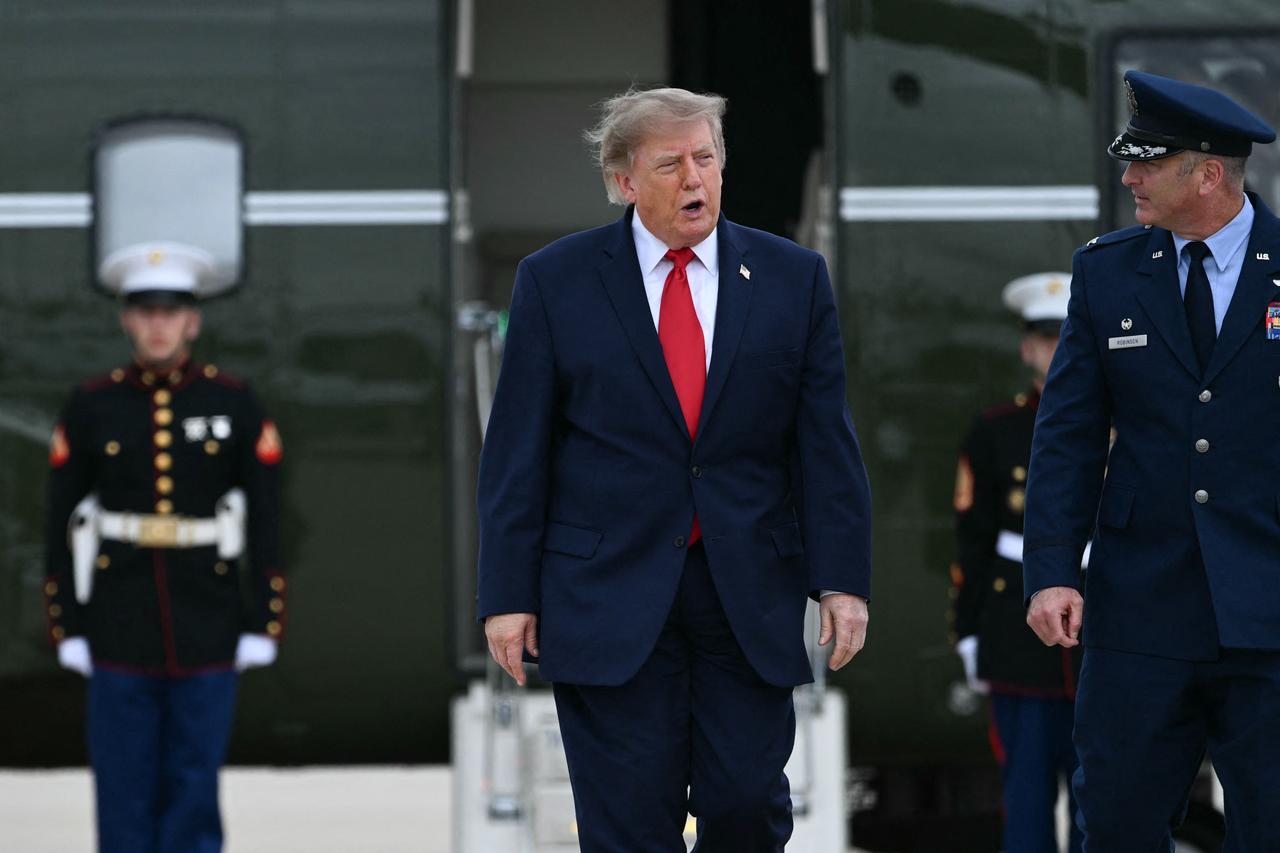


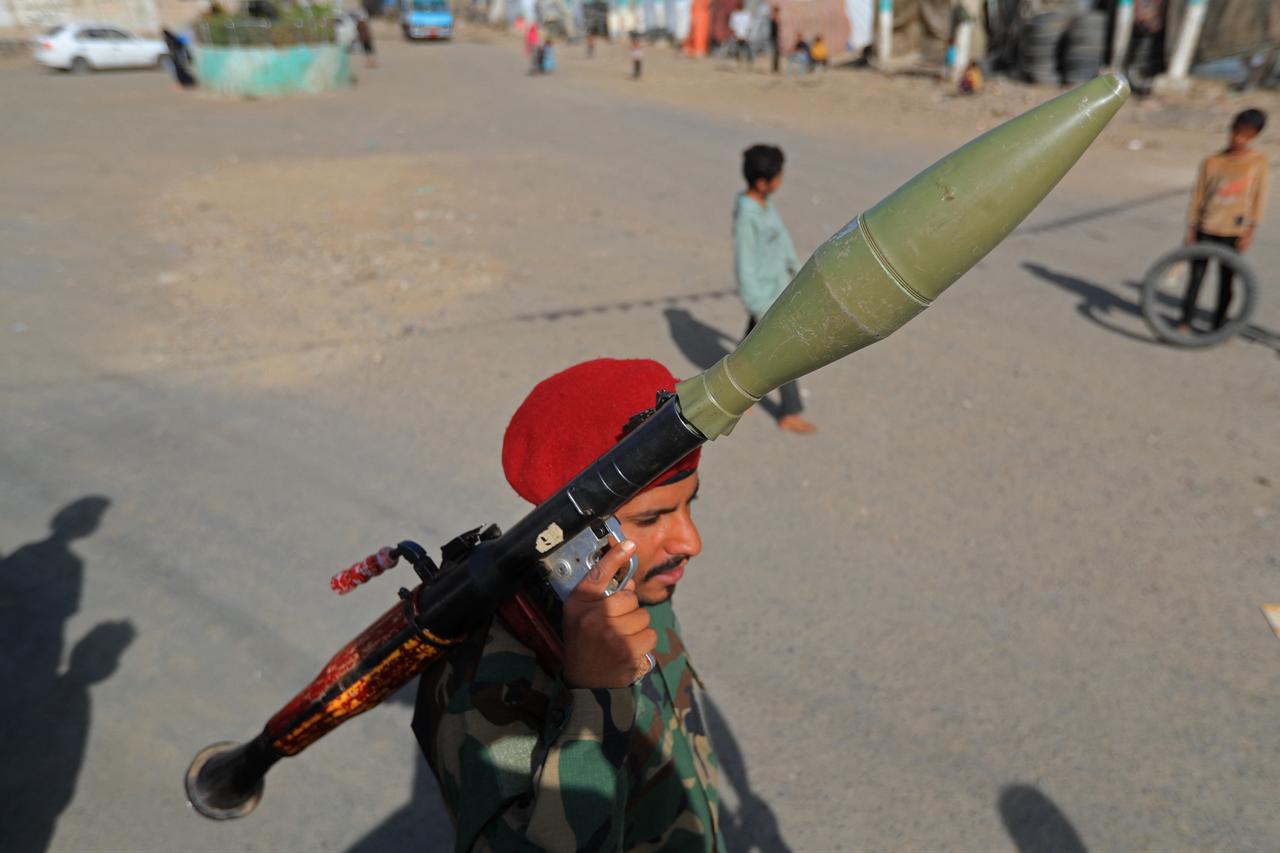
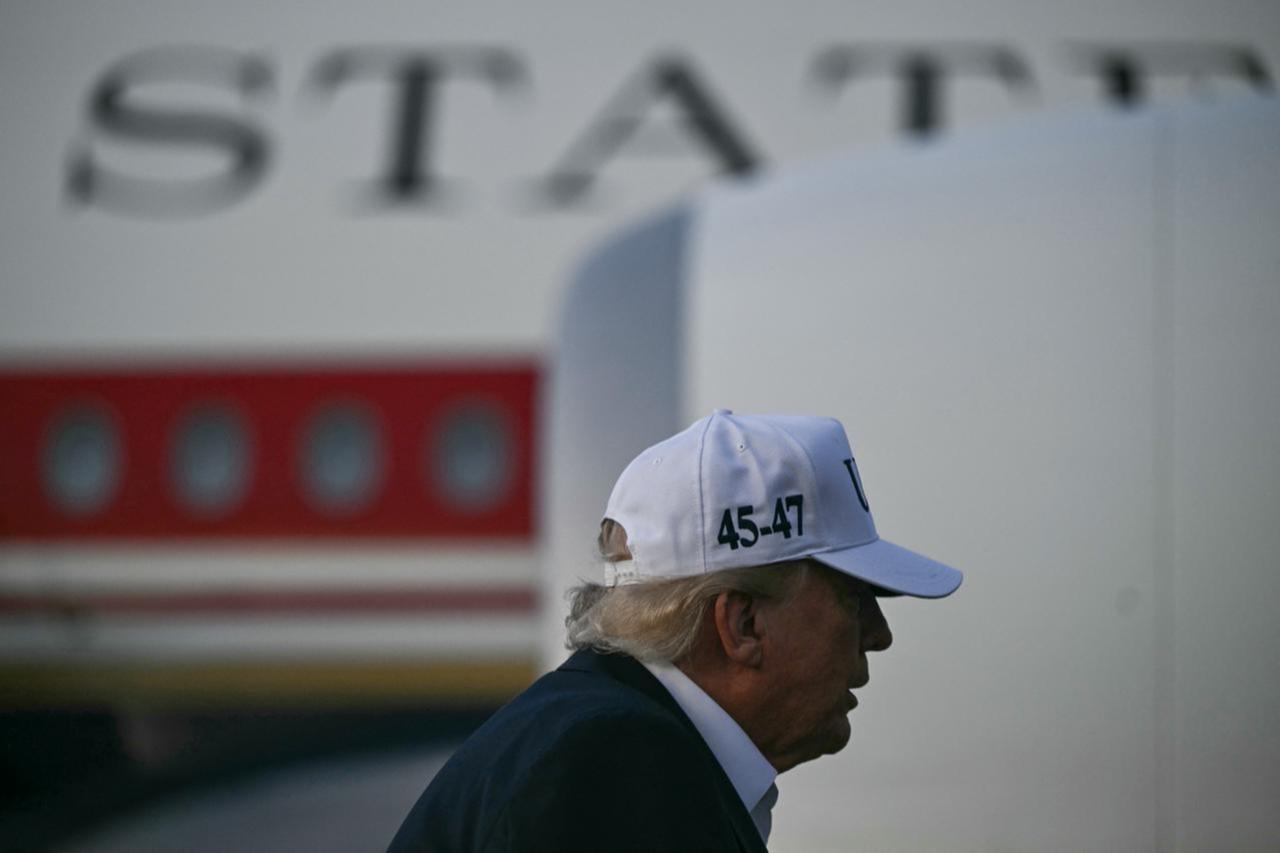
U.S. military leaders are divided over whether U.S. President Donald Trump should involve American forces in the conflict between Saudi Arabia and Iran-backed Houthi rebels in Yemen, according to two U.S. officials cited by NBC News.
Some military leaders have argued within the Pentagon and to administration officials that opening another military front in the region would be a mistake, citing concerns over the Pentagon's dwindling supply of defensive and long-range weaponry and noting that the Houthis have not been striking U.S. ships, the officials said.
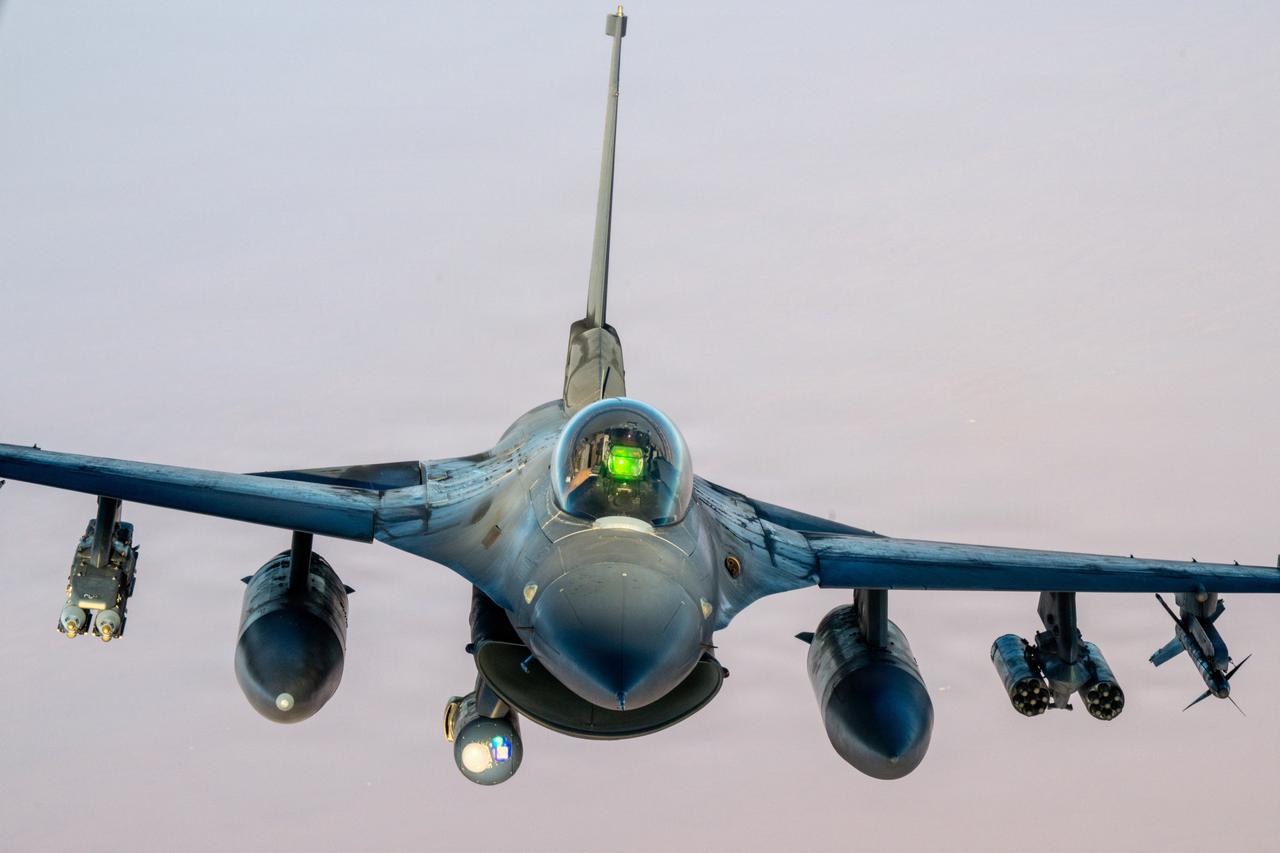
Other military leaders have argued in favor of strikes, saying the U.S. should help Riyadh retaliate for Houthi attacks on Saudi Arabia and the group's claimed downing of a Saudi F-15, a challenge to Saudi air superiority over Yemen.
Those officials privately expressed concern that failing to act more forcefully would amount to a betrayal of an important regional ally, according to the two officials.
Trump had ordered strikes against the Houthis to begin around 5 p.m. Eastern time Sunday, but the military was notified shortly after 2 p.m. that the order had been canceled, the officials said.
One official said Trump has not taken future military action off the table.
One senior U.S. military leader in the region specifically warned that action against the Houthis could create "unmitigated risk" to U.S. troops elsewhere in the Middle East and to the broader Iran war mission, including the U.S. naval blockade and security operations in the Strait of Hormuz, according to the officials.
That same leader reportedly made clear that U.S. forces could still carry out both the Iran mission and strikes against the Houthis while mitigating some of that risk.

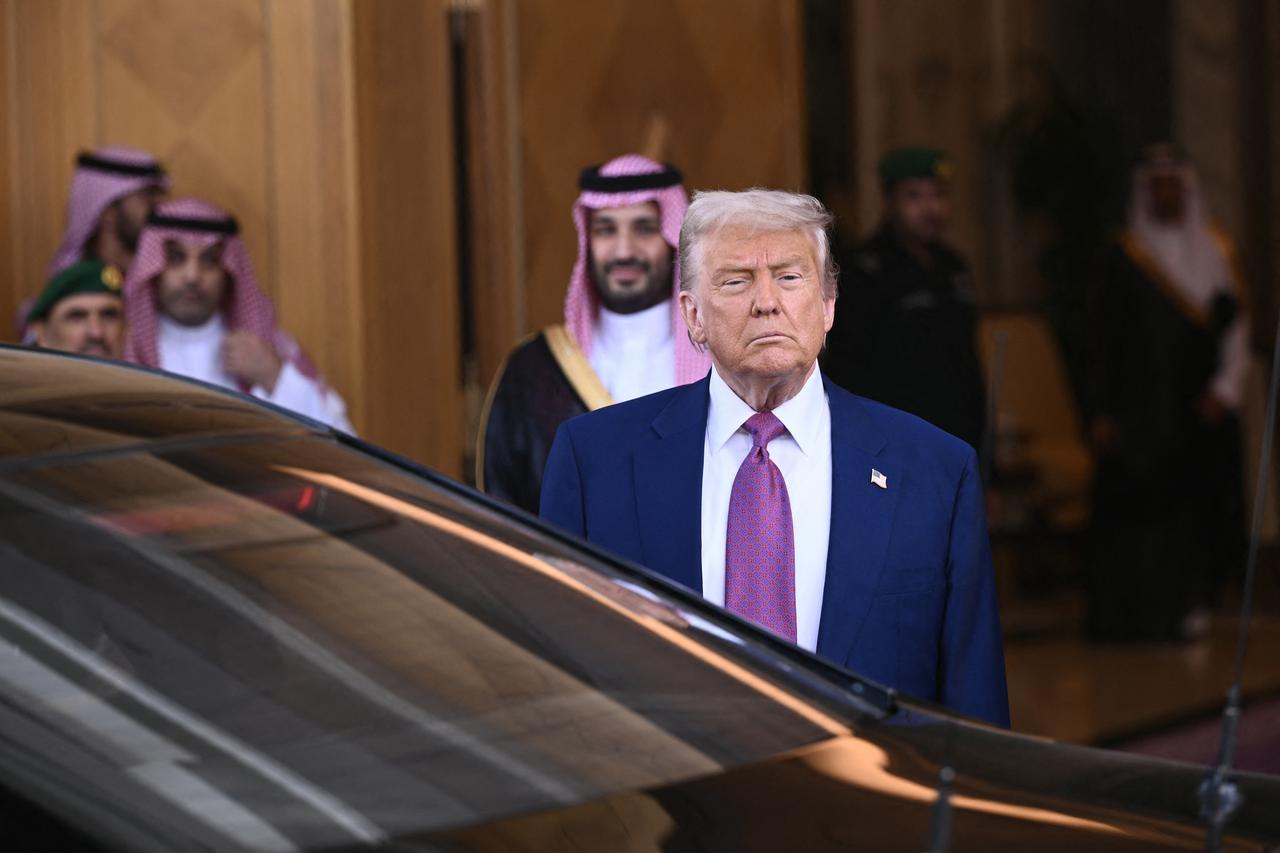
Trump had shown little interest in acting until Thursday, when Saudi Crown Prince Mohammed bin Salman told him in a phone call that the kingdom "cannot succeed alone," following a string of developments including Houthi strikes on Saudi infrastructure, the claimed F-15 downing, and threats to seize control of Yemen's oil industry, according to one of the officials.
After the call, Trump ordered the military to present fresh strike options; Joint Chiefs Chairman Gen. Dan Caine called an emergency 6 p.m. meeting in the Pentagon's high-security "Tank" conference room to discuss the options, canceling a planned trip to Copenhagen to meet NATO chiefs of defense in the process.
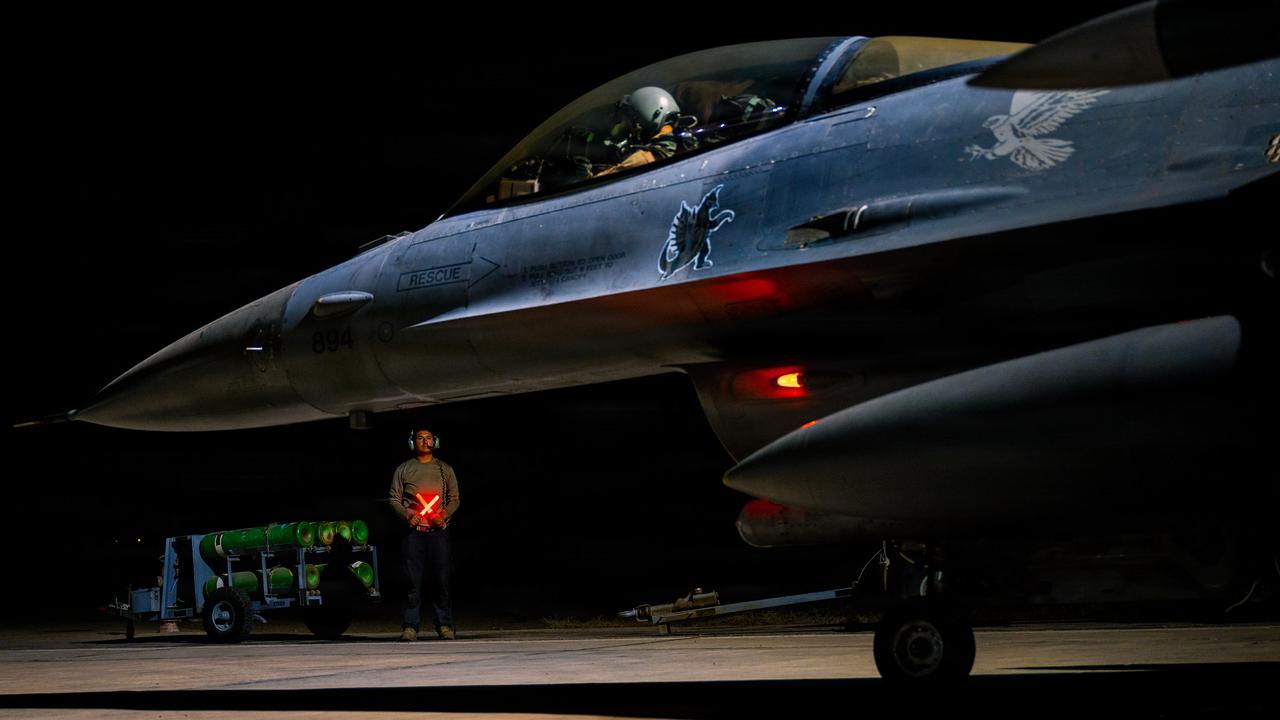
Military officials have presented Trump with options for degrading Houthi capabilities and halting the group's advances several times since Thursday, according to the official, who said the Pentagon has sufficient assets in the region to act if ordered.
The New York Times separately reported that military commanders had already approved target lists and personnel were loading munitions onto designated aircraft when Trump suspended the operation.
Trump had initially resisted launching strikes during meetings with advisers on Wednesday before reversing course following the crown prince's call.
The internal Pentagon divide reflects the bind facing Trump as the U.S. remains locked in a war with Iran that he began but has struggled to end, amid weapons shortages and a critical Gulf ally pressing for more direct support.
Tensions between Washington and Riyadh over the Iran war are not new: in May, Saudi Arabia was caught off guard by a Trump announcement on helping ships through the Strait of Hormuz and responded by suspending the U.S. military's use of its bases and airspace, prompting Trump to abruptly reverse the decision.
The U.S. has continued supporting Saudi Arabia through intelligence sharing, planning assistance, forward-deployed military advisers, and some logistical support.
Between 100 and 200 U.S. military advisers are currently in Saudi Arabia, providing targeting and geospatial intelligence support for Saudi operations against the Houthis, according to CNN. But Riyadh has repeatedly pressed Washington to do more, including direct assistance with strikes.
Violence escalated over the weekend as the Houthis said they used missiles and drones Saturday to attack "sensitive" sites in Riyadh and an Aramco facility in the Red Sea city of Yanbu, a key oil export hub.
The group also made a rapid advance to seize control of the Bab el-Mandeb Strait, posing a major challenge to Saudi Arabia, which has relied on that Red Sea route since the Strait of Hormuz became largely inaccessible during the Iran war.
The Houthis seized control of much of Yemen in a bloody 2014 civil war against a Saudi-backed coalition, with a fragile U.N.-backed truce reached with the Yemeni government in 2022.
Trump announced a ceasefire with the Houthis last year after weeks of punishing U.S. strikes against the group; under that arrangement.
The U.S. suspended military action and the Houthis stopped attacking American ships.
Houthi representatives have said that the 2025 ceasefire with the U.S. remains in effect and that they do not intend to target American shipping.
Trump has said his administration maintains direct communication channels with the group. "The Houthis called us, and they don't want to fight with us," he said earlier this month.
"They would much prefer not having us involved," Trump said.
Recent Houthi cross-border attacks have injured civilians in southern Saudi Arabia, while renewed fighting has disrupted shipping routes and displaced civilians inside Yemen.


 Set as preferred source
 Set as preferred source


 2 min read
 1 min read