Newsletters


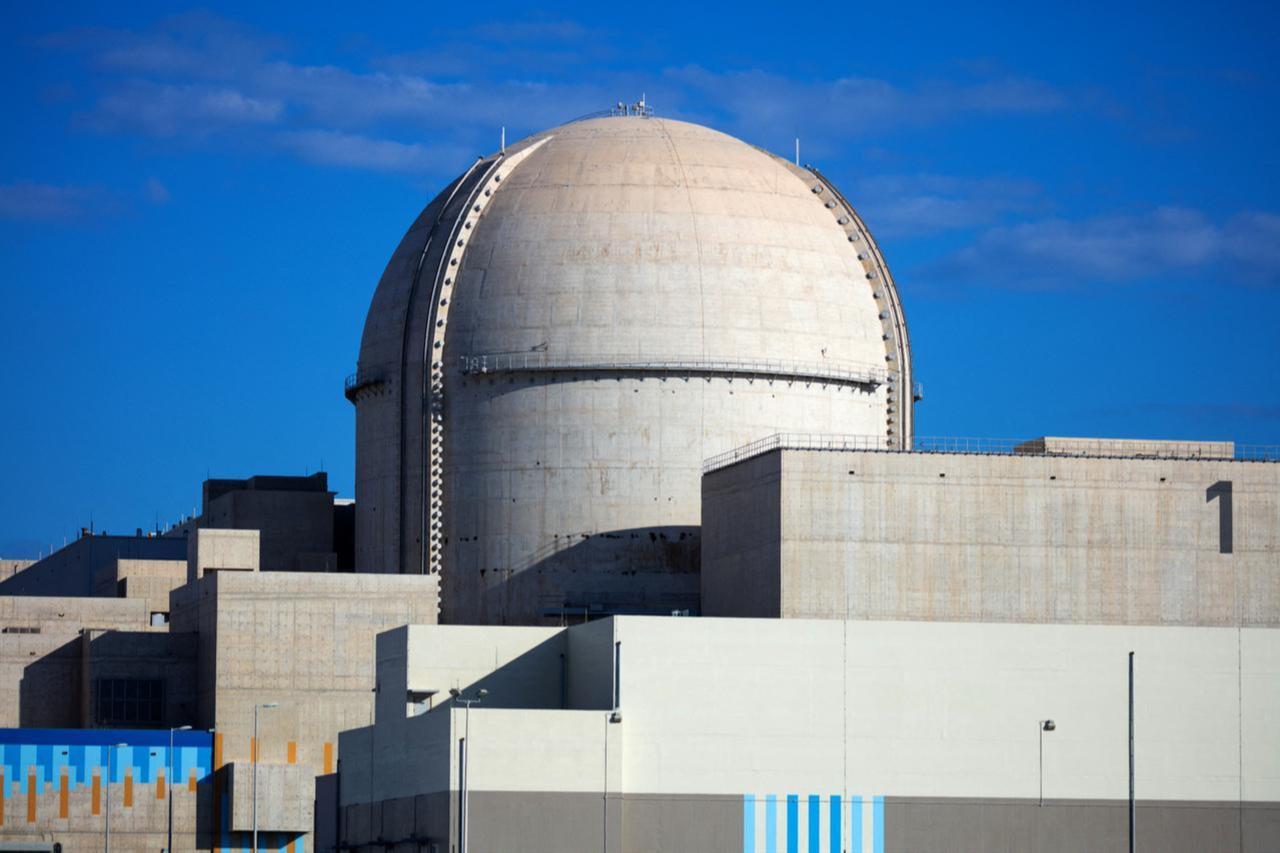


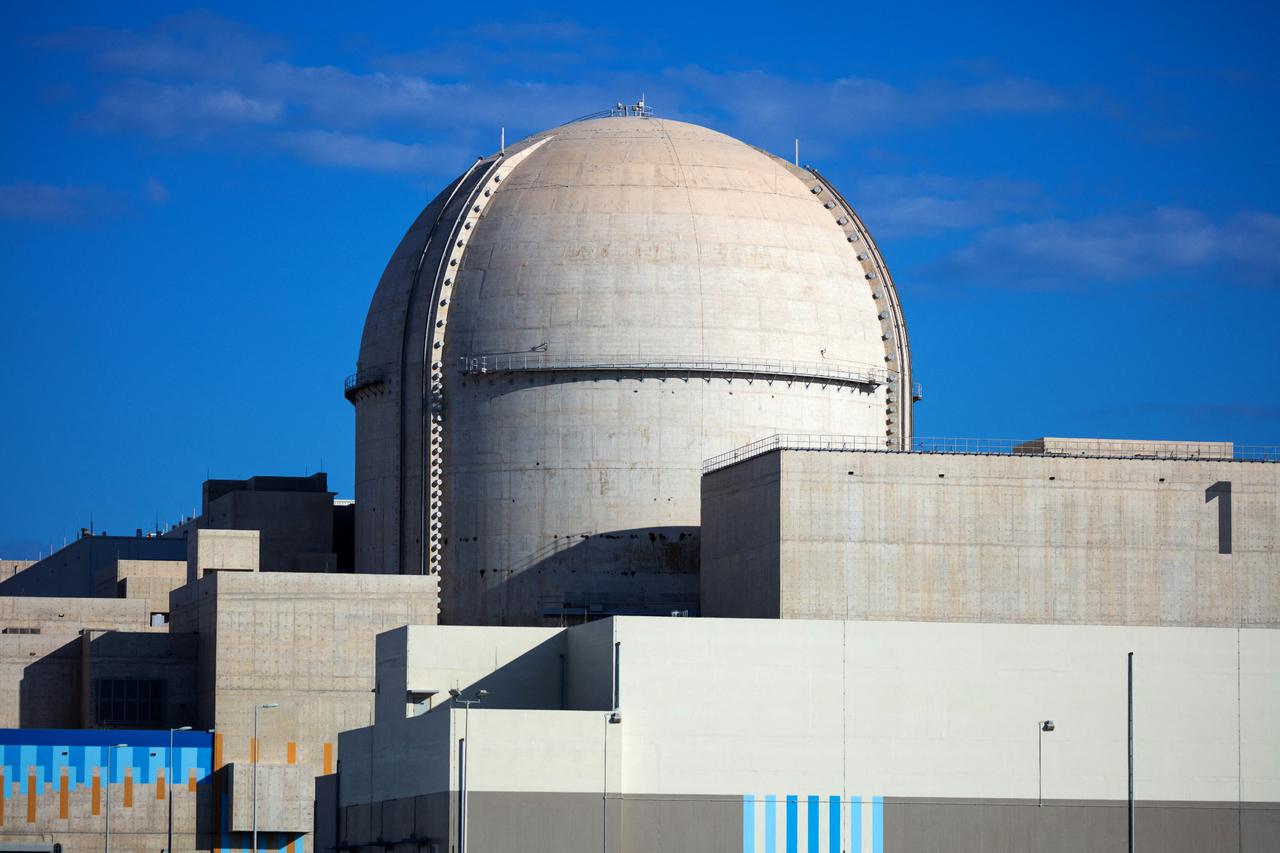
The United Nations nuclear watchdog confirmed Monday that external electricity had been restored to a reactor unit at the United Arab Emirates' Barakah Nuclear Power Plant, a day after a drone strike ignited a fire near the facility and forced it to rely on emergency backup generators.
The International Atomic Energy Agency said it had been notified by UAE authorities that offsite power to Unit 3 was back online following the incident, which occurred Sunday when three drones entered the country from the western border.
UAE defense officials said air defense systems successfully intercepted two of the three drones, but a third struck an electrical generator located outside the inner perimeter of the Barakah plant in the Al Dhafra region. Emirati authorities described the incident as an "unprovoked terrorist attack." No injuries were reported, and officials confirmed there was no effect on radiological safety levels or risk to the public and environment. The Federal Authority for Nuclear Regulation said all units continued operating normally throughout.
The IAEA said IAEA Director General Rafael Mariano Grossi welcomed the restoration of external electricity as "an important step for nuclear safety," noting the reactor no longer required emergency diesel generators for power. Grossi reiterated that nuclear sites and other installations important for nuclear safety must never be targeted by military activity.
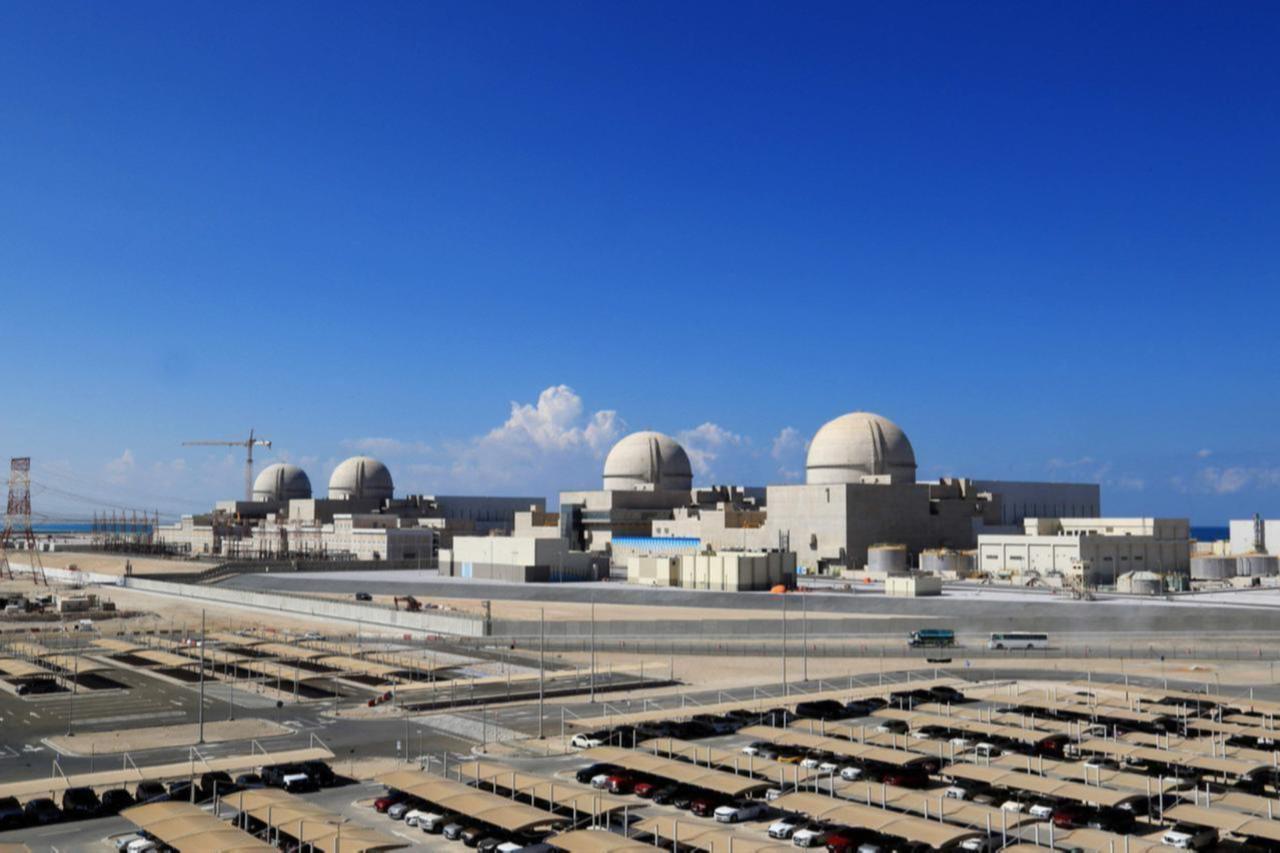
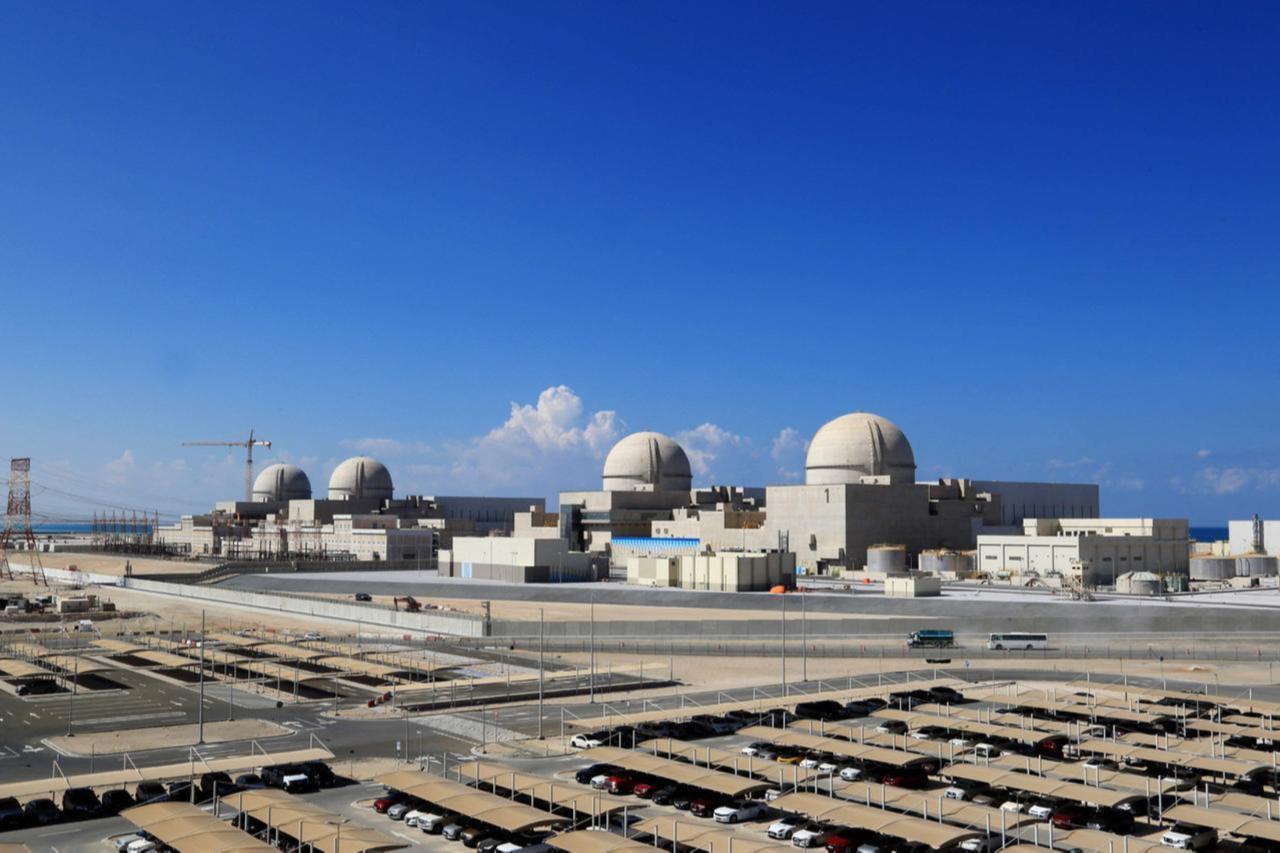
Barakah, located roughly 225 kilometers west of Abu Dhabi near the Saudi border, is the first and only nuclear power plant on the Arabian Peninsula. Built with South Korean assistance at a cost of around $20 billion, the four-reactor facility came online in 2020 and supplies approximately a quarter of the UAE's electricity. Sunday's drone strike marked the first time the plant had been targeted in the current conflict.
The UAE has not publicly attributed responsibility for the attack and said an investigation into the source of the drones was underway. Sources cited by regional media suggested the strike was intended as a warning, signaling that the facility itself could be targeted in a future escalation.
The incident comes against a backdrop of intensifying hostilities in the Gulf. The UAE and other Gulf states have faced a series of missile and drone attacks since a broader regional conflict erupted in late February. A conditional ceasefire brokered between the United States and Iran in early April halted hostilities for several weeks, but strikes on the Emirates resumed this month. Just last week, Emirati officials accused Iran of launching missiles and drones at the port city of Fujairah, wounding three Indian nationals and sparking a fire at an oil facility there.
The IAEA chief had earlier expressed grave concern about Sunday's strike and called for maximum military restraint near any nuclear power plant to prevent the danger of a nuclear accident, describing such targeting as unacceptable.


 Set as preferred source
 Set as preferred source


 1 min read
 1 min read