Newsletters


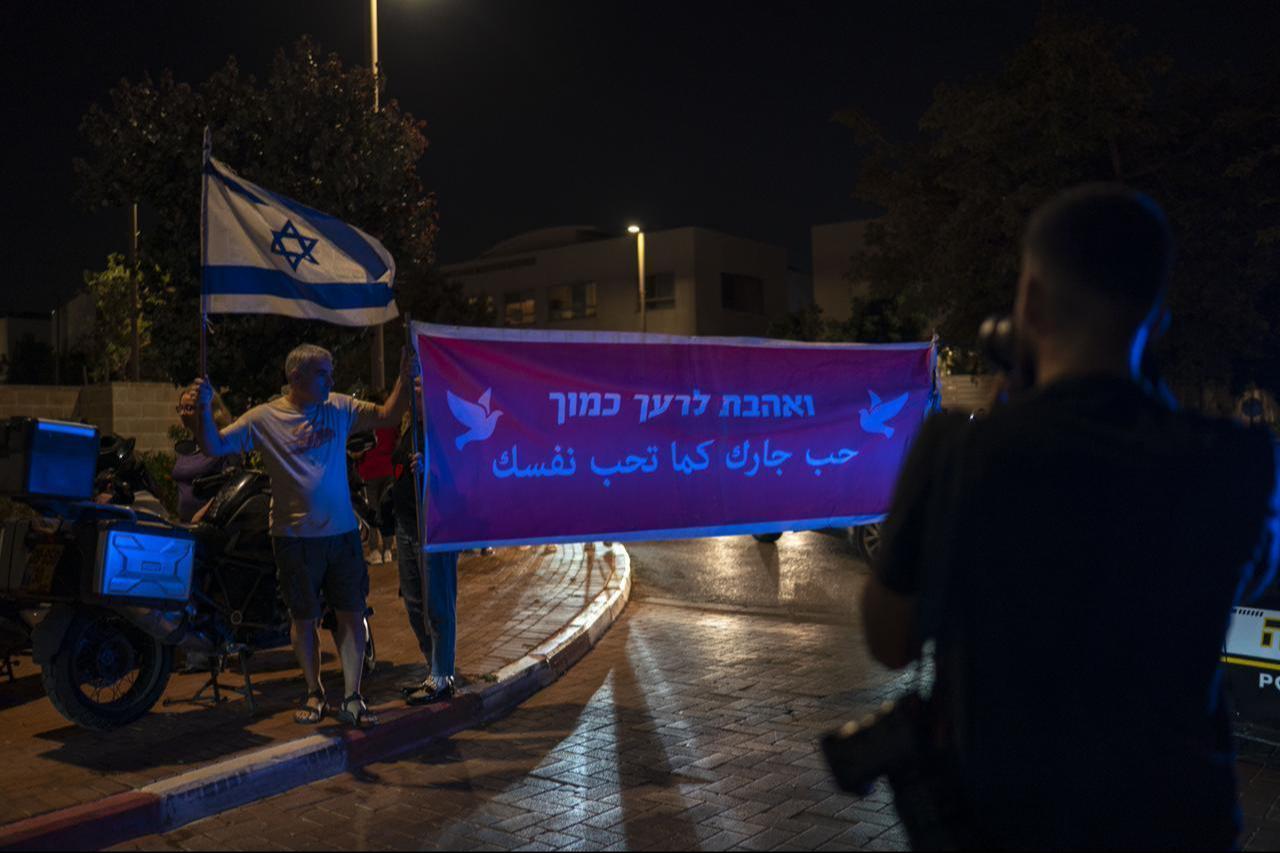
About 200 people demonstrated Thursday outside the home of Yashar party leader Gadi Eisenkot, urging him to form a government backed by Arab parties to replace Prime Minister Benjamin Netanyahu.
The protest came as the final count left Eisenkot’s four-party bloc with 48 seats, short of the 61 needed for a majority without the 19 seats won by Arab parties, while Netanyahu’s bloc had 53.
Protesters chanted "The people have decided–Jewish-Arab partnership" and "Jews and Arabs refuse to be enemies."
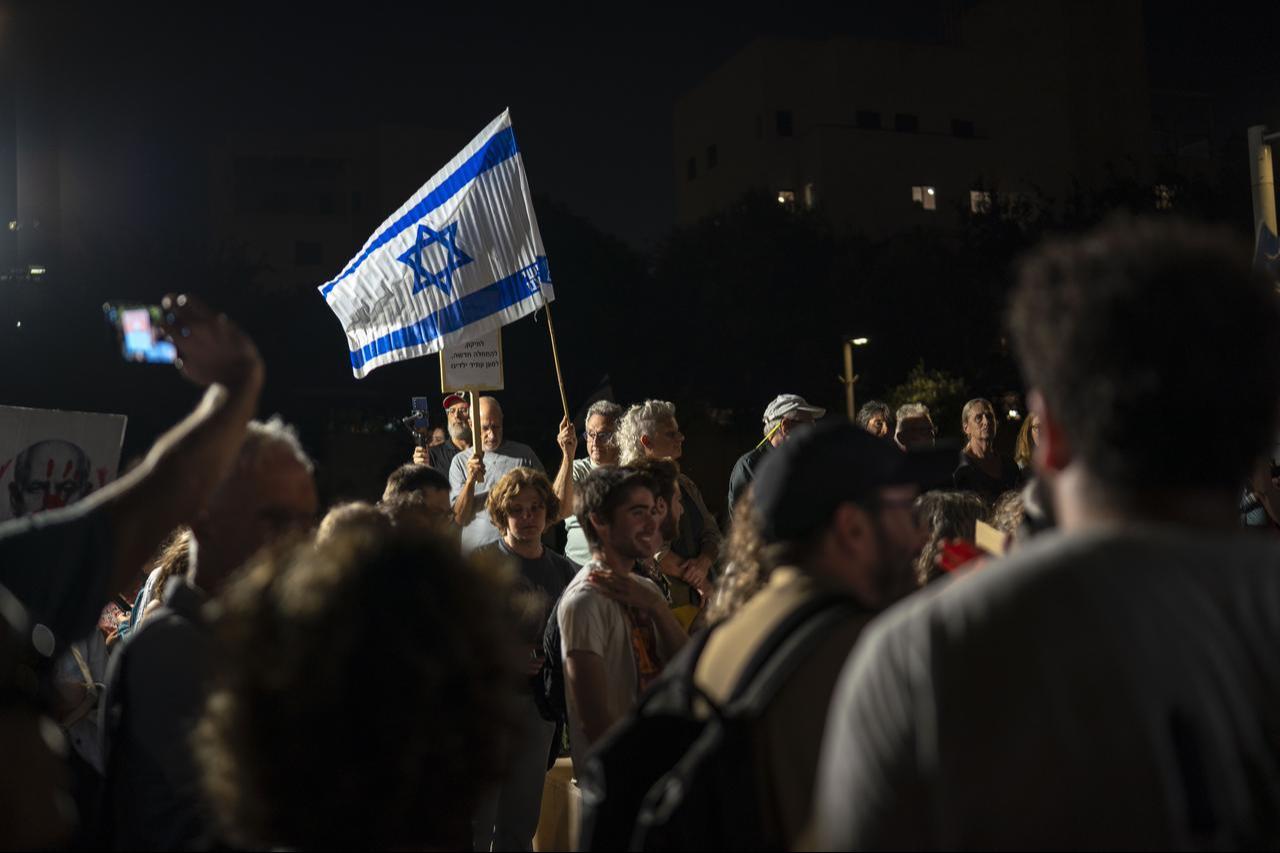
Similar demonstrations were held at Paris Square in Jerusalem and UNESCO Square in Haifa, following rallies Wednesday in Tel Aviv, Jerusalem and Haifa.
Another rally is planned at Habima Square in Tel Aviv on Saturday night.

Nearly 50,000 Israelis joined a campaign by civic movement Zazim calling for a government supported by Arab parties, nearly half after the results were announced, according to the group.
"Public support for Jewish-Arab political cooperation is much greater than the political debate suggests," said Zazim CEO Raluca Ganea. "Likud itself previously held coalition negotiations with the United Arab List, an Arab party."
"Arab citizens’ votes carry the same weight as those of every other Israeli citizen. Arab parties must be treated as legitimate political partners," Ganea said.
United Arab List leader Mansour Abbas and Democrats leader Yair Golan discussed "ways to build a partnership" Thursday, while Joint List leader Yousef Jabareen said he was ready to "pave the way" to replace Netanyahu.
The Central Elections Committee completed the count Thursday.
Arab parties won about 835,000 votes, up more than 63% from about 511,000 in 2022, rising from 10 seats to 19, the most in Israel’s history. Sakhnin recorded the country’s highest turnout at 86.4%.
Netanyahu’s bloc lost 11 seats compared with the previous election despite gaining about 83,000 votes, as overall turnout surged. Likud’s share fell from 23.41% in 2022 to 20.51%, while Shas dropped from 11 seats to 6.
Eisenkot’s bloc won about 2,141,700 votes, up more than 17% from 2022, and for the first time no party in the bloc fell below the threshold.
Arab citizens make up roughly 20% of Israel’s population but have generally been excluded from governing coalitions, as pressure grows on Eisenkot to decide.


 Set as preferred source
 Set as preferred source


 3 min read