Newsletters


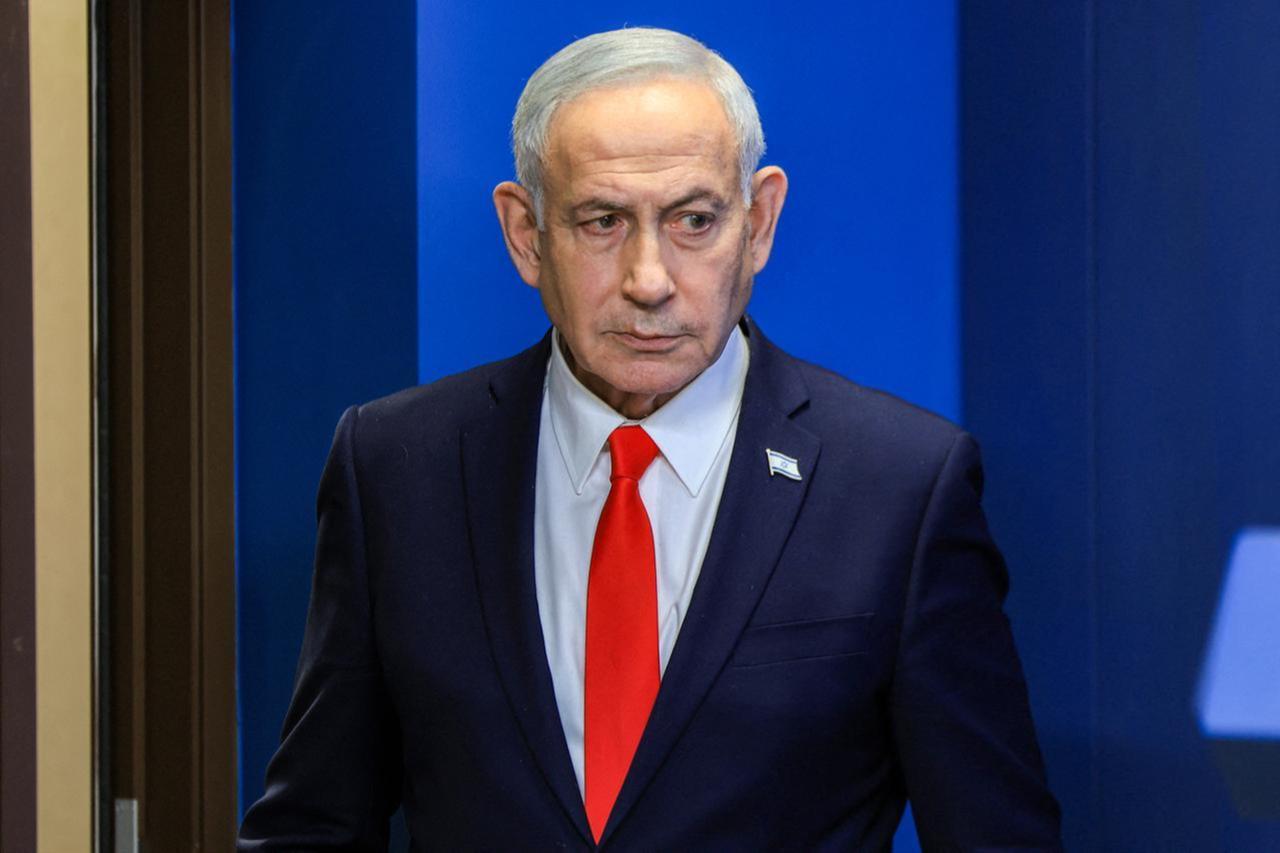


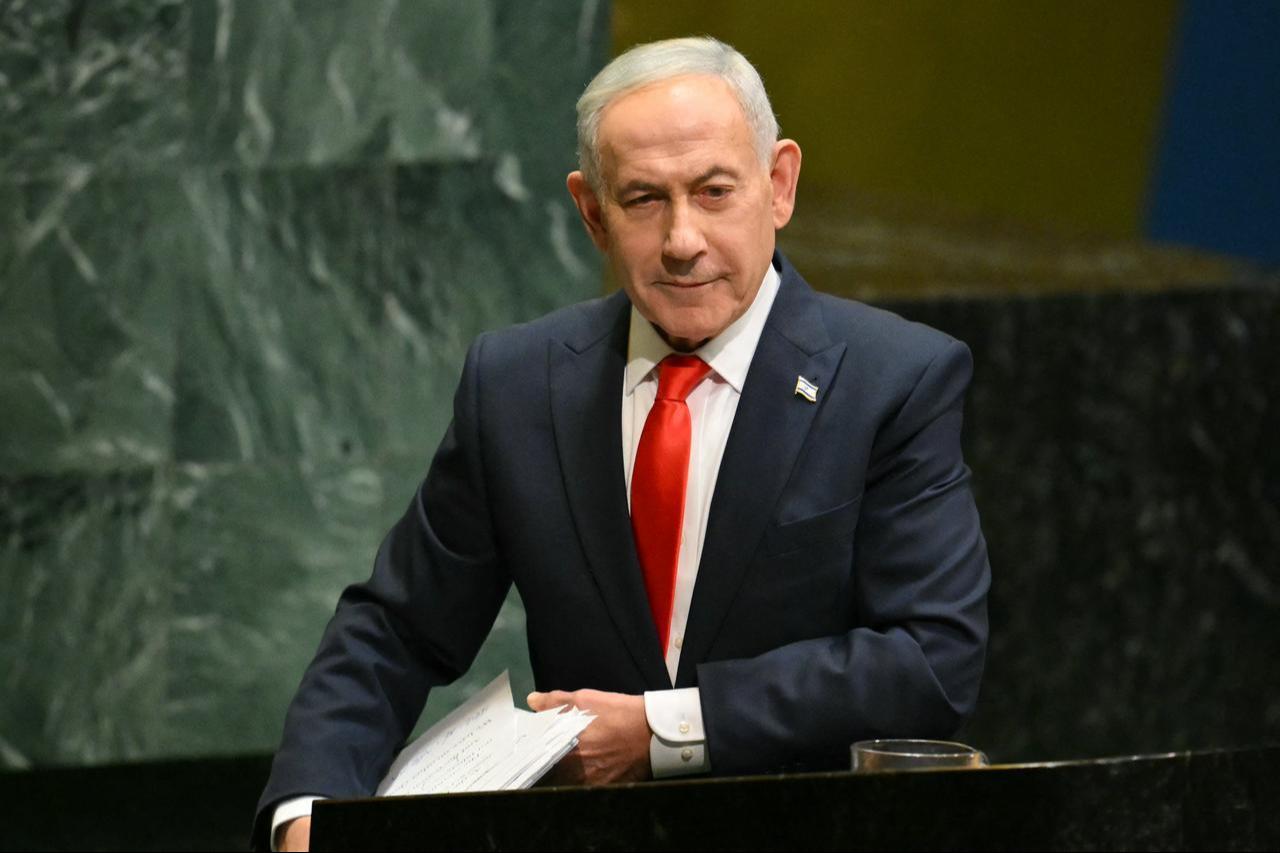
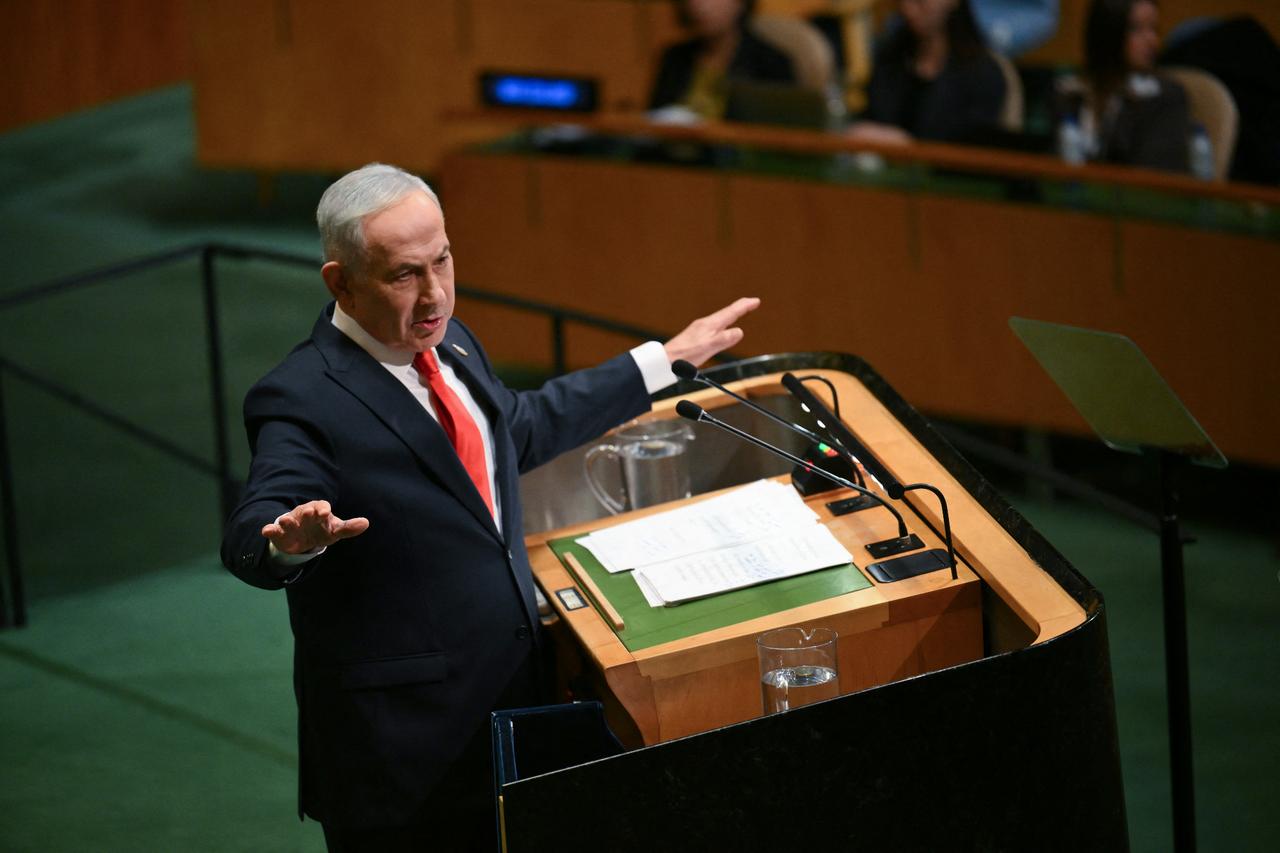
Qatari Prime Minister and Foreign Minister Sheikh Mohammed bin Abdulrahman Al Thani called Israeli Prime Minister Benjamin Netanyahu a “war criminal” Tuesday, while saying Doha would continue prioritizing diplomacy and mediation despite regional tensions.
Speaking in an interview with British journalist Piers Morgan on “Piers Morgan Uncensored,” Sheikh Mohammed said he held Netanyahu responsible for what he described as war crimes committed in Gaza.
“Of course. What’s been committed in Gaza is war crimes, and whoever is responsible for this is a war criminal,” he said.
“Hospitals have been targeted, schools have been targeted. Whatever the justifications and the arguments, nothing is justifying this,” he added.
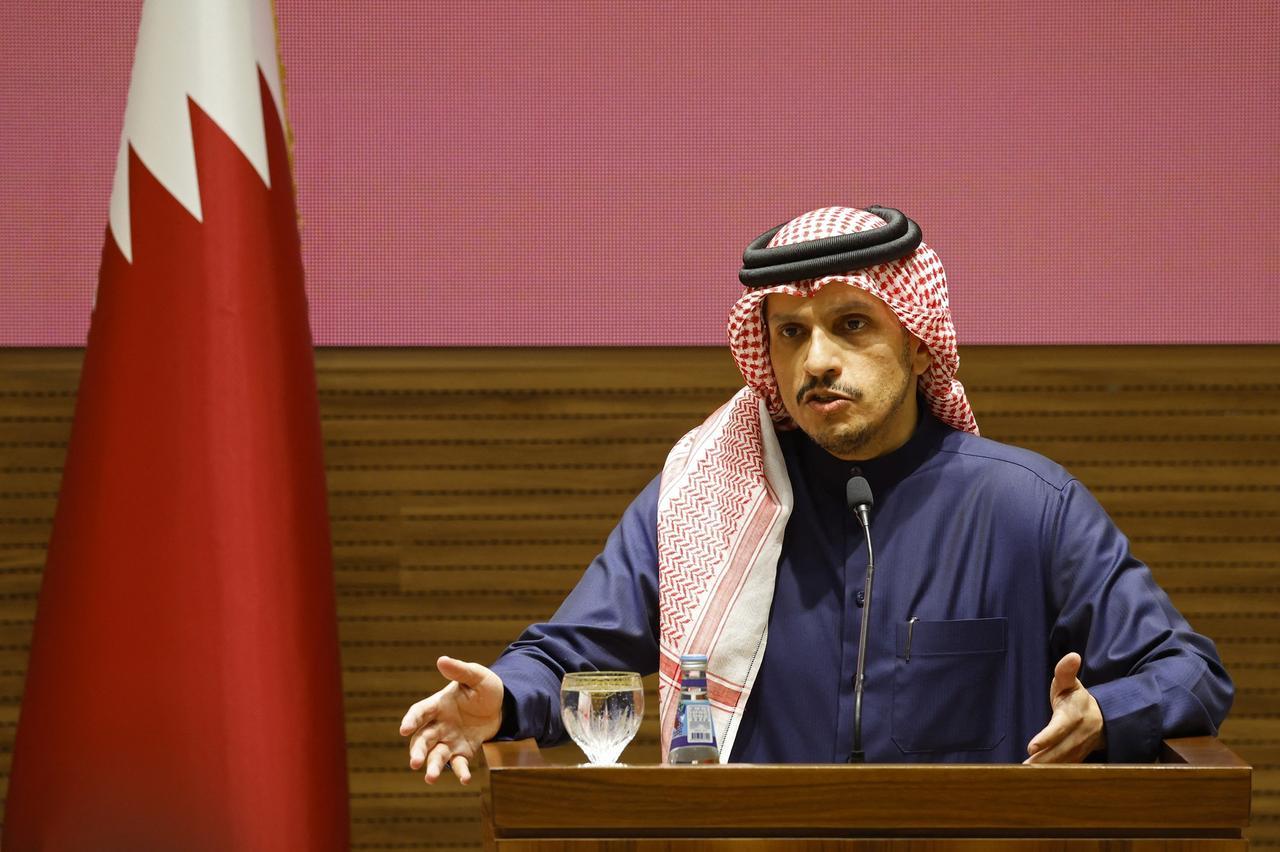

Sheikh Mohammed accused Netanyahu of attacking Qatar politically to deflect attention from the actions of himself and his government.
He also renewed his condemnation of Israel’s Sept. 9, 2025, strike on Doha, which targeted Hamas officials while Qatar was involved in mediation efforts.
The attack killed five Hamas members and a Qatari security officer.
“We were attacked by Israel while we were mediating,” Sheikh Mohammed said, describing an attack on a mediator as a dangerous precedent.
“Netanyahu has crossed the line like he has crossed other lines before that,” he added.
Despite the tensions, Sheikh Mohammed said Qatar would continue its mediation role and pursue diplomatic solutions.
He said Doha was coordinating with the U.S. administration and Iran in efforts to reach an agreement, arguing that diplomacy conducted behind closed doors remained the most effective path toward progress.
“We are trying to do our best to give the best advice to the U.S. government on how to reach a solution, as well as to the Iranians,” he said.
Earlier Tuesday, Qatari Foreign Ministry spokesman Majed Al-Ansari said Doha was continuing its mediation efforts and carrying messages between the U.S. and Iran.
He said Qatar remained concerned about further military escalation and was seeking a peaceful solution.
Sheikh Mohammed said three major issues needed to be resolved to reduce tensions across the region.
The first, he said, was reaching a nuclear agreement that satisfied both the U.S. and the International Atomic Energy Agency while guaranteeing Iran’s right to peaceful nuclear energy and providing sanctions relief.
The second was ensuring freedom of navigation through the Strait of Hormuz, with any agreement governed by international law.
The third was improving regional security arrangements involving Iran and Gulf Cooperation Council countries.
Sheikh Mohammed said such a framework should be based on dialogue, non-interference, and non-aggression, alongside greater economic cooperation.


 Set as preferred source
 Set as preferred source


 1 min read
 1 min read