Newsletters


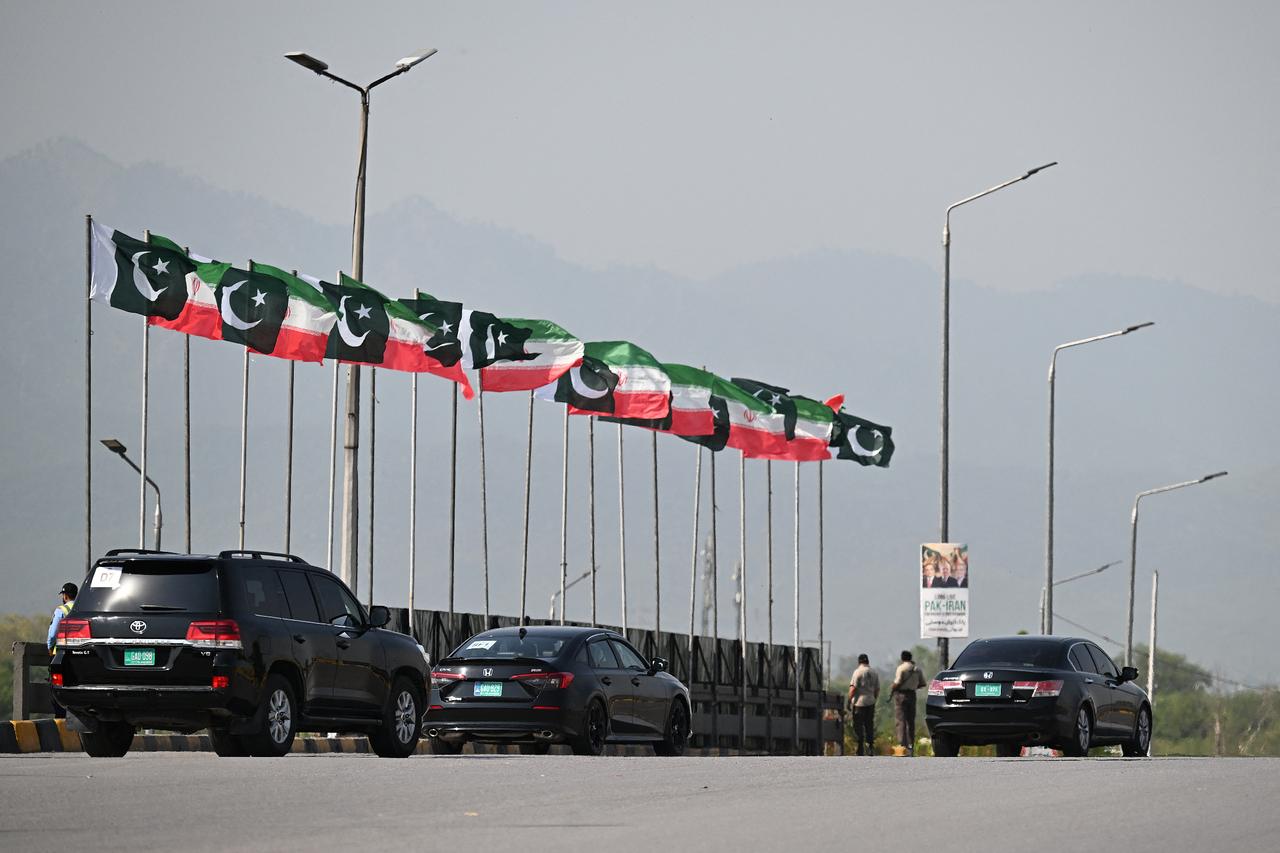


Regional mediators are trying to ease escalating tensions between the United States and Iran while pushing for further negotiations on a nuclear deal, Axios reported early Friday, citing multiple sources.
Two sources from mediating countries and a U.S. official told Axios that regional governments have been working to defuse tensions between Washington and Tehran.
According to the outlet, Qatari, Pakistani, Turkish, Egyptian, and Saudi officials held multiple phone calls with both U.S. and Iranian officials on Wednesday in an effort to calm the situation.
"There are extensive diplomatic efforts to first agree with both sides on de-escalation and then set a date for another round of negotiations between the technical teams," one regional source involved in the mediation told Axios.
Iran's Foreign Minister Abbas Araghchi told Pakistani military commander Field Marshal Asim Munir that the U.S. attacks and rhetoric violated the memorandum of understanding (MoU), according to a statement on Araghchi's Telegram channel.
A regional source from one of the mediating countries told Axios that mediators believe the recent Iranian attacks in the Strait of Hormuz were carried out by elements within the Iranian regime opposed to the U.S.-Iran MoU, who sought to undermine it.
According to Axios, the mediators believe that despite the recent escalation, the two sides had made progress toward a nuclear deal in earlier rounds of talks, and want to prevent the MoU from collapsing entirely.
President Trump announced Wednesday that the U.S.-Iran MoU and ceasefire were "over" and ordered two rounds of airstrikes. He remains focused on reopening the Strait of Hormuz and still wants to avoid a return to full-scale war with Iran.
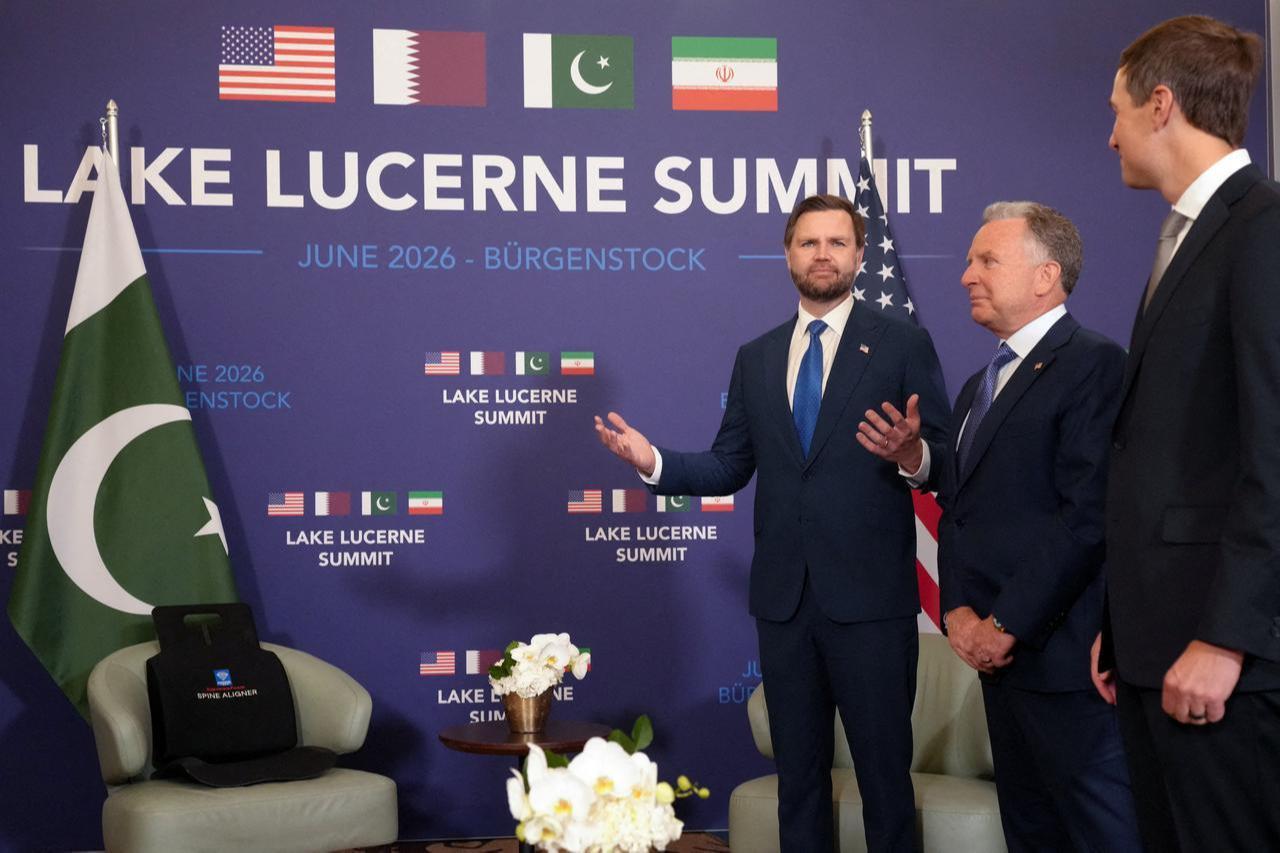

Iran and the U.S. exchanged attacks over the previous two days amid an escalation that followed Iranian attacks on three commercial vessels in the Strait of Hormuz, with Tehran launching strikes Thursday on U.S. military infrastructure in Bahrain, Kuwait, Qatar and Jordan in retaliation for a second consecutive night of U.S. attacks.
According to Axios, Thursday was markedly calmer than the two previous days: despite reports in some Iranian media of explosions in southern Iran, U.S. officials said the U.S. military did not conduct any new strikes that day, with one official attributing the pause to the de-escalation efforts.
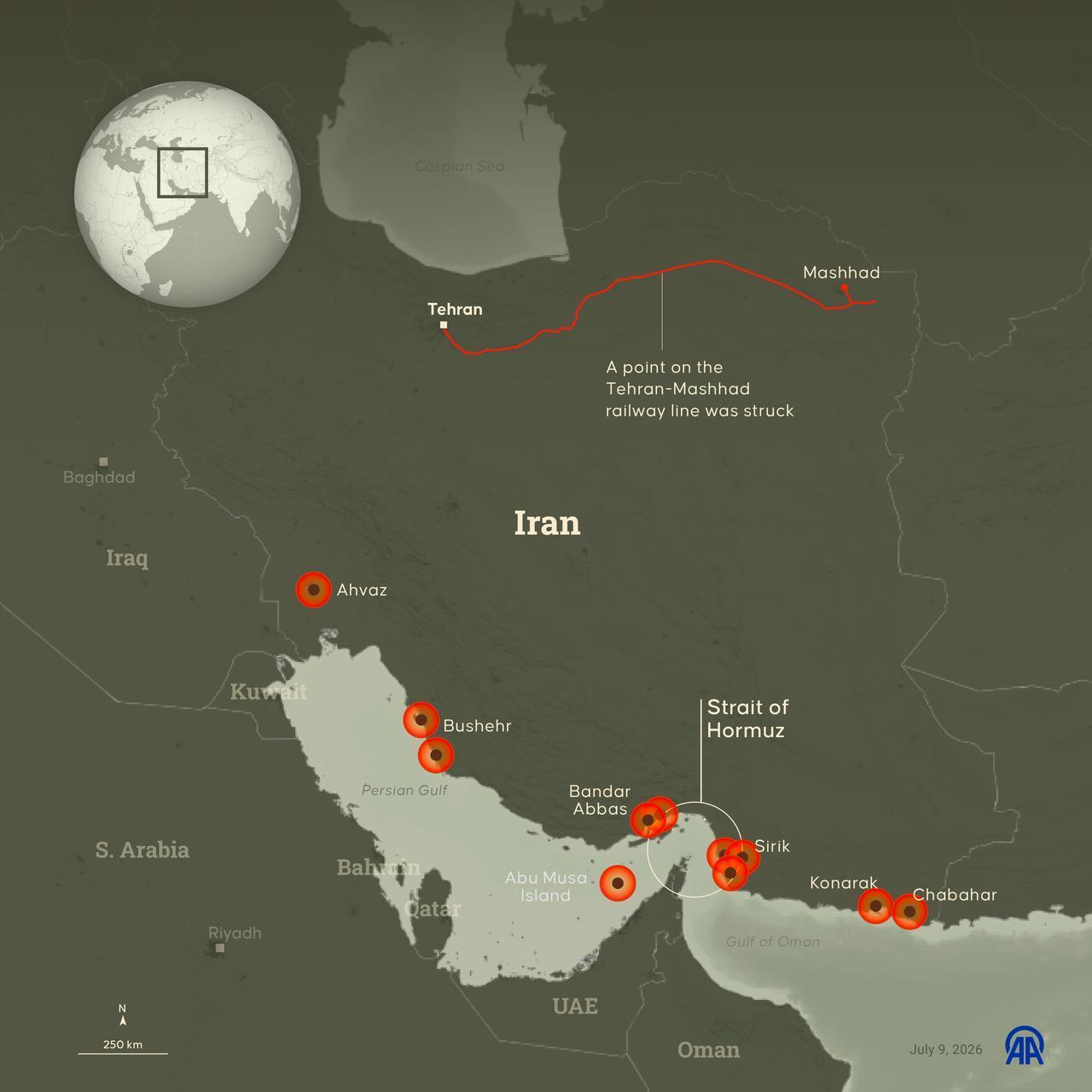
Axios reported that Trump held a meeting on Thursday afternoon with his top national security team on the tensions with Iran and next steps.
Following the meeting, a U.S. official said the administration remained "committed to finding a resolution, and technical-level talks continue" toward a nuclear deal.
"President Trump made his feelings very clear yesterday in no uncertain terms. Iran's attacks on these innocent vessels are acts of terrorism.
The MoU is performance-based, and Iran's actions constitute failed performance at an unacceptable level," the U.S. official told Axios.


 Set as preferred source
 Set as preferred source



 3 min read