Newsletters


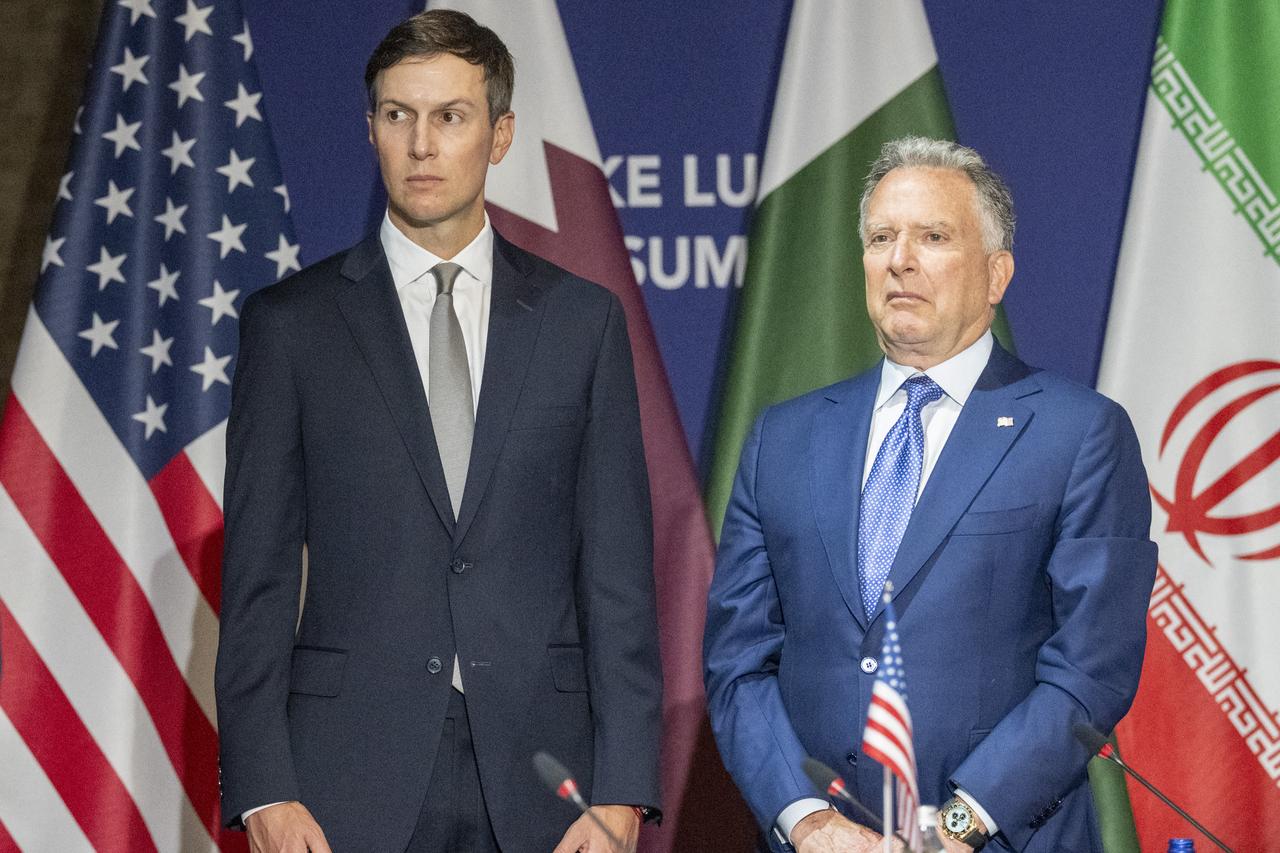


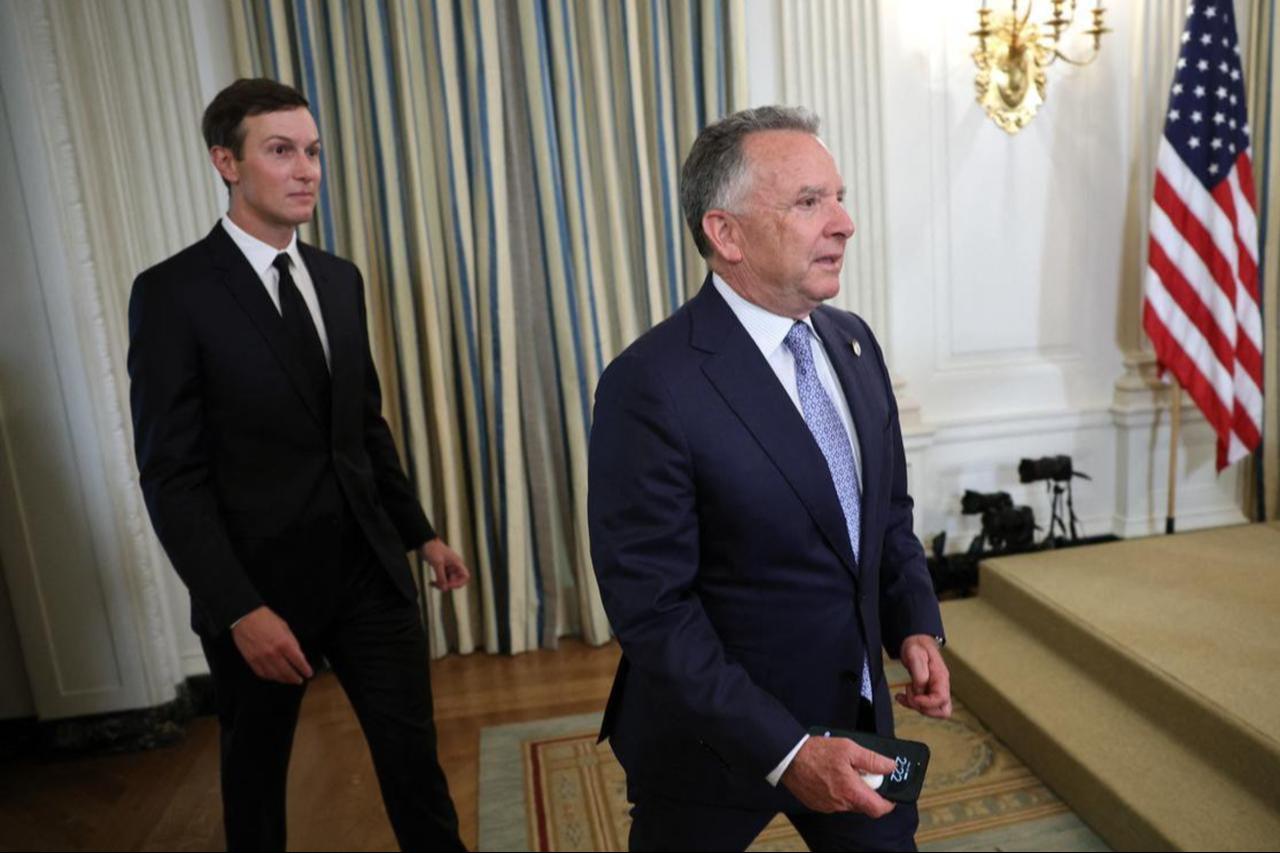
U.S. special envoy Steve Witkoff and President Donald Trump's son-in-law Jared Kushner arrived in Doha on Tuesday to meet with mediators and discuss the course of negotiations with Iran, Qatar's Foreign Ministry said.
Qatari Foreign Ministry spokesman Majed al-Ansari said there was currently no high-level meeting scheduled between the U.S. and Iran in the Qatari capital, according to Anadolu Agency.
"There is no high-level meeting currently scheduled between the U.S. and Iran," Ansari said in remarks carried by Qatari media.
He said Witkoff and Kushner would meet mediators to evaluate the course of negotiations but would not hold direct talks with Iranian officials.
Witkoff and Kushner "will not meet directly" with Iranian officials, he said.

Ansari made the remarks at a news conference in Doha, where he assessed recent regional developments and diplomatic negotiations between the U.S. and Iran.
He said technical-level talks between Washington and Tehran had not been interrupted.
"Technical meetings continue in different formats and will continue," Ansari said.
"Despite the recent tensions, these contacts have not stopped. Mediating countries continue their work to facilitate communication between the parties and advance the negotiation process," he added.
Ansari said the negotiations were not limited to Iran's nuclear program, with the parties also discussing several other issues, especially Iranian frozen assets.
Ansari said $6 billion of $12 billion in frozen Iranian funds had not yet been transferred to Tehran.
The release of the funds depends on an agreement between Washington and Tehran, he said.
Ansari added that any breakthrough regarding the frozen funds depends on the status of U.S.-Iran negotiations.
"This money's release depends on an agreement to be reached between Washington and Tehran," he said.
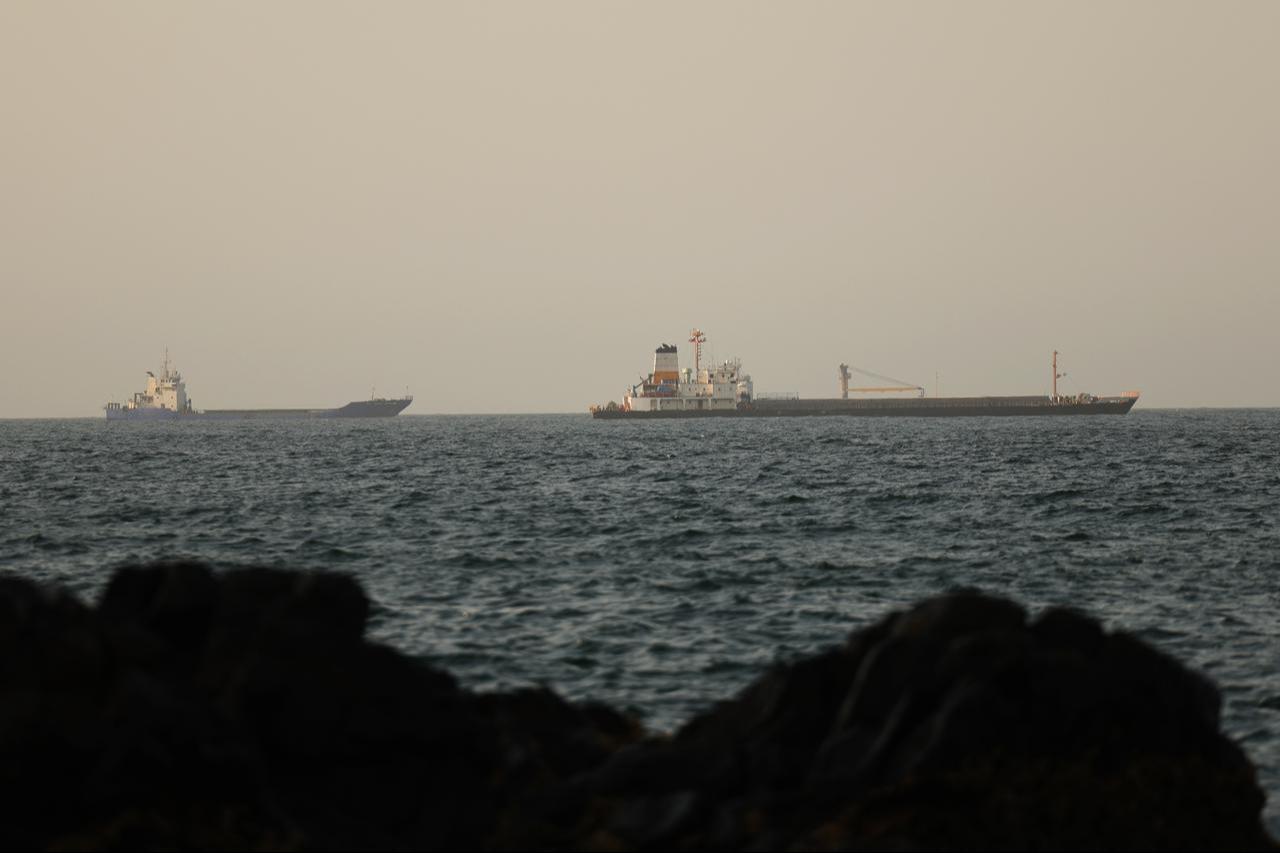
Ansari said Qatar wants to ensure the safety of maritime traffic in the Strait of Hormuz and that Doha was working in coordination with Oman on the issue.
"Our priority is ensuring safe passage in the Strait of Hormuz and clearing mines laid in the region," he said.
He stressed that the freedom of navigation was an indispensable right of all Gulf countries and that closing the Strait of Hormuz or blocking maritime traffic by any party was unacceptable.
Ansari said a direct communication line had been activated during the latest tensions in the strait to prevent the conflict from expanding, adding that the mechanism helped bring the latest incidents under control.
He also welcomed France's support for mine-clearing efforts in the Strait of Hormuz, saying the contribution was important for international maritime security.
Ansari said the crisis in the Strait of Hormuz concerned not only regional countries but also global trade and energy security, and therefore required an international solution.
He said Qatar was focused not only on a U.S.-Iran agreement, but also on restoring navigation security in the Strait of Hormuz and maintaining the ceasefire.


 Set as preferred source
 Set as preferred source


 1 min read
 1 min read