Newsletters


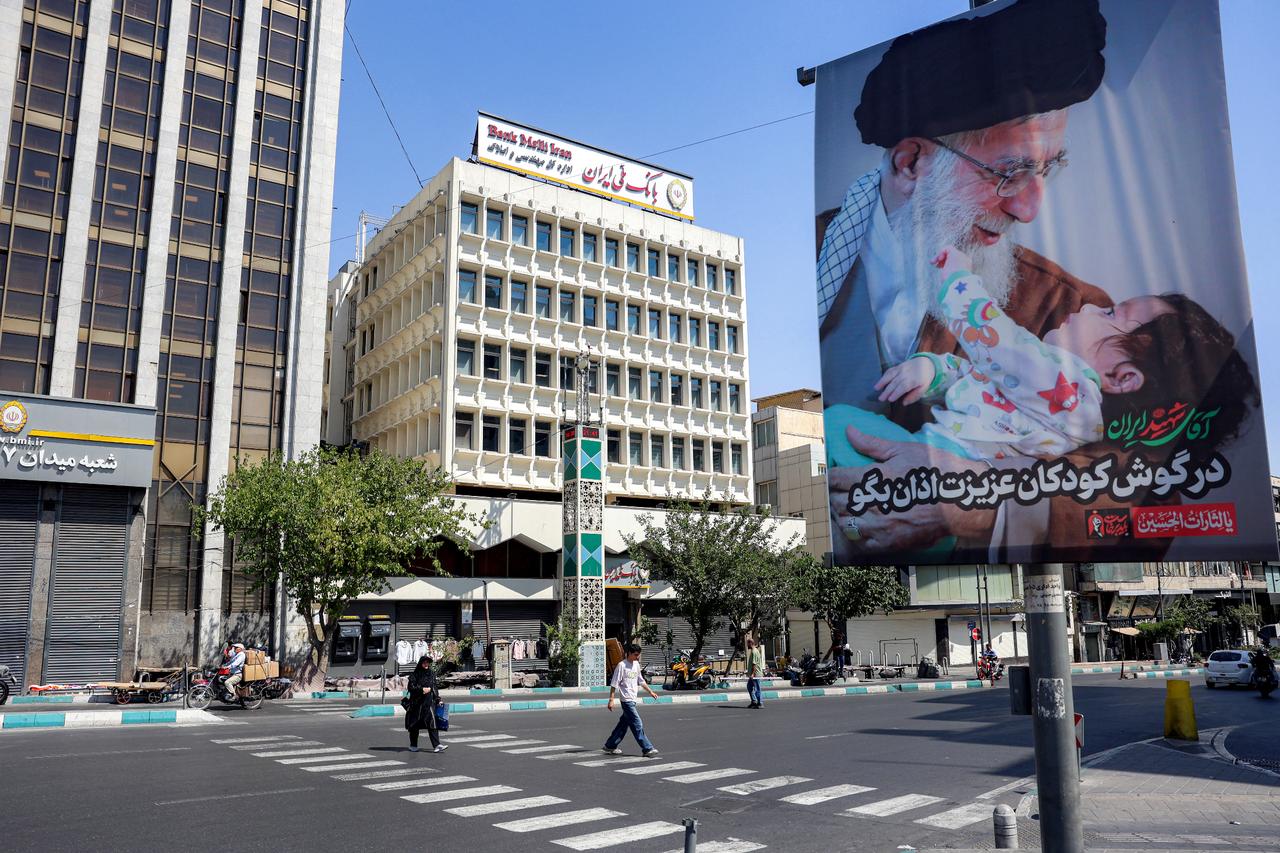


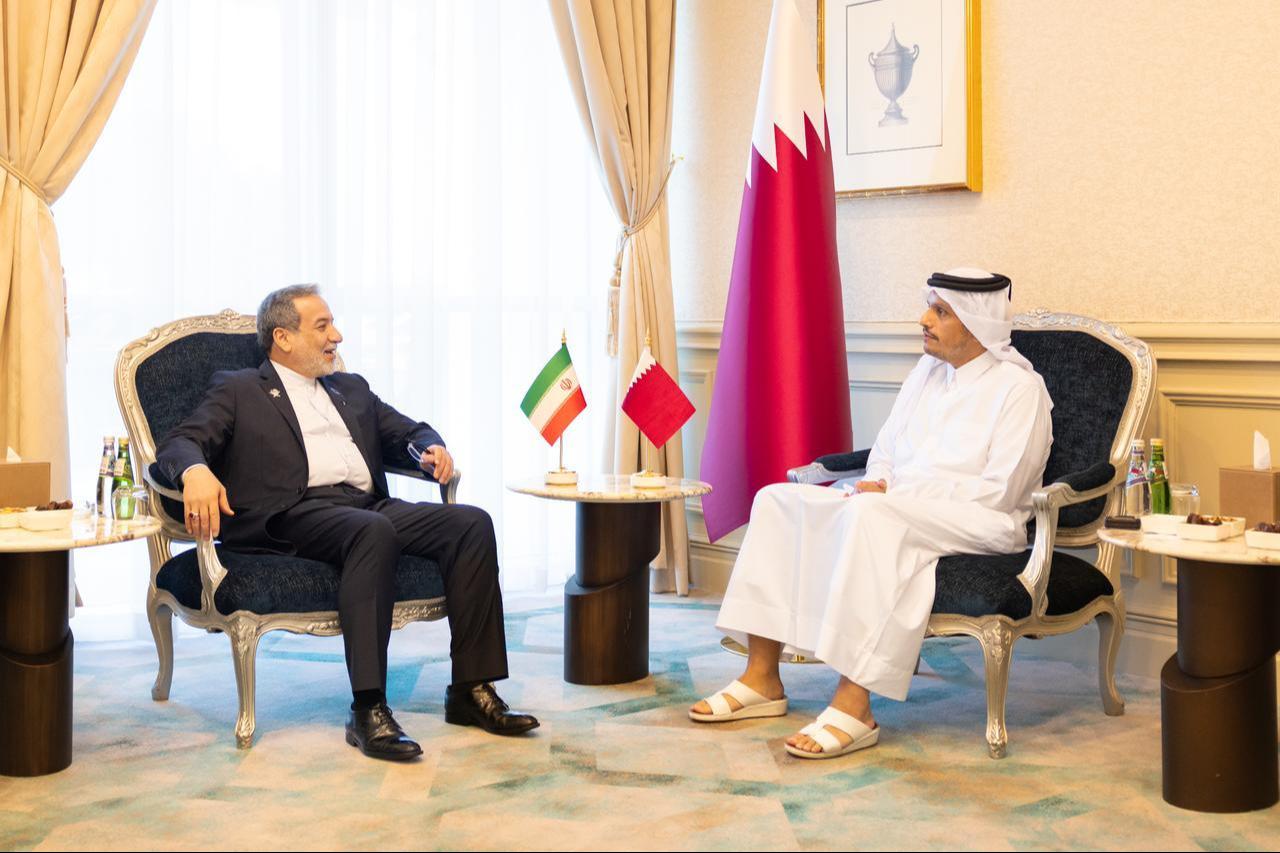
Iran is set to hold talks with mediator Qatar on Wednesday over the release of its frozen assets, while rejecting reports that a direct meeting with the United States is scheduled in Doha.
Foreign Ministry spokesperson Esmaeil Baqaei told a weekly news briefing that the discussions would center on implementing parts of the memorandum of understanding reached between Tehran and Washington, including provisions covering Iran's restricted funds.
"What is expected to take place in Doha, probably tomorrow, will be discussions regarding the implementation of provisions of the memorandum of understanding, including the provision concerning the release of Iran's restricted assets, and these discussions will be held with the Qatari side," he said.
The release of frozen assets remains one of the key conditions Iran has attached to any lasting agreement with the United States aimed at ending the Middle East conflict.
Under the memorandum already signed, Washington committed to eventually lifting all sanctions on Tehran and making Iran's frozen or restricted funds fully available for use. Iran has faced sweeping U.S. and Western sanctions since the 1979 revolution.
Qatari Foreign Ministry spokesperson Majid al-Ansari also pushed back against reports of a high-level U.S-Iran meeting in Doha, telling reporters that no such talks are currently planned.
He noted that technical-level discussions between the two sides have continued despite recent regional tensions.
"Technical meetings continue in different formats and will continue. Despite recent tensions, these contacts have never stopped. Mediator countries continue working to facilitate communication between the parties and move the negotiation process forward," Ansari said.
"The release of this money depends on an agreement to be reached between Washington and Tehran," he said.

Ansari also stressed that keeping the Strait of Hormuz open remains a priority for Qatar, adding that Doha is coordinating with Oman to safeguard maritime traffic and clear mines from the waterway.
"Our priority is ensuring safe passage through the Strait of Hormuz and clearing the mines laid in the region," he said, calling any closure of the strait or obstruction of shipping unacceptable.
He added that a direct communication channel activated during the recent crisis helped prevent the conflict from escalating and welcomed France's support for mine-clearing efforts.
The comments came after the Strait of Hormuz became a flashpoint during the recent exchange of attacks between Iran and the United States, raising concerns over maritime security and the future of their diplomatic efforts.
After Iran launched a drone strike on a commercial cargo ship transiting the strategic waterway, the U.S. military struck Iranian missile, drone and coastal radar sites. Tehran then retaliated with attacks on U.S.-linked targets across the region, accusing Washington of breaching the memorandum of understanding.
Baqaei warned that Iran would respond to any future U.S. violation of the agreement.
"We will not leave any action unanswered. As Iran's powerful armed forces have demonstrated, any act of aggression against the objectives of the Islamic Republic of Iran will be met with an immediate and decisive response," he said.


 Set as preferred source
 Set as preferred source


 1 min read
 1 min read