Newsletters


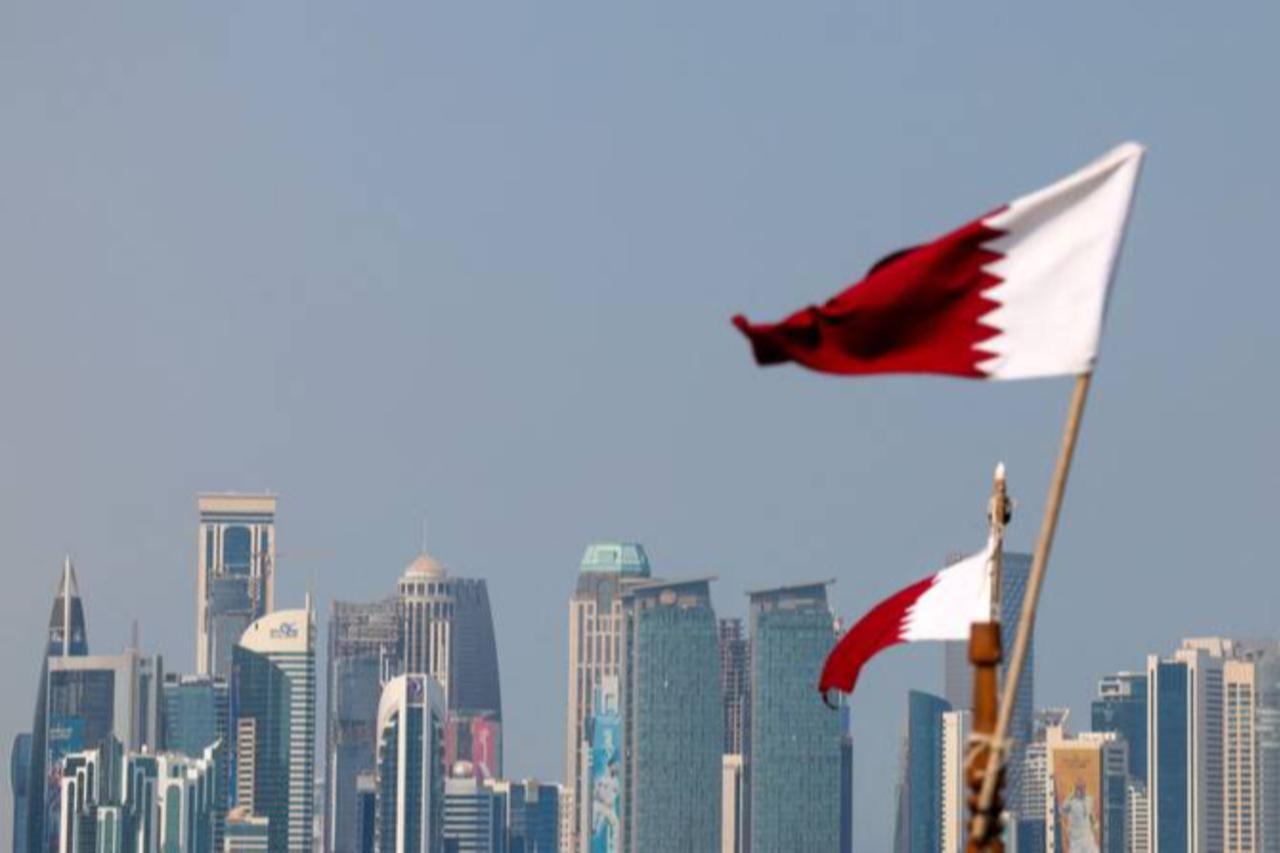


Qatar is preparing to announce a new regional defense partnership as threats to Gulf security intensify, with the country's deputy prime minister warning Monday that the economic fallout from disruptions to regional energy supplies has yet to reach its peak.
Speaking at the Global Security Forum in Doha, Deputy Prime Minister and Minister of State for Defense Affairs Sheikh Saoud bin Abdulrahman al-Thani said Qatar was working with regional partners on new defense initiatives, according to Al Jazeera.
"I'm happy to say that soon we're going to announce a new partnership," Sheikh Saoudsaid.
He did not identify the countries expected to participate in the initiative or specify when it would be announced.
Sheikh Saoudsaid Qatar had recently reviewed its defense capabilities and identified air defense, counter-drone systems, cybersecurity and water security as key priorities.
He also emphasized the importance of cooperation among Gulf Cooperation Council (GCC) member states while acknowledging their differing foreign policies.
"The main thing is we agree on the fundamental together," he said, adding that "every country has its own foreign policy."
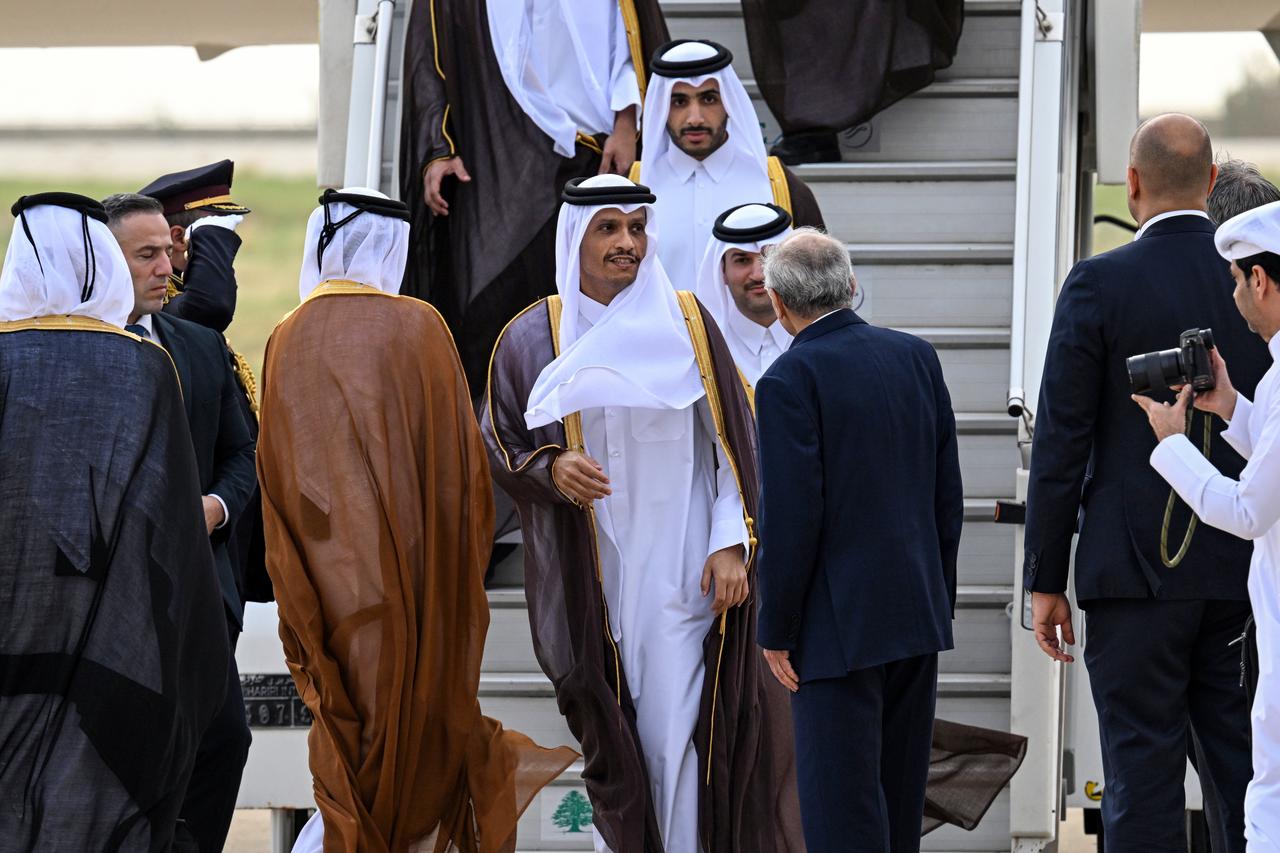

Sheikh Saoudwarned that the economic repercussions of disruptions to Gulf energy supplies could become more severe in the coming months.
"We haven't reached the peak with respect to energy," he said, warning of further consequences "in the coming days and months."
He identified threats to national sovereignty, disruptions to energy supplies and the spillover of regional conflicts as major challenges facing Qatar and neighboring Gulf states.
His remarks came months after Iranian attacks in March damaged Qatar's Ras Laffan industrial complex, one of the world's major liquefied natural gas (LNG) production hubs.
Sheikh Saoudstressed that instability in the Gulf could have consequences far beyond the region because of its central role in international energy markets and trade.
He warned that disruptions could affect the "chain of supply from east to west and also from west to east."
The deputy prime minister added that worsening regional insecurity could also affect Gulf investments in Europe and the United States, as well as financial assistance provided by Gulf countries to other nations.
Sheikh Saoudcredited cooperation with the United States for strengthening the Gulf's defensive capabilities.
He said decades of military investment, shared expertise and coordination had improved the ability of regional countries to intercept incoming threats.
According to Sheikh Saoud, "more than 90 percent of attacks" during the conflict had been prevented through those capabilities.
He presented the figure as evidence of the importance of sustained defense cooperation between Gulf countries and Washington.
The planned regional partnership would come as Qatar seeks to reinforce its military preparedness against missile and drone threats while addressing vulnerabilities in critical infrastructure.
The remarks followed a meeting Thursday between Syrian Interior Minister Anas Khattab and his Qatari counterpart, Khalifa bin Hamad bin Khalifa Al Thani, in Damascus.
Khattab received the Qatari minister, who also heads Qatar's Internal Security Force, known as Lekhwiya, and his accompanying delegation at Tishreen Palace, according to Syria's Interior Ministry.
The meeting addressed "a number of issues and matters of mutual interest" and ways to "strengthen security cooperation and coordination between the two interior ministries in a manner that serves the interests of both countries and peoples and supports the foundations of security and stability," the ministry said.
The discussions reflected continuing efforts by Doha and Damascus to expand bilateral security cooperation.
The two interior ministers previously discussed security cooperation during a meeting in Doha on Sept. 4, 2025, according to the Qatar News Agency (QNA).
Khattab said at the time that the talks addressed "ways to strengthen joint cooperation, particularly in security fields of mutual interest."
During his visit to Qatar, the Syrian minister toured the headquarters of Lekhwiya and the National Command Center, where he was briefed on crisis management technologies and operational systems.
The visit also included discussions on strengthening security and administrative cooperation and exchanging expertise.
The renewed engagement with Syria comes as Qatar pursues broader regional defense arrangements and seeks to strengthen security coordination amid growing threats to Gulf infrastructure, energy supplies and international trade.


 Set as preferred source
 Set as preferred source


 1 min read

 1 min read