Newsletters


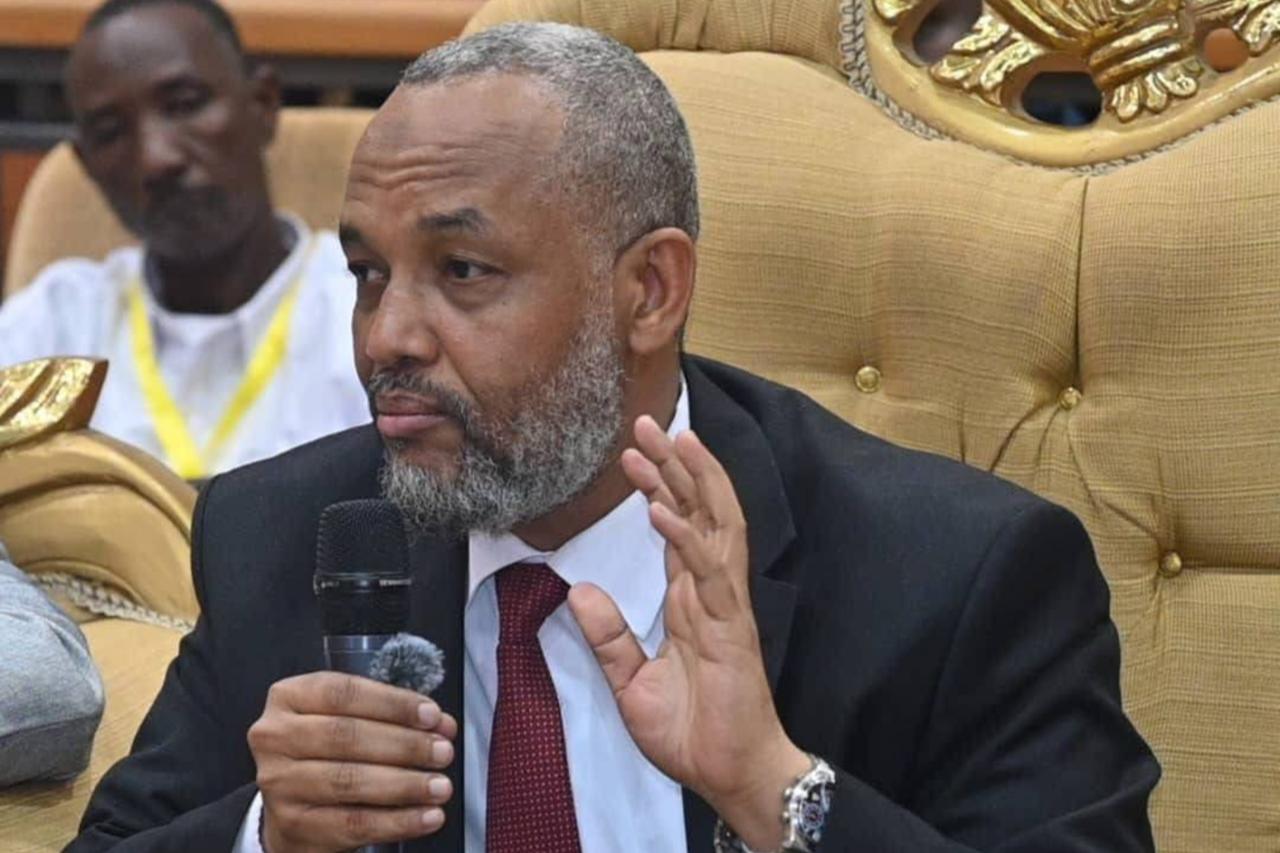


Sudan’s Health Minister Haitham Mohammed Ibrahim highlighted the country’s health situation after three years of war. He said the conditions have seen relative improvement in some states but that severe challenges persist in western Sudan and Kordofan.
In an interview with Al Jazeera, the minister detailed the scale of damage to health facilities, funding constraints, and the number of civilian and military casualties.
He also addressed the handling of sexual assault cases and warned of the potential risk of chemical weapons use, stressing that the situation requires sustained domestic and international support to rehabilitate and rebuild infrastructure and ensure the provision of basic services.

Haitham Mohammed Ibrahim said Sudan’s health situation has improved in the country’s stable northern and eastern states, with advances in general and specialized medical services.
By contrast, he said Western states and Kordofan are facing major difficulties in providing basic care, particularly for mothers and children, as well as emergency and nutrition services.
He added that the government is prioritizing rehabilitation and repairs in central Sudan, including Khartoum, Al Jazeera and Sennar, where large numbers of returnees are arriving.
The minister pointed to two main obstacles hampering progress in the health sector.
First, he said it remains difficult to deliver medical and health services to remote areas, particularly in Darfur and Kordofan.
Second, he cited inadequate funding from both the state and the international community, noting that current international support covers no more than 30% of basic health needs for around 30 million people.
Against that backdrop, he said the Health Ministry is prioritizing core services, including emergency care, epidemic control and maternal and child health.
Haitham said it is difficult to determine the total number of war casualties, given the scale of the conflict, adding that recorded deaths reaching health facilities have exceeded 33,000 over the past three years.
As for bodies, he said more than 4,000 were reburied in Khartoum through a joint committee involving forensic medicine, civil defense and other relevant authorities, while far fewer bodies were reported in other states such as Al Jazira and Sennar.
The minister also addressed allegations of sexual violence committed during the war, saying the ministry, working with the United Nations, health units and specialized centers, has provided support to survivors.
He said 1,152 cases had been recorded through the end of 2025, most of them in North Darfur, including about 320 pregnancies that required urgent medical intervention.
He added that more than 400 centers have been designated to handle such cases, alongside a confidential hotline, with a focus on training and the provision of medicines as well as medical and psychosocial services.
He denied any widespread use of chemical or biological weapons in Khartoum or elsewhere, saying Sudan’s General Authority for Forensic Medicine, the International Atomic Energy Agency and the National Public Health Laboratory have not detected any mass deaths or chemical contamination.
He added that some complaints involving chlorine gas were linked to the use of disinfectants and had not had toxic effects on civilians.
On Jan 21, U.N. rights chief Volker Turk warned that atrocities reported in El Fasher must not be repeated as fighting intensifies around Kadugli and Dilling in South Kordofan, a U.N. spokesperson said Tuesday in Geneva.
The spokesperson said more than 25,000 people have been displaced since late October and urged safe passage and protection for civilians as the war continues.
Of Sudan’s 18 states, the paramilitary Rapid Support Forces (RSF) control all five states in the western Darfur region, except for parts of North Darfur that remain under army control.
The army holds most areas of the remaining 13 states across the country, including the capital, Khartoum.
The conflict between the Sudanese army and the RSF, which began in April 2023, has killed thousands of people and displaced millions.


 Set as preferred source
 Set as preferred source



 3 min read