Newsletters


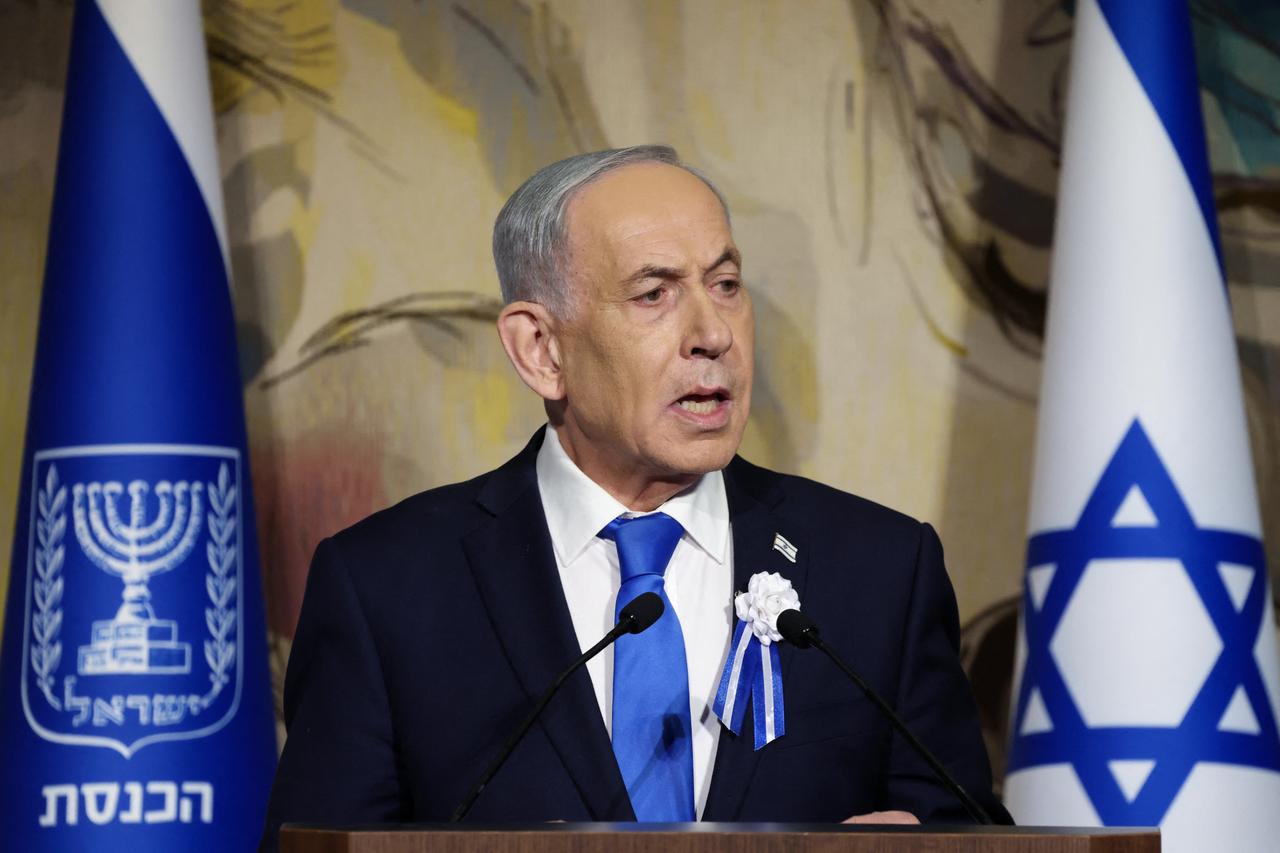


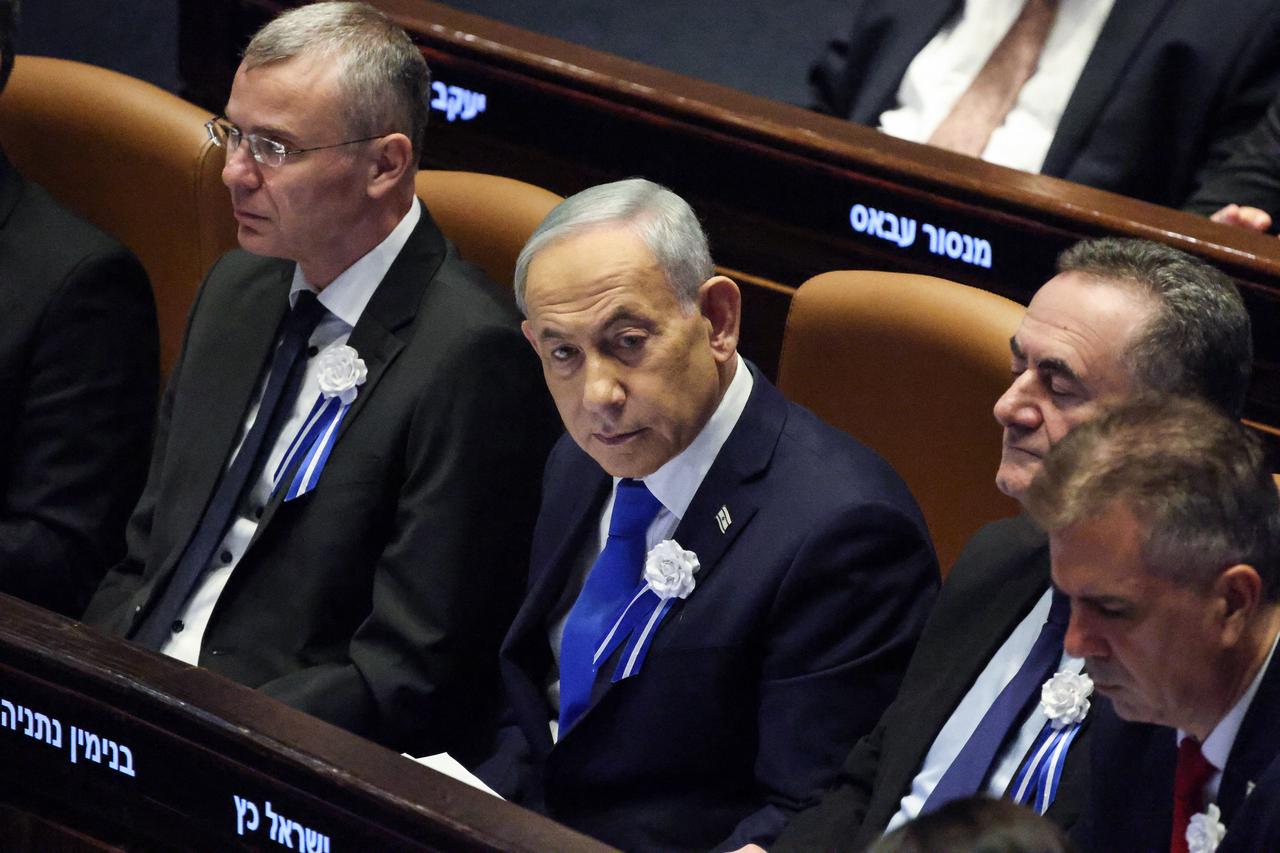
Israeli Prime Minister Benjamin Netanyahu’s chief of staff steered police toward a source whose unfounded tip led to the arrest of three Arab party activists on the Oct. 27 election day, Israel’s Channel 12 reported, prompting calls for criminal and parliamentary investigations.
The investigation by Ilana Dayan’s "Uvda" program said chief of staff Ido Norden called the police commissioner’s office on the eve of the Knesset election with a complaint about three United Arab List (Ra’am) activists in southern Israel and referred officers to an alleged intelligence source, until recently an employee of the Prime Minister’s Office.
The information, which later proved baseless, was entered into police intelligence systems that night and formed the basis for election-day arrests, the report said.
Netanyahu’s office called the report "false."
"Criminal information reached chief of staff Ido Norden. He fulfilled his duty as expected of any law-abiding citizen and connected that person to the police. Any further involvement by the chief of staff alleged in the report is false and grounds for libel," the Prime Minister’s Office said, adding that Norden never spoke with police intelligence officials.
"As Israel’s citizens and the chief of staff learned from the media on election morning, a person was indeed caught with tens of thousands of shekels in cash and Ra’am ballots," it said.
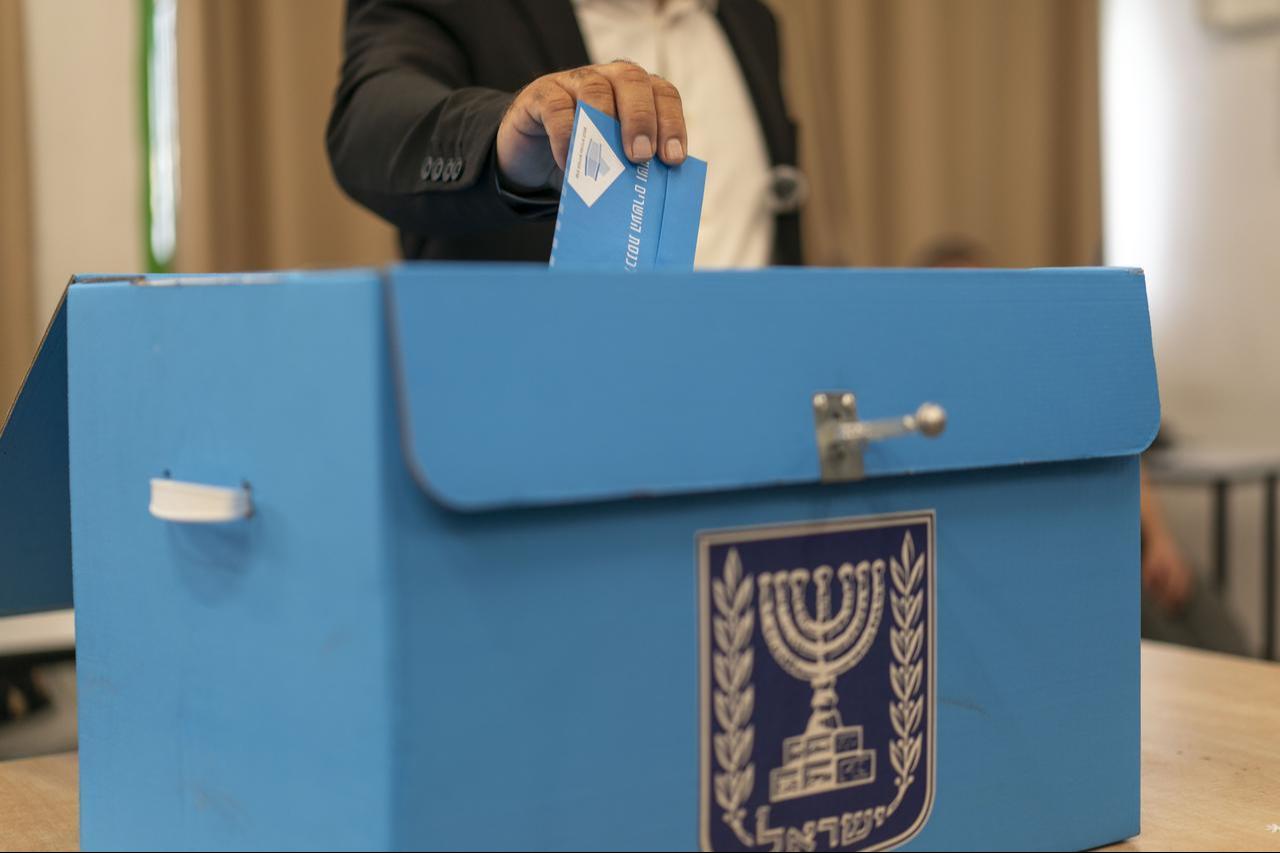

About 14 officers raided the activists’ homes without search or arrest warrants, according to the report, which aired footage of the raid on the home of Dr. Sayaf Abu Riash, a doctor from Rahat.
Police alleged the activists carried large sums of cash and Ra’am vouchers to sway voters, claims the report said were exaggerated. Abu Riash was not allowed to vote.
Netanyahu publicized the allegations repeatedly on election day, and the case later fueled a campaign claiming "Arabs are stealing the elections."
In Beersheba Magistrate’s Court, a police investigator did not deny the probe began with a political source, saying the answer was in a classified document.
The court released Abu Riash after six days.
Police said the intelligence was noted in a classified report presented to the court.
Shin Bet chief David Zini sought permission on election day to wiretap five Arab lawmakers, citing suspected foreign interference, but Attorney General Gali Baharav-Miara rejected the request at the last moment, the report said.
No concrete evidence of foreign interference compromising the election was found.
Two days after the vote, Zini placed a thick file before Eisenkot and said: "There is information here from as far back as 2018 that Arabs are stealing elections in Israel. All the Shin Bet chiefs ignored it. I came and lifted this stone."
"These events taught me that there will not be another fair election here," a senior law enforcement official told the program.
"The public service will not withstand another such period. We are on the edge," another said.
The Shin Bet said it investigated "serious suspicions of subversion and foreign influence" related to the election under its legal mandate and the Central Elections Committee chairman’s instruction, adding that published details on targets or tools "are not from the Shin Bet."
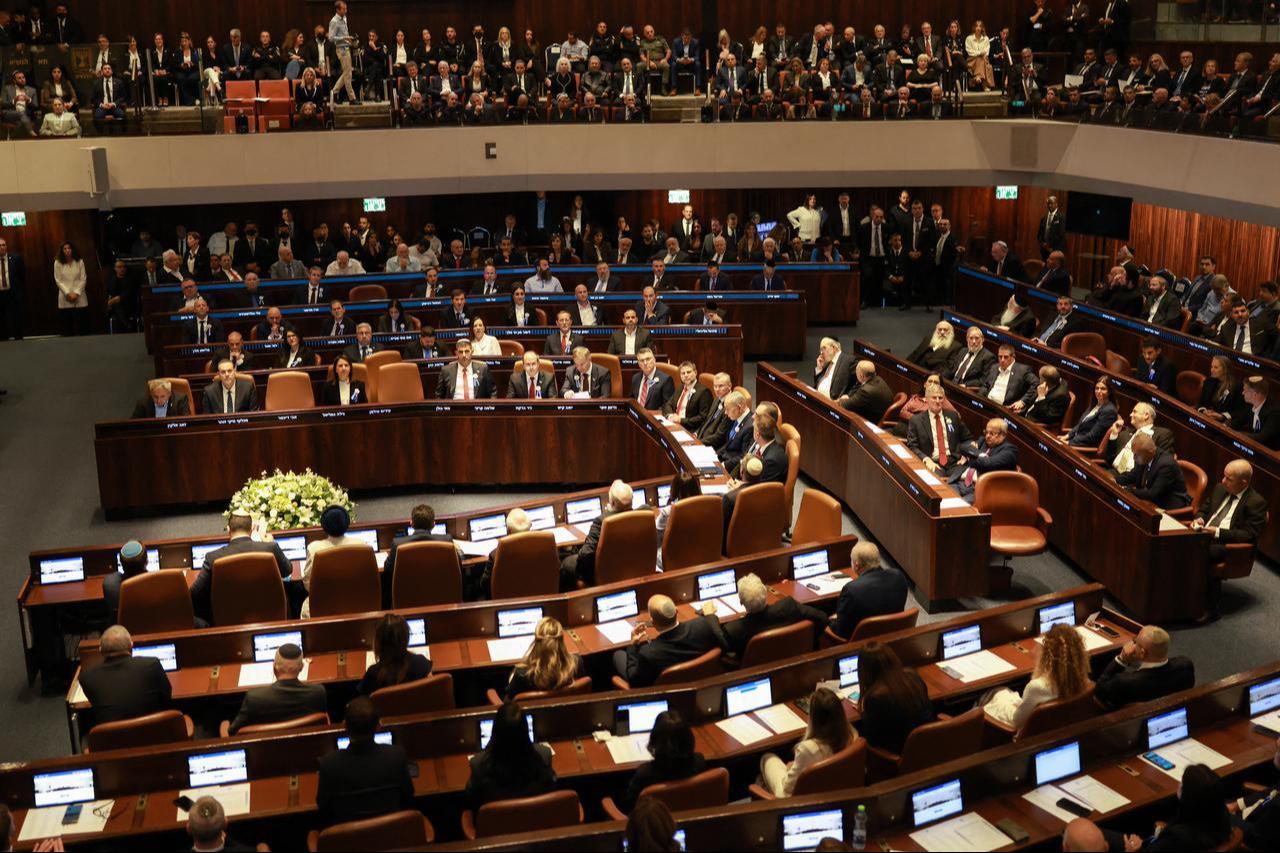
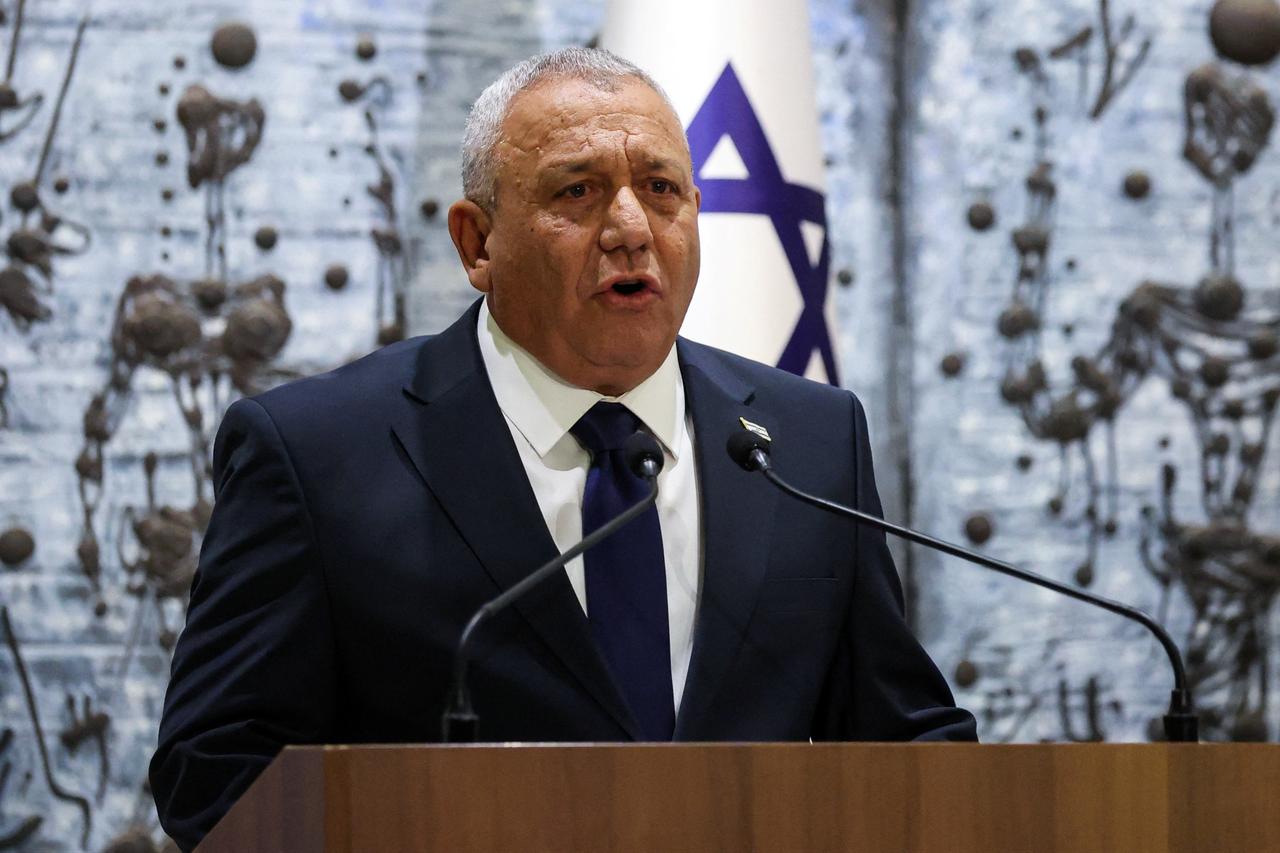
"The conduct of the outgoing prime minister, Benjamin Netanyahu, and his circle is a tangible, direct and immediate threat to Israeli democracy," wrote Gadi Eisenkot, the Yashar party leader tasked with forming a government.
"Netanyahu must not, under any circumstances, hold the reins of power even one more minute," he said, adding that as long as Netanyahu is in office, "there will no longer be fair and lawful elections in Israel."
Eisenkot called for an immediate investigation and pledged a commission of inquiry.
Likud accused him of "outrageous incitement," saying: "While the prime minister is extending a hand in the spirit of unity, Eisenkot and his associates issue daily statements filled with venomous, inflammatory attacks."
Joint List faction leader Ahmad Tibi called for a criminal probe.
"This is mafia-like conduct that endangers the foundations of democracy," he wrote, adding, "No one is above the law, not even Netanyahu."
Israeli President Isaac Herzog tasked Eisenkot on Nov. 8 with forming a government, giving him 28 days with a possible 14-day extension.
Netanyahu’s bloc holds 53 of 120 seats, Eisenkot’s 48 and Arab parties 19, as the Channel 12 findings deepen the rift over Netanyahu.


 Set as preferred source
 Set as preferred source


 1 min read
 1 min read