Newsletters


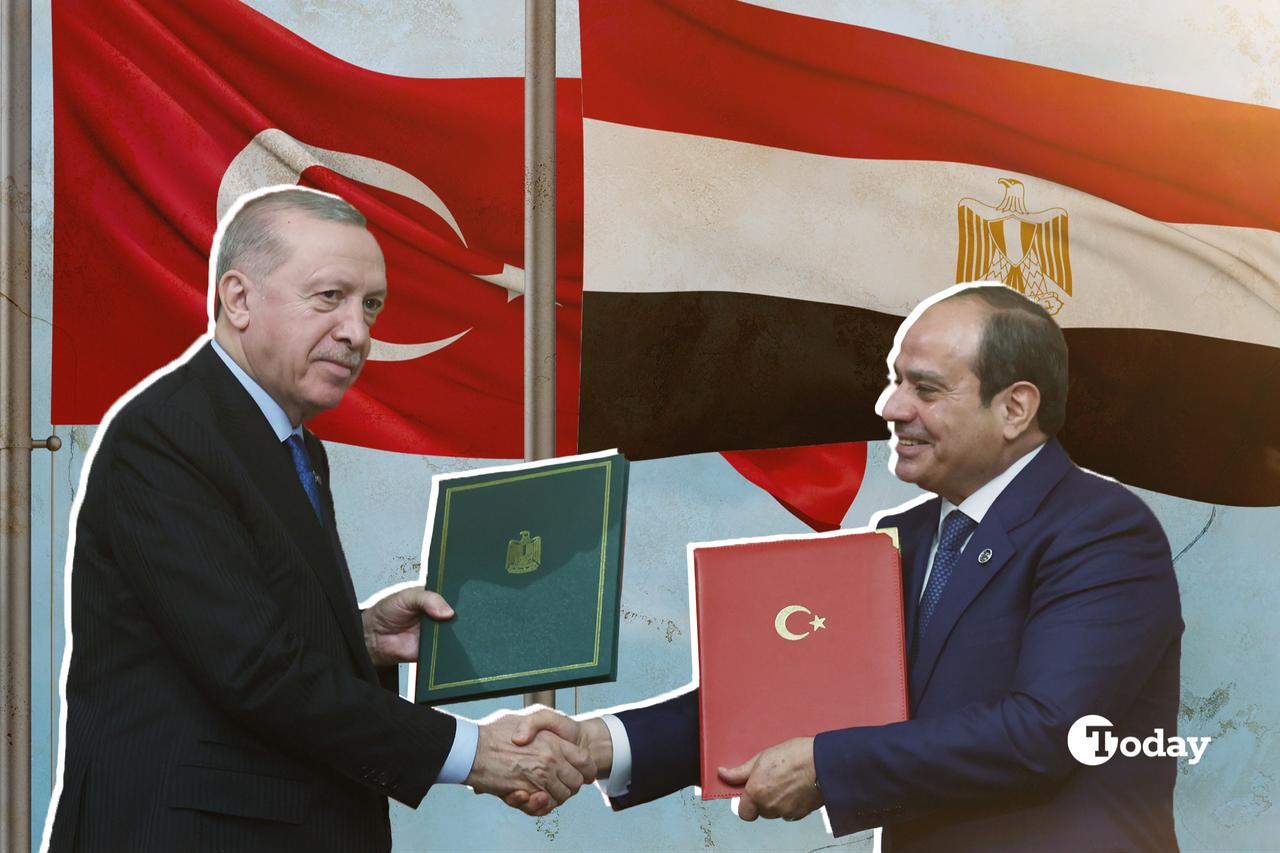


Egypt-Türkiye ties are moving from political rapprochement to economic implementation, with both sides pushing to deepen trade, investment and industrial cooperation.
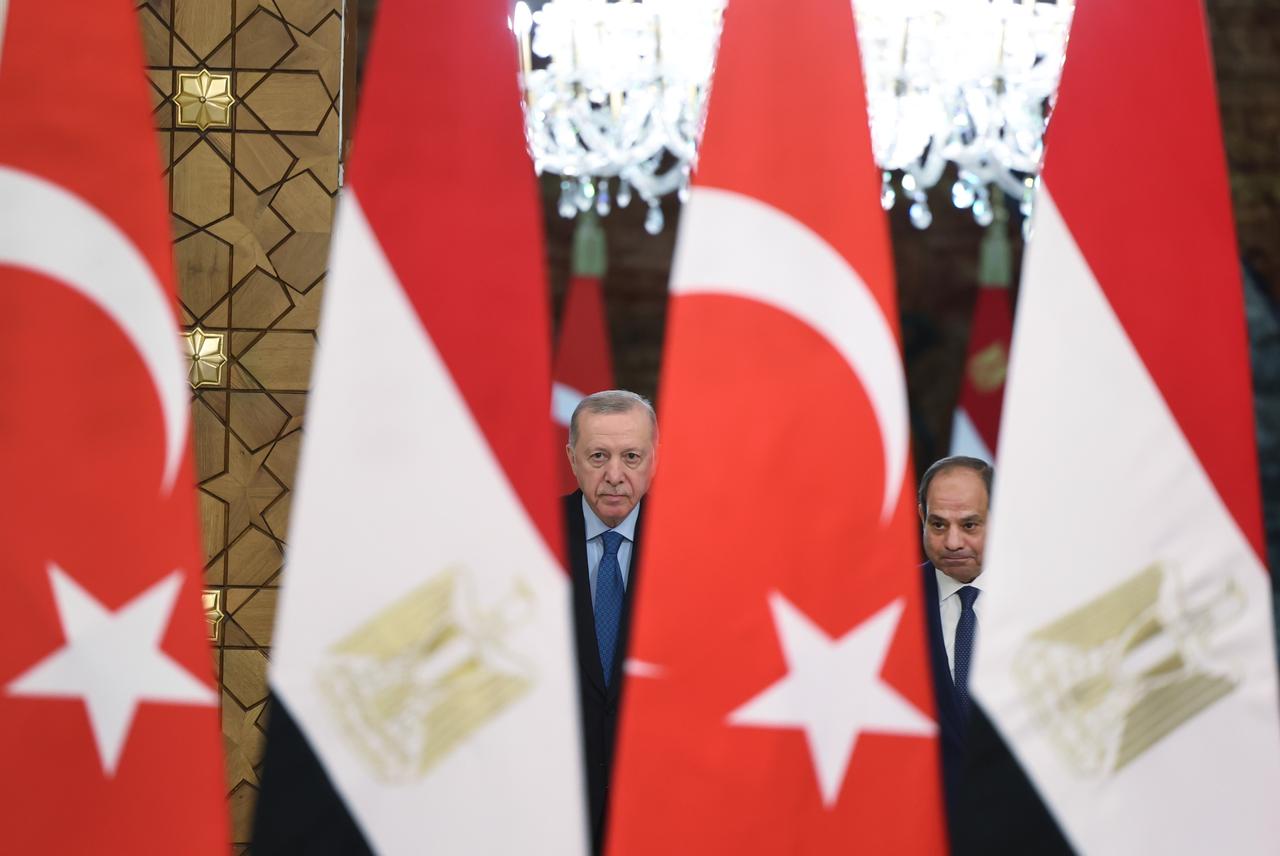
The shift was on display in Cairo on Wednesday, as the closing session of the Egyptian-Turkish Business Forum concluded, coinciding with the arrival of Turkish President Recep Tayyip Erdogan on an official visit to Egypt.
Erdogan arrived earlier in the day after completing official meetings in Saudi Arabia. He was received by Egyptian President Abdel Fattah el-Sisi and First Lady Entissar el-Sisi, as well as Türkiye's ambassador to Egypt, Salih Mutlu Sen.

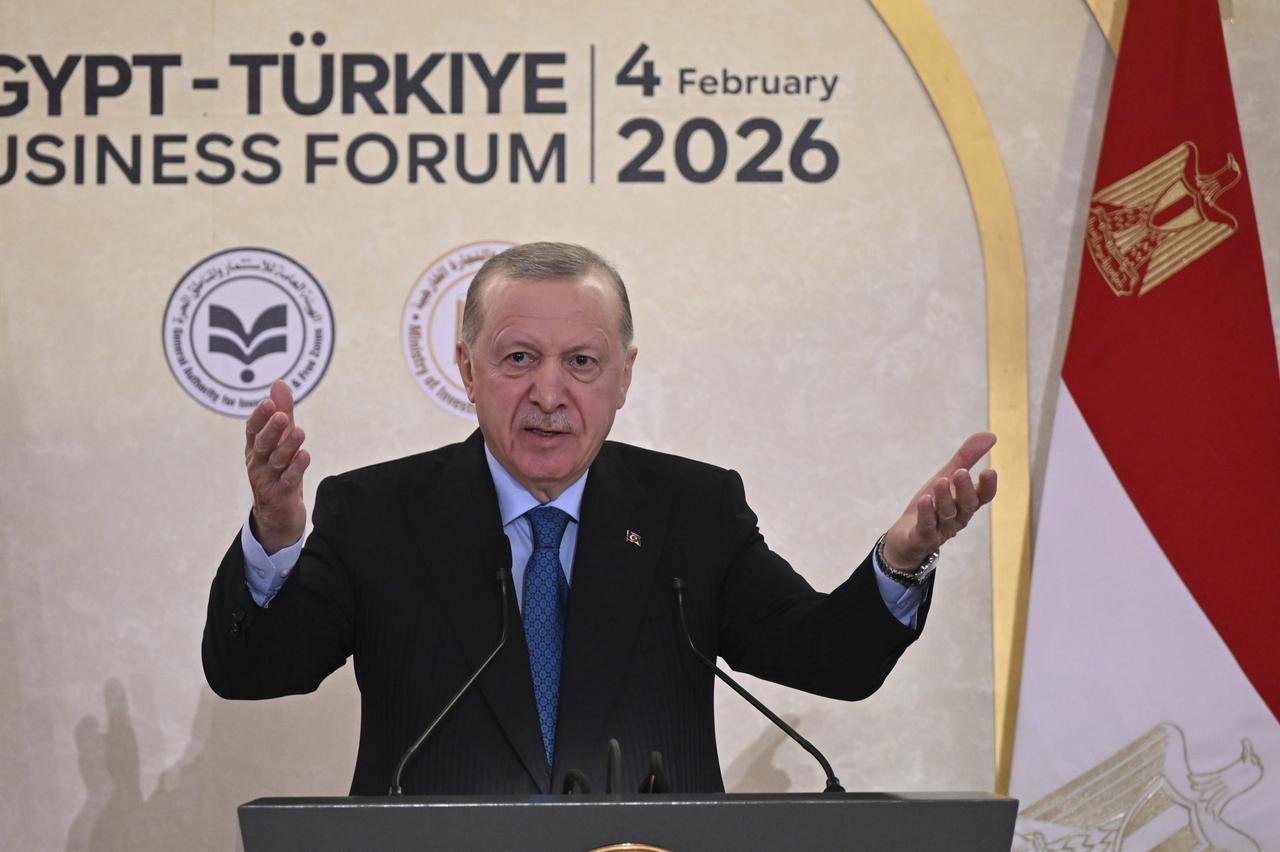
Speaking at the forum's closing session in Cairo, Erdogan said Egypt is Türkiye's largest trading partner in Africa and that the two countries aim to raise bilateral trade to $15 billion.
He said cooperation between Türkiye and Egypt "contributes to the stability of the region," adding that both countries want to translate that cooperation into stronger investment and trade.
He said he told Sisi he was interested in "Egypt Vision 2030," describing it as a plan that "will leave its mark on the future."
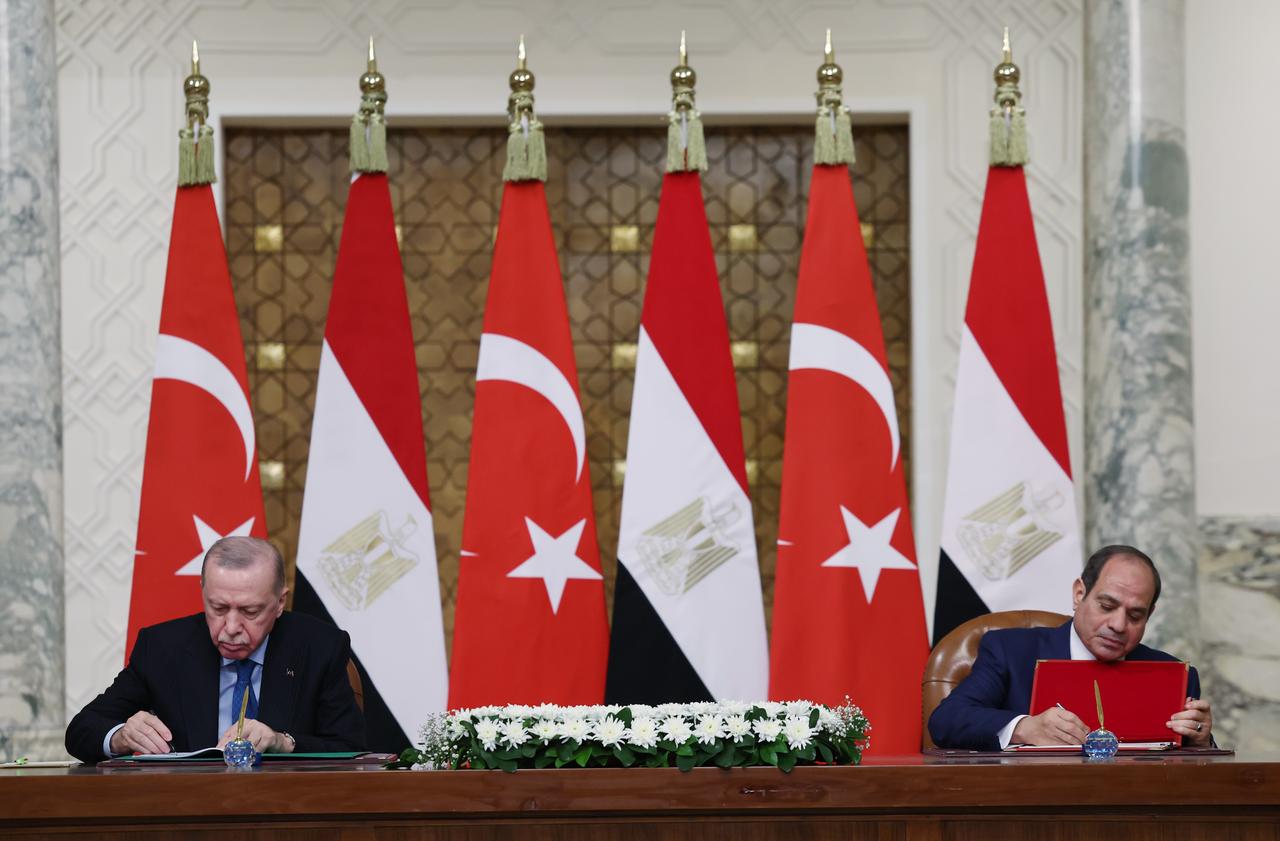
For his part, Sisi, speaking alongside Erdogan, stressed the importance of raising bilateral trade to $15 billion. "Our consultations with the Turkish president showed great understanding in all fields, and we value our relations with Türkiye," he said.
In this context, Mohammed Tharwat, an expert on Egyptian-Turkish relations, talking with Türkiye Today, said that Erdogan's visit is the fourth within a short period, arguing that the repeated trips reflect a strong appreciation for Egypt's role and a keenness to preserve the two countries' historic ties.
Tharwat said the latest trip followed a state visit, then a visit to Cairo to attend the D-8 summit at the New Administrative Capital, a visit to Sharm el-Sheikh to attend the "Peace Summit," and, most recently, a meeting to co-chair the Strategic Cooperation Council between the two countries.
Tharwat said the visit's significance goes beyond political messaging, linking it to practical steps already underway.
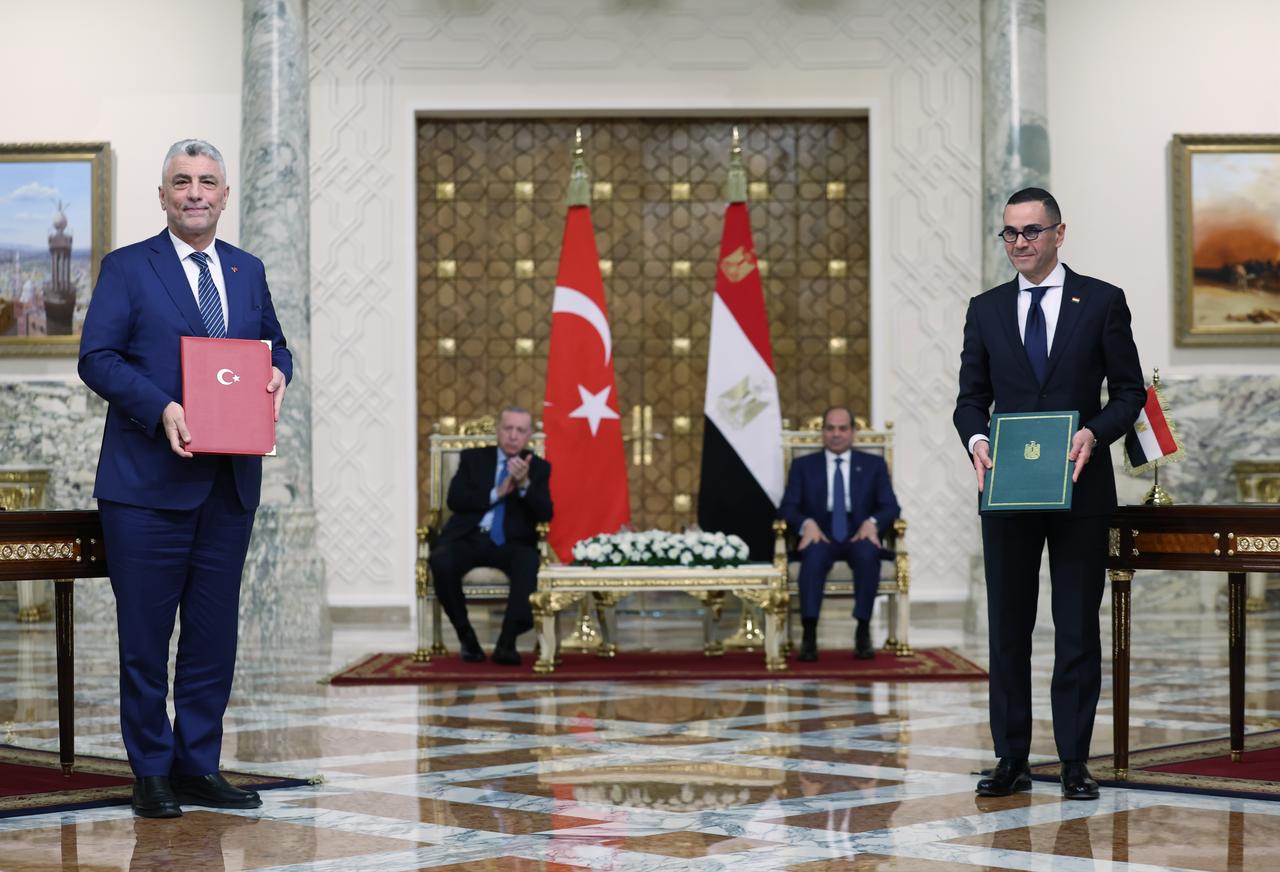
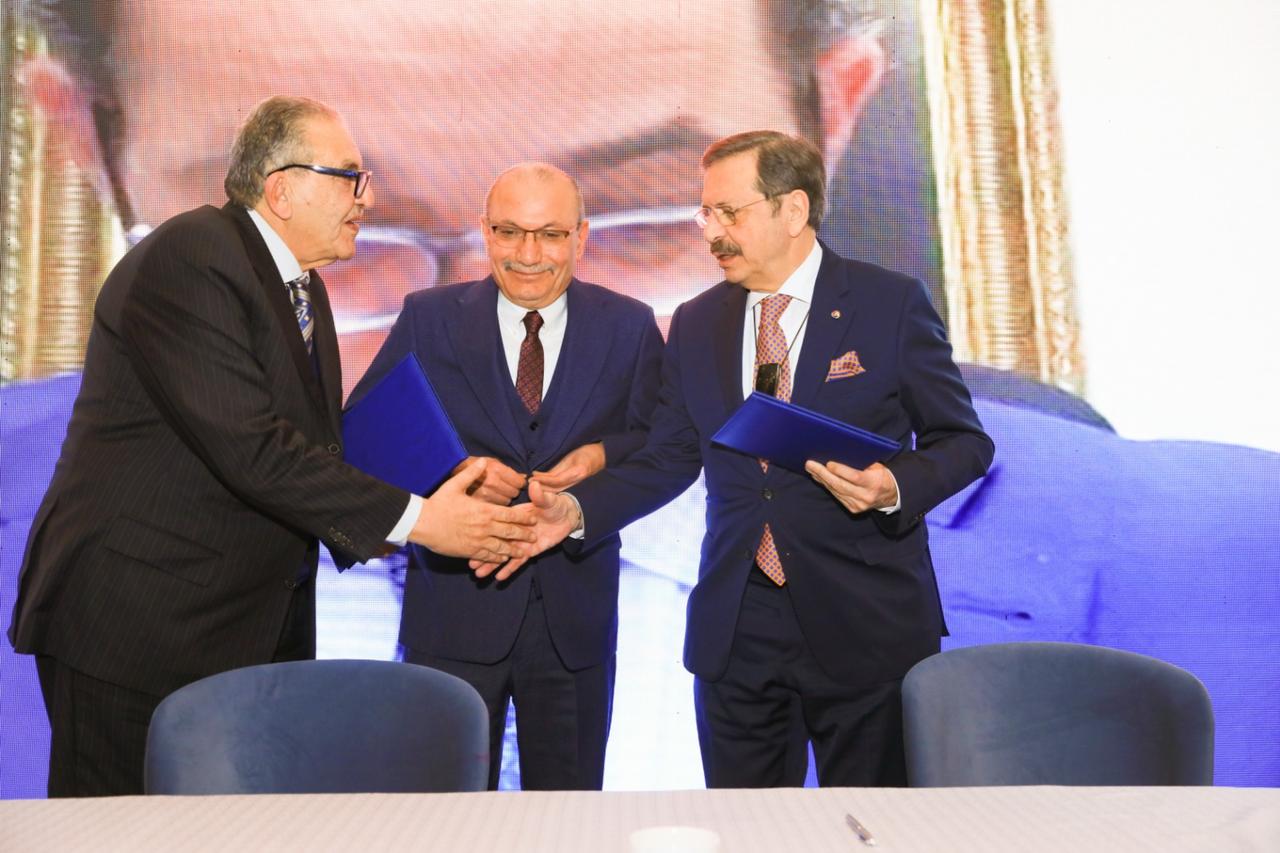
He said results have begun to materialize through the signing of trade exchange agreements between chambers of commerce and commodity exchanges in Turkish provinces and their counterparts in various Egyptian governorates.
Tharwat described the track as part of a push toward an integrated economic alliance aimed at raising annual bilateral trade to more than $15 billion, up from about $8.8 billion currently.
According to Tharwat, Turkish investments in Egypt are being facilitated, particularly in the textile sector, through land allocation for factories and streamlined licensing procedures.
He said Turkish companies are turning to the Egyptian market due to low-cost energy sources, easier access to raw materials and the availability of trained, low-cost labor.
He added that full industrial communities have been established in areas such as Sadat City, Port Said and Ismailia, alongside factories, schools and housing for workers, positioning Egypt, in his words, as Türkiye's gateway for exporting to both Europe and Africa.
Tharwat said cooperation also includes localizing defense industries, especially drone production, along with strong coordination in renewable energy and liquefied natural gas.
He also pointed to efforts to double the number of Turkish tourists visiting Egypt to 500,000 a year, increase Egyptian tourism to Türkiye and facilitate the establishment of a Turkish university in Egypt in cooperation with Zagazig University.
He added that the establishment of a National Committee to promote and follow up on Turkish investments in Egypt represents a practical implementation of the visit's outcomes by removing obstacles and streamlining procedures.
In a related context, TV host Ahmed Moussa said on his program "Ala Masoulity" on Sada El Balad channel that the rapprochement represents the "peak of stability" in the region.
He said the signing of a wide package of agreements paves the way for a deep strategic partnership that goes beyond traditional frameworks. Moussa added that Ankara views Cairo as the "golden gateway" for Turkish products to reach deeper into Africa, along with coordination to take part in the reconstruction of the Gaza Strip.
He stressed that the visit was not only economic but also included a political track and high-level coordination.
Analysts say Egyptian–Turkish economic ties are longstanding and deepened further after a partnership agreement was signed in 2005.
Turkish labor-intensive companies and factories in Egypt now number nearly 300, employing 52,000 workers and staff, according to Adel Lamei, head of the Egyptian-Turkish Business Council. He added that Turkish investments in Egypt total $5.1 billion.
Analysts also cite the wage gap as a key factor behind Egypt's appeal to Turkish industries.
Alaa Ezz, secretary-general of the Federation of Egyptian-European Chambers of Commerce, said Türkiye's decision to raise wages to $800 is not economically viable in several sectors, including ready-made garments and the spinning and textile industry.
By contrast, Egypt's minimum wage is about $180, a cost difference that has encouraged some Turkish manufacturers to relocate to Egypt and created room for new industrial opportunities, particularly in apparel and electronics, according to the same assessment.
Earlier this week, the Türkiye-Egypt Chambers and Commodity Exchanges Cooperation Forum was held in Egypt, bringing together about 200 representatives from Türkiye and more than 100 from Egypt.
The forum took place at the Turkish Rixos Hotel in El Alamein on Egypt's northern coast and was described as among the most widely attended business meetings organized between the two countries.


 Set as preferred source
 Set as preferred source


 1 min read
 1 min read