Newsletters


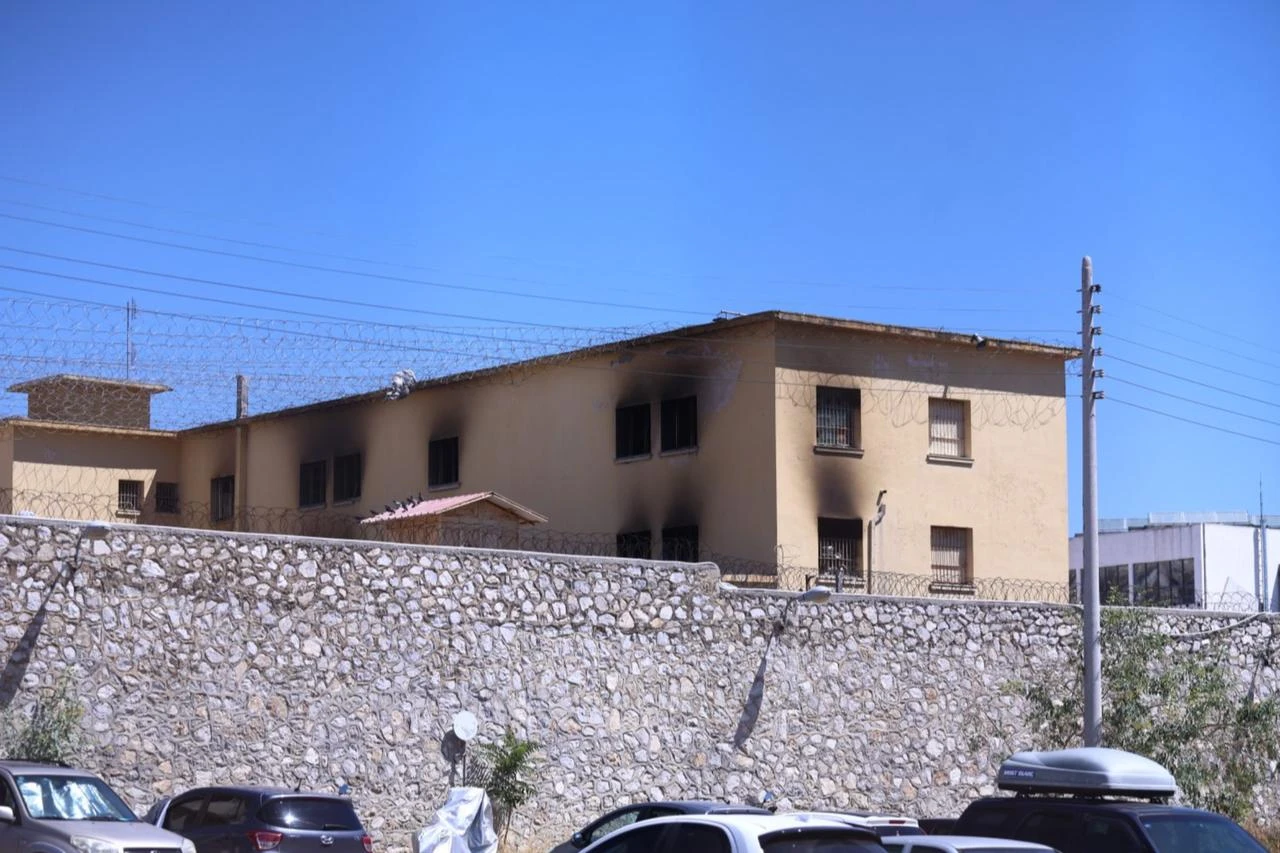


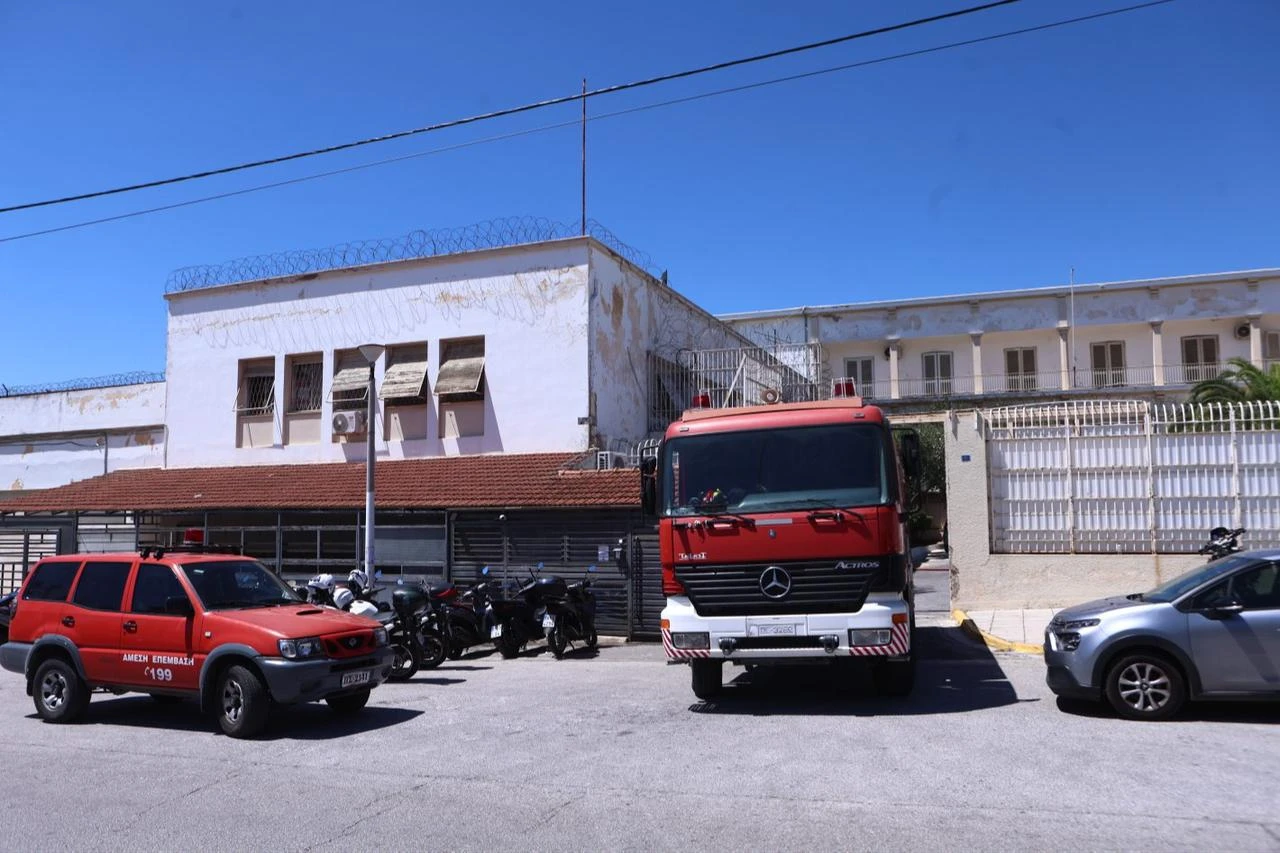
A riot broke out at Greece's Korydallos Prison on Friday after Turkish organized crime figure Ramazan Baygara resisted an attempt to extradite him to Türkiye, prompting inmates to set fire to mattresses and Greek police to deploy heavily armed units around the facility.
Despite the disorder inside Wing E of the Athens prison, authorities eventually removed the 30-year-old inmate under tight security and transported him to Athens International Airport, where a Turkish aircraft was reportedly waiting to fly him back to Türkiye.
The unrest began when officers from the Greek police prisoner transfer department entered Baygara's wing to take him to the airport.
Baygara strongly resisted the transfer, while a group of fellow prisoners, reportedly including Kurdish inmates, moved to support him.
Around 30 prisoners then barricaded themselves inside Wing E, where fires were started using mattresses.
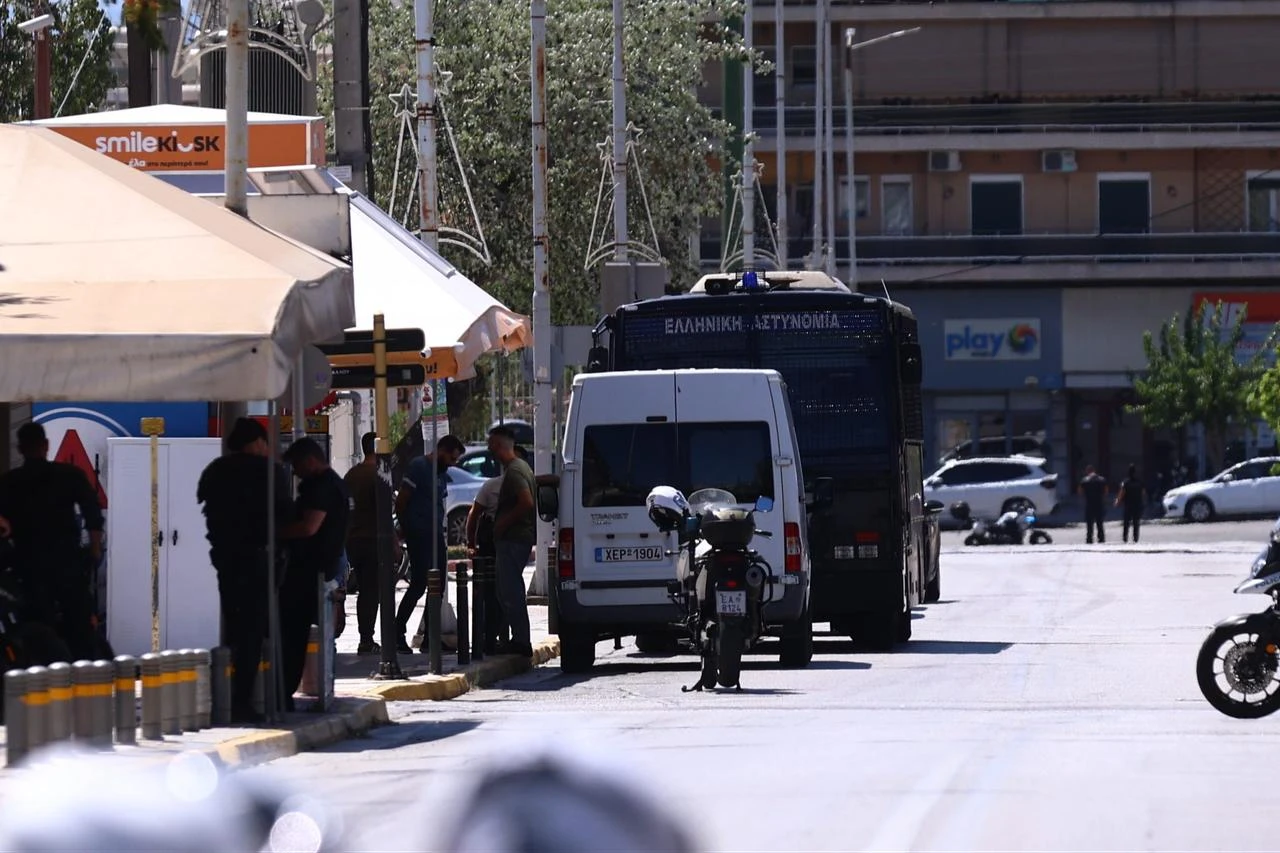

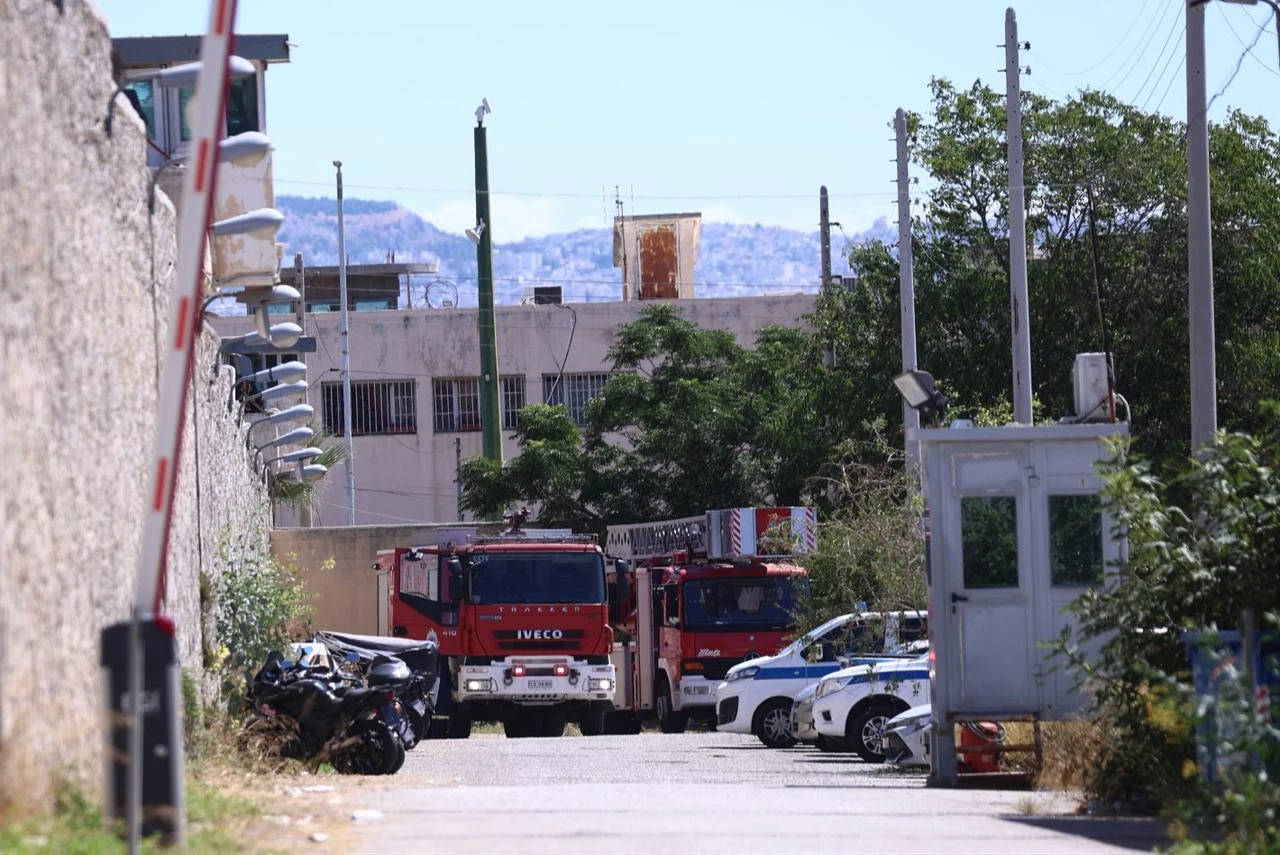
The disturbance quickly spread through the wing, leading Greek authorities to send in riot police known as MAT, alongside officers from the OPKE, DIAS and DRASI police units. Security teams took up positions both inside and outside the prison as preparations were made for a possible operation to bring the riot under control.
Although the prison initially remained locked down, Baygara's transfer was later completed amid extensive security measures.
According to reports, a Gulfstream G650 jet arrived at Athens' Eleftherios Venizelos International Airport from Türkiye on Friday morning to collect Baygara.
The aircraft reportedly traveled without publicly visible registration or serial number information on flight-tracking websites. It was later identified as belonging to Türkiye's General Directorate of Security.
Its arrival had initially raised questions because of the limited flight information available, but the aircraft's purpose was reportedly to carry out Baygara's extradition and return him to Türkiye.
Baygara is described as the alleged leader of the Baygaralar organized crime network, which is primarily based in Türkiye's southern province of Adana.
He was arrested in Athens in May 2024 following targeted operations involving Greece's National Intelligence Service.
At the time, he was reportedly wanted under an Interpol Red Notice and faced 14 arrest warrants.
The accusations against him include murder, weapons trafficking, drug trafficking, migrant smuggling and forcing women into prostitution.
His name and criminal network have also been linked to a series of killings involving Turkish nationals in Greece. At least eight such murders have been recorded, including six in the Loutsa area, one in Piraeus and another in Athens' Kipseli district.
Greek authorities reportedly believe the killings formed part of a violent struggle between rival Turkish organized crime groups operating in the country.
Baygara's extradition followed a major Turkish police operation targeting the wider Baygaralar network.
The operation was carried out across 16 provinces, including Istanbul, Ankara and Izmir, and led to the detention of 270 suspects.
Turkish authorities reportedly linked the organization to 83 serious criminal acts, ranging from murders and extortion to fraud and robbery.
During simultaneous raids, police seized 43 unlicensed handguns, 11 rifles, five AK-47 automatic weapons and four hand grenades.
Authorities also froze 19 bank accounts associated with the organization and confiscated money held in Turkish lira and foreign currencies.


 Set as preferred source
 Set as preferred source


 2 min read