Newsletters


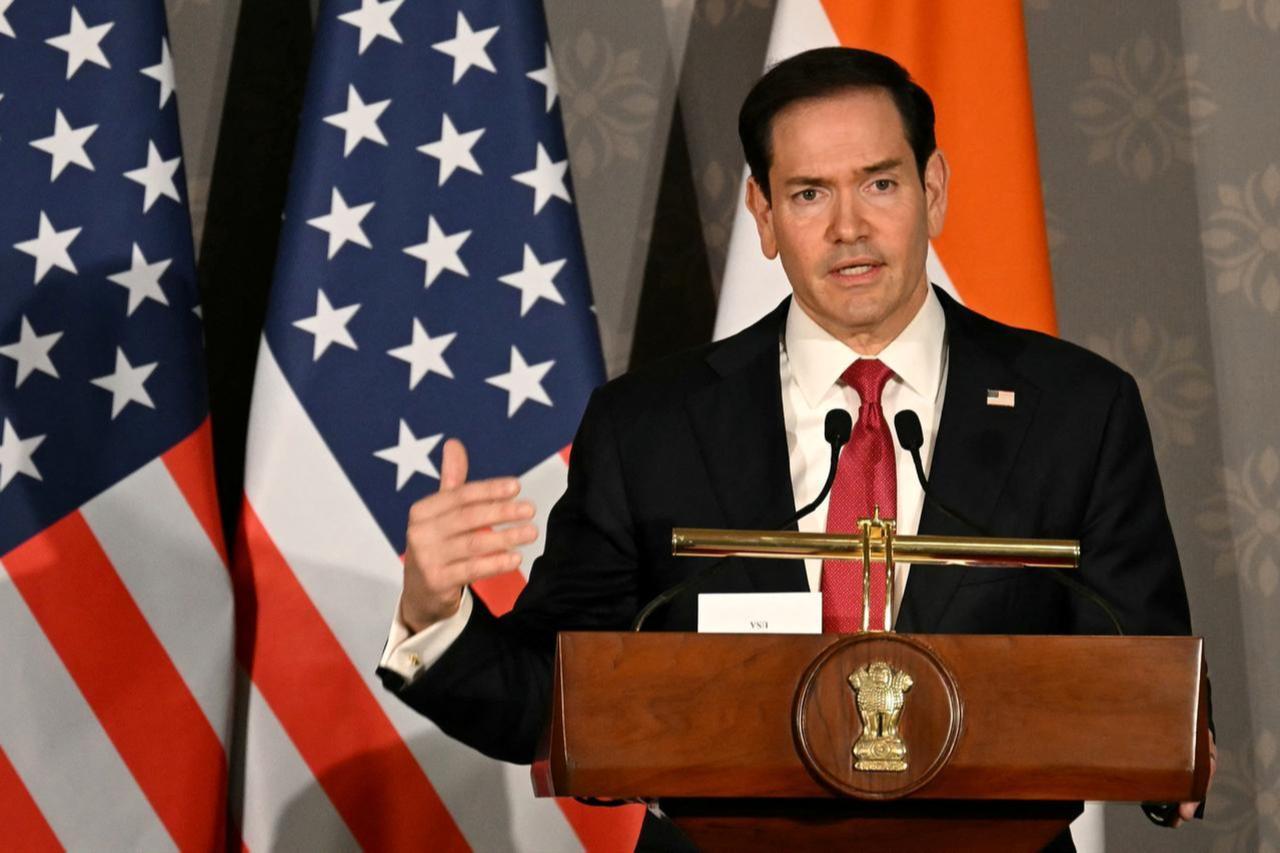


U.S. Secretary of State Marco Rubio is expected to announce a new ceasefire agreement between Lebanon and Israel following political-track negotiations scheduled in Washington on June 2 and 3, Lebanon's Broadcasting Corporation International reported Sunday, citing sources familiar with the discussions.
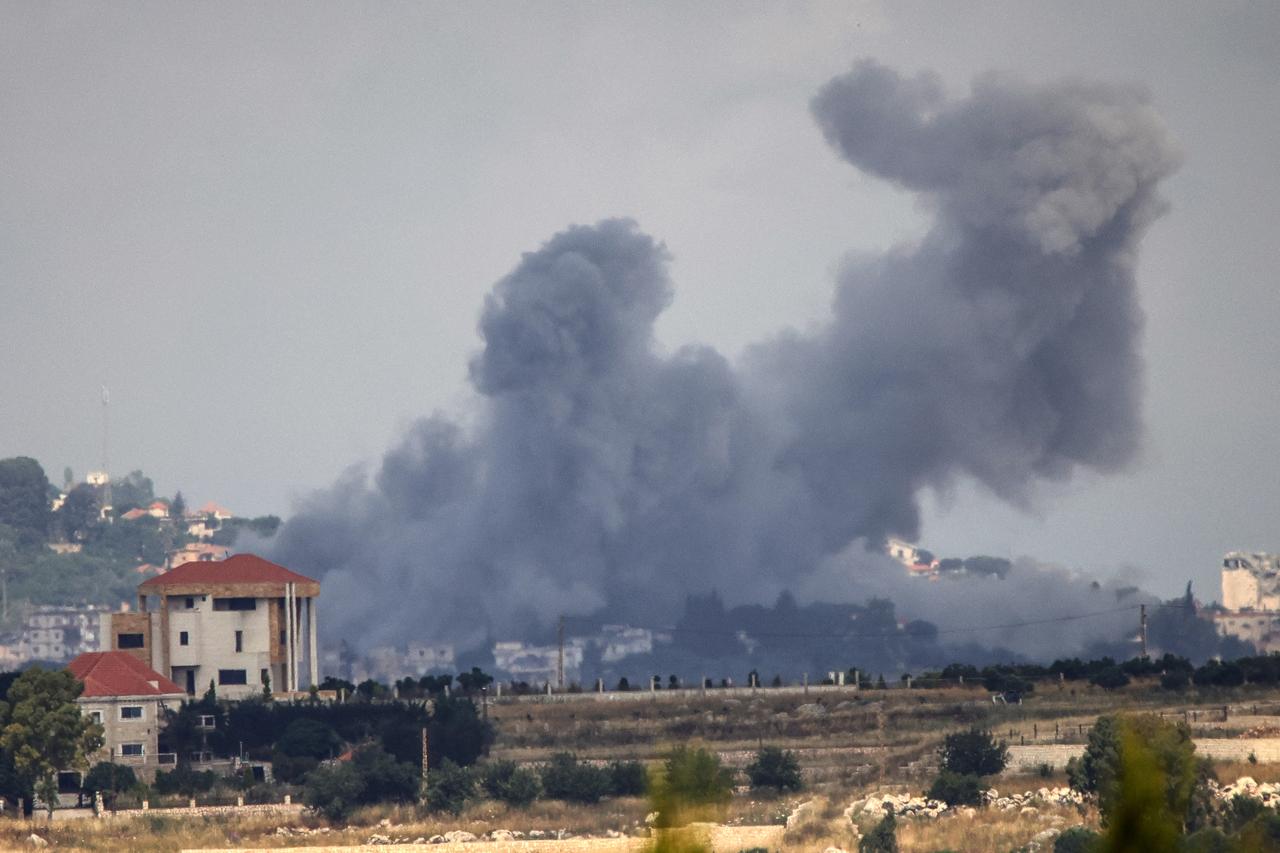
The anticipated announcement would come as a a significant step in efforts to stabilize a fragile truce that has been repeatedly tested since it took effect in mid-April. Both sides have continued to trade accusations of aggression, each framing retaliatory strikes as defensive responses to the other's provocations.
The June talks will be the fourth round of face-to-face negotiations hosted by Washington. An earlier round earlier this month yielded a 45-day extension of the existing cessation of hostilities agreement, with the State Department describing those sessions as "highly productive" and both governments agreeing on a framework aimed at full mutual recognition of sovereignty and lasting security along their shared border.

Speaking to reporters at Palam Air Base in New Delhi on May 25, Rubio drew a sharp distinction between the Lebanese government, which he said had been engaged constructively, and Hezbollah, which he called "100 percent Iranian proxy."
He said the group remained the central impediment to durable peace.
"As long as an armed Hezbollah exists, it's going to be hard to achieve peace in Lebanon," Rubio said, adding that the group was "not just attacking Israel" but "victimizing the people of Lebanon, who are paying a tremendous price."
Rubio noted that Hezbollah had issued a statement the previous evening calling for the overthrow of the Lebanese government, which he said illustrated the nature of the group.
The secretary affirmed that Israel retains the right to respond to any Hezbollah missile launches, a position he described as having been understood by all parties throughout the ceasefire period.
The upcoming June 2-3 political sessions follow a separate security track that the Pentagon hosted for military delegations from both countries on May 29. The parallel structure, designed to keep diplomatic and military communication channels distinct but coordinated, reflects Washington's broader strategy of institutionalizing negotiations rather than relying solely on ad hoc diplomacy.
The ceasefire framework that has underpinned these talks was brokered by the United States and took effect on April 16, initially as a 10-day truce before being extended three weeks later by President Donald Trump. The current 45-day extension runs the clock deep into June, providing a window for the latest round of negotiations to produce something more durable.
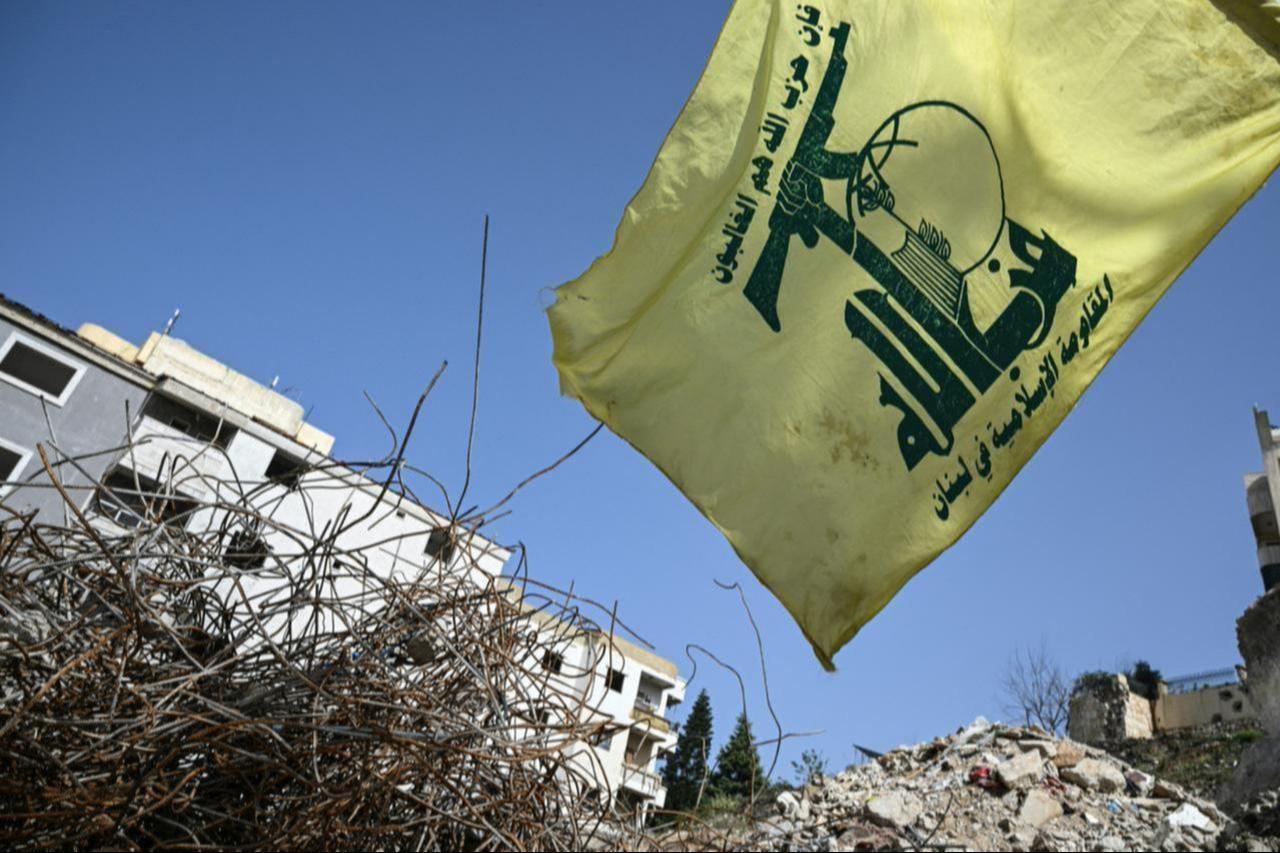
Hezbollah, designated a terrorist organization by the United States and the European Union, emerged from decades of conflict along the Lebanese-Israeli border as one of the most heavily armed non-state actors in the Middle East, with extensive ties to Iran's Islamic Revolutionary Guard Corps.
Rubio, speaking from New Delhi where he was attending the Quad ministerial meeting, was careful to separate the Lebanon file from the broader U.S.-Iran nuclear negotiations, describing them as proceeding on independent tracks.
On Iran, he said talks remained "a work in progress" and that Washington was awaiting a response to what he characterized as a "pretty solid" proposal involving the Strait of Hormuz and a "significant time limit" on the nuclear matter.
He said President Trump "is not going to make a bad deal" on Iran, and that the administration would "give diplomacy every chance to succeed before we explore the alternatives," while leaving open the possibility of other measures if talks collapse.


 Set as preferred source
 Set as preferred source


 1 min read

 1 min read