Newsletters


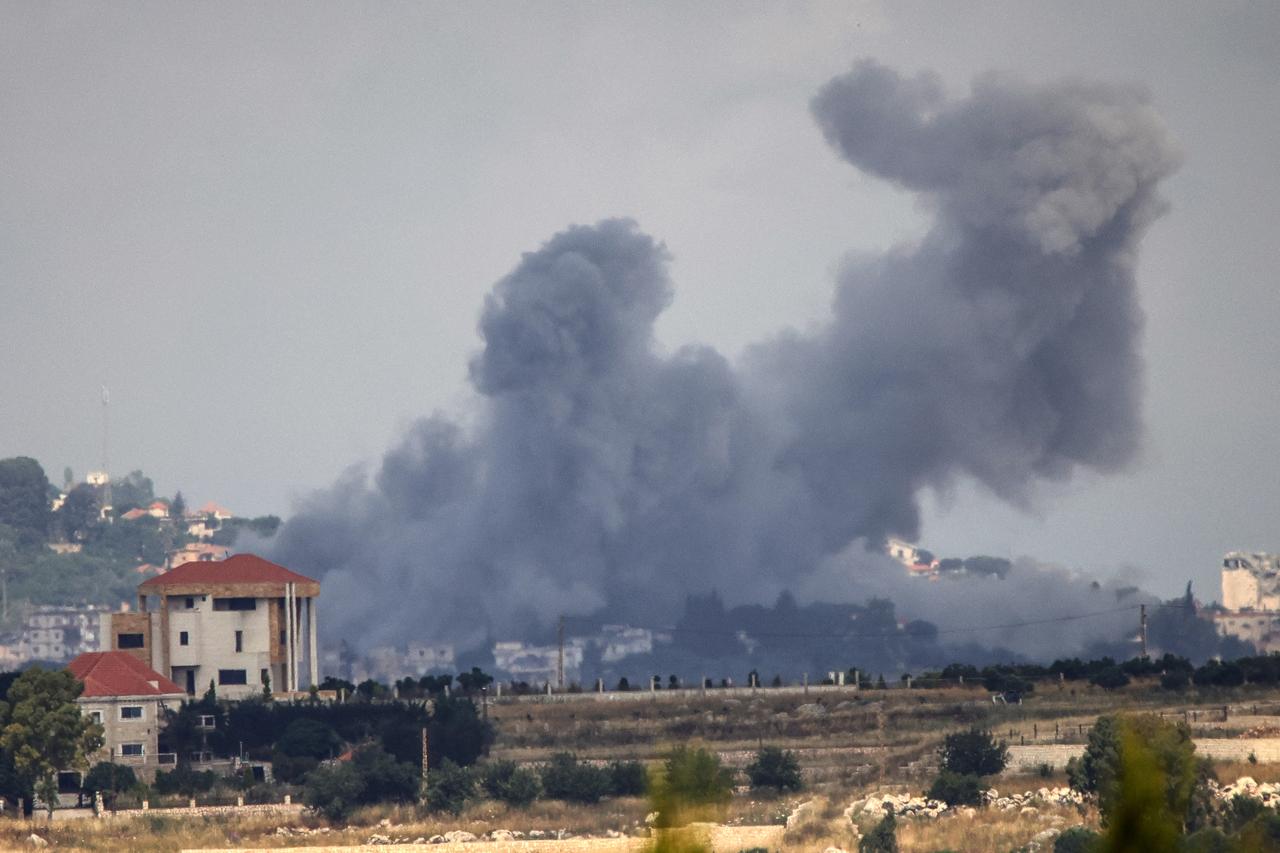


Hezbollah said it carried out multiple attacks on Israeli military sites in northern Israel and against Israeli army units trying to advance in southern Lebanon, saying the strikes came in response to Israel’s expanded occupation and cease-fire violations.
In a statement, Hezbollah said it targeted Israeli military infrastructure in the Kiryat Shmona settlement with rockets three times.
The group also said it launched drone attacks on the Shomera and Yaara military positions along the border and targeted the Meron base, where Israeli air operations are commanded, with a missile strike.
Israel’s Arabic-language army spokesperson Avichay Adraee later issued what he called an urgent warning to residents of south Lebanon, especially those south of the Zahrani River, saying the army would act “with force” after Hezbollah’s cease-fire violation and attacks on Israel’s home front.
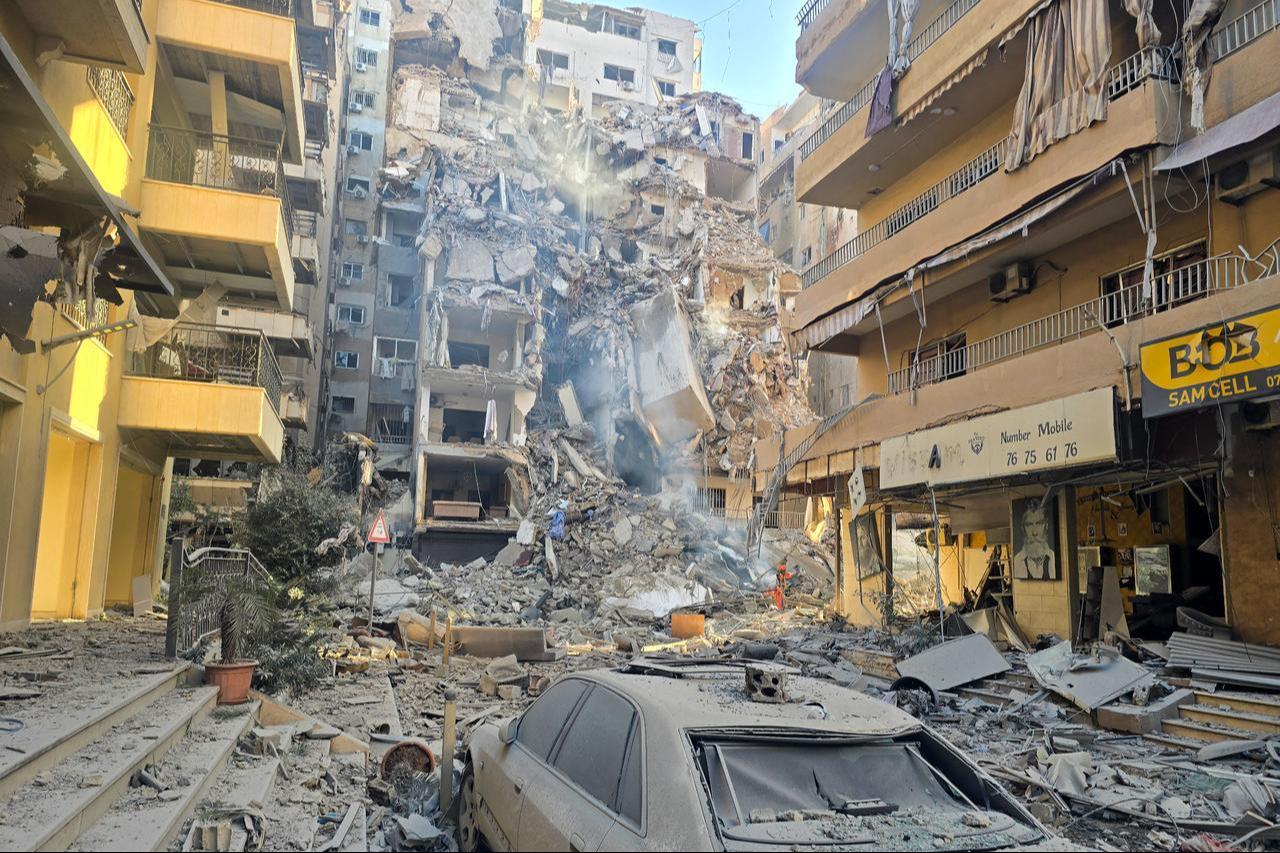

Hezbollah said military infrastructure in the city of Safed was also struck as part of its attacks on Israeli military points in the north.
In southern Lebanon, the group said it attacked Israeli forces trying to advance in the town of Ghandouriyeh in Nabatieh district, detonating explosive devices in an ambush.
It also said artillery and rocket attacks targeted Israeli army units in Dibbin, while forces attempting to advance in Zawtar al-Sharqiyah and Yahmar al-Shaqif were hit in separate attacks.
Adraee said the Israeli army did not intend to harm civilians and urged all residents south of the Zahrani River to evacuate their homes immediately and move north of the river.
He warned that anyone near Hezbollah members, facilities, or combat equipment would be putting their life at risk.
“Every building used by Hezbollah for military purposes may become subject to targeting,” he said.
He also warned residents that any movement south could endanger their lives.
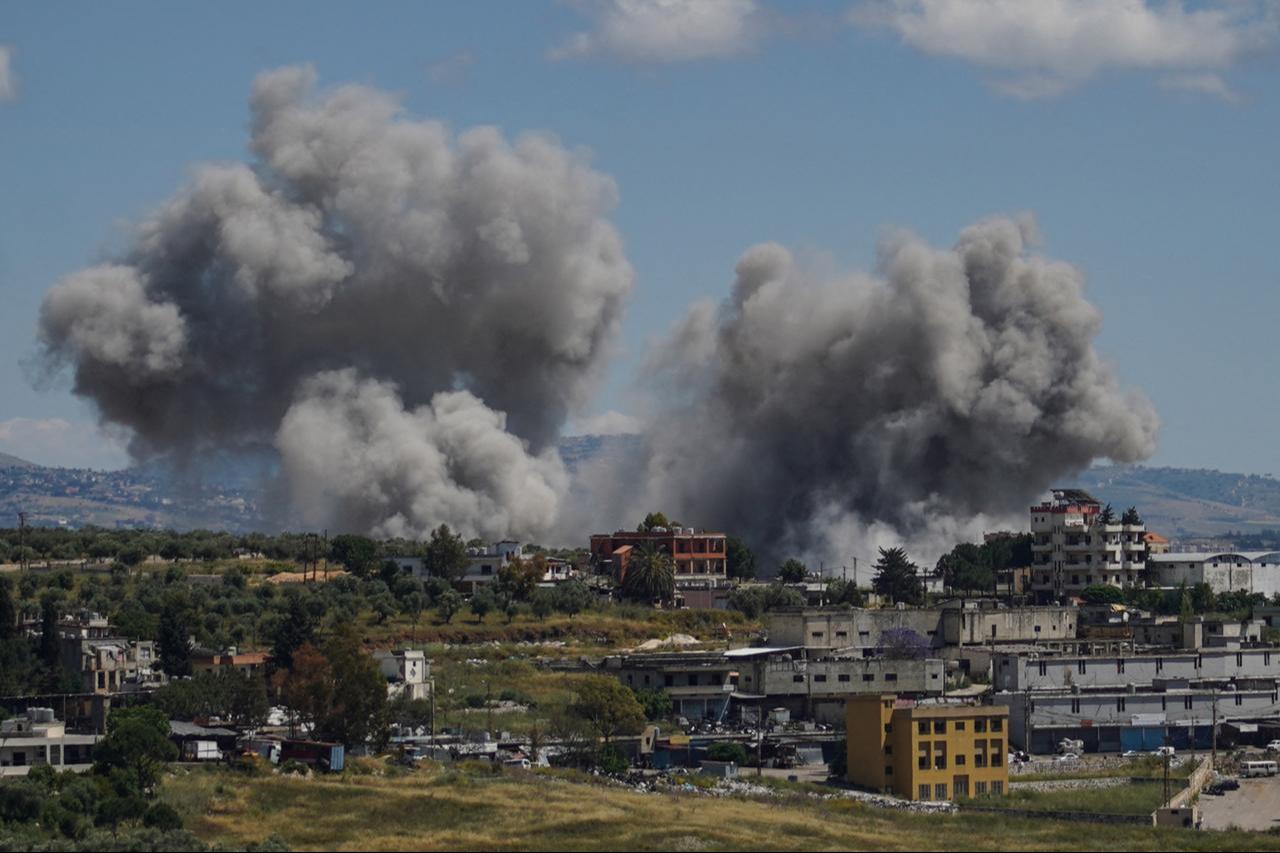
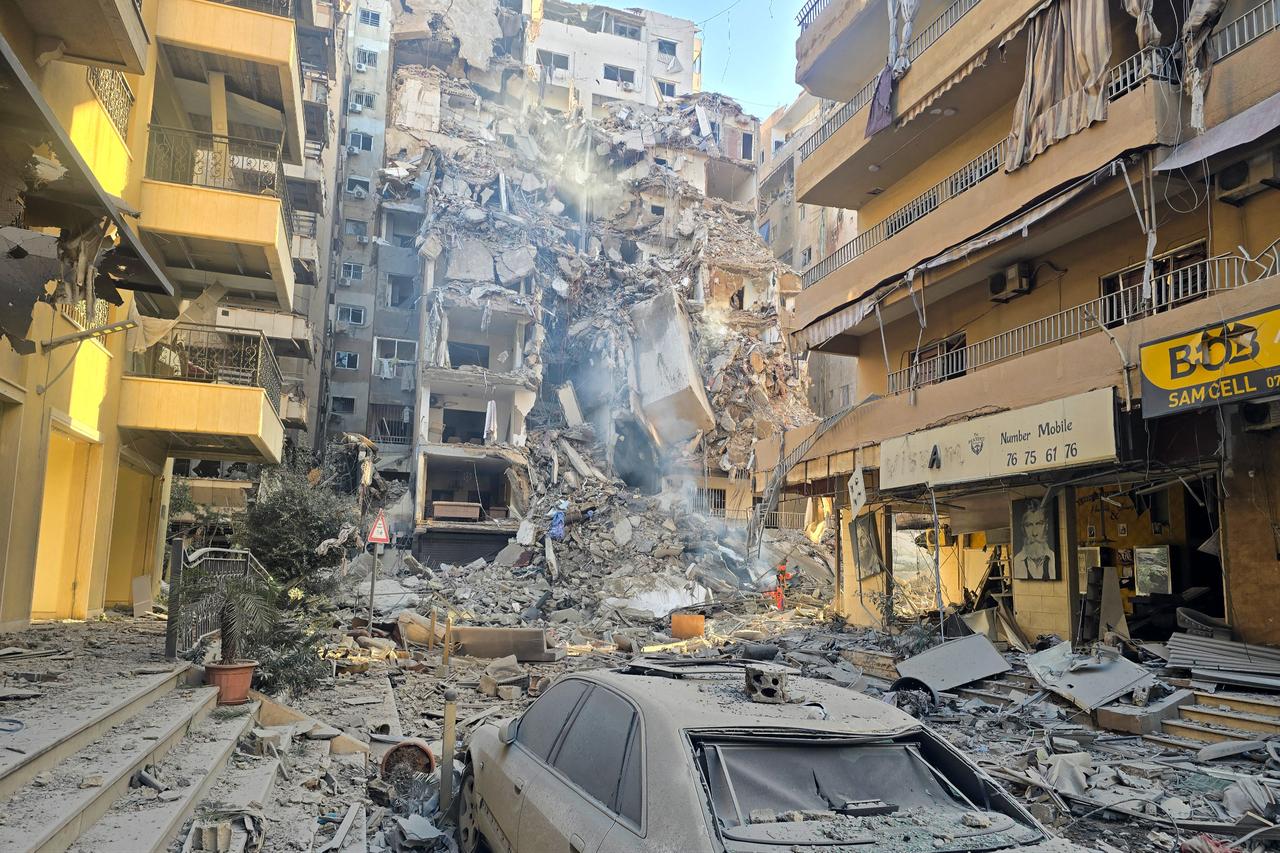
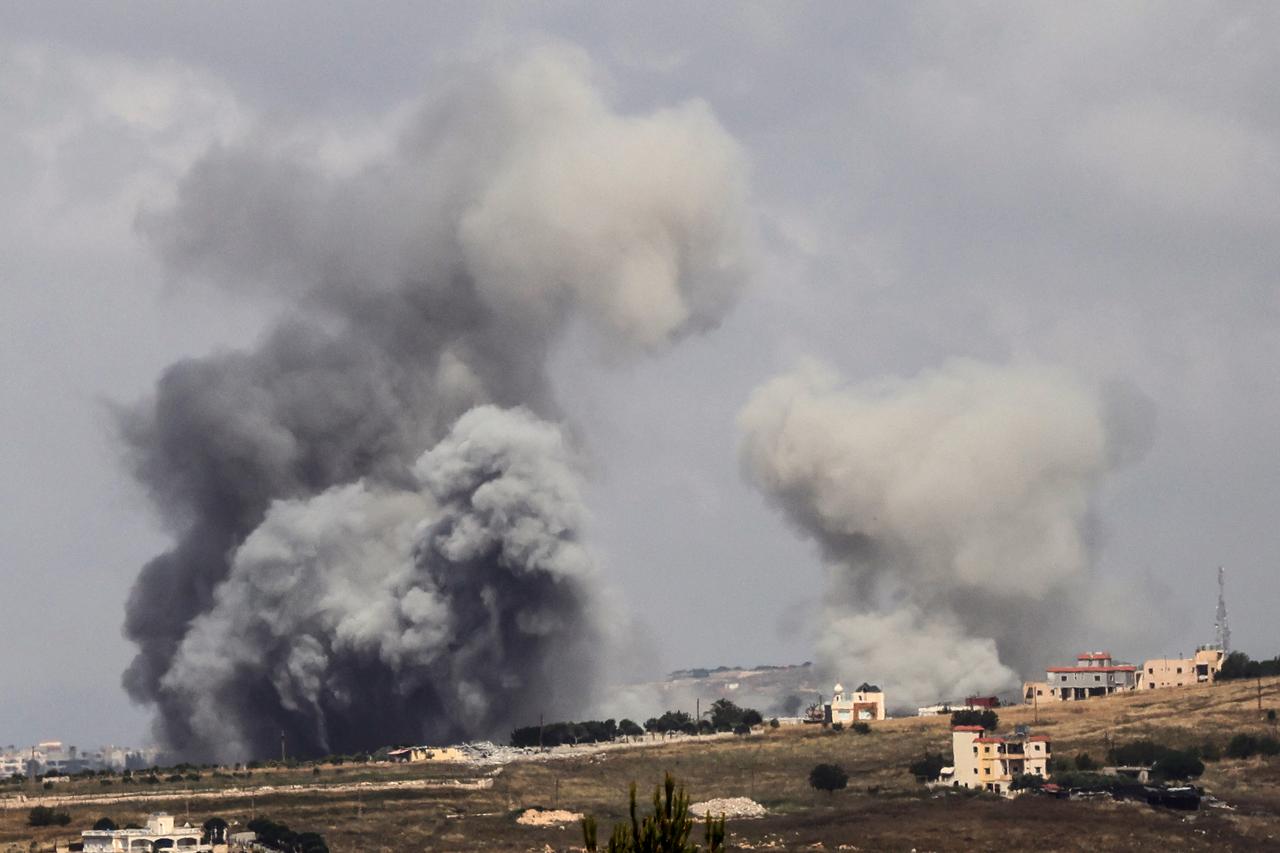
The Israeli army launched intense airstrikes on Lebanon on March 2 and occupied several towns in the country’s south. The Lebanese government said the number of internally displaced people exceeded 1 million during that period.
U.S. President Donald Trump announced on April 24 that a 10-day temporary cease-fire between Lebanon and Israel, which took effect on April 17, had been extended for three more weeks.
After U.S.-mediated talks on May 14-15, the ceasefire was extended for 45 more days starting May 17. Lebanon’s Health Ministry said 3,371 people have been killed in Israeli attacks since March 2.
Israeli Prime Minister Benjamin Netanyahu said on May 25 that he had instructed the army to increase attacks on Lebanon.


 Set as preferred source
 Set as preferred source


 1 min read
 1 min read