Newsletters





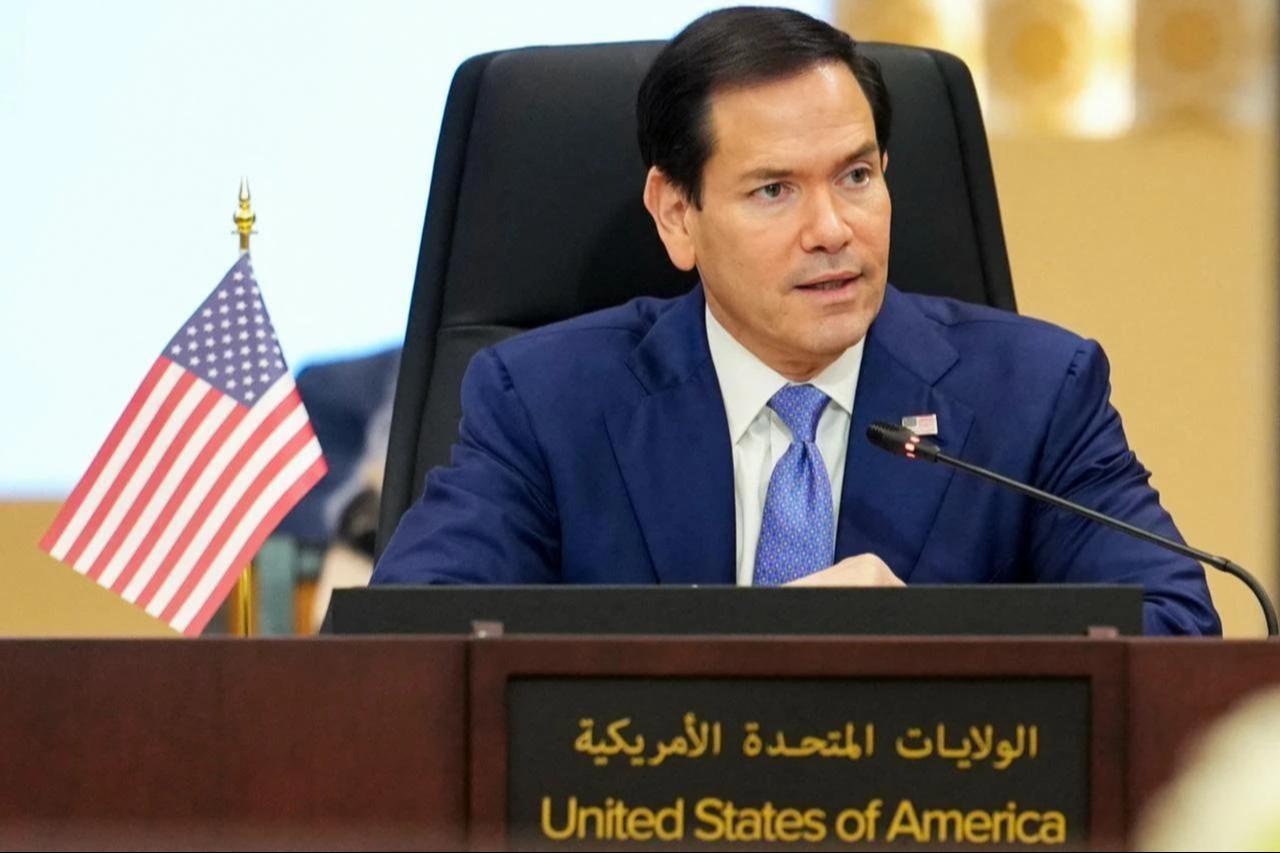
U.S. Secretary of State Marco Rubio has told several allied foreign ministers that Washington does not expect to initiate new strikes against Iran “for the time being,” as the Trump administration shifts its focus toward sanctions, a naval blockade and efforts to move more oil through the Strait of Hormuz, Axios reported Tuesday.
Citing a U.S. official and a second source familiar with the matter, Axios said Rubio outlined the administration’s current Iran strategy in recent phone calls with foreign counterparts.
The approach includes avoiding new military action for now, increasing economic pressure through the U.S. naval blockade and a new Treasury Department sanctions initiative, and moving as much oil as possible through the Strait of Hormuz and into global energy markets.
One U.S. official said Rubio made clear that Washington was not planning a return to major combat operations, although strikes would remain an option if Iran attacks first.
A second official said the policy could remain in place at least until after the U.S. midterm elections, after which a new military campaign could again be considered.
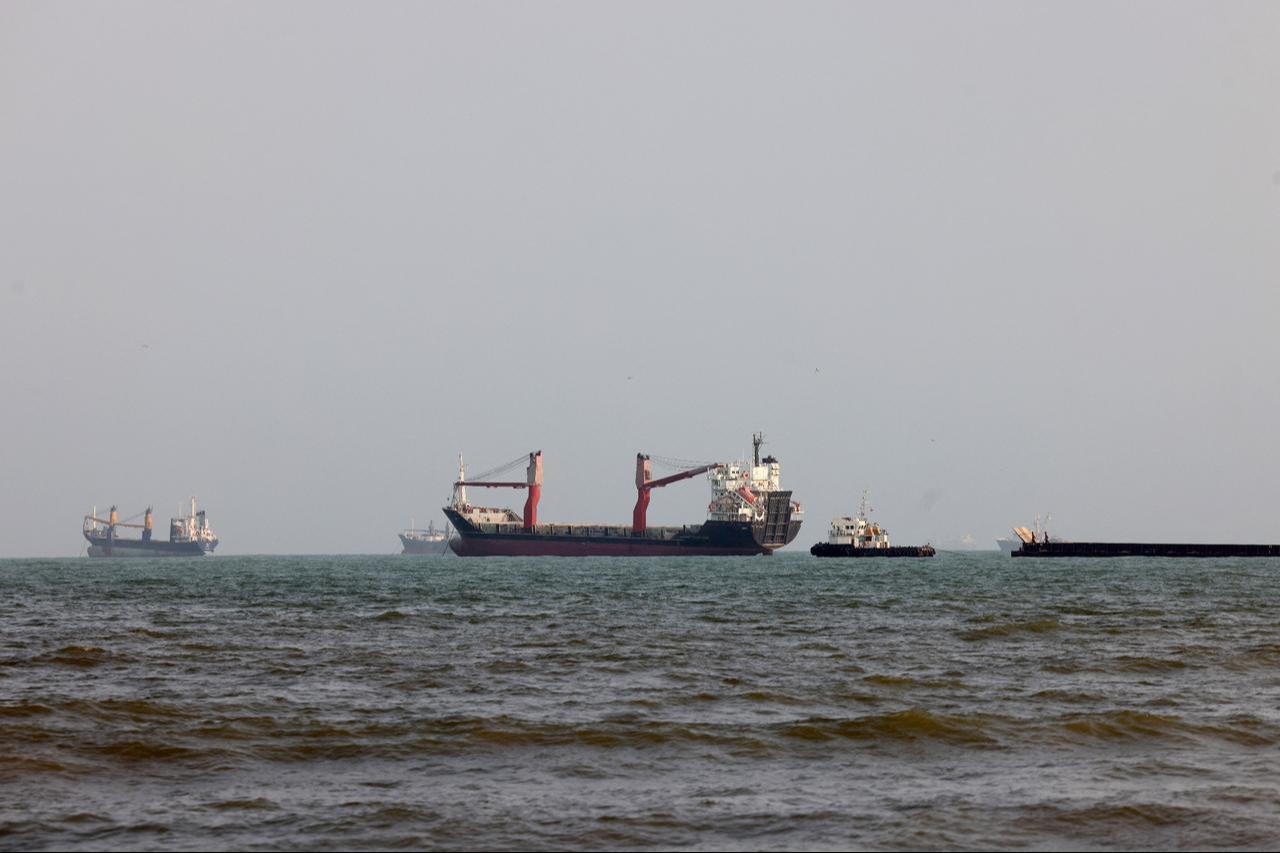

U.S. officials described the Navy’s clearing of mines from most of the Strait of Hormuz as a major turning point in the conflict.
They said mine clearance, together with an increasing number of tankers using the southern lane of the strait in recent weeks, had significantly reduced Iran’s leverage over global energy markets.
“The Iranians have lost control over the strait. Now the U.S. controls it,” one U.S. official told Axios.
Officials also said the naval blockade was cutting Iran off from important revenue, with almost no tankers spotted at Kharg Island, Iran’s main oil export hub, over the past two weeks.
“The Iranian economy is in free fall and the regime’s military has been decimated,” State Department spokesperson Tommy Pigott told Axios, adding that Washington was cutting off what he described as Iran’s remaining financial lifelines.
Pigott said President Donald Trump remained committed to preventing Iran from obtaining a nuclear weapon and would use the tools necessary to achieve that goal.
Pakistan’s Army Chief Field Marshal Asim Munir, visited Tehran on Sunday for talks with Iranian leaders. Pakistan has served as a key mediator between Washington and Tehran since the war began.
Al Arabiya reported that Munir spoke with Trump before the visit and suggested a new proposal for Iran.
The White House did not deny that Trump spoke with Munir but said there were no current or scheduled negotiations with Iran.
U.S. officials told Axios that developments in the Strait of Hormuz and rising oil flows from the Gulf had weakened Iran’s position in any future negotiations and made a potential Oman-Iran arrangement over the strait irrelevant.
“Right now we are not negotiating with Iran. We are squeezing them. The pressure could drive the Iranians back to the table,” a U.S. official said.
White House envoys Steve Witkoff and Jared Kushner, who have been leading negotiations with Iran, are expected to visit U.S. Central Command on Wednesday for briefings on the situation, according to a source familiar with the matter.
Earlier Tuesday, Iranian Deputy Foreign Minister Kazem Gharibabadi rejected U.S. claims that mines had been cleared from the Strait of Hormuz.
“If the United States claims that the mines have been completely cleared, why doesn't a U.S. ship pass through?” Gharibabadi said. “If they have cleared them, why don't they pass? No one except Iran knows the location of these mines.”
He also warned that U.S. minesweepers entering the area would be considered targets.
“If U.S. mine-sweepers enter the region, they will become targets for us,” Gharibabadi said, adding that Trump’s statements about mine clearance were intended to calm markets.


 Set as preferred source
 Set as preferred source


 2 min read
 1 min read