Newsletters


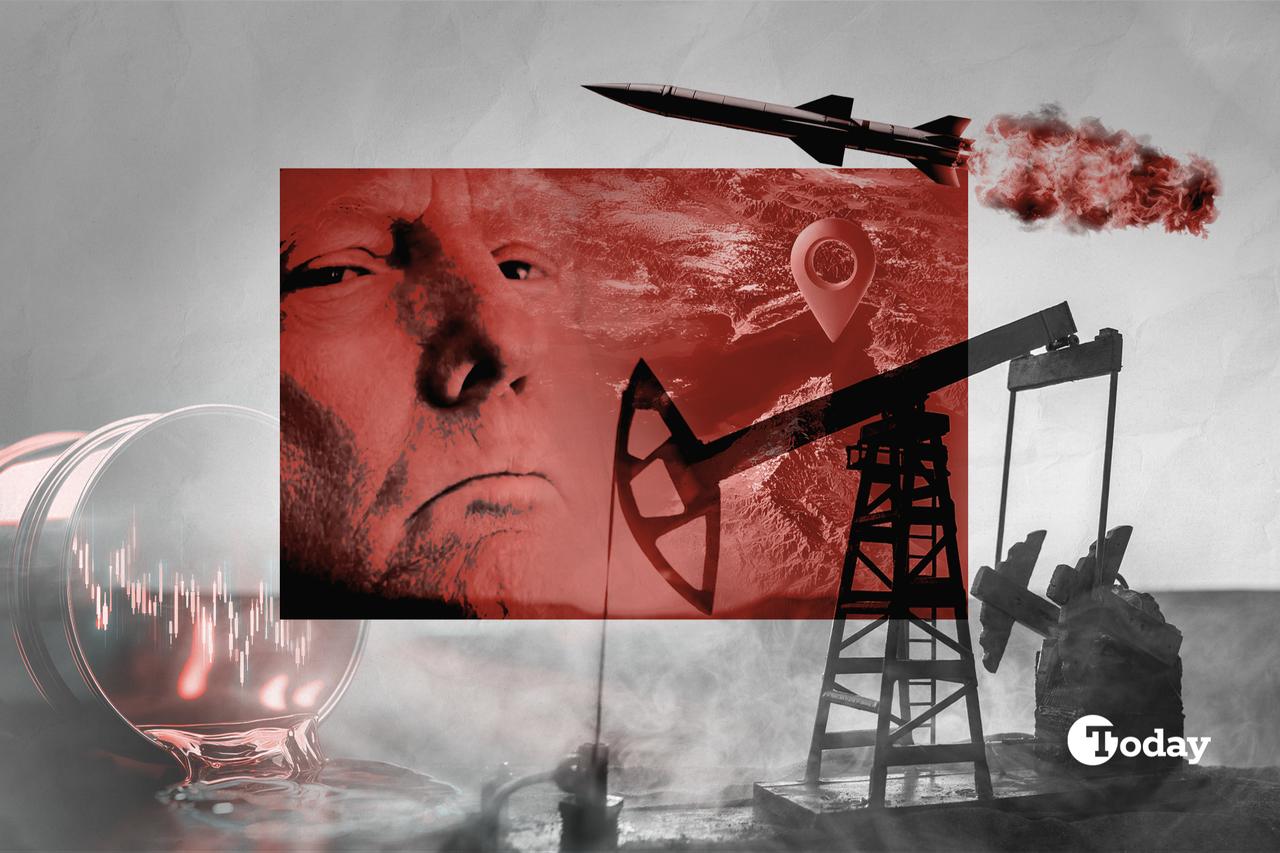


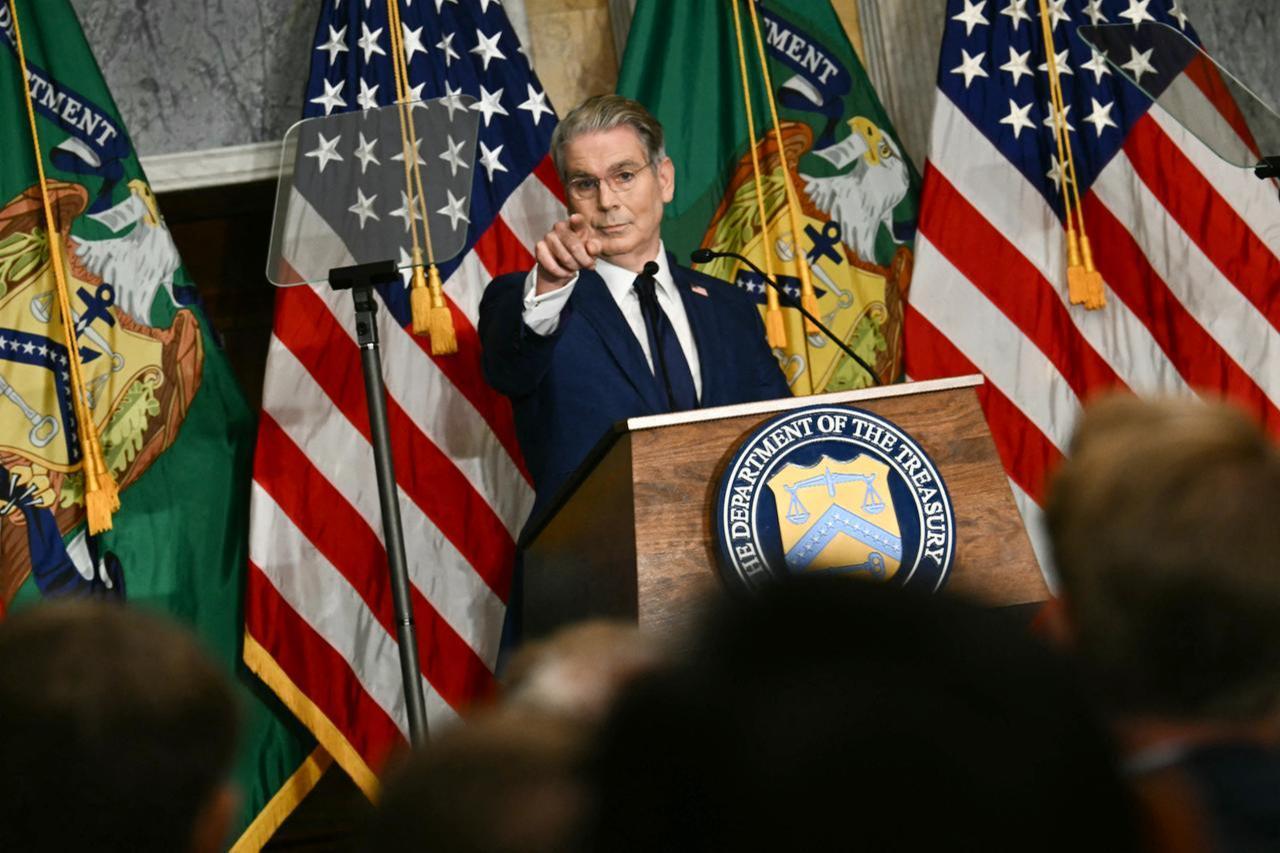
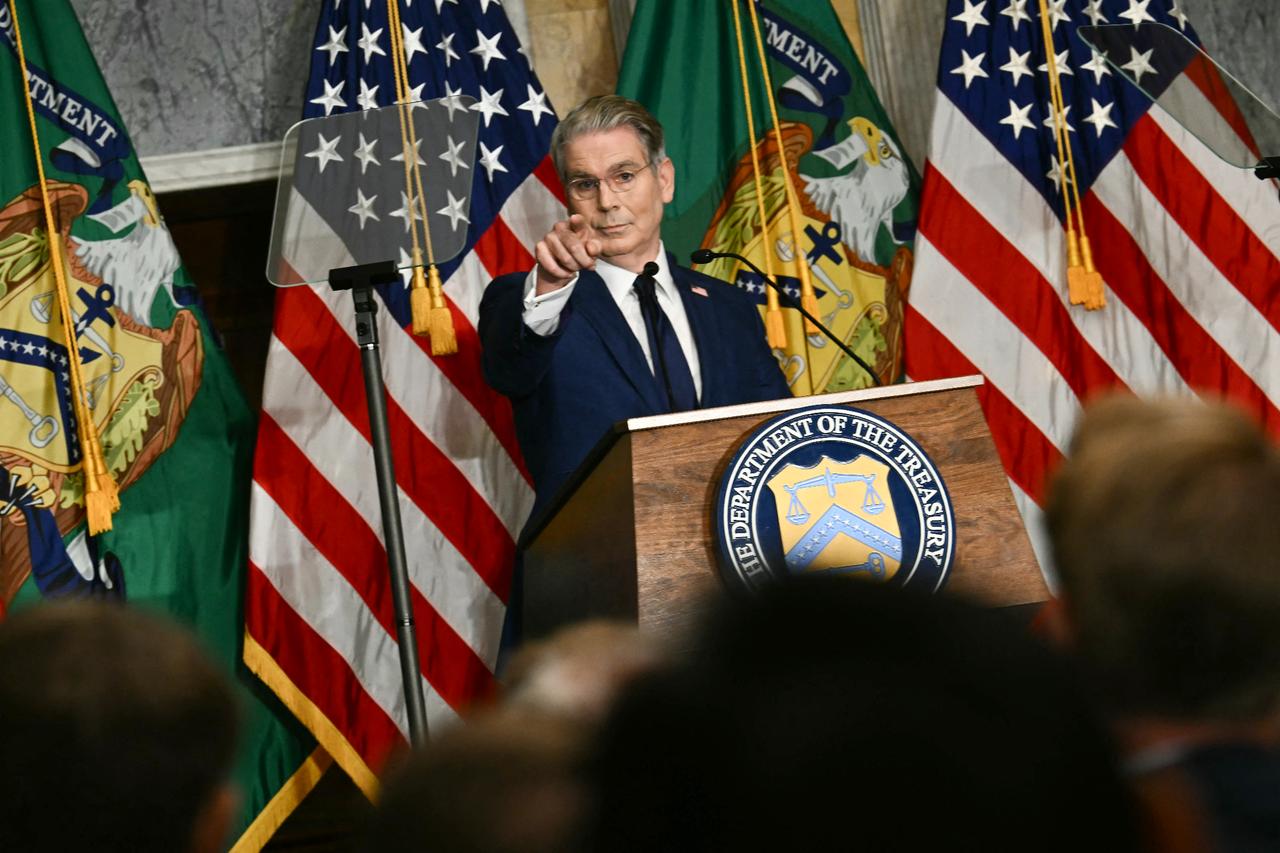
Standing before a wall of cameras at the Treasury Department, Secretary Scott Bessent didn't deliver a policy update. He delivered a declaration of war.
What he branded an "Economic D-Day" against the Iranian regime came complete with a five-part invasion plan projected behind him: digital assets, technology, gold, aviation, and shipping. Sixty entities scattered from Hong Kong to the United Arab Emirates were blacklisted, accused of sustaining Tehran’s "shadow fleet." The rhetoric was designed to project absolute, crushing finality—a financial blitzkrieg.
Yet, the history of conflict teaches us that running the tape of statecraft backward rarely yields a masterpiece. If the legendary Prussian strategist Carl von Clausewitz famously observed that war is the continuation of politics by other means, Washington has engineered a bizarre, tragic inversion: trying to make economic warfare the desperate continuation of a military campaign.
Typically, empires impose severe sanctions to preclude the necessity of war. As Hussein Banai of Indiana University observes, this policy of retroactive economic punishment is "akin to trying to unknot a mistake by pulling at both ends."
Moreover, a "D-Day" is defined not by the unilateral anger of a single superpower, but by the painstaking construction of an unbreakable coalition. The real triumph of June 1944 was built on the ego-taming diplomacy of General Dwight Eisenhower, who kept towering Allied commanders marching toward a single destination. Today, Washington’s "Economic D-Day" lacks its Eisenhower.
Instead of cultivating allies, the current administration has picked tariff fights with Canada, alienated European partners, and even threatened to bomb regional intermediaries like Oman.
Without global buy-in, these sanctions inevitably degenerate into a geopolitical game of "whack-a-mole," where choked financial channels simply migrate to more clandestine, non-dollar networks.
Daniel Fried, who used to run sanctions policy at the State Department and now writes for the Atlantic Council, read the same announcement and reached for a different label: a warning shot, not an economic death blow.
Fried noticed that Bessent had said so himself, telling reporters he didn't want to "blow up the global financial system." That's revealing, Fried wrote: Washington is threatening third countries that keep dealing with Iran, but Bessent isn't eager to pay the cost of following through.
This leaves the entire enterprise suspended in an expensive, destructive vacuum. The United States went to war against Iran because economic sanctions had failed to yield results.
Nothing so far suggests the same method will work the second time around. And if the more sweeping sanctions now on the table were always available, the obvious question is why they weren't used before the war started.

Banks, shippers and companies still doing business with Iran's key sectors get a short deadline to cut ties or lose access to the US financial system.
"No one is above the reach of U.S. sanctions," Secretary Bessent said, describing the campaign's name, Operation Economic Outcast, as a message to anyone who turns Iranian oil into money and, in his phrasing, repression.
Around 60 entities go on the list, scattered across Hong Kong, Malaysia, the UAE, Singapore, the usual zip codes for laundering Iranian oil money and running the shadow fleet that keeps Tehran's crude moving after dark.
Bessent promises a bigger name is coming within the week, a "major financial institution," and declines to say which one.
Hussein Banai, who has spent a career at Indiana University watching Washington do this to Tehran, isn't impressed by the choreography.
"Very high on rhetoric and very thin on specifics," he says, and when pressed for a number, he gives one: the ratio of talk to action, he estimates, runs somewhere around 90 to 10.
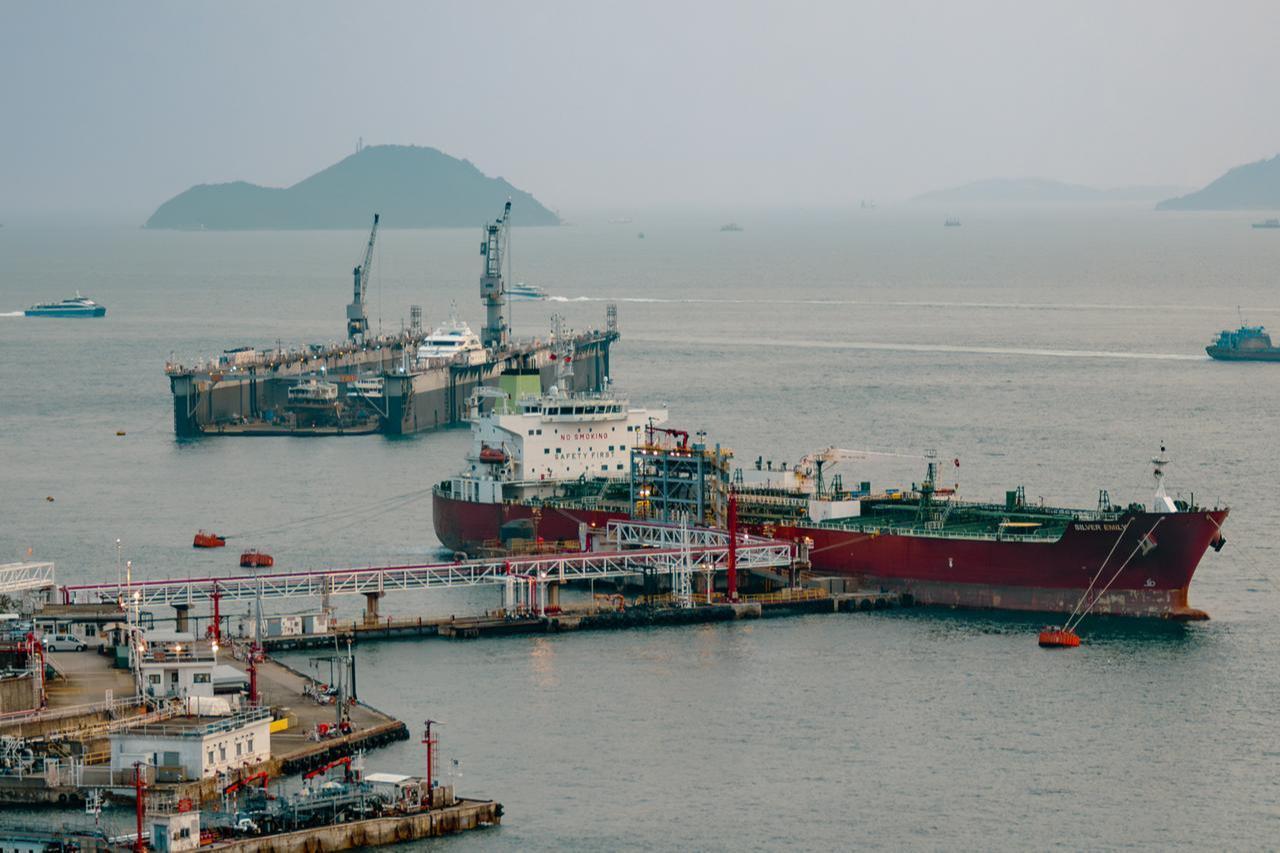
Before the naval blockade effectively halted Iranian crude exports through the Strait of Hormuz, Chinese refineries were absorbing close to 90% of what Iran managed to ship, according to Nikoladze's tally, and Iranian oil made up roughly 12% of China's crude imports. No major Chinese bank, refiner or port operator appears in this week's designations.
Frederick Kempe, who runs the Atlantic Council, put it in terms a midterm candidate can understand: squeeze China's Iran trade and you risk feeding inflation right as voters start paying attention, while inviting Beijing to retaliate on critical minerals, the one category where China still holds the better hand.
Dexter Tiff Roberts, who spent two decades reporting out of Beijing, notes that China has spent recent years quietly assembling its own anti-sanctions law, tested and ready. The Communist Party's Global Times has already previewed the mood, applauding Canada's pushback against American tariffs as a "Chinese-style counterattack."
Xi arrives in Washington within weeks. The tariff truce between the two countries expires this fall. Bessent insists China isn't automatically exempt. He also declines to name a date, a target, or a consequence, which is diplomatic for: ask me again after the summit.
The UAE suspended trade with Iran last week, and Bessent points to it as proof the pressure is already working. Nate Swanson, who watches Iran for the Atlantic Council's Scowcroft Center, reads the same headline as a warning rather than a victory lap: Iran, he argues, will shoot back before it starves, and the countries being asked to comply are the ones sitting closest to the blast radius.
Jonathan Panikoff notes Washington does hold one real card, the dollar peg every GCC state but Kuwait still carries. But the politics have shifted since the last time this campaign ran. Saudi Arabia is leaning toward rapprochement with Tehran, not away from it, and a Gulf pushed hard enough by Washington may simply drift toward Beijing instead.
Even inside the administration, nobody has settled what winning looks like. Bessent's framing implies regime change. Vance talks about a return to the table. Khalid Azim calls the whole exercise a game of whack-a-mole, since Iran has three decades of practice rerouting money the moment one channel closes, and argues that raising Tehran's costs is a very different achievement from starving its war machine.
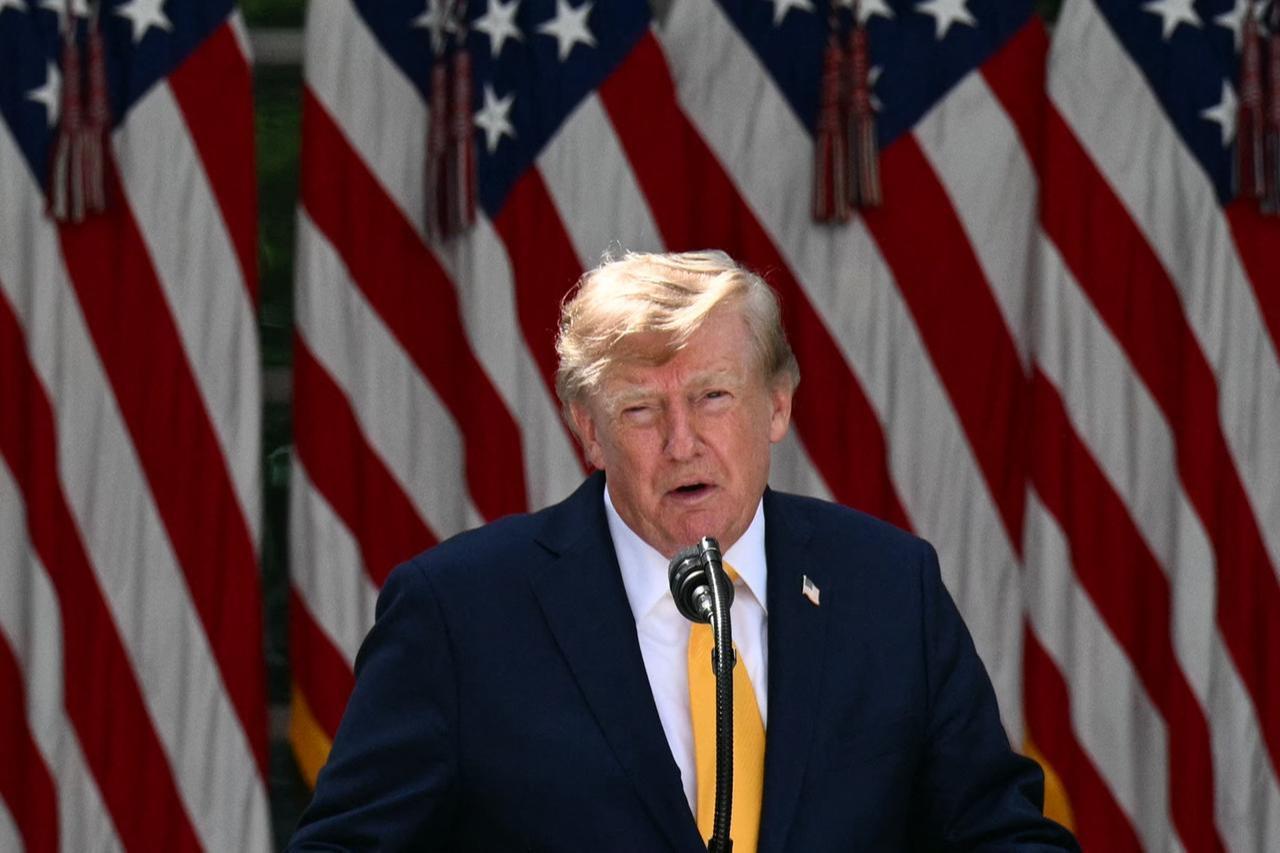
Atlantic Council's Lesley Chavkin notes that most of the valuable targets inside Iran are already sanctioned, which leaves Washington chasing secondary sanctions against foreign firms in Türkiye, India, China, the UAE, a slower and costlier fight that risks pushing trade into channels the dollar can't follow.
Thomas Warrick takes Bessent's own metaphor and turns it against him. D-Day worked because Eisenhower held together an alliance of difficult, proud men who didn't naturally like each other.
In the months building up to this announcement, Trump taxed Canada, bruised Britain and Europe, and threatened to bomb Oman. Economic D-Day needs an Eisenhower.
Banai predicts the story has about a week of shelf life left before it gets filed next to the failed talks in Islamabad and the ceasefire that was never quite a ceasefire. The 60 entities, the five sectors, the one still-unnamed bank, none of it is new. It was all sitting in the drawer in January, waiting for someone to decide it was worth the cost of opening.
The war didn't buy Washington any leverage it didn't already have. It just bought six months of delay before admitting it.


 Set as preferred source
 Set as preferred source


 1 min read
 1 min read