Newsletters


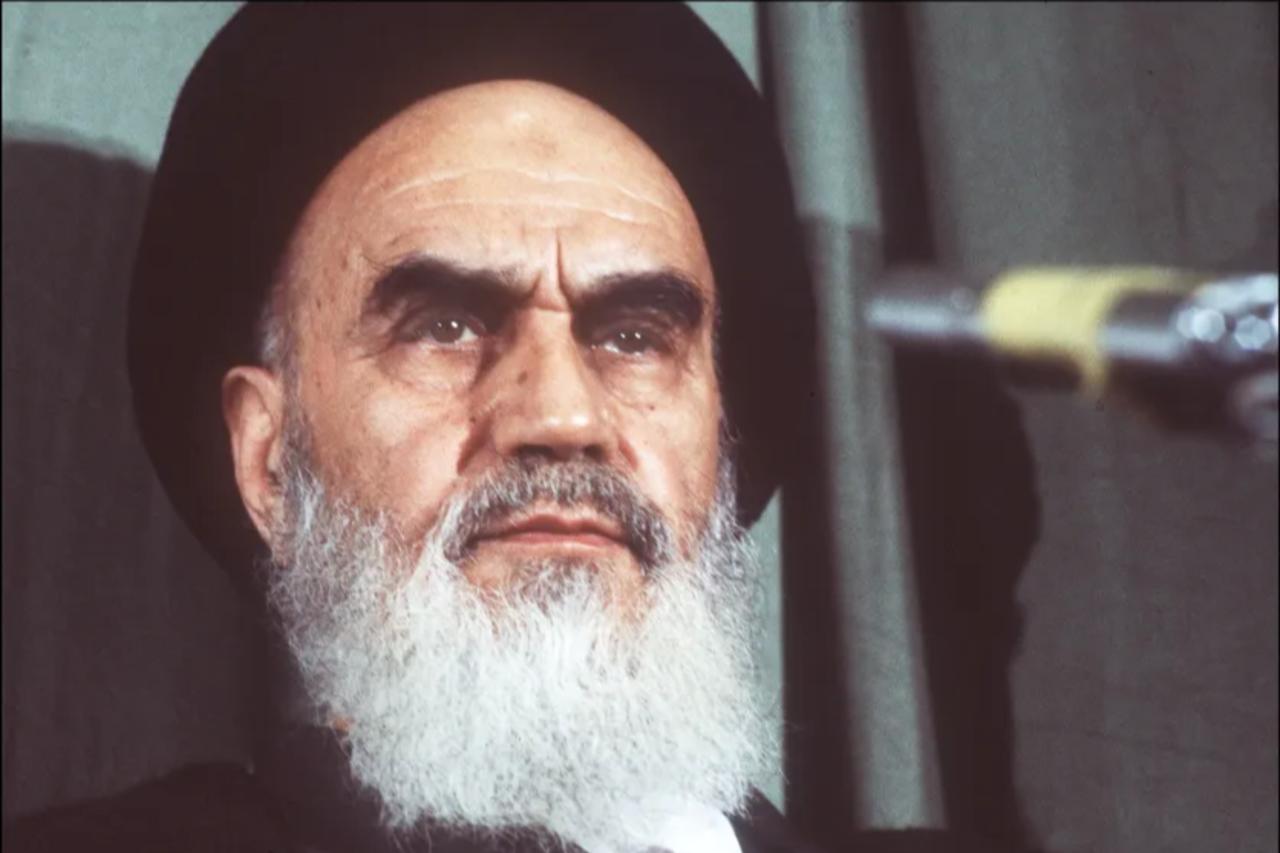


A newly resurfaced Turkish magazine feature has revealed a lesser-known chapter in the life of Ruhollah Khomeini before the 1979 Iranian Revolution.
Ruhollah Musavi Khomeini was an Iranian cleric, political figure, and revolutionary who created the Islamic Republic of Iran.
He led the Iranian Revolution that removed Mohammad Reza Pahlavi from power and reshaped Iran into a theocratic Islamic state. Khomeini served as the country’s first supreme leader from 1979 until his death in 1989.
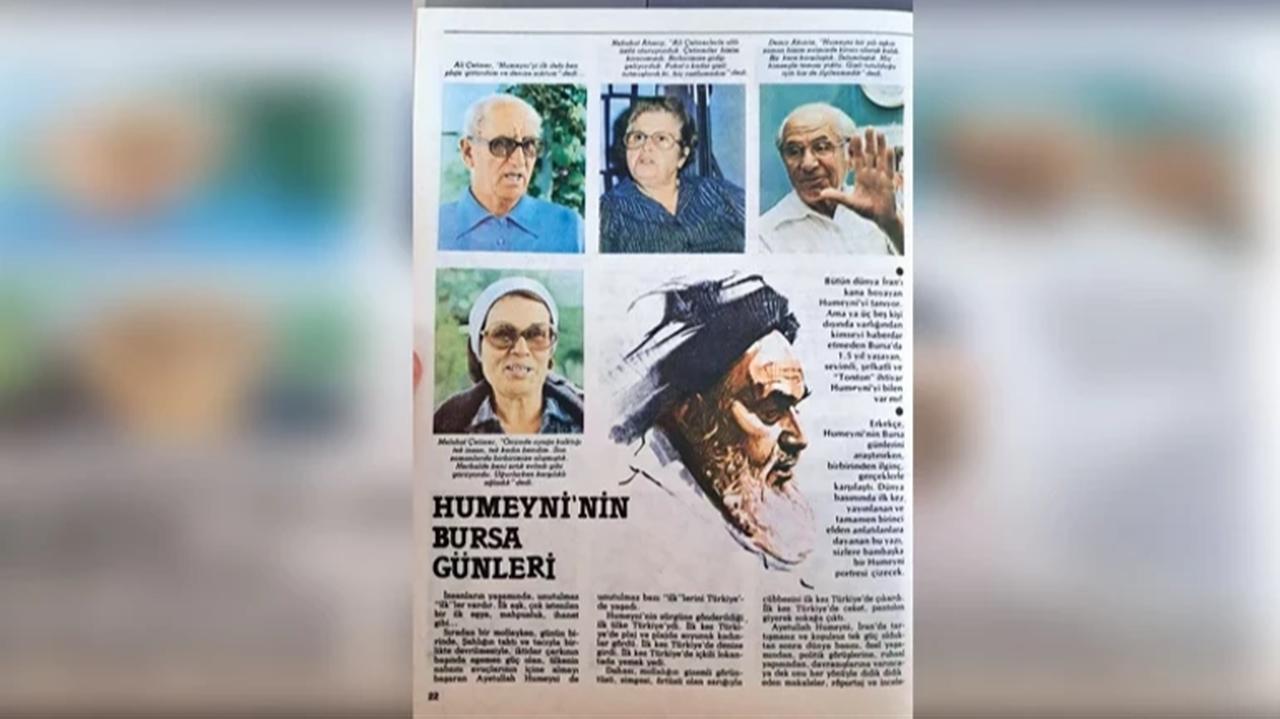

Turkish columnist Gokce Aytulu wrote that Khomeini lived in forced exile in Bursa in 1964 and became the subject of a magazine profile that presented a version of his life very different from official historical narratives.
According to the report, Khomeini arrived in Türkiye after his arrest in Iran during the period known as the White Revolution. The White Revolution aimed to introduce sweeping reforms. The reforms also reshaped wealth distribution and deepened social tensions in Iran.
The report states that Khomeini became one of the first clerics to openly oppose Shah Mohammad Reza Pahlavi. Iranian authorities imprisoned him in 1963. After his release in 1964, authorities sent him first to Ankara and then to Bursa.
The Turkish state placed him under supervision. Intelligence officer Ali Cetiner received responsibility for Khomeini’s stay. Officials required that Khomeini’s identity remain secret. The operation moved quickly. Cetiner hosted Khomeini in his own home together with his wife, three children, and an accompanying Iranian officer.
The report described Khomeini not as a revolutionary leader in waiting but as a quiet religious figure who adapted to daily life in Bursa.
The report described how Khomeini struggled with confinement inside the house. He asked to go outside and Cetiner told him to remove his robe and turban to avoid attention.
Although Khomeini refused at first, he later accepted Cetiner’s offer of a jacket and trousers. The two then walked through Bursa and visited the Ulu Cami.
As neighbors began to notice the unfamiliar guest, Cetiner’s wife Melahat created a cover story. She told people, "He is my father in law. He lived in Urfa. After my mother in law died he was left alone. We brought him to live with us." This invented identity became known as the Urfali kayinpeder story.
The household soon became crowded. The families moved to two houses in the garden district of Cekirge. Khomeini stayed in one house. The Cetiner family stayed in the other. Khomeini did not leave the house without Cetiner.
Turkish authorities covered Khomeini’s expenses. At the same time, opponents of the Shah in Iran began sending large sums of support to Bursa. Later, supporters from Iran visited him. Organizers rented a separate house in Istanbul to receive visitors in order to avoid drawing attention in Bursa.
During visits to Istanbul, the group struggled to find a restaurant without music or alcohol. Cetiner persuaded a restaurant owner in Taksim by saying, "We have a guest with a nervous condition. If I bring him for dinner will you turn off the music." Khomeini ate there during Istanbul trips.
Later, during a visit to Izmir, Khomeini did not object to eating at Sukran Lokantasi in Kemeralti even though it served alcohol and played music.
The report also states that Khomeini began speaking some Turkish and praised the city. He reportedly described Bursa as "a rose garden." He visited countryside picnic areas and enjoyed Bursa’s bathhouses.
During one Istanbul trip, Iranian visitors asked to swim. The group went to the municipal beach in Florya. Khomeini sat facing a wall while others entered the sea. Later, at an empty beach in Gemlik Kumla, Khomeini entered the water himself. Cetiner recalled, "He said it was his first time in the sea and that he liked it very much."
Khomeini remained in Bursa for about one year. After his stay in Türkiye, he moved to Iraq and later to France. He eventually returned to Iran and led the 1979 revolution that overthrew the Shah.
The report states that Khomeini later sent a postcard to the Cetiner family from Iraq. Years later, during an interview with the French press in Paris, he sent greetings to his friends in Bursa.


 Set as preferred source
 Set as preferred source


 4 min read