Newsletters


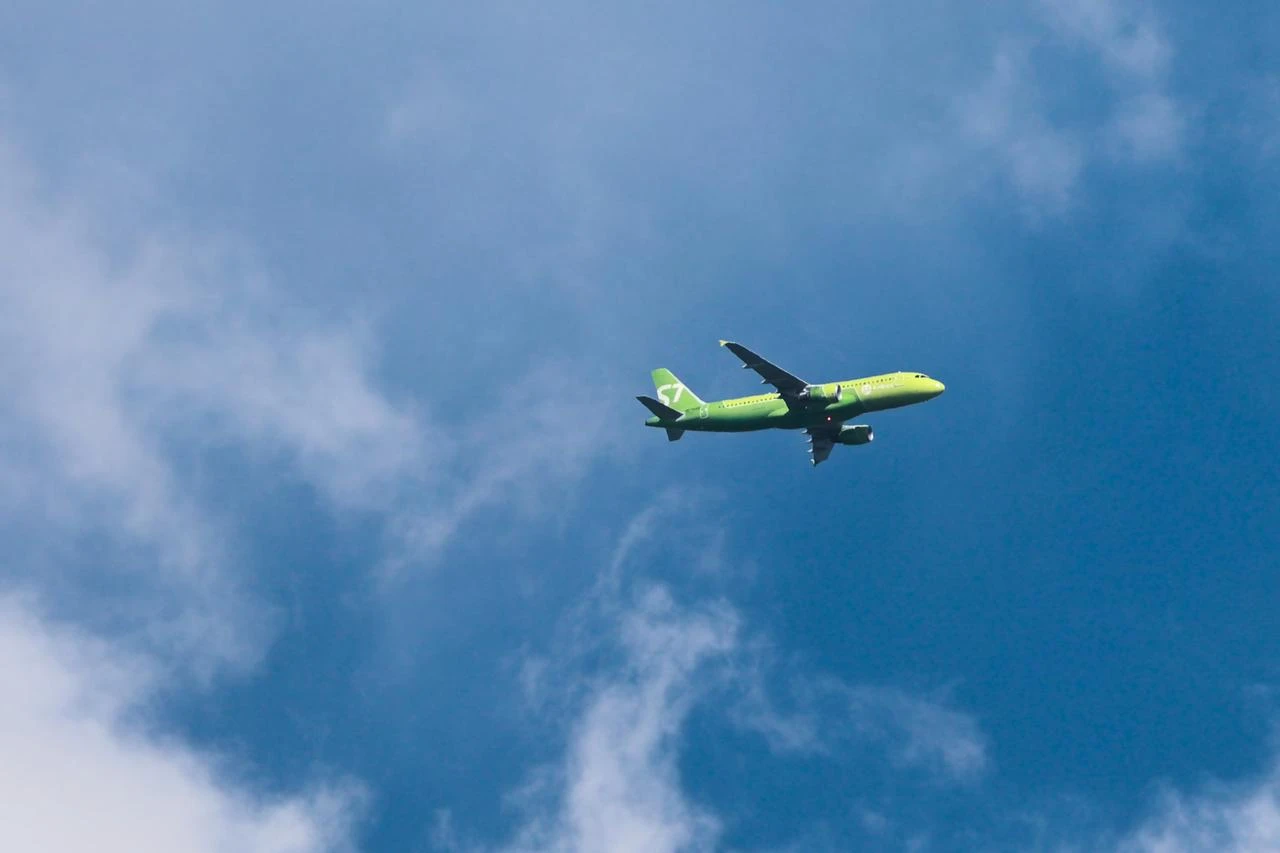


Russia has lowered the maximum flight altitude for aircraft flying around Moscow to 4,900 meters after the recent rise in Ukrainian drone attacks, a move expected to increase flight times and fuel consumption.
The restrictions, introduced by Russia's federal aviation authority Rosaviatsia at the request of the Defense Ministry, apply to civil, experimental and state aircraft operated by both Russian and foreign airlines, Russian media reported. They cover the Moscow Terminal Control Area, including Sheremetyevo, Vnukovo and Domodedovo airports.
Before the change, aircraft typically entered the Moscow approach area at altitudes of around 8,250 to 8,550 meters. The new rules lower the maximum permitted altitude to about 4,900 meters, reducing the ceiling by roughly 3,400 meters.
The measure is designed to allow aircraft to descend more quickly and land at the nearest airport if a security threat emerges. At the same time, flying lower means aircraft take longer to reach their most fuel-efficient cruising altitude, pushing up fuel consumption.
Airlines expect the restrictions to add between 5 and 15 minutes to flight times depending on the route, while rerouted transit services could face delays of 20 to 30 minutes. Aviation experts also warn that spending more time at lower altitudes may increase the risk of bird strikes.
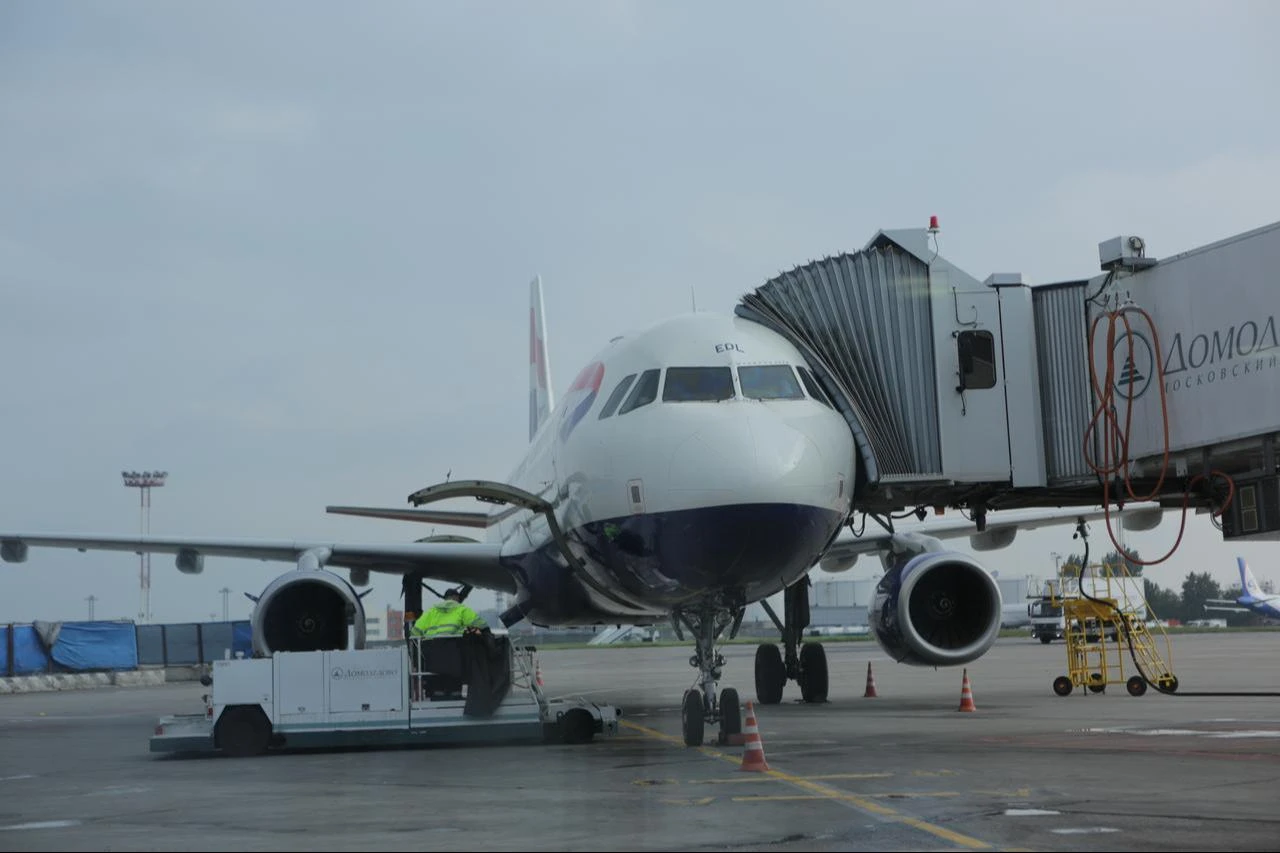

Rosaviatsia introduced the measures to improve flight safety, while sources familiar with the decision told Kommersant they were prompted by Ukrainian drone attacks. Industry sources expect the current NOTAM to be extended beyond its initial validity period.
The new rules are still viewed as less disruptive than the "Carpet" emergency regime, under which drone attacks force authorities to clear the airspace entirely and suspend flights.
Even so, aviation experts believe the current restrictions are unlikely to be lifted before the war in Ukraine ends and could eventually be rolled out across other regions of Russia if security threats persist.


 Set as preferred source
 Set as preferred source


 2 min read
 1 min read