Newsletters


A Russian invasion of a NATO country remains "highly unlikely" but "cannot be ruled out," Denmark's Defense Intelligence Service (DDIS) said in a new threat assessment released Thursday, warning that Russia's hybrid war against the West is escalating and expected to intensify in the coming months.
"The DDIS still sees no indications that Russia will launch an outright invasion of one or several NATO countries," the agency said.
"Even if Russia decides to invade a NATO country, it would likely take Russia at least six months to prepare and build up the necessary forces. Although a Russian invasion is highly unlikely, it cannot be ruled out," the agency added.
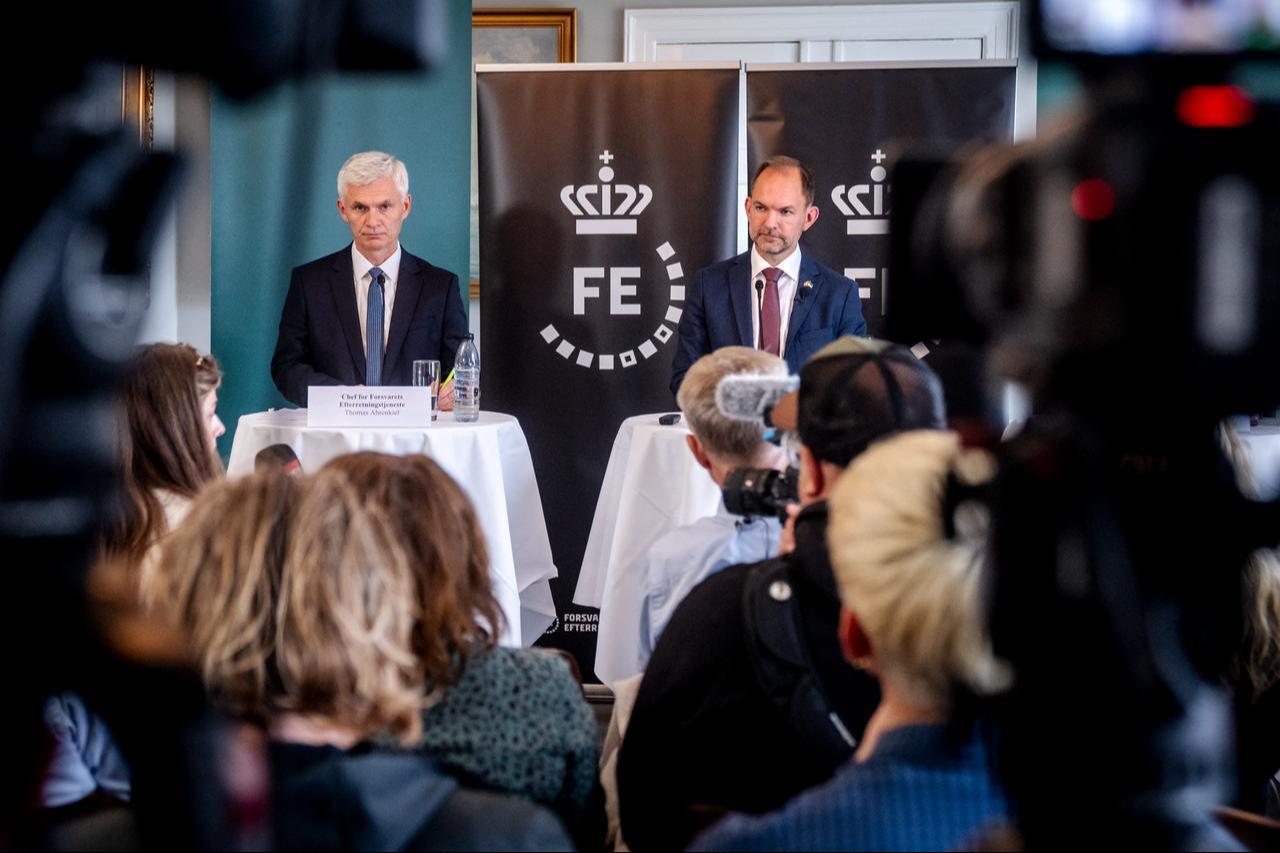
DDIS chief Thomas Ahrenkiel, presenting the assessment at a press conference, said: "There is a low but growing risk that Russia will launch a limited military attack against one or several NATO countries bordering Russia," adding that an outright invasion remains "highly unlikely" but "we cannot rule it out."
The assessment distinguished a full invasion from a smaller-scale operation, describing several ways a limited Russian attack could unfold: isolated strikes with long-range weapons on infrastructure supporting Ukraine, a "false flag" operation using Ukrainian-made drones, or the deployment of a small number of troops without national insignia into a NATO border country, potentially under the pretext of protecting Russian minorities.
"The aim is not to take over the country but to divide NATO," Ahrenkiel said.
The report noted Russia could also claim any weapons that struck NATO territory had been jammed by Ukraine and diverted there.
"A limited military attack would be a desperate move on Russia's part and, like the intensified hybrid attacks, could potentially take place in the coming months," the assessment said, describing its purpose as redirecting European resources away from Ukraine and sowing division within NATO should the alliance fail to agree on a collective response.
"There is a risk that Russia assesses that the NATO countries will not respond collectively, especially if Russia assesses that the United States cannot or will not support the European NATO countries in a potential war against Russia," the agency said.

The report assessed that Russia is "under more pressure than it has been at any other point during the war against Ukraine," citing sustained Ukrainian long-range strikes causing extensive damage inside Russia, heavy Russian losses for marginal territorial gains, and a Russian economy nearing crisis amid military spending, international sanctions, and Ukrainian strikes on Russian energy infrastructure.
Even so, the assessment said there is "no prospect of Russia achieving any major breakthrough in the war against Ukraine over the next six months," and that President Vladimir Putin remains "highly unlikely" to compromise on his fundamental war aims.
The report suggested Russia may see a strategic window closing in the years ahead: "Russia believes that Europe will gradually develop an autonomous military capability, which, by 2030, will pose an increasing threat to Russia. For Russia, the coming years therefore present a window of opportunity, during which President Putin could conclude that it is worth the risk attempting to drastically change the security order in Europe."
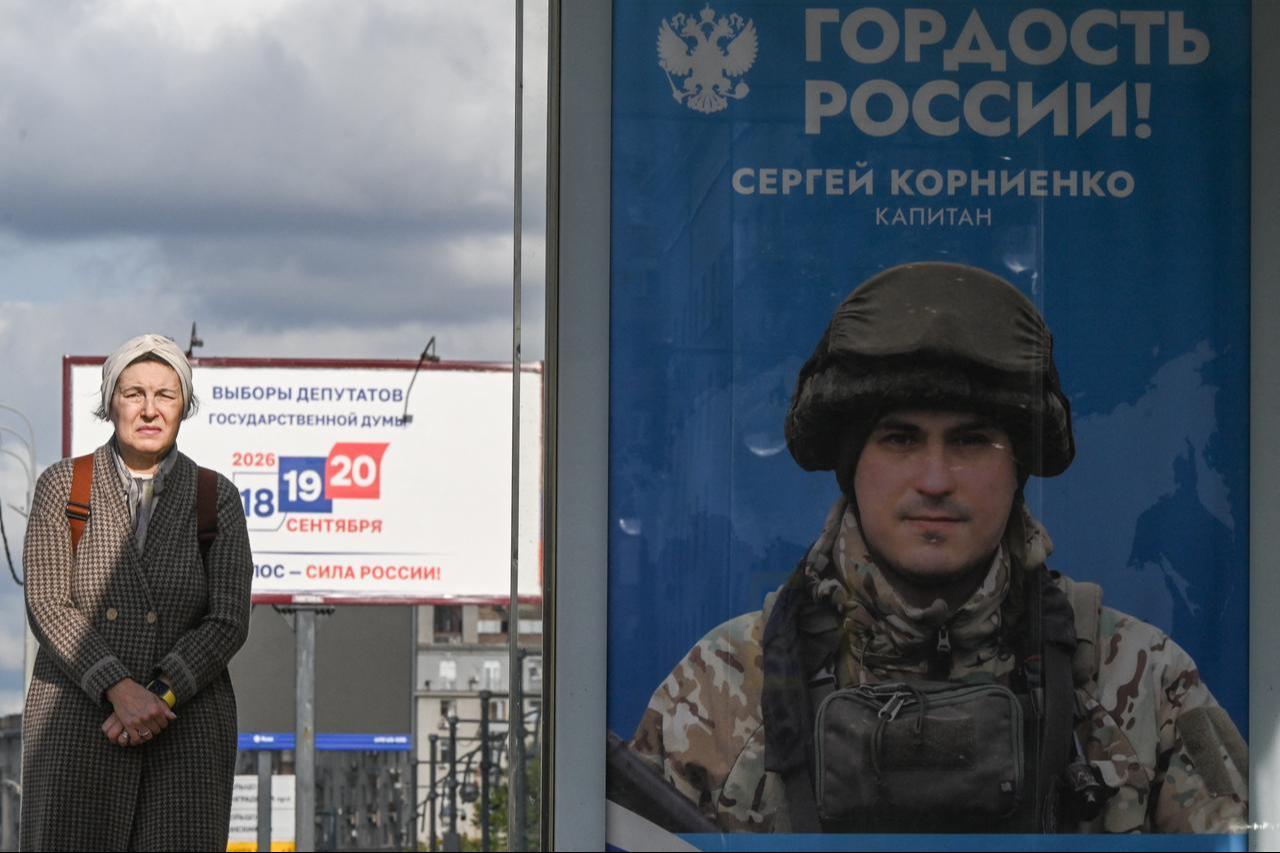
The DDIS said Russia's hybrid campaign against NATO and the West is "escalating."
"Russia has intensified its use of sabotage, destructive cyber attacks and is attacking targets in Europe with drones," the assessment said. It expects future operations to include "destructive cyber-attacks that cripple critical societal functions as well as sabotage attacks that carry a high risk of casualties," with attacks growing more frequent and carrying "greater consequences for the targeted countries than in the past."
The agency said such attacks, previously aimed mainly at spreading fear and eroding public support for aid to Ukraine, have expanded to include efforts to physically stop military support from reaching Ukraine, such as sabotage against defense companies or rail transports carrying military equipment.
The DDIS separately confirmed its earlier assessment that Russia could wage a localized war against a country bordering Russia within six months, could pose a "credible threat" to several Baltic-region countries within two years, and "within approximately five years, Russia will be ready for a large-scale war on the European continent."
DDIS chief Ahrenkiel said Russia is already conducting concrete planning targeting Danish defense companies, though he stressed this does not mean Russia intends to attack Denmark directly.
"Russia's increased willingness to take risks has consequences for the security situation in Denmark," he said, adding: "We do not expect a conventional Russian military attack against Denmark."
Danish Chief of Defense Michael Hyldgaard said Russian threats against Denmark and its allies have increased.
"We expect increased intensity, and that it will become more serious and cause more damage," he said, adding that Denmark has brought forward army brigade investments, purchased more fighter jets, and is building up drone defense and long-range capabilities.
"We are ready to defend the Kingdom and our NATO allies. We will fight and win with what we have," Hyldgaard said.
Addressing a recent incident in which a Russian frigate fired two flares toward a Danish military helicopter photographing it in international waters, narrowly missing the aircraft, according to the Danish military, Hyldgaard said, "I think Russia is pressed and stressed when it comes to crewing their ships and maintaining a sufficiently professional level. It was actually a bit disappointing."
Danish Defense Minister Jeppe Bruus said Russia's actions would not shift Denmark's or NATO's support for Ukraine.
"Russia's offensive will not move Denmark's or NATO's support for Ukraine a single centimeter," Bruus said.
"Russia is under pressure and is not reaching its goals. That is also why they are going after those who support Ukraine. It just shows how pressured they really are," he added.
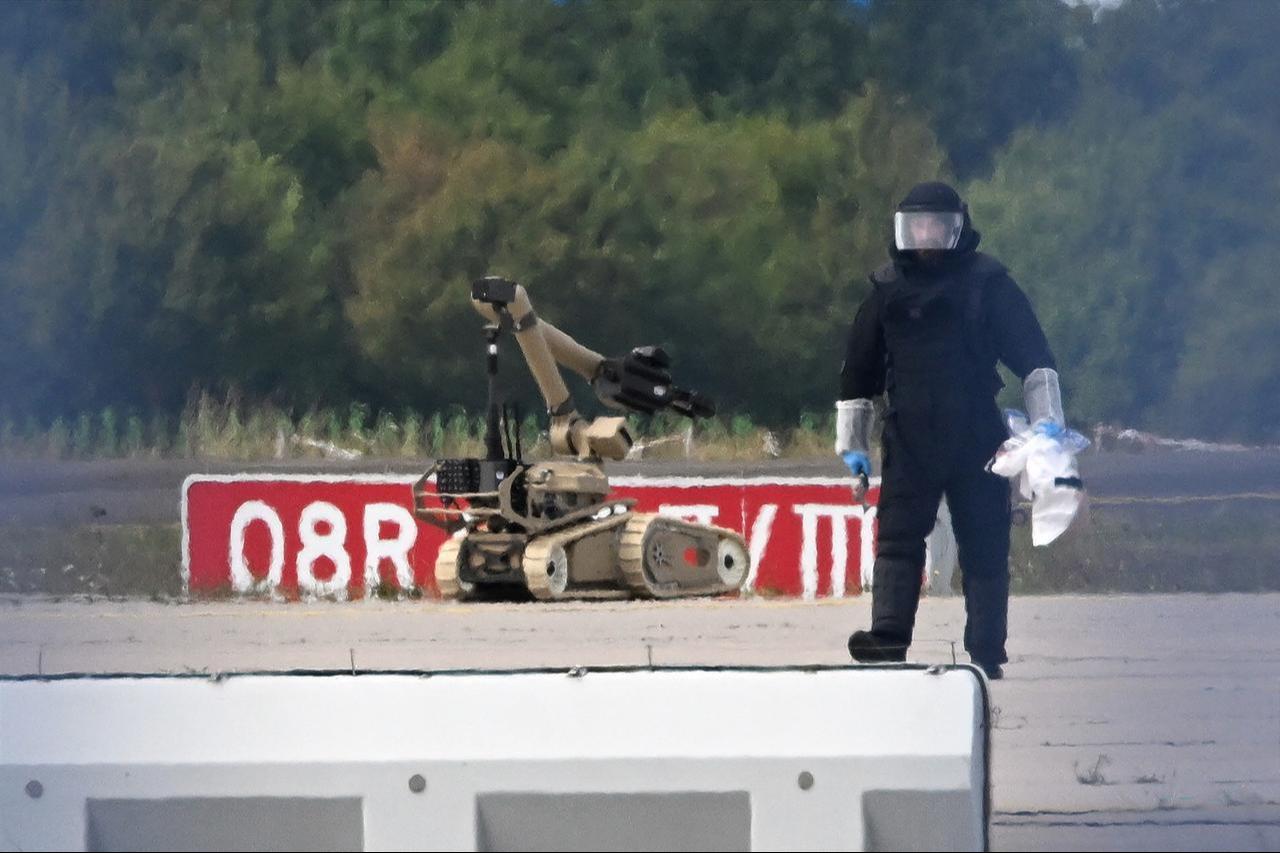
Hybrid warfare and sabotage on European soil drew renewed attention after Germany recently blamed Russia for an attempted drone attack at Leipzig/Halle Airport, prompting EU members to call for new sanctions against Russia and, separately, for some states to summon Russian embassy officials.
Moscow has repeatedly denied involvement in hybrid warfare, sabotage operations in NATO countries, or plotting any confrontation.
In a separate statement Thursday, the Danish Resilience Agency said it considers it likely that Russia will attempt destructive cyberattacks against Denmark and raised its threat level accordingly.


 Set as preferred source
 Set as preferred source


 1 min read

 1 min read