Newsletters


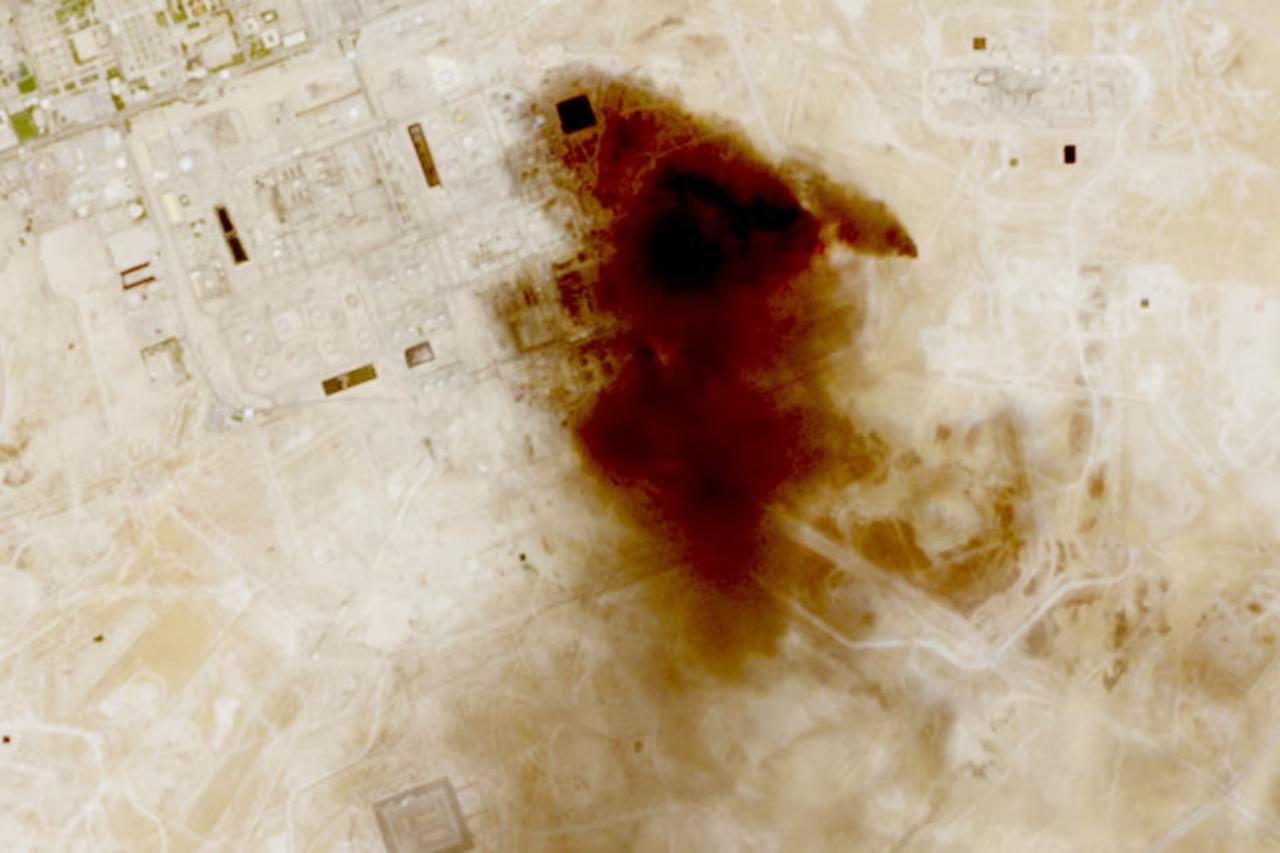


New satellite imagery provided by the European Space Agency showed large plumes of thick black smoke rising from Saudi Aramco's Abqaiq oil processing facility on Wednesday, hours after U.S. President Donald Trump announced a two-week ceasefire between the United States and Iran and following earlier reports of an Iranian attack.
The image was taken on April 8 at around 10:00 a.m. local time, or 3:00 a.m. Eastern time, according to the report.
It showed smoke and fire at the Abqaiq facility, one of Saudi Arabia's most critical oil processing sites.
The satellite image, provided by the European Space Agency, showed thick black smoke rising from the facility.
The report said the image came after earlier reports of an Iranian attack on Wednesday.
The timing placed the image just hours after Trump announced a two-week ceasefire between the United States and Iran.
Saudi Aramco declined to comment when contacted by CNN, the report said.
Saudi Aramco's Abqaiq facility was described as the world's largest crude stabilization plant.
According to the company, it provides around 5% of global oil supplies.
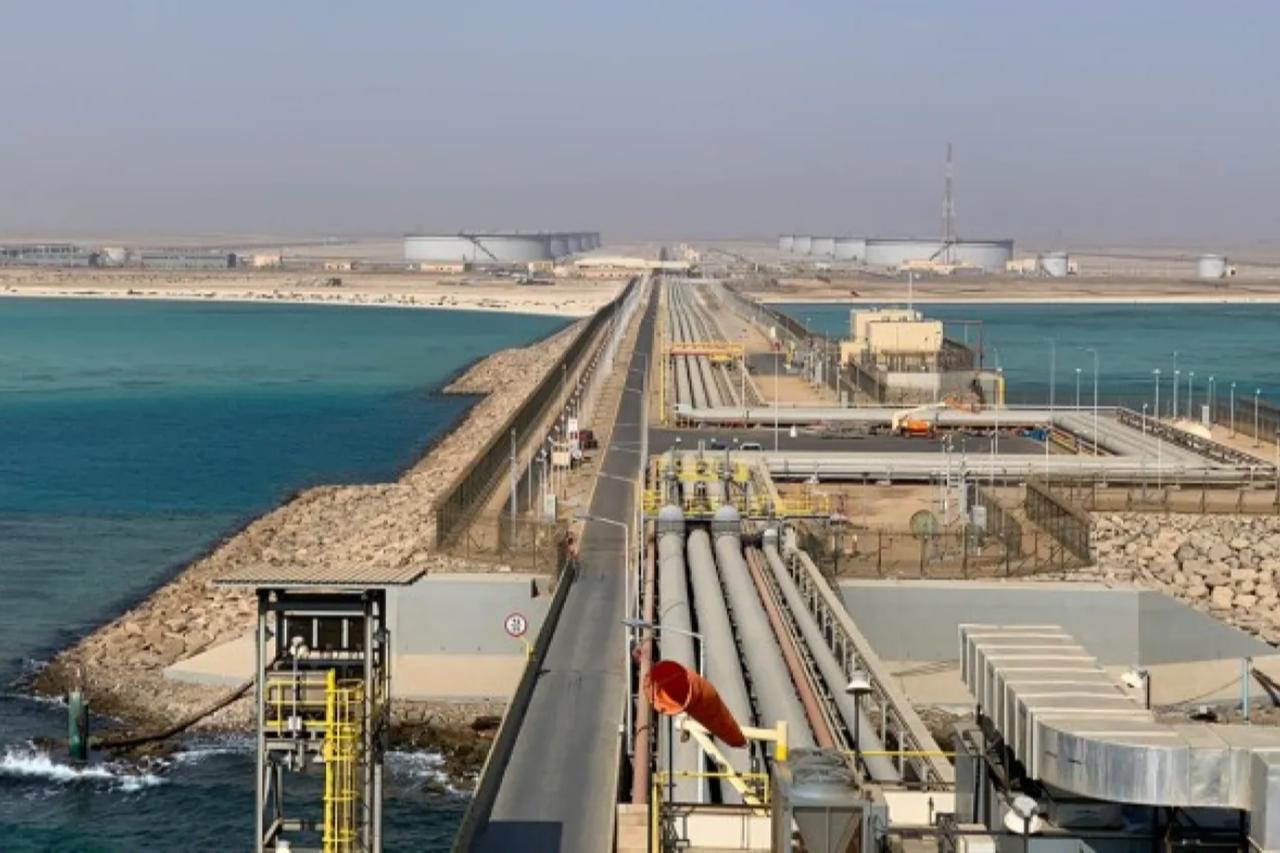
The facility processes sour crude oil and turns it into sweet crude oil before it is transported to both Saudi Arabia's east and west coasts through the East-West Pipeline.
That made the site a central part of Saudi Arabia's oil system.
The East-West Pipeline was described in the report as one of two routes out of the region that bypass the Strait of Hormuz.
With the war in Iran causing significant trade disruption, the pipeline has become a crucial part of Saudi Arabia's oil export trade since the effective shuttering of Hormuz.
The route carries crude across the country, linking Abqaiq and an oil field near the eastern Gulf coast with the Red Sea port of Yanbu.
The image of smoke and fire at Abqaiq, therefore, pointed to disruption at a facility linked not only to Saudi oil processing but also to one of the country's most important export routes during the war.


 Set as preferred source
 Set as preferred source


 1 min read
 1 min read