Newsletters





Saudi Arabia and Iraq on Sunday reaffirmed their rejection of the use of any country's territory to threaten the security and stability of neighboring states, following high-level talks in the kingdom amid escalating tensions across the region.
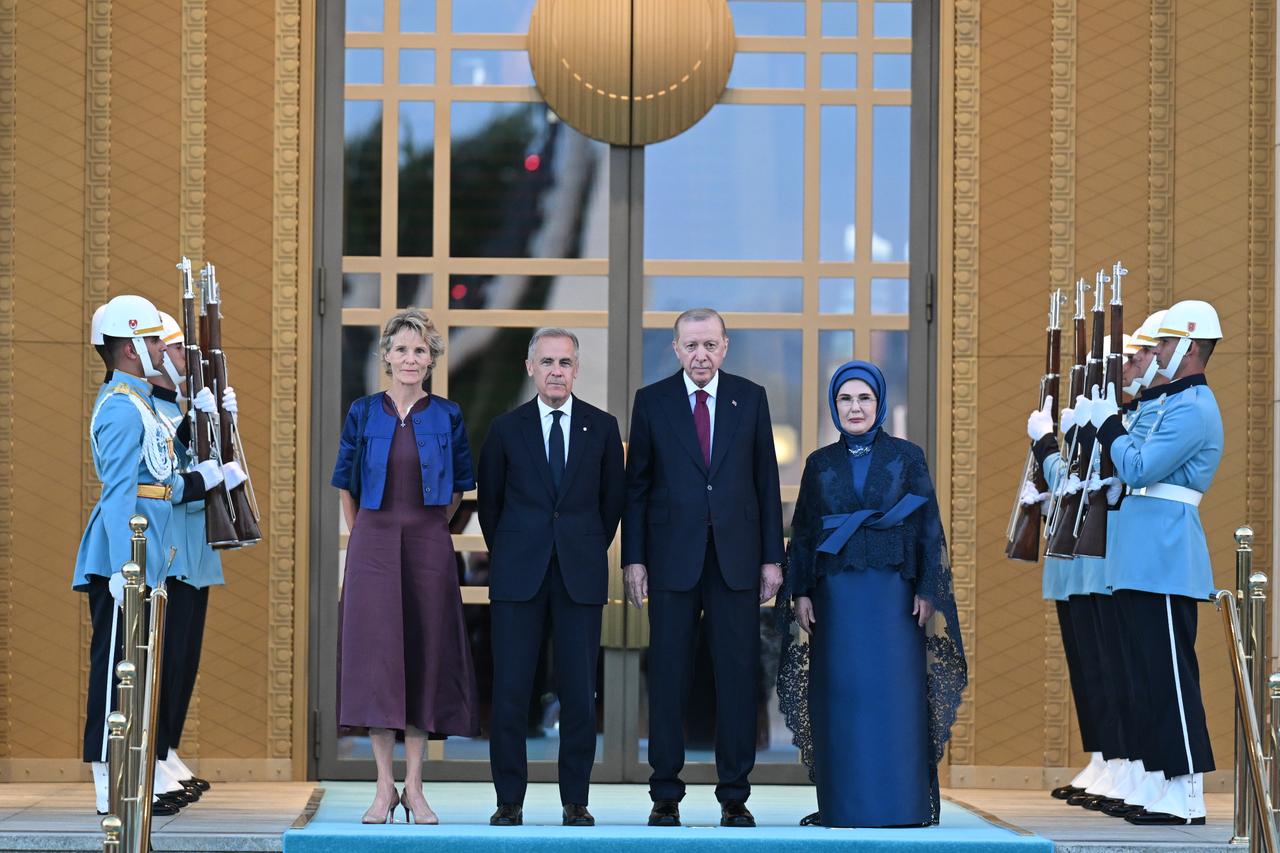
The meeting, held in Saudi Arabia, was chaired by Saudi Foreign Minister Prince Faisal bin Farhan and his Iraqi counterpart Fuad Hussein, with senior officials from both sides in attendance. The two ministers reviewed bilateral ties and discussed ways to strengthen cooperation across various fields, as well as regional developments of mutual concern.
In a statement issued by the Saudi Foreign Ministry, the two sides underscored the importance of respecting national sovereignty, good-neighborliness, and non-interference in internal affairs.
Iraq specifically reaffirmed its commitment not to allow its territory or airspace to serve as a launching point for any actions or attacks targeting Saudi Arabia, Gulf Cooperation Council member states, or other countries in the region.
The two countries also stressed the importance of supporting Iraq's security and stability, strengthening its national institutions, and advancing bilateral coordination "in a way that serves their shared interests and contributes to preserving regional security and stability."
 1 min read
The diplomacy unfolded against a backdrop of sharply rising tensions in the wider region. Earlier Sunday, Tehran announced it had launched attacks on US military sites in regional countries, including Oman, in retaliation for American strikes against Iranian targets. The US military's Central Command separately said it had struck approximately 140 targets inside Iran following an Iranian attack on a commercial vessel in the Strait of Hormuz.
The Saudi-Iraqi statement did not reference those developments directly, but the emphasis on territorial integrity and non-aggression carried clear resonance given the volatile regional environment.
The principle that no state should allow its soil to be used to attack a neighbor is a cornerstone of international law and Arab League norms, one that has been repeatedly tested across the Middle East in recent years, particularly in Iraq, Yemen, and Syria, where non-state armed groups with ties to regional powers have launched cross-border operations.
Iraq, which shares borders with both Iran and Saudi Arabia, and which hosts both US forces and Iran-aligned armed factions, occupies a particularly delicate position in regional security arrangements.


 Set as preferred source
 Set as preferred source




 1 min read