Newsletters


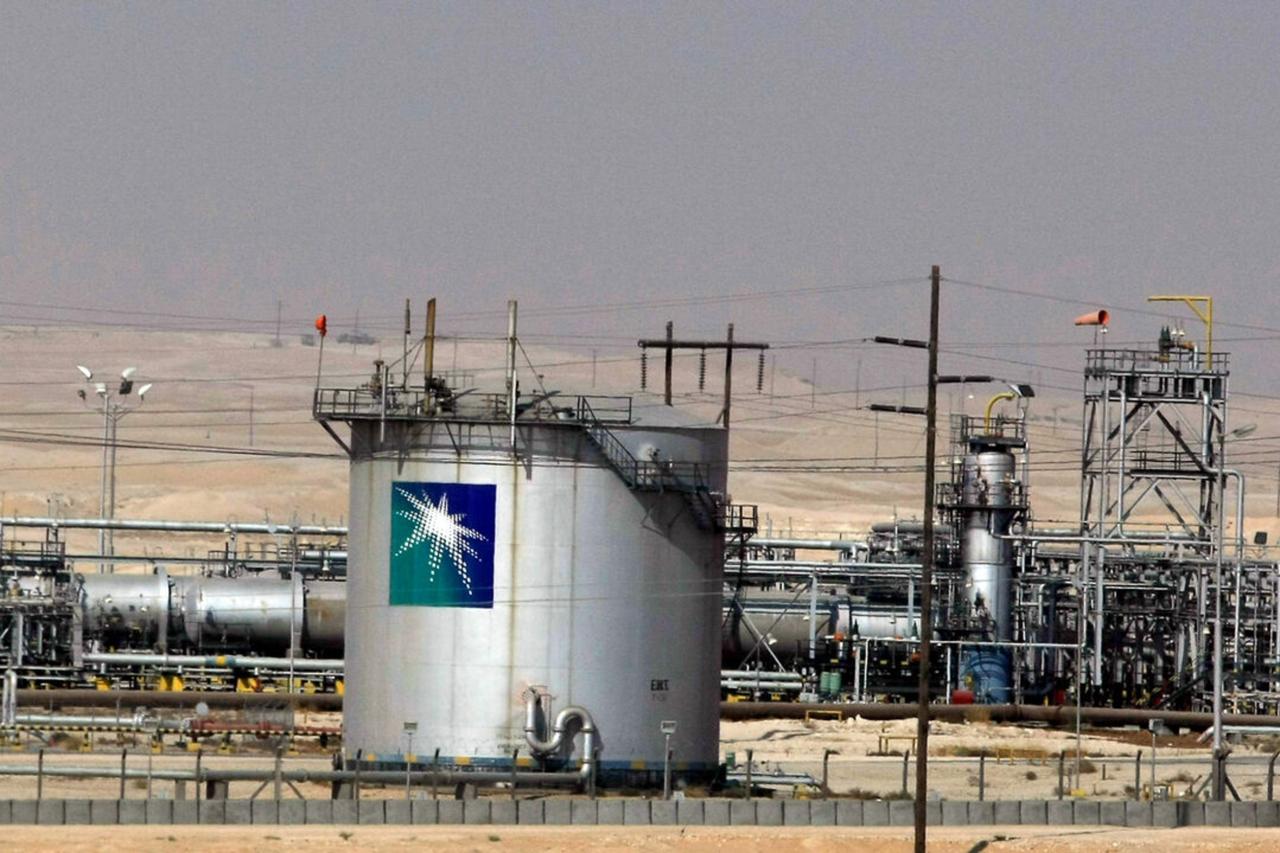


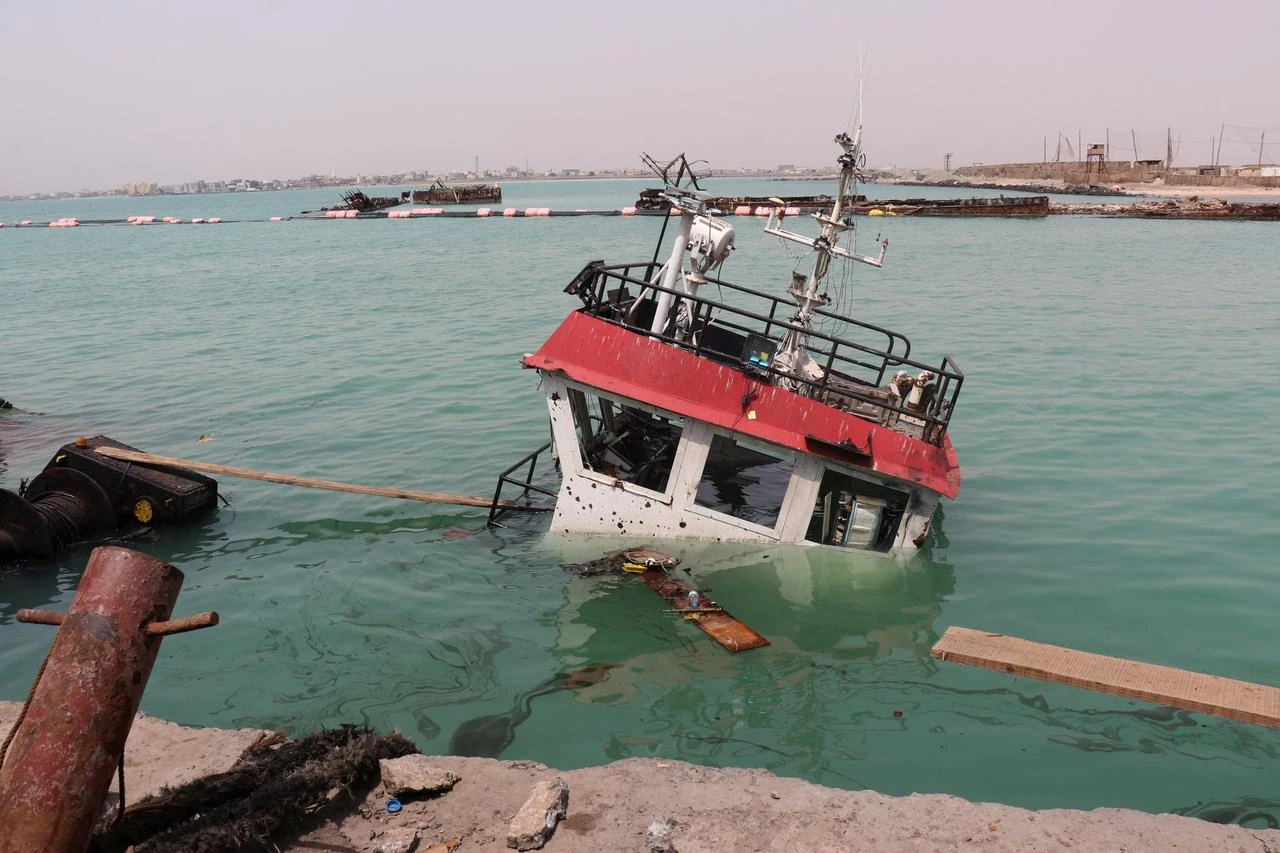
Saudi Arabia's Energy Ministry said Tuesday that several energy sector facilities and installations in the kingdom's southern region were targeted by attacks Monday night into Tuesday morning, causing fires, injuries and the temporary halt of some operations.
"A number of facilities and installations in the energy sector in the southern region of the Kingdom were targeted this morning," the ministry said in a statement, adding that specialized authorities had begun coordinating with relevant agencies and taking necessary measures.
The ministry said the attacks caused fires to break out at a number of locations, leading to a temporary halt of some operational activities, while specialized field teams worked to contain the fires, secure the sites and assess the damage.
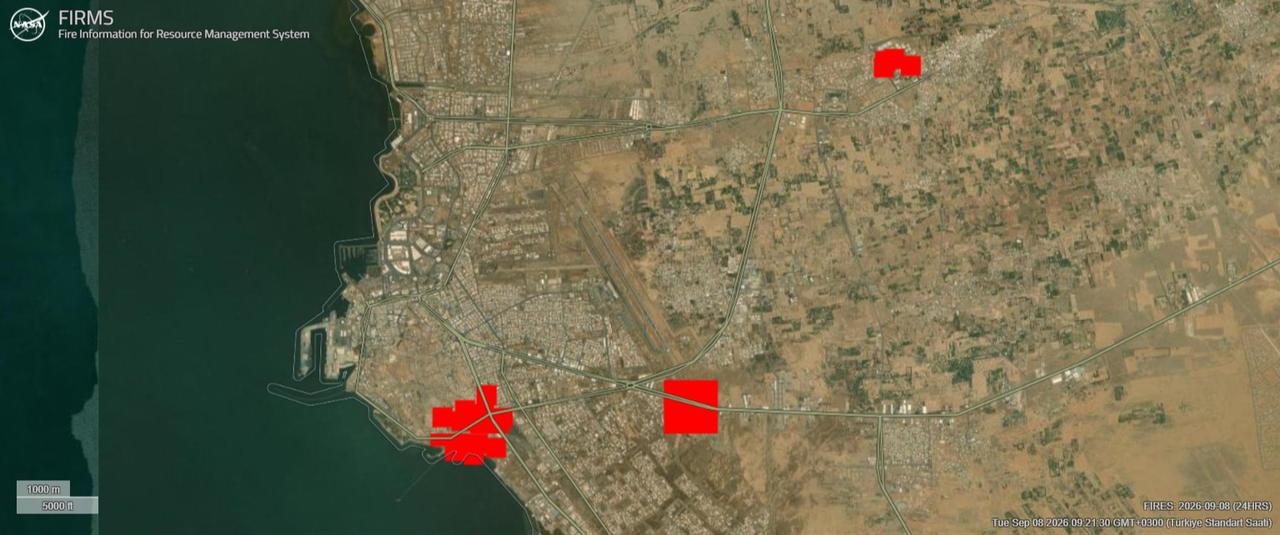

The ministry said the attacks resulted in injuries among citizens and residents of varying severity, with medical care being provided to the injured, while assessment and monitoring work continues.
"Relevant authorities continue to deal with the fallout from the attacks and take the necessary measures to ensure the safety of facilities and workers, and the continuity of operations in accordance with approved operational plans," the ministry said.
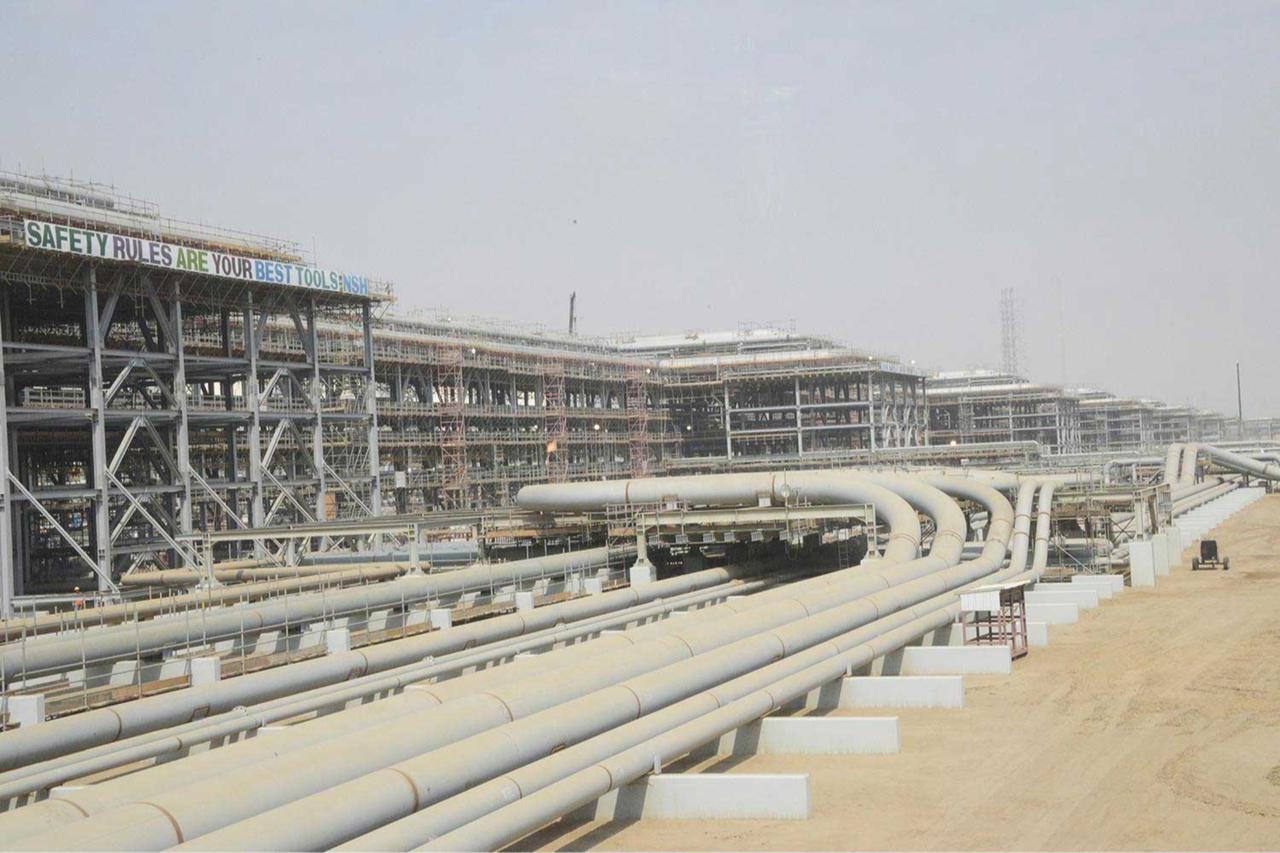
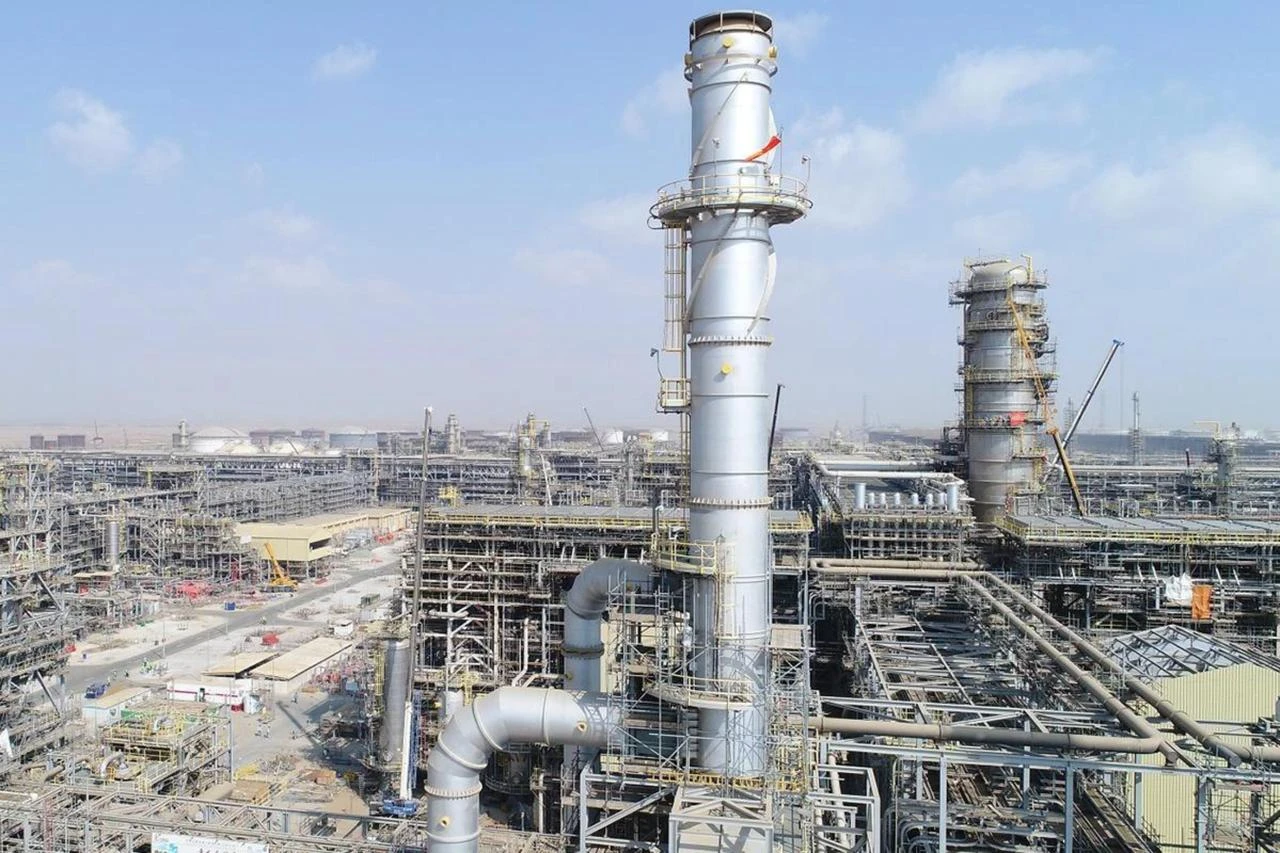
Financial Times (FT) reported on Monday that Saudi Aramco's Jizan refinery, located in the country's southern region near the Yemeni border, was struck.
Jizan is Saudi Arabia's industrial city closest to the Yemeni border and has been targeted by the Houthis on several occasions. Its refinery is designed to process up to 400,000 barrels per day, making it one of Saudi Arabia's largest, producing gasoline, ultra-low-sulfur diesel and other refined products.
The facility's location on the Red Sea has made it especially important for Saudi refined-product exports as conflict disrupts shipping through the Gulf and the Strait of Hormuz.
Saudi Arabia's oil exports and energy infrastructure have come under mounting pressure since the Iran war began in late February.
What began with Iranian attacks and disruptions around the Strait of Hormuz has increasingly spread into the Red Sea, where Yemen's Iran-backed Houthis reopened a front against Riyadh in July after the collapse of a ceasefire that had largely contained major fighting since 2022.
The Houthis declared a maritime blockade of Saudi ports on July 20 and began targeting Saudi-linked vessels, energy infrastructure and shipping routes around the Bab el-Mandeb Strait.


 Set as preferred source
 Set as preferred source


 1 min read
 1 min read