Sign in
 Newsletters


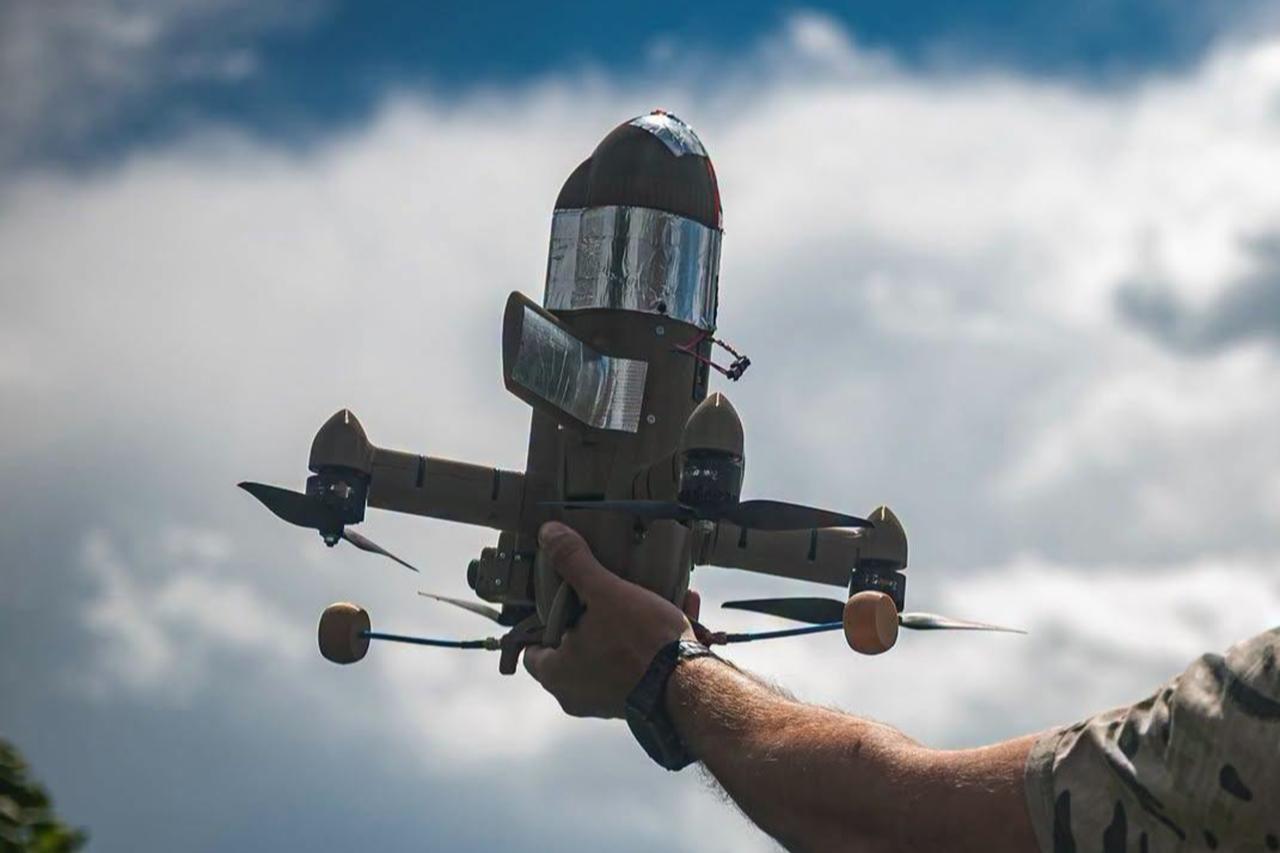


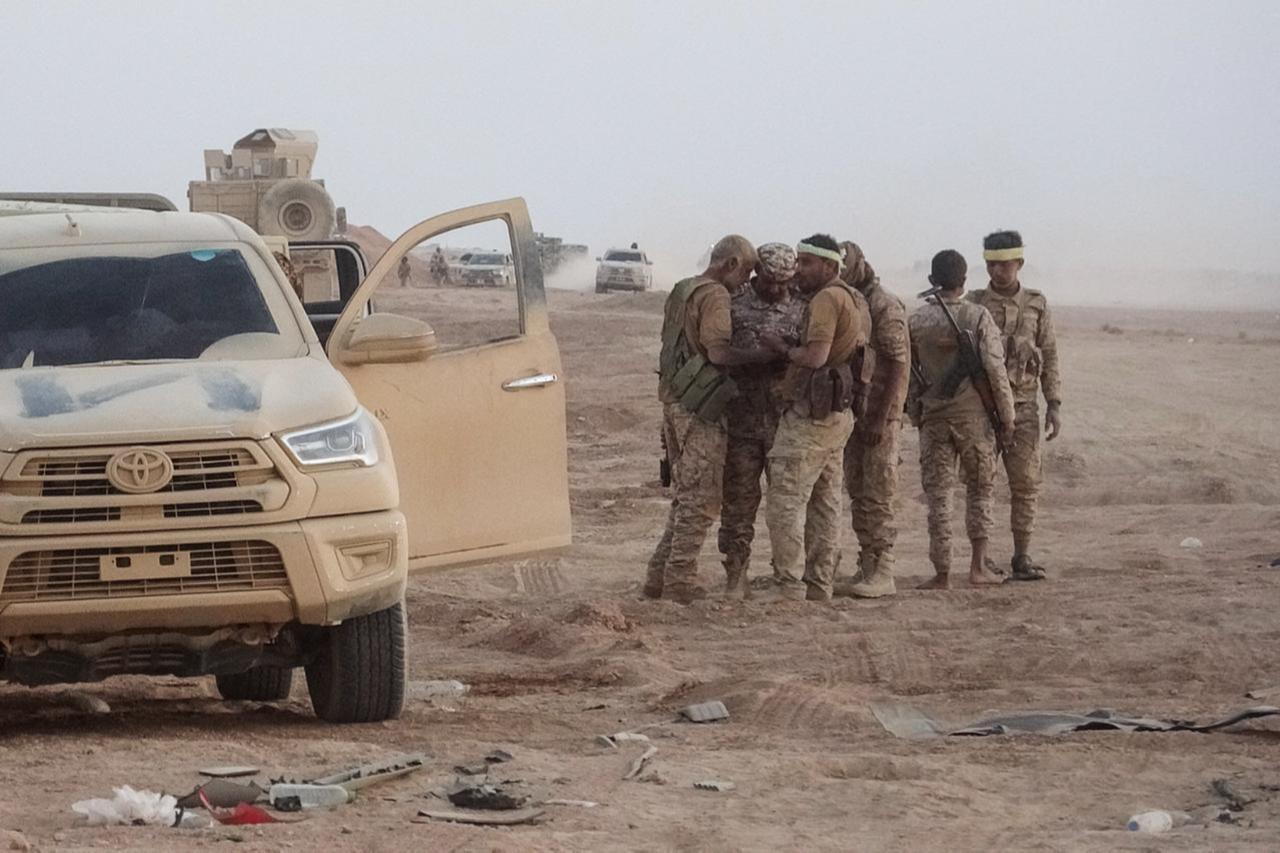
Saudi Arabia is asking Western partners and regional allies, including Türkiye, for weapons, among them counter-drone systems, to help it fight the Houthis in Yemen as it prepares for a prolonged conflict, officials told Middle East Eye.
Three Western officials said Riyadh convened Western partners in the Saudi capital this week and told them it wants weapons supplies to “deter” Houthi attacks. “Saudi Arabia is in the market,” one of them said.
The shopping effort is not limited to Western suppliers. Riyadh has also approached Middle Eastern allies in the Mecca Pact alliance.
A Saudi procurement delegation led by Bandar al-Khorayef, acting president of the General Authority for Military Industries, traveled to Türkiye last week and met Haluk Gorgun, who heads Türkiye’s defense procurement agency. Representatives of dozens of Saudi companies were part of the delegation.
A Turkish official said Ankara was doing all it could to help Riyadh, including by providing equipment as a show of solidarity. A separate regional official said the Saudis were looking to buy anything available on the market, including short-range counter-drone air defense systems. “The Saudis want whatever we have on the shelf,” the official said.
Saudi Arabia is already among the world’s biggest military spenders. The Stockholm International Peace Research Institute estimates it devoted at least 6.5 percent of its gross domestic product to defense in 2025.
The officials said the purchasing drive suggests fighting in Yemen is likely to escalate in the coming months.
Middle East Eye reported Tuesday that dozens of US military advisers have arrived in Saudi Arabia to help coordinate air defense. Adm. Brad Cooper, the head of US Central Command, which oversees American forces in the Middle East, is also expected to visit the kingdom.
Reuters reported Wednesday that Saudi Arabia has cleared its calendar of all major global events it was due to host, postponing them until autumn 2027 at the earliest. Sources told the news agency they expect the war to run well into next year.
The postponements underline the pressure the conflict is putting on Riyadh’s effort to present itself as a safe destination for investment and tourism. The Iran-aligned Houthis, who have made sweeping military gains, have struck Saudi airports, energy infrastructure and corporate offices.
Middle East Eye has also reported that Houthi forces have carried out ground incursions into Saudi territory. After that report, US media personality and podcaster Tucker Carlson, who speaks with Gulf leaders, said the Houthis were “occupying” Saudi territory.
The war began in 2015, when a Saudi-led coalition intervened against the Houthis, who had seized the Yemeni capital, Sanaa, the previous year.
This week, Yemeni government forces said they had pulled troops back from territory around the strategic Bab al-Mandab area, part of a redeployment to secure the provisional capital, Aden, and neighboring governorates. The withdrawal gives up ground that Saudi-backed forces had retaken from the Houthis in the autumn. Bab al-Mandab is the narrow strait linking the Red Sea with the Gulf of Aden.
A Western official familiar with battlefield dynamics said Aden was not expected to fall because of local opposition to the Houthis, but called the situation “very bad” for Saudi Arabia and its allies.
On Monday, King Salman removed the commander overseeing coalition forces in Yemen, a move that signaled frustration in Riyadh.


 Set as preferred source
 Set as preferred source


 1 min read
 1 min read