Sign in
 Newsletters




The International Monetary Fund said on Wednesday it had reached a staff-level agreement with Egypt on the final reviews of its bailout programs, paving the way for the release of $2.3 billion in funds once the lender’s executive board gives its approval.
The agreement covers the concluding reviews of both the Extended Fund Facility (EFF) and the Resilience and Sustainability Facility (RSF), two arrangements that are formally due to expire in mid-December.
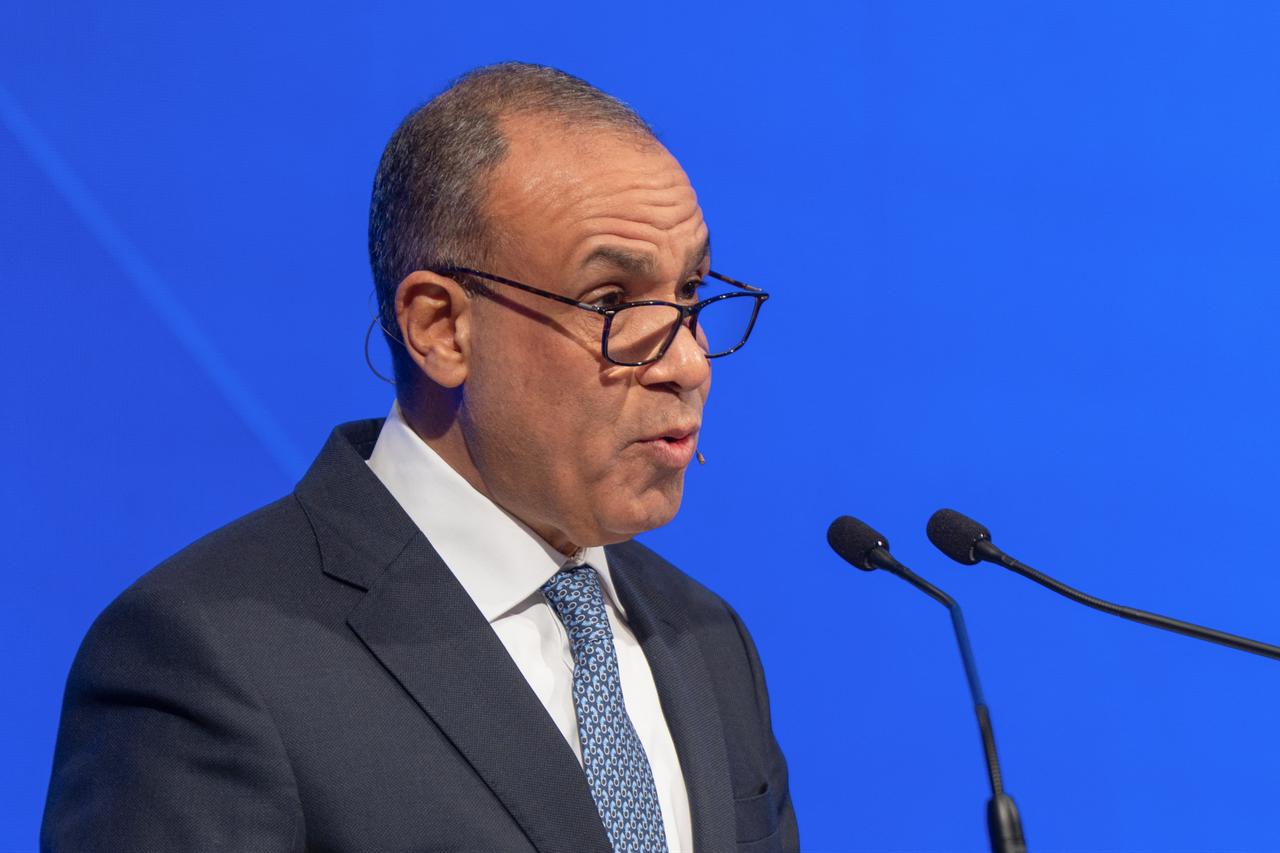
IMF mission chief Amine Mati said Egypt’s “successful implementation” of its economic reform program, together with a “proactive response” to the fallout from the Middle East war, had helped preserve macroeconomic stability. He said this had supported the country’s resilience “in the face of a series of external shocks.”
The deal arrives as heavily indebted Egypt contends with double-digit inflation. The effects of the US-Israel war on Iran have hit energy and other sectors of the economy, and the Egyptian currency has weakened as a result.
Egypt runs more than one program with the Fund. The EFF is a four-year, $8.5 billion arrangement that began in 2022, while the RSF, worth $1.3 billion, was signed last year. The RSF is a facility the IMF created to help countries address longer-term challenges such as climate change.
A staff-level agreement is an understanding between IMF staff and national authorities on policies and reforms. It is not final until the IMF’s executive board signs off, and funds cannot be disbursed before then.
Mati cautioned that, despite the progress on reforms, “significant” downside risks persist. “Escalation of regional conflicts could disrupt trade and investment and alongside tighter global financial conditions, trigger capital outflows and raise borrowing costs, while high debt and financing needs remain key vulnerabilities,” he said.
He also pointed to potential upside. “Conversely, easing tensions, stronger Suez Canal activity, and faster reform implementation could further lift growth,” Mati said. The canal is one of the country’s main sources of foreign currency.
Egypt has struck a number of arrangements with the IMF since the mid-1980s and is among the institution’s significant debtors. According to the lender’s data, Egypt has roughly $2.8 billion in debt payments due to the IMF by the end of 2027.


 Set as preferred source
 Set as preferred source


 1 min read


 1 min read