Newsletters




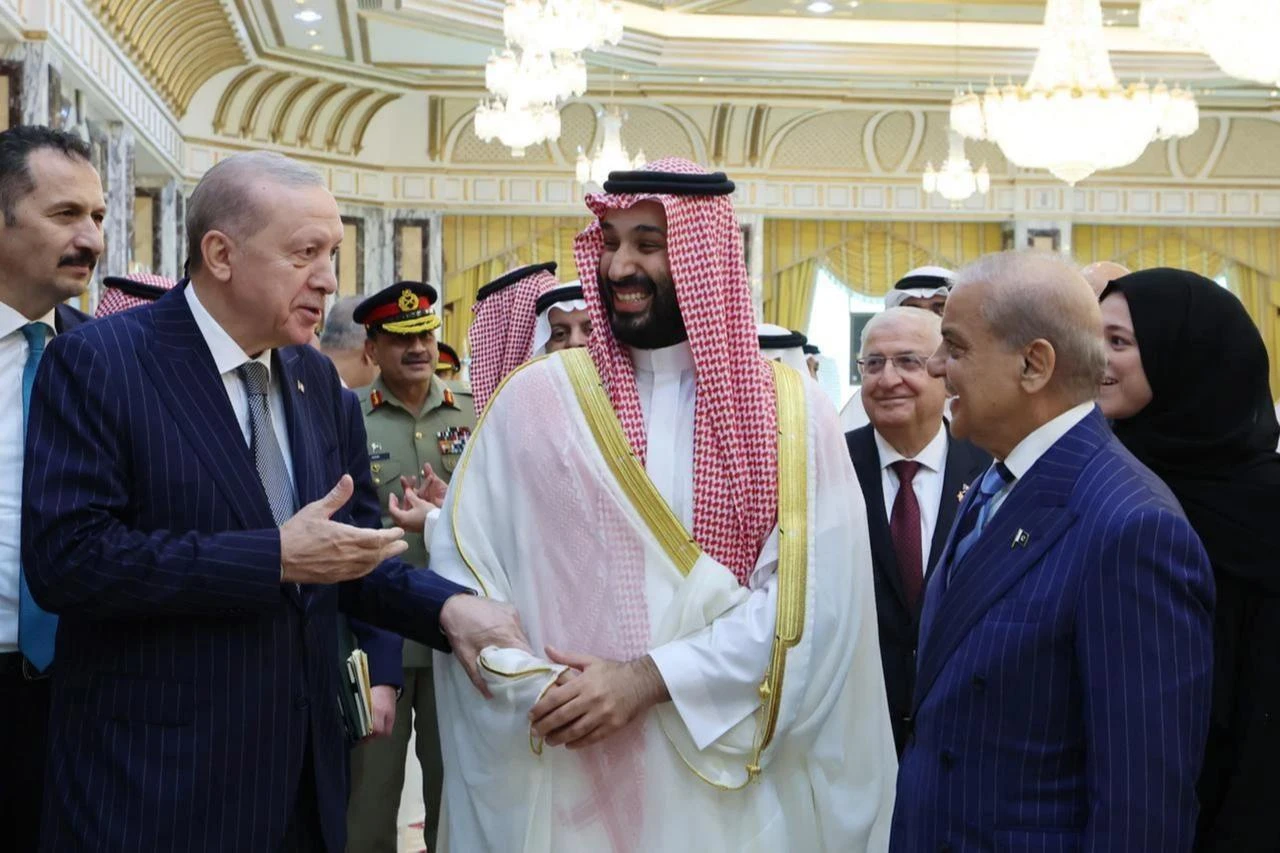
Among today's most interesting stories was an AP report quoting a Syrian official who stated that Syria would join the Mecca pact. While this is understandable given the current regional situation, the move has sparked a number of concerns about its broader implications.
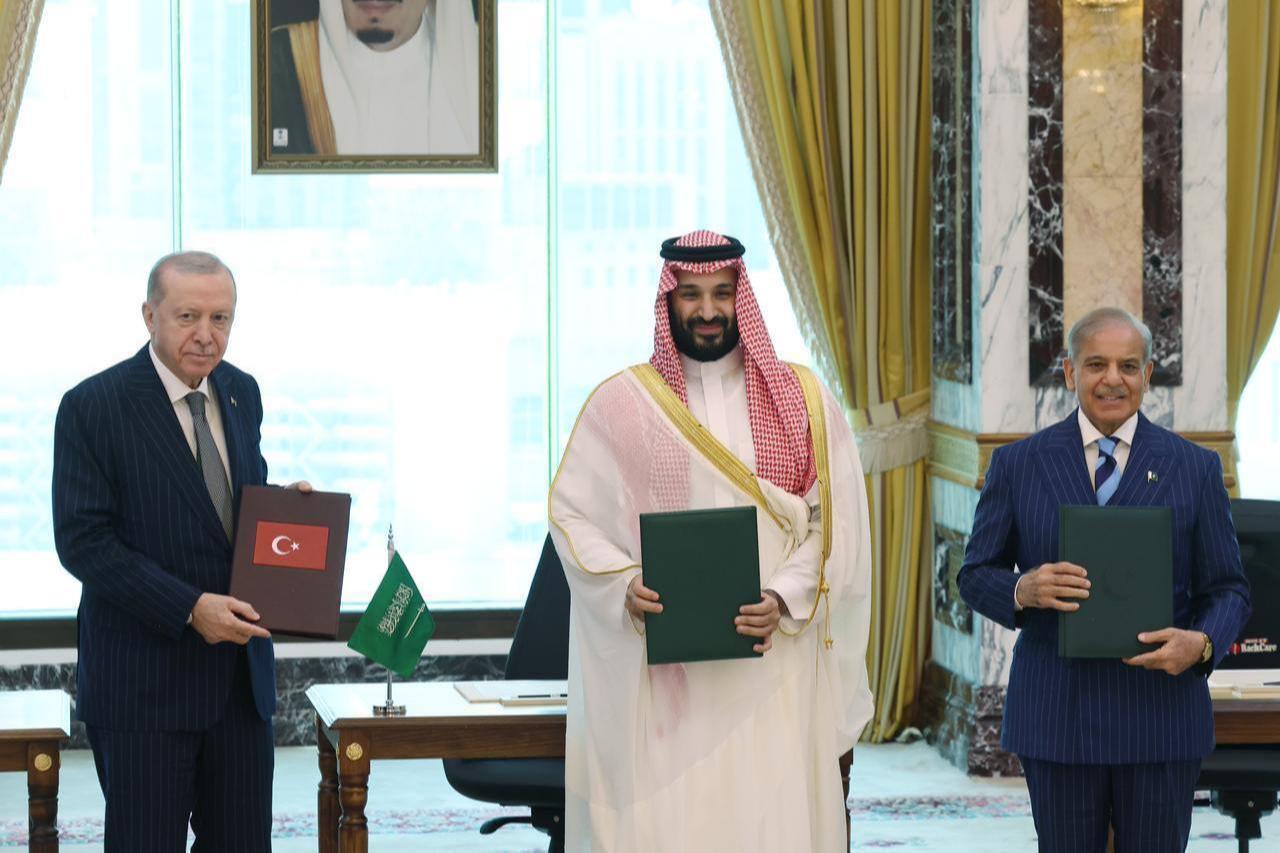
Syria's accession to the Mecca pact would be a significant step toward integrating Damascus into the regional security framework.
However, if membership is granted, it will not only provide Syria with security guarantees, but given Israel's occupation of parts of Syrian territory, Articles 1 and 2 of the pact could also impose significant obligations on the other members.
Syria's accession may thus broaden the pact's strategic scope and the regional responsibilities of Türkiye, Saudi Arabia, and Pakistan.
It is also worth noting that Syria's potential accession to the Mecca pact has reportedly been discussed behind closed doors for approximately 45 days. Some sources said the issue would be discussed at a pact meeting in late November or early December.
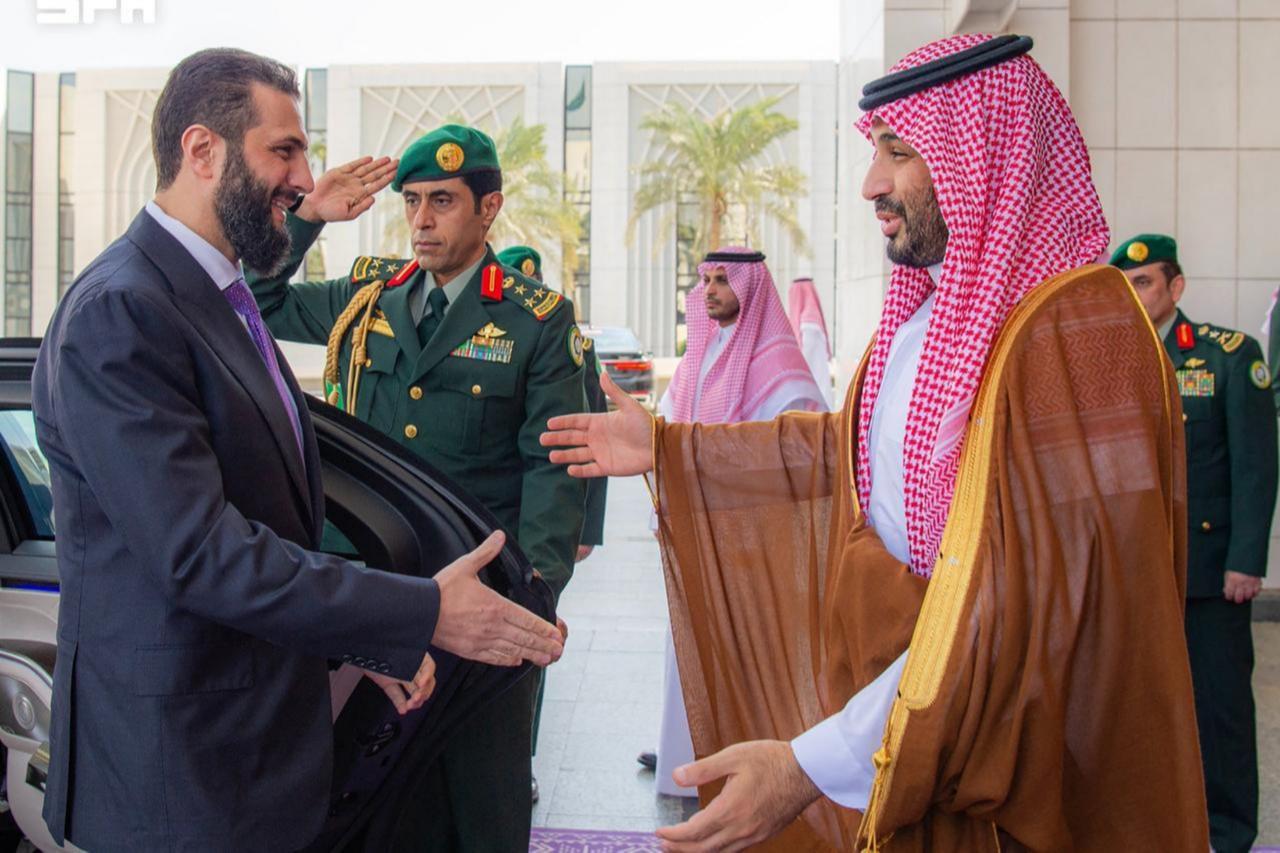
The process appears to have been accelerated, possibly due to Saudi pressure, in conjunction with the bilateral agreement signed by Syrian President Ahmad al-Sharaa during his visit to Saudi Arabia.
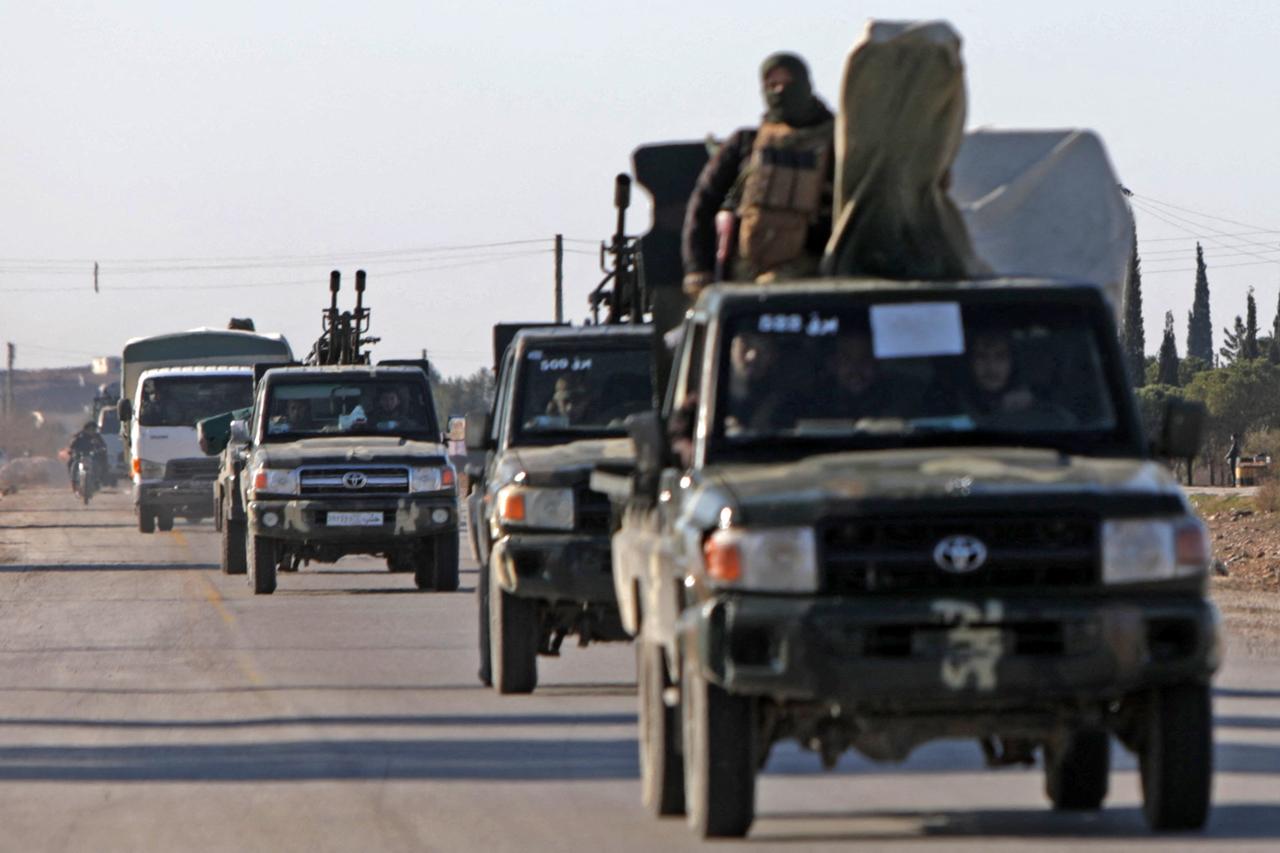
While sources are still reluctant to provide a clear picture of what is going on, Syria reportedly deployed around 1,000 troops near the Yemeni border in the last week of October at Saudi Arabia's request, despite Damascus' denial.
However, when it comes to Yemen, we must distinguish between military advisory and training support and the deployment of combat forces. According to sources, Syrian soldiers have yet to take part in the fighting in Yemen.
The Damascus government has also based its denials on the claim that no troops have been sent to Yemen. That is correct: no Syrian units have entered Yemen thus far. However, there is no clear guarantee that this will not occur.
The Mecca pact, as all parties have stated repeatedly, is a defensive pact. However, the relationship between Syria and Saudi Arabia, followed by a potential agreement between Syria and Yemen, could put the pact's founding members in a position they did not intend to be in.
For those wondering whether there is an agreement between Syria and Yemen, Syrian Foreign Minister Asaad Hassan al-Shaibani stated that Damascus had not reached an agreement with Yemen's internationally recognized government on troop deployments.
This is an important statement. One question is whether the Mecca pact would change if the Syrian government reached an agreement with Yemen and became involved in the conflict through a non-defensive military commitment. Time will tell.
However, the issue here is not the number of Syrian troops or whether they have been deployed in Yemen. What deserves more attention is the potential chain reaction that Syria's growing relationship with Saudi Arabia could set off: from Yemen to the Mecca pact, and eventually to the situation with Israel.

Syria's relationship with Israel poses an additional risk for Mecca pact members. Israel has yet to form a new government, and it is unclear what position the next government will take on Syria.
If the Israeli occupation and attacks continue, it is unlikely that all pact members will take the same stance on Syria's defense. In this regard, even if the comparison is not entirely appropriate, Ukraine's failure to join NATO following the Russian invasion may provide a useful point of reference.
Although it has not yet been confirmed, the timeline and sequence of diplomatic moves leading up to Syria's reported accession to the Mecca pact, which has been discussed for some time, must be carefully considered.
Otherwise, membership would provide little benefit to Syria or the other pact members.


 Set as preferred source
 Set as preferred source


 1 min read
 1 min read