Newsletters


Saudi Arabia’s strategic East-West oil pipeline system was struck by projectiles Thursday, damaging pumping stations and triggering fires, CNN reported, citing two U.S. officials familiar with the incident.
An early assessment found that pump stations next to the pipeline were hit. Satellite imagery appeared to show extensive fire damage at one station and a smaller fire at another.
It was not immediately clear who carried out the attack or whether the pipeline itself was damaged. One U.S. official said drones originating from Iraq were involved.
U.S. officials were collecting intelligence on the incident.


Satellite data detected nine large fires near the East-West pipeline Thursday, although at least six appeared to correspond with flare pits used during emergencies.
Sentinel-3 imagery showed black smoke south of Medina, while NASA recorded clustered thermal anomalies along the route. Researchers at the Colorado School of Mines’ Payne Institute said most activity was at known flare sites, with at least two appearing to enter an emergency operating regime.
Saudi authorities have not confirmed that the pipeline itself was physically damaged.
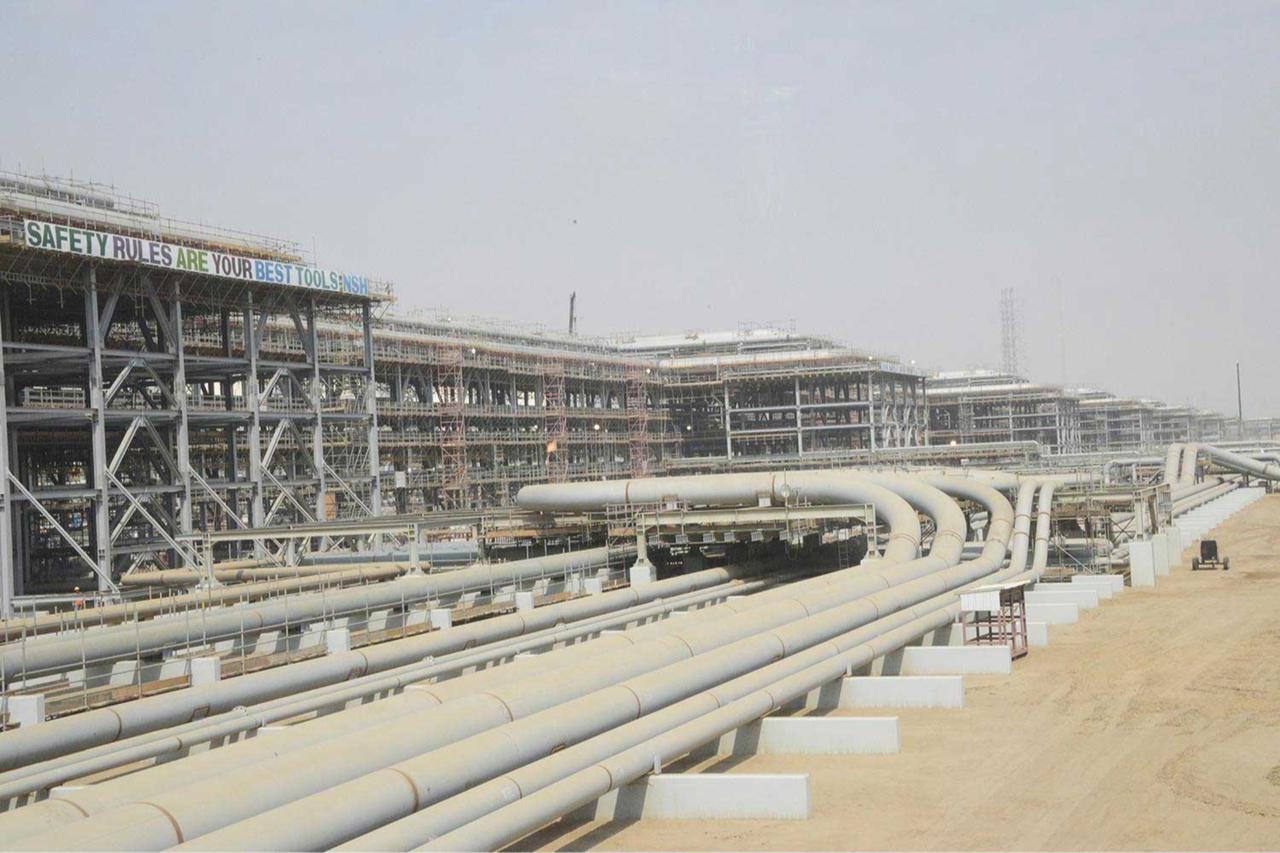
The East-West pipeline carries crude from Saudi Arabia’s eastern oil-producing region to the Red Sea port of Yanbu, allowing exports to bypass the Strait of Hormuz.
The route has become critical since the U.S.-Iran war began, with Saudi Arabia rerouting about 5 million barrels of oil per day through the pipeline after Iran effectively closed Hormuz.
The attack comes as Houthis in Yemen have threatened Saudi vessels using the Bab al-Mandab Strait, potentially putting the kingdom’s Red Sea export route under further pressure.
Oil prices rose above $100 a barrel this week.
Responsibility for the strike remains unclear, though Iran-aligned militias in Iraq have previously used drones against Saudi Arabia. In July, Saudi Defense Minister Khalid bin Salman told U.S. officials that Iran could seek leverage through escalation and use allied groups in Iraq and Yemen, sources previously told CNN.
The incident also came as Saudi Arabia reported to OPEC that crude output fell last month to its lowest level since 1990.


 Set as preferred source
 Set as preferred source


 1 min read

 1 min read