Newsletters


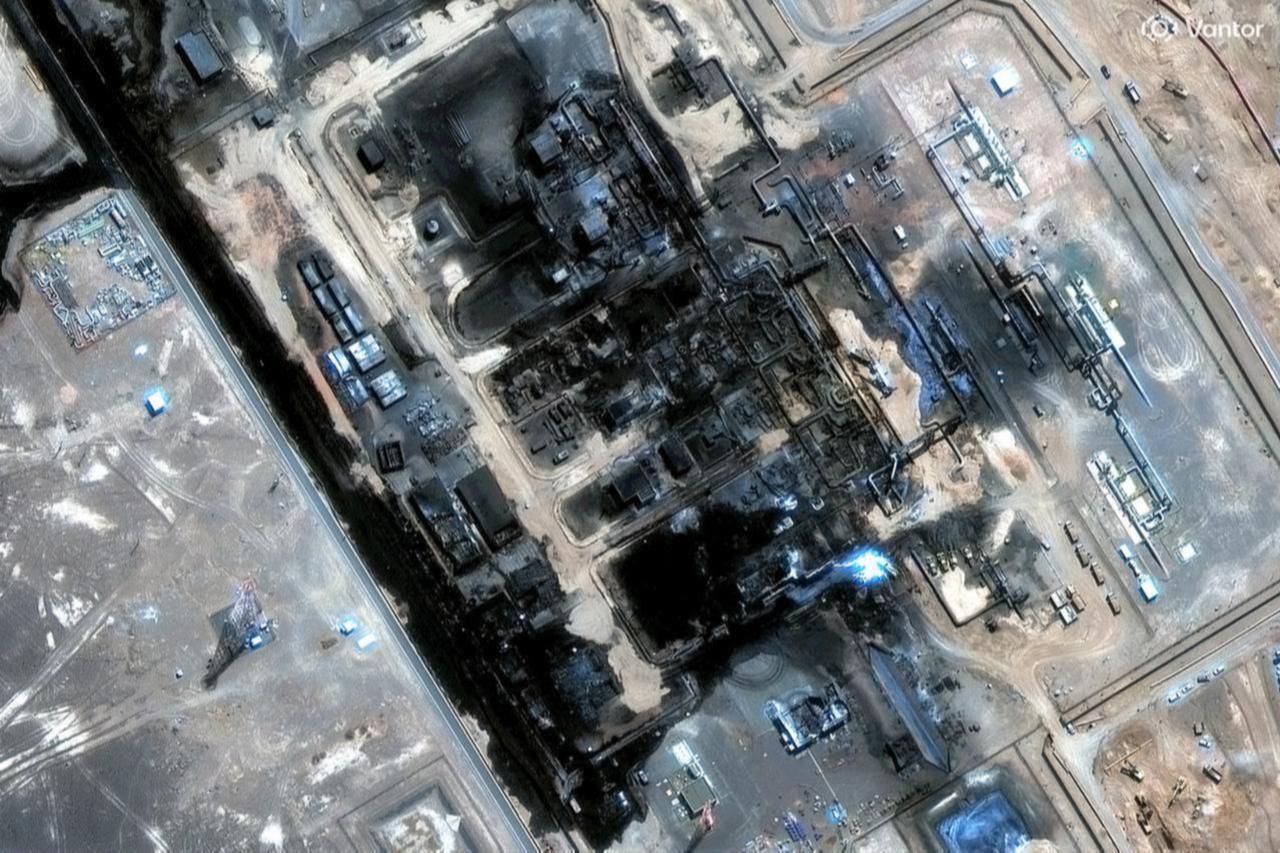


Houthi attacks on Saudi Arabia have had only a “limited” economic impact on the kingdom so far, thanks to strong domestic demand, the International Monetary Fund’s regional director has said, while warning that geopolitical uncertainty remains a threat to the outlook.
Jihad Azour told AFP that Saudi Arabia benefits from “strong internal demand and a robust public sector, so the impact is limited.”
He said oil shipments continue to move despite the overlapping conflicts around the kingdom.
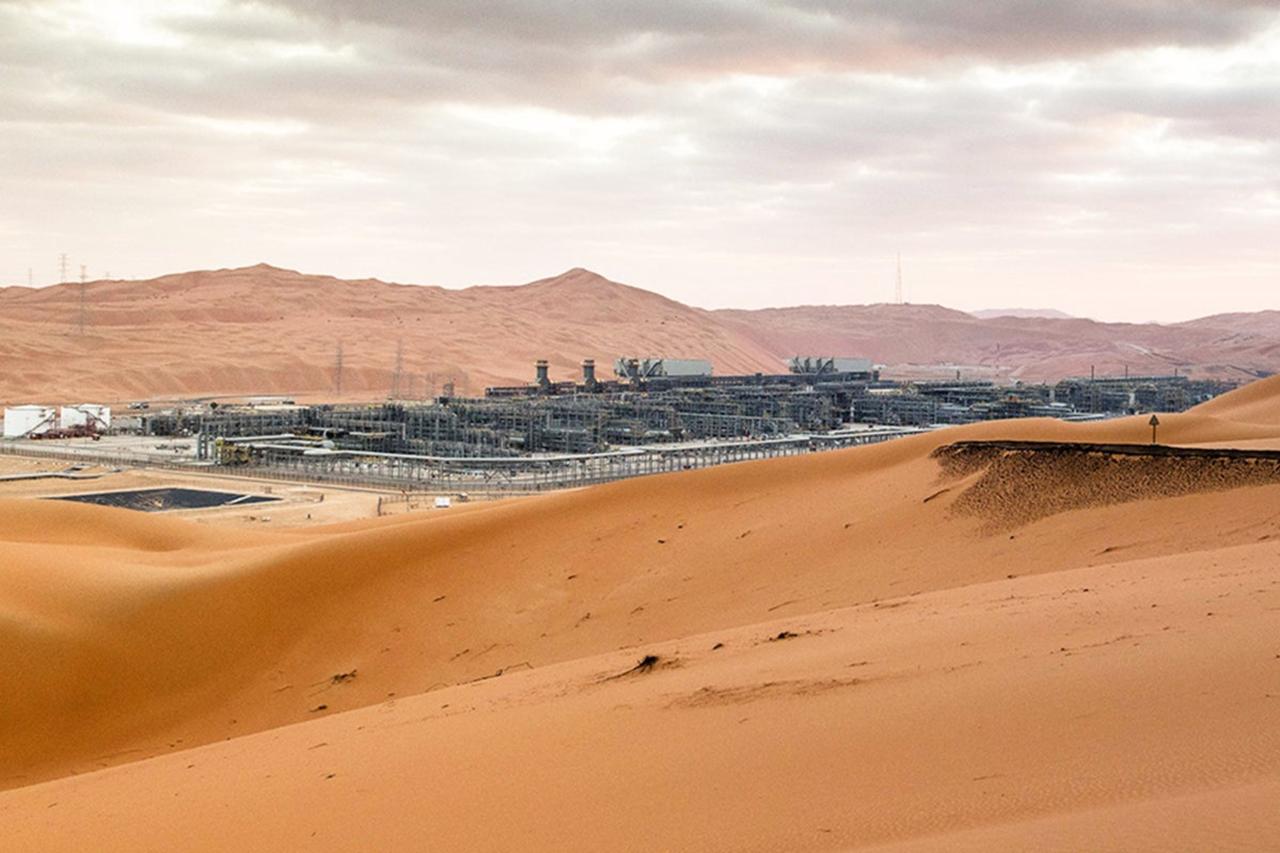
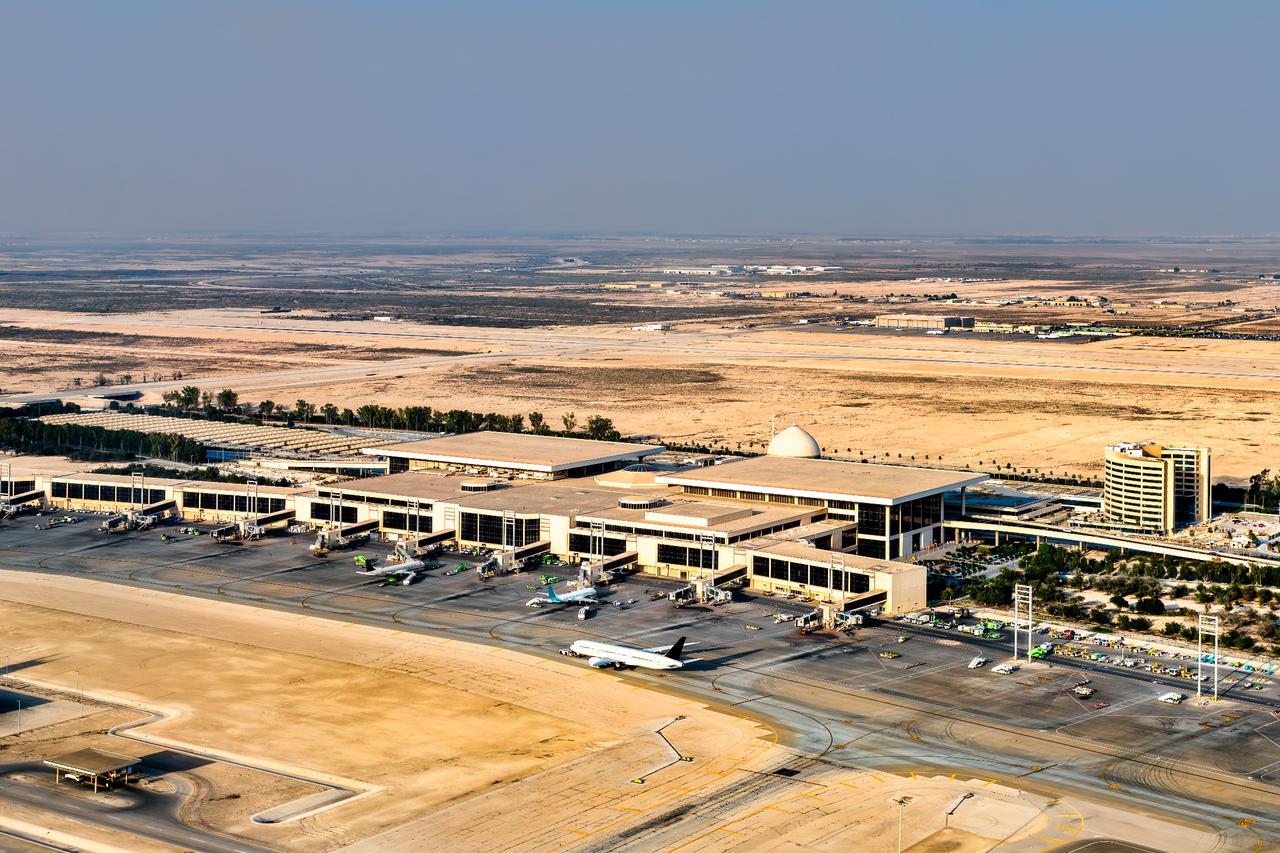
The Iranian-backed Yemeni group has stepped up attacks on Saudi Arabia in recent weeks, hitting oil facilities and airports among other targets, as Yemen’s dormant civil war has flared again.
The Houthis, who have controlled much of northern Yemen since 2014, have long been at odds with Riyadh, which led a military coalition against them starting in 2015.
As the world’s largest oil exporter, Saudi Arabia has seen its crude shipments squeezed by Iran’s blockade of the Strait of Hormuz, a narrow waterway through which a large share of the world’s seaborne oil passes.
The Houthis’ declaration of a maritime blockade has added further pressure.
The Saudi economy is nonetheless expected to shrink by 3.3 percent this year, owing to the impact of the US-Israeli war with Iran that began in February.
In a regional report released Thursday, the IMF said every Gulf state except Oman had suffered cuts in hydrocarbon production.
The economy of the region as a whole is projected to contract by 4.8 percent in 2026.
The fund still expects a strong recovery next year, with growth of around 9.1 percent.
That forecast comes with deep uncertainty, however, given ongoing geopolitical tensions and stalled diplomacy between Washington and Tehran.
The warning came as tensions continued to build. On Thursday, Iran’s Revolutionary Guards threatened to expand the conflict if the US military keeps escorting ships through the Strait of Hormuz.
US and other media have also reported that Washington and Israel are preparing a new wave of strikes on Iran, possibly after the American midterm elections on November 3.
Azour said that if fighting resumed and caused further damage to infrastructure, “the cost will be higher.”
He cautioned that the IMF’s projections rest on an assumption that oil prices stay stable, “higher than it was before the war, but much lower than it would be if the region were to flare up or the conflict were to become more intense.”
Azour said the kingdom’s ability to draw investment and skilled workers hinges on calm in the region. “On the ability to attract investment and talent, everything will depend on stability,” he said.


 Set as preferred source
 Set as preferred source


 1 min read
 1 min read