Newsletters


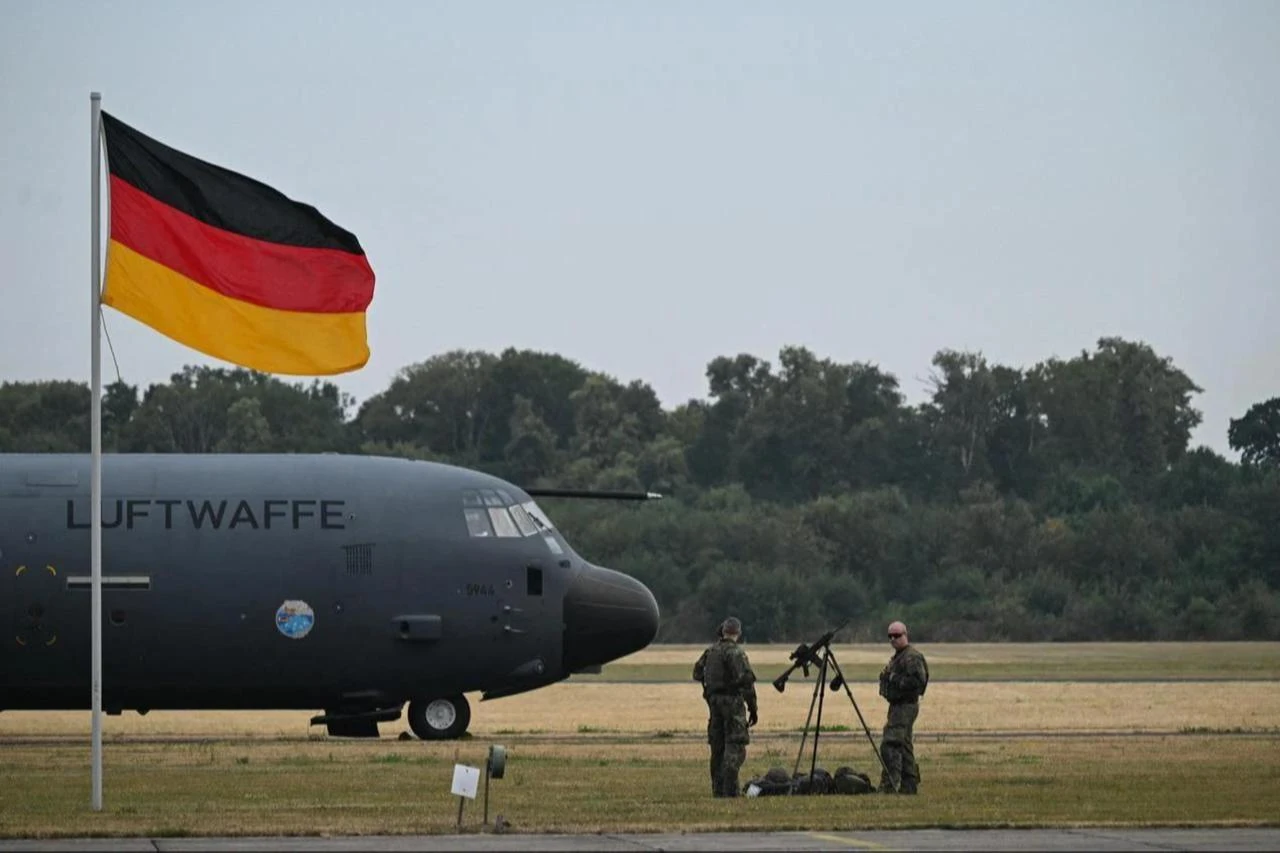


German security authorities are investigating a hidden weapons cache discovered in a forest near Berlin that they suspect was prepared on behalf of Russian intelligence services for possible violent operations, according to joint reporting by NDR, WDR and Suddeutsche Zeitung.
The professionally concealed depot, found near the Berlin-Brandenburg border in late summer last year, contained two operational handguns. German authorities believe the weapons may have been intended for agents carrying out so-called “kinetic operations,” including physical attacks or assassinations.
A suspect believed to have been involved in setting up the cache was later arrested in Romania.
Germany’s Federal Public Prosecutor has been investigating the case since November on suspicion of “preparation for a serious act of violence endangering the state.”
According to the reports, Germany’s domestic intelligence agency, the BfV, received specific information about the location of the cache before officers confirmed the tip on the ground.
After inspecting the weapons, investigators left the hiding place largely intact in an effort to identify anyone who might later collect them.
Specialists secretly disabled the firearms so they could no longer be used and reportedly equipped them with GPS trackers. The site was then kept under technical surveillance for months, but no one returned to retrieve the weapons.
Officials now consider the cache effectively “dead,” believing those behind it may have become aware of the police operation around the site or of the suspect’s arrest in Romania.
The BfV declined to publicly confirm or deny specific intelligence findings. The Russian Embassy did not respond to requests for comment. In previous cases, the embassy has rejected similar allegations and denied Moscow was conducting “hybrid attacks” against Germany.

Der Spiegel reported that investigators are also examining whether the weapons cache could be connected to an alleged Russian-backed sabotage campaign targeting Ukrainian logistics routes.
Polish authorities last year detained several suspects accused of preparing parcels containing incendiary devices or detonators, some linked to operations originating from Romania.
The devices were allegedly designed to detonate remotely or after a delay while being transported, potentially damaging vehicles, cargo aircraft or logistics centers.
German authorities have also investigated similar incidents, including a package that caught fire in a freight container at Leipzig airport.
Earlier this month, an explosive-laden drone was also found at Leipzig airport, a major logistics hub for military supplies sent to Ukraine, prompting police to use a bomb-disposal robot to remove its detonator.
German security officials have warned for months that Russian intelligence services could target defense industry executives, exiled opposition figures and supporters of Ukraine.
Authorities have previously raised concerns about alleged assassination plots targeting Rheinmetall CEO Armin Papperger and Stefan Thumann, head of drone manufacturer Donaustahl.
BfV President Sinan Selen has also warned about surveillance of individuals who could potentially become targets of assassination plots.
The discovery comes amid broader German and Western concerns about what they describe as Russian “hybrid warfare,” including espionage, cyberattacks and sabotage.
Secret weapons caches were used by Soviet intelligence in Western Europe during the Cold War and have also appeared in more recent Russian intelligence operations, according to the reports.
Such hiding places, sometimes described as “dead drops,” could contain weapons, communications equipment or explosives for use by agents operating under false identities.
Information provided by former KGB officer and defector Vasili Mitrokhin showed that the Soviet Union had prepared secret caches in Western Europe for possible operations during a confrontation with NATO.
One such former Soviet depot was discovered in Switzerland in the 1990s.
German authorities also took renewed interest in a discovery near Bellheim in Rhineland-Palatinate two years ago, where construction workers found explosives and hand grenades that had apparently been professionally packed and hidden near a NATO fuel pipeline.


 Set as preferred source
 Set as preferred source


 1 min read

 1 min read