Newsletters


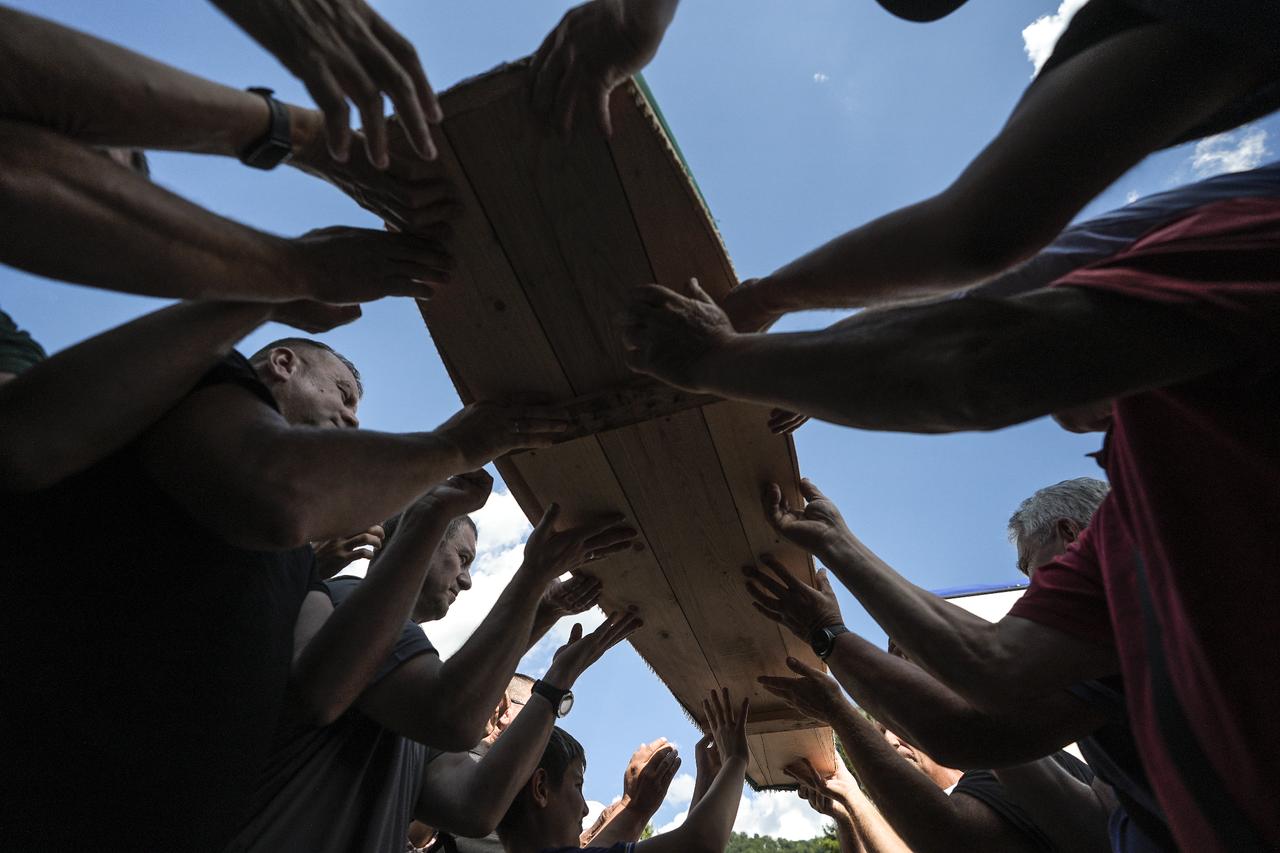


Alnes Alic was less than a year old when his father, Ramo, was killed by the Bosnian Serb Army during the Srebrenica genocide in July 1995. This week, 31 years later, they will finally meet.
Ramo Alic was only 30 years old when he was killed after the fall of the United Nations “safe area” of Srebrenica. In an attempt to conceal the crime, his body was dismembered and moved between mass graves. Over the years, investigators recovered his remains from two separate graves but only in part. Fragments of his ribs, part of a leg and several other bones were identified. Nearly half of his body has never been found.
For years, the Alic family refused to bury what had been recovered, hoping another excavation would reveal the rest. The last fragments were found in 2014. Nothing else has been discovered since.
Eventually, they made the decision that so many families in Bosnia and Herzegovina have had to make: to bury what they have, rather than continue waiting for what may never be found.
Throughout his life, Alnes knew his father only through a name, a photograph and the stories told by others. He never heard his voice. Never felt his embrace. Never had the chance to create a single memory with him.
His first meeting with his father will also be their last.
But today is not only about a father and a son.
It is about a grandfather his own grandchildren never had the chance to know.
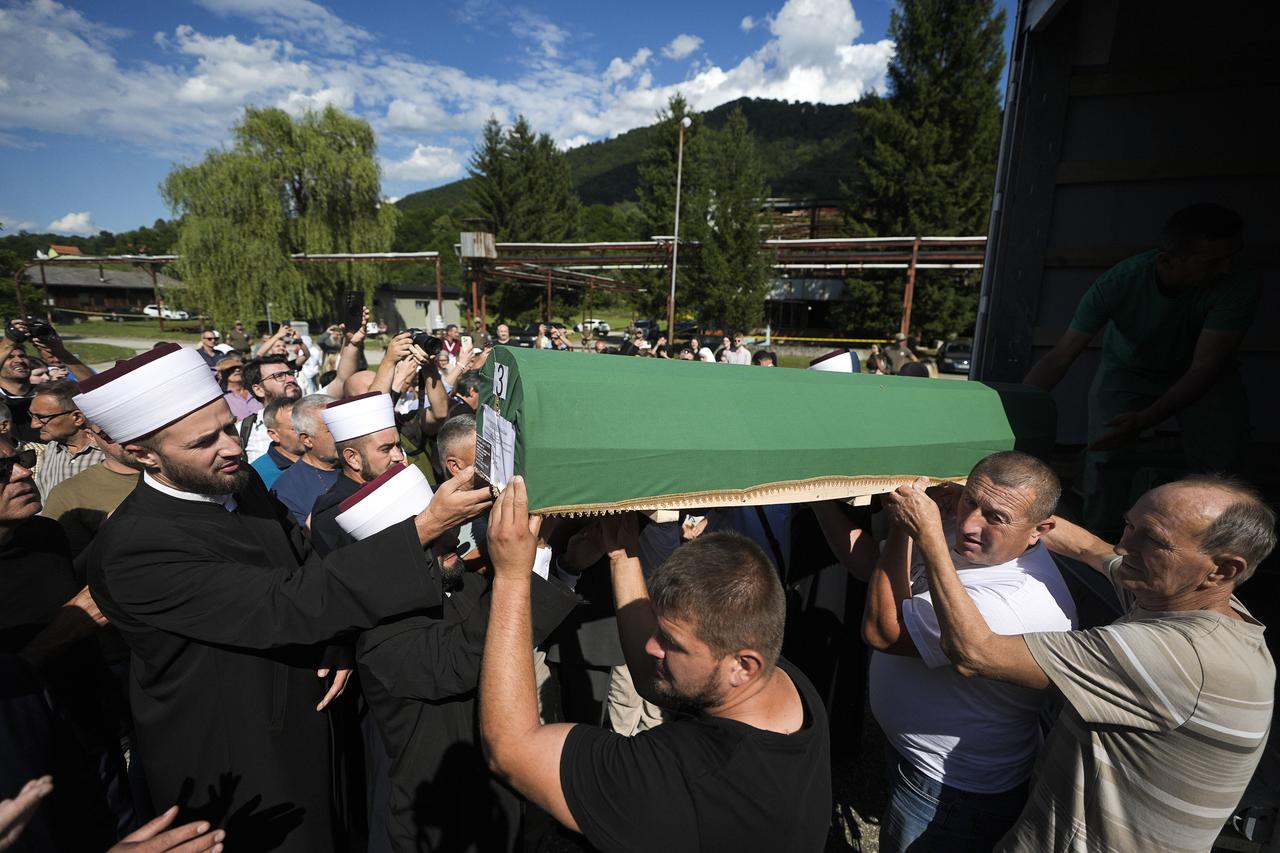

Alnes’ children will watch their father cry over a man he cannot remember. They will see him lower the remains of someone who has shaped his entire life into the ground, despite never being present in it. They will grow up knowing that their grandfather was killed before their father could speak his first words. They will inherit not memories, but absence.
This is how the pain of the Srebrenica genocide has travelled across generations.
The genocide did not end with those who were murdered in July 1995. It continued in children who grew up without fathers, in wives who never had a grave to visit, and now in grandchildren learning about loss before they are old enough to understand why their family carries it.
Alnes’ story is not unique. This July 11, 10 more victims of the Srebrenica genocide will finally be laid to rest at the Srebrenica-Potocari Memorial Centre. Several families will bury only fragments of their loved ones because complete remains have never been recovered.
Even after 31 years, around 80 families are still waiting for enough remains to be found before deciding whether to hold a burial. Some have recovered only a handful of bones. Others continue postponing funerals, hoping another excavation will uncover more of a son, husband, father or brother.
For these families, the genocide has never truly ended.
If the world truly wants to honor the victims of Srebrenica, remembrance alone is no longer enough. The final chapter will not be written with another commemoration or another political speech.
It will be written only when every missing victim is found, when every mass grave has been uncovered, when those hiding information finally speak, and when genocide denial carries real consequences instead of political rewards.
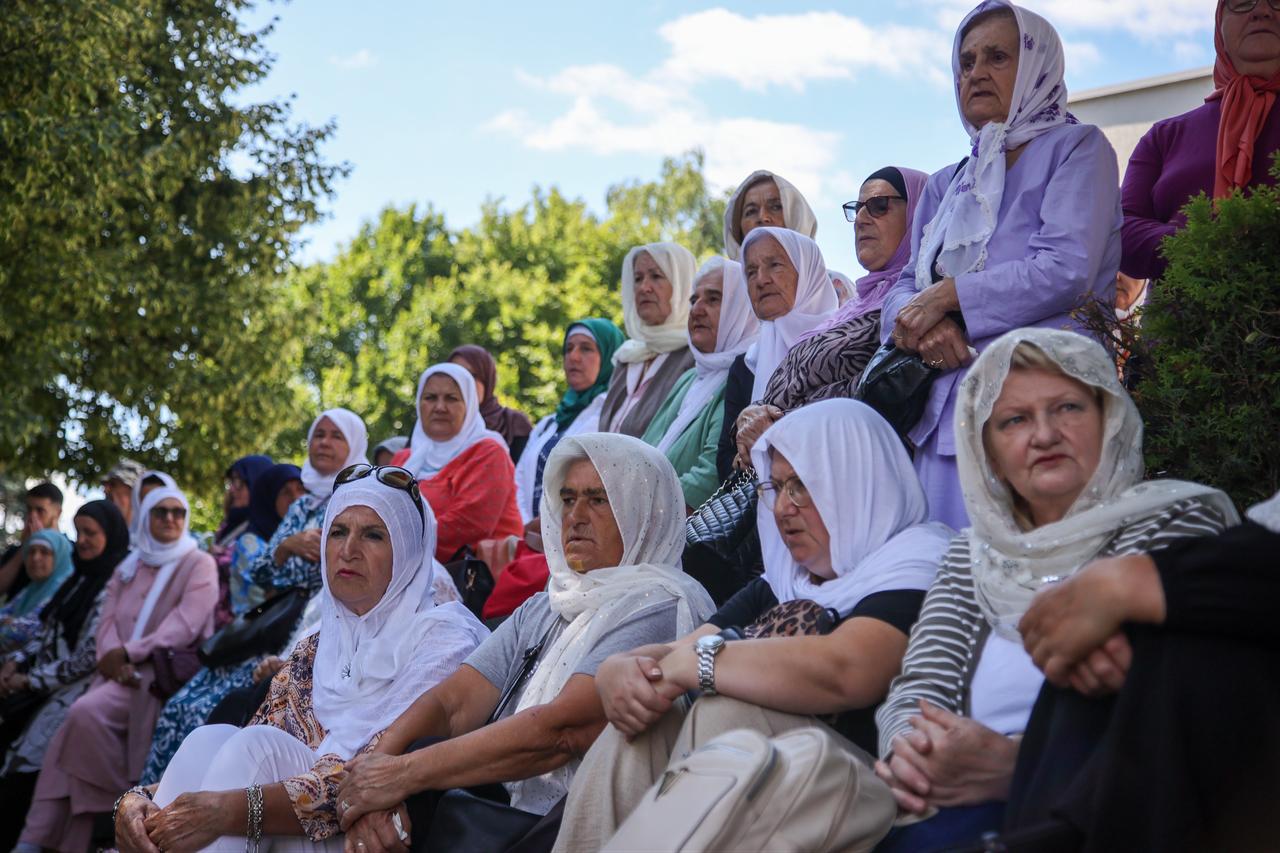
The victims of Srebrenica do not ask the world for sympathy. They ask for every victim of genocide to be found and justice to close its final chapter.
Today, Senad Jusic (20), Muriz Barakovic (22), Hamed Music (22), Ramo Alic (30), Muhidin Osmanovic (32), Huso Cerimovic (32), Nuko Nukic (38), Ahmet Guster (41), Asim Kunic (42), and Ramo Dautovic (56) will finally be laid to rest after three decades of waiting. Some will be buried with only fragments of their bodies recovered.
In July 1995, Bosnian Serb forces overran the United Nations-declared “safe area” of Srebrenica after launching a planned military offensive. More than 25,000 Bosniak women, children and elderly people were forcibly expelled, while over 8,000 Bosniak men and boys were systematically separated from their families, detained and executed at multiple sites around Srebrenica and Bratunac.
In the months that followed, the perpetrators exhumed primary mass graves and reburied the bodies in secondary and tertiary graves in an organized effort to conceal the crime, one of the largest cover-up operations ever documented after a genocide.


 Set as preferred source
 Set as preferred source



 7 min read