Newsletters


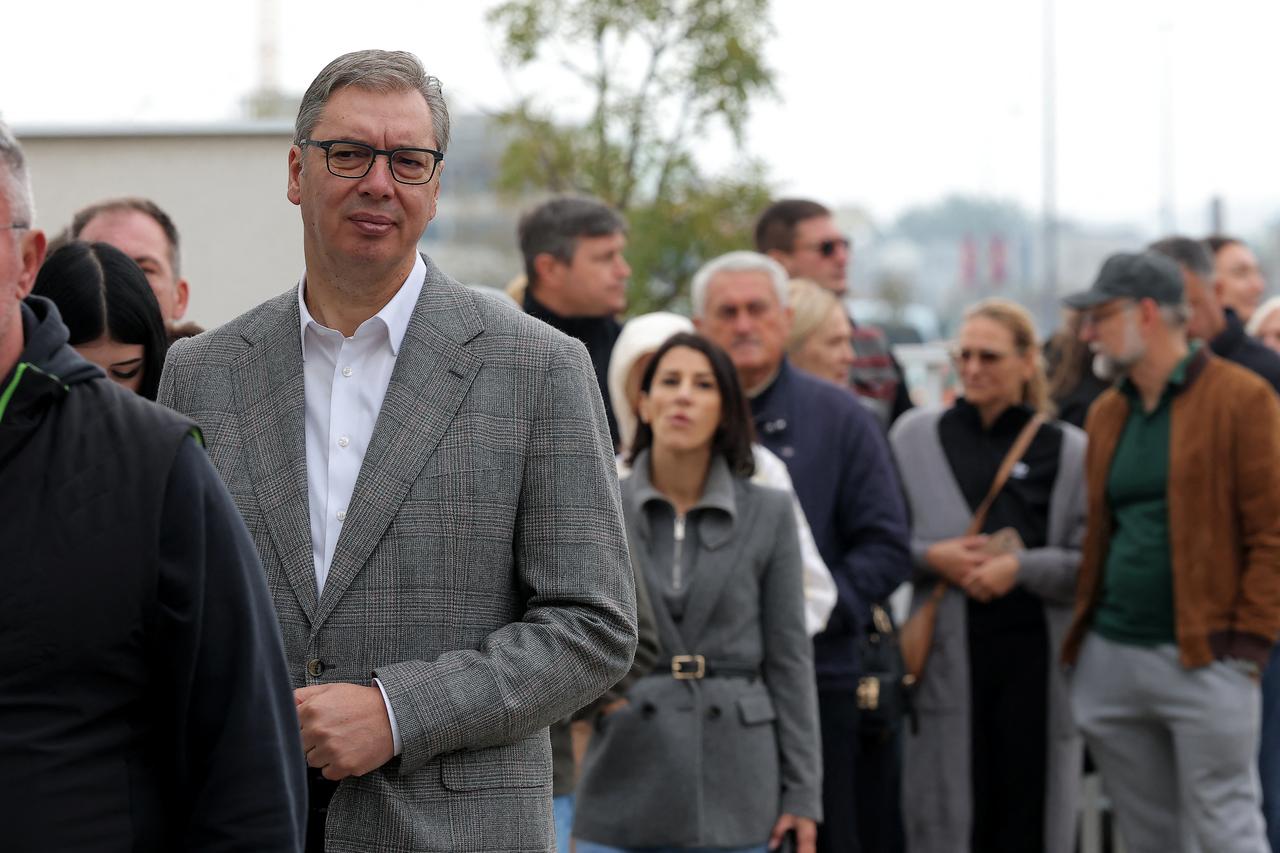


Serbia’s central bank on Saturday revoked the licence of Alta Bank, whose owner reportedly has close ties to former president Aleksandar Vucic’s party, days after the party lost parliamentary elections to a student movement.
The bank’s financial situation had “significantly deteriorated in recent times,” the central bank said, adding that there was a risk of further worsening of its financial position or liquidity. It said the decision was taken “to protect the interests of depositors and preserve the stability of the financial system.”
Withdrawals are no longer possible in Serbia, the central bank said, and deposits are to be repaid later.
Local media reported scenes of customers rushing to branches and cash machines in Serbia and in neighbouring North Macedonia, where Alta Bank has a subsidiary, to try to withdraw their savings. The North Macedonian subsidiary said its operations there continued as normal.
In a separate statement, the central bank said bankruptcy proceedings had been launched and management of the lender handed to Serbia’s Deposit Insurance Agency. The measure, it said, would keep the bank’s assets under supervision and prevent their dissipation, helping creditors, particularly households and businesses, recover their funds as quickly as possible.
Alta Bank is not among the country’s largest lenders, accounting for about three percent of the market.
 1 min read
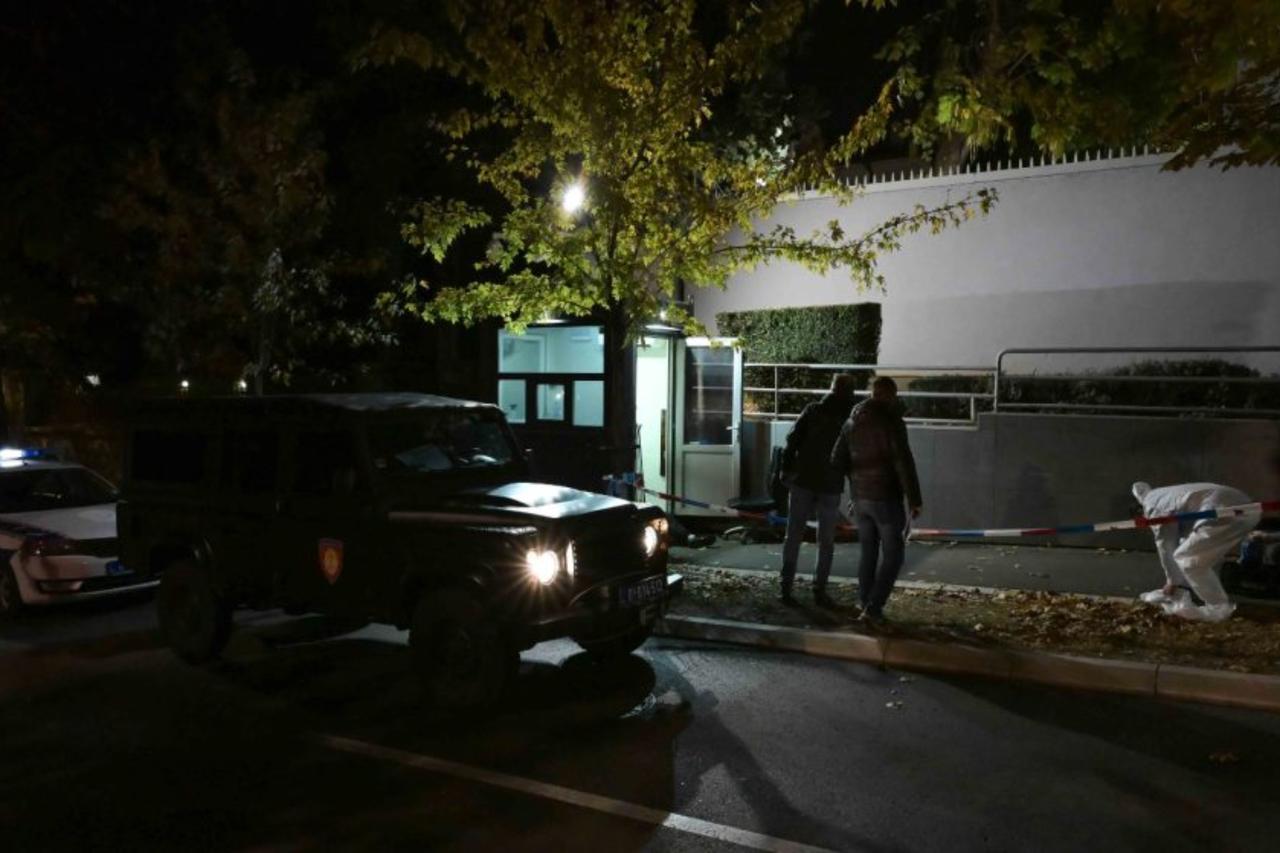
Several local media outlets reported that the bank is owned and run by Davor Macura, who allegedly has close ties to the Serbian Progressive Party, known as the SNS.
Prosecutors in charge of organised-crime cases said they had opened an investigation into Alta Bank’s activities, as well as into officials at the national bank and into capital transfers abroad.
On Thursday, Srdjan Milivojevic, leader of the opposition Democratic Party, said he had filed a criminal complaint after receiving information about plans to allow Alta Bank to transfer 50 million euros ($56 million) to a correspondent bank abroad.
The bank had already drawn the student movement’s criticism. In July 2025, the movement condemned the authorities’ decision to entrust Alta Bank with processing electricity bill payments nationwide.
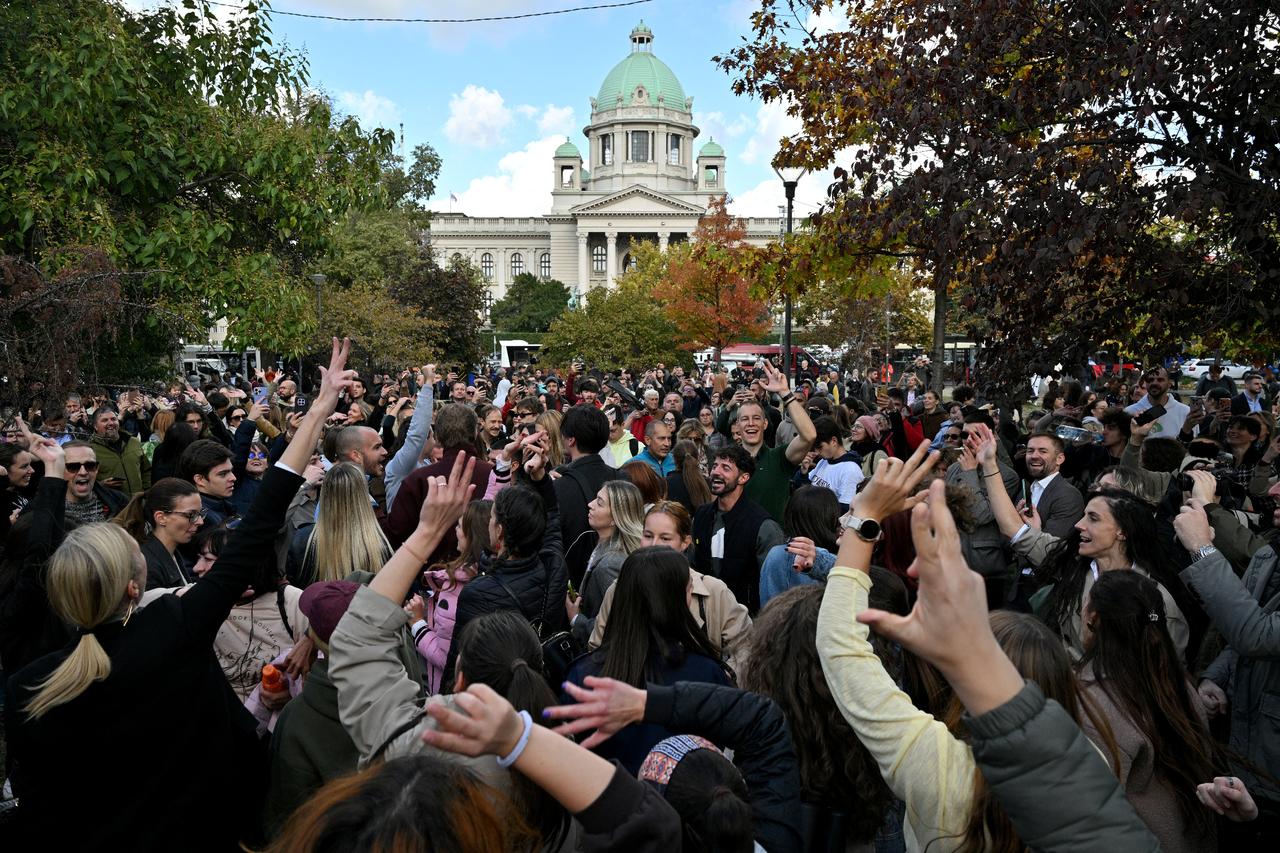
The licence decision came days after elections in which the student movement defeated Vucic’s right-wing nationalist SNS, ending its 14-year rule in the Balkan nation. The movement, which emerged from protests against corruption and state negligence after the 2024 collapse of a canopy at the railway station in Novi Sad, has since pressed for changes at state-run agencies.
In the days since the vote, students have pushed for reform of agencies they accuse of being beholden to Vucic’s party.
The banking drama unfolded as the SNS tried to regroup after its defeat. Meeting in Belgrade on Saturday, party leaders unanimously agreed to hold an extraordinary congress on December 13 to elect a new leader. Vucic is the sole candidate.
A co-founder of the SNS, Vucic stepped down as party president in 2023. He also resigned as Serbia’s president to run for prime minister in the recent elections.
“We are beginning a struggle,” he told more than 650 delegates, adding that he believed “a huge danger hangs over Serbia.”


 Set as preferred source
 Set as preferred source



 1 min read