Newsletters


Serbian Prime Minister Duro Macut said relations between Türkiye and Serbia are experiencing a “golden period,” citing strong political ties and expanding economic cooperation.
Macut spoke to the Turkish news agency Anadolu in Antalya, where he attended the Antalya Diplomacy Forum (ADF).
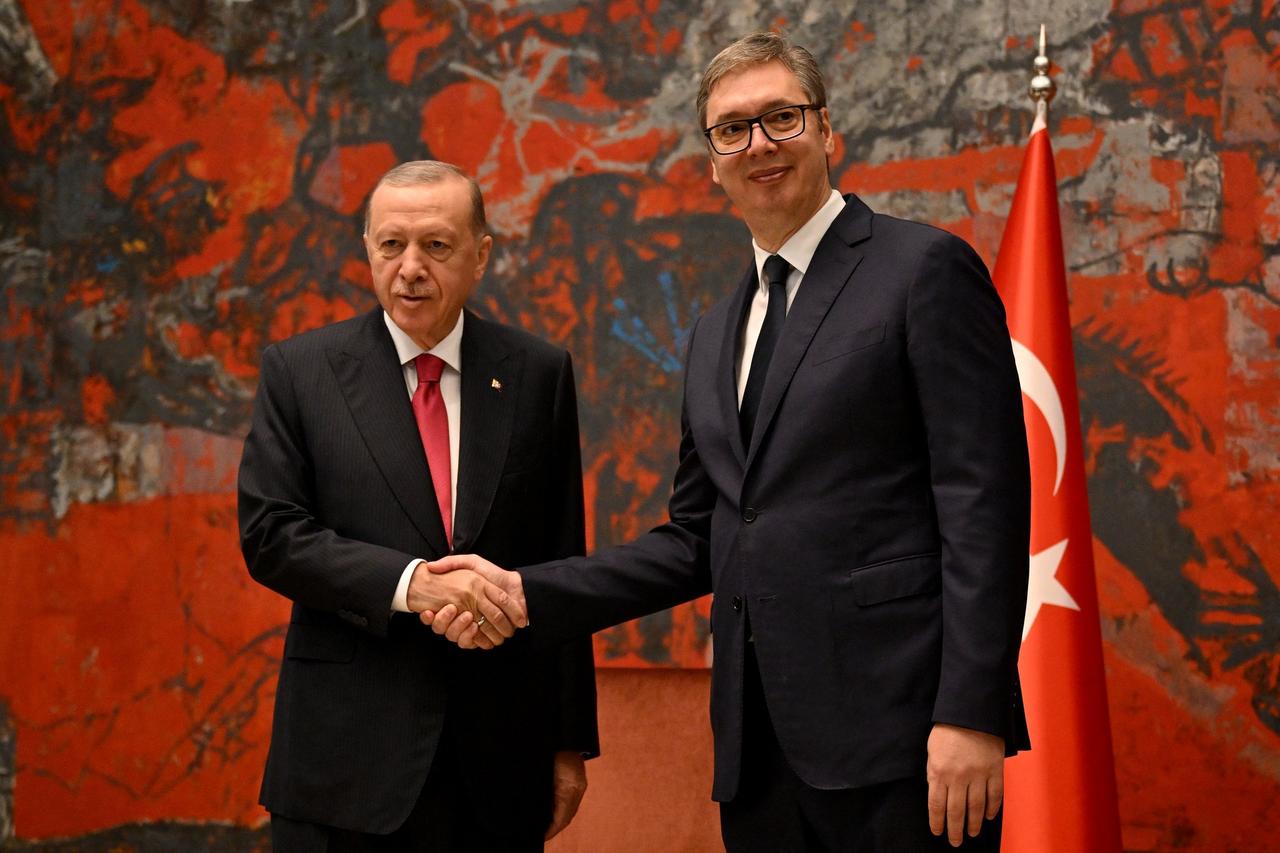
Evaluating bilateral ties, Macut said the foundation of relations rests on the close relationship between Recep Tayyip Erdogan and Aleksandar Vucic.
Macut said the current period marks the strongest phase in economic relations since World War I.
“I believe this period is the golden period of relations between Serbia and Türkiye in recent history,” he said.
In addition to economic ties, Macut described political relations as “excellent,” adding, “At the same time, the ties between the two countries in terms of human rights and the relations established with the Muslim-origin population in Serbia are also of great importance.”
He said Belgrade expects Erdogan to visit Serbia again, noting that cooperation could expand further in infrastructure, the economy, culture and education.

Responding to a question on Türkiye’s role in maintaining peace in the Balkans, Macut pointed to Ankara’s involvement in tensions such as the Russia-Ukraine war.
“Considering this situation and Türkiye’s historical perspective as a major power in the region, we can expect Türkiye to play a stabilizing role not only in Europe but especially in the Mediterranean and the Middle East,” he said.
Highlighting Türkiye’s presence in the Western Balkans as a “major advantage,” Macut added: “The wisdom of the Turks and Türkiye will provide great support in resolving critical problems.”
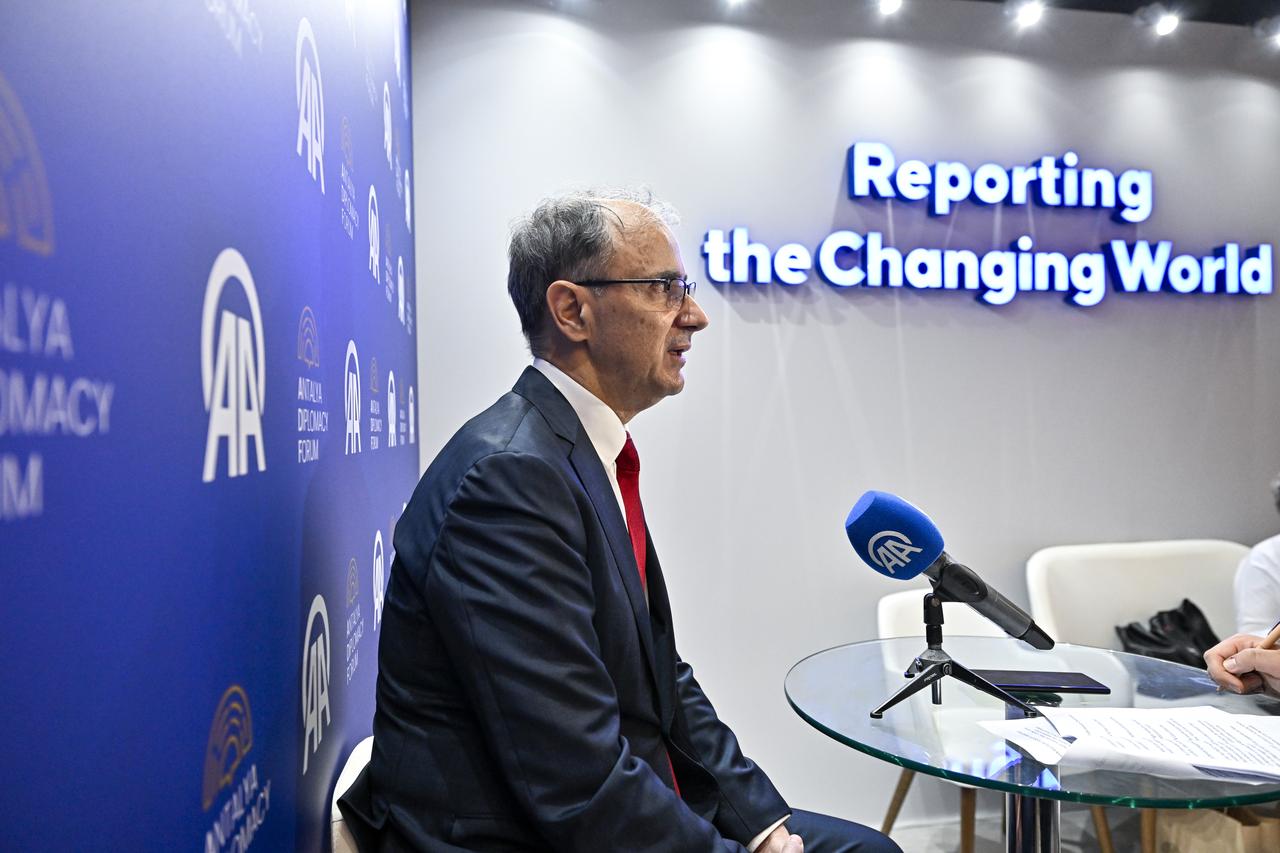
Speaking at a panel titled “The Role of Regional Ownership in a Transforming World” at the Antalya Diplomacy Forum 2026, Macut said Serbia’s future lies within the European Union, while maintaining a policy of military neutrality and adherence to international law.
“The future of our country is within the European Union,” he said, adding that Serbia remains committed to following international law in what he described as an increasingly turbulent global environment.
Serbia has been an official candidate for EU membership since 2012 and opened accession negotiations in 2014. Progress has been made in several chapters, but talks have slowed in recent years due to concerns over Belgrade’s alignment with EU foreign policy, particularly regarding sanctions on Russia.
Macut said neutrality remains a cornerstone of Serbia’s national strategy, shaped by the region’s complex historical experience.
“We come from a region that has faced many turbulences throughout history,” he said, noting that Serbia is “persistently on the side of neutrality.”
EU officials continue to stress that normalization of relations with Kosovo remains a key condition for Serbia’s accession.
Macut said regional ownership is becoming increasingly important as global tensions and conflicts intensify, particularly in Southeast Europe and the Mediterranean.
According to Macut, stronger regional cooperation based on respect for international norms and the United Nations Charter is essential for maintaining stability and ensuring countries can act independently.
“Without international law, we cannot freely exchange our ideas or position ourselves as independent countries,” he said.
He described Southeast Europe as a strategic space influenced by both the European Union and key regional actors, including Türkiye, which he called an important partner.
Macut said navigating these relationships presents both opportunities and challenges, underscoring the need for balanced and pragmatic policies.
He added that regional integration efforts should be guided by clear rules and long-term strategies while responding to emerging global risks.
The Antalya Diplomacy Forum, hosted by Türkiye, brings together heads of state, ministers and policymakers to discuss geopolitical, economic and security challenges in an increasingly uncertain international landscape.


 Set as preferred source
 Set as preferred source


 2 min read
 1 min read