Newsletters




This article was originally written for Türkiye Today’s bi-weekly Balkans newsletter, BalkanLine, in its Feb. 13, 2026 issue. Please make sure you are subscribed to the newsletter by clicking here.
“I speak to you with the utmost respect, as a great leader, not only of Türkiye, but also of the region and indeed a leader with global influence.”
These were not my words; they were Serbian President Aleksandar Vucic’s, the same leader who just months ago accused Ankara of destabilizing the Balkans. Talk about a 180-degree turn.
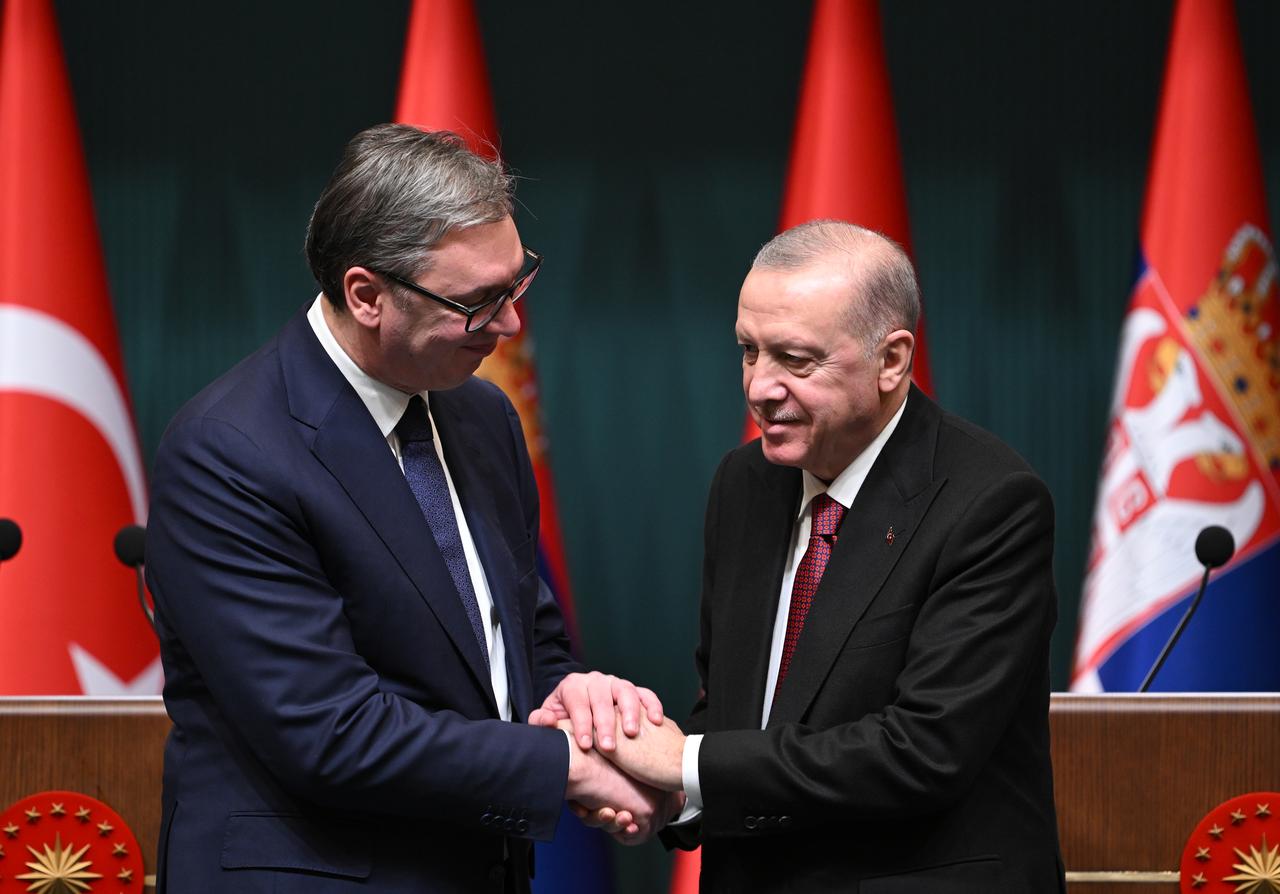
Vucic was in Ankara on Feb. 12 for an official visit and talks with Turkish President Recep Tayyip Erdogan.
The atmospheric shift at the Presidential Complex was palpable. This marked Vucic’s first visit since his public accusations against Ankara. Just months earlier, relations between Ankara and Belgrade had been marked by uncharacteristic friction and Ankara’s deliberate silence.

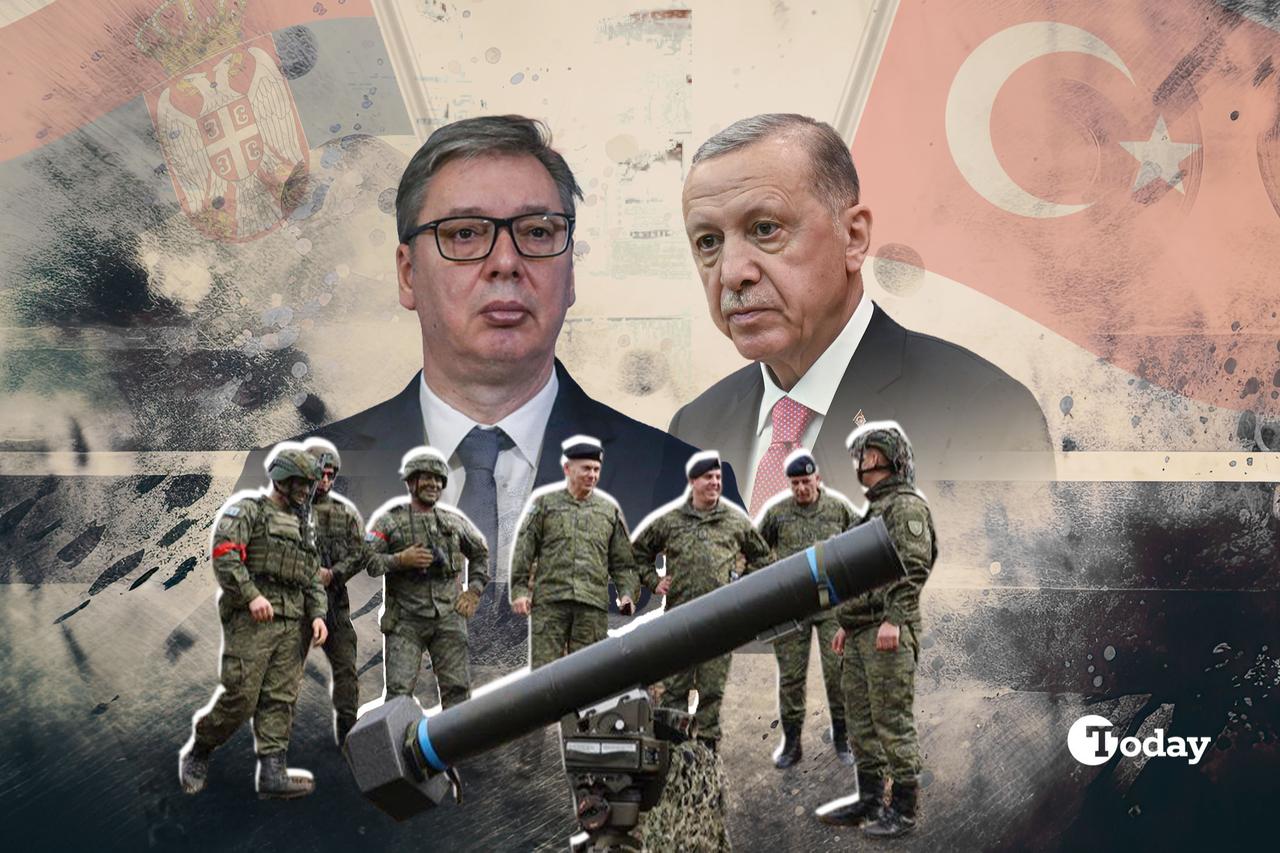
Following Türkiye’s delivery of Skydagger combat drones to Kosovo in late 2025, Vucic had appalled observers by accusing Ankara of destabilizing the Balkans and “dreaming of restoring the Ottoman Empire.”
“President Erdogan is a much more experienced leader. Sometimes I say something, and the president does not always like it. But because he is a very wise person, he waits for the dust to settle,” Vucic said during a joint press conference. “As a leader who knows very well how to establish peace, I would like to thank you for always listening to us and wanting to listen to us on this matter.”
His remarks suggested a tacit acknowledgment that Ankara’s silence had been the response.
For Ankara, the visit also served as a validation of the Balkan Peace Platform. Despite his earlier accusations, Vucic’s presence confirmed that Serbia cannot afford to alienate its most significant non-Western partner. With bilateral trade nearing the $5 billion target and more than 1,500 Turkish firms operating in Serbia, economic gravity has once again pulled political rhetoric back into alignment.
Vucic also noted that some in Serbia may not fully appreciate the scale of Turkish investments, particularly in less developed regions such as southern Serbia, which he said have benefited from Turkish companies in terms of employment and local development.
One of his most striking remarks, however, was blunt in its realism: “Serbia is a much smaller country than Türkiye. We know we cannot be the most important partner for Türkiye. But Türkiye is an extremely important partner for Serbia.”
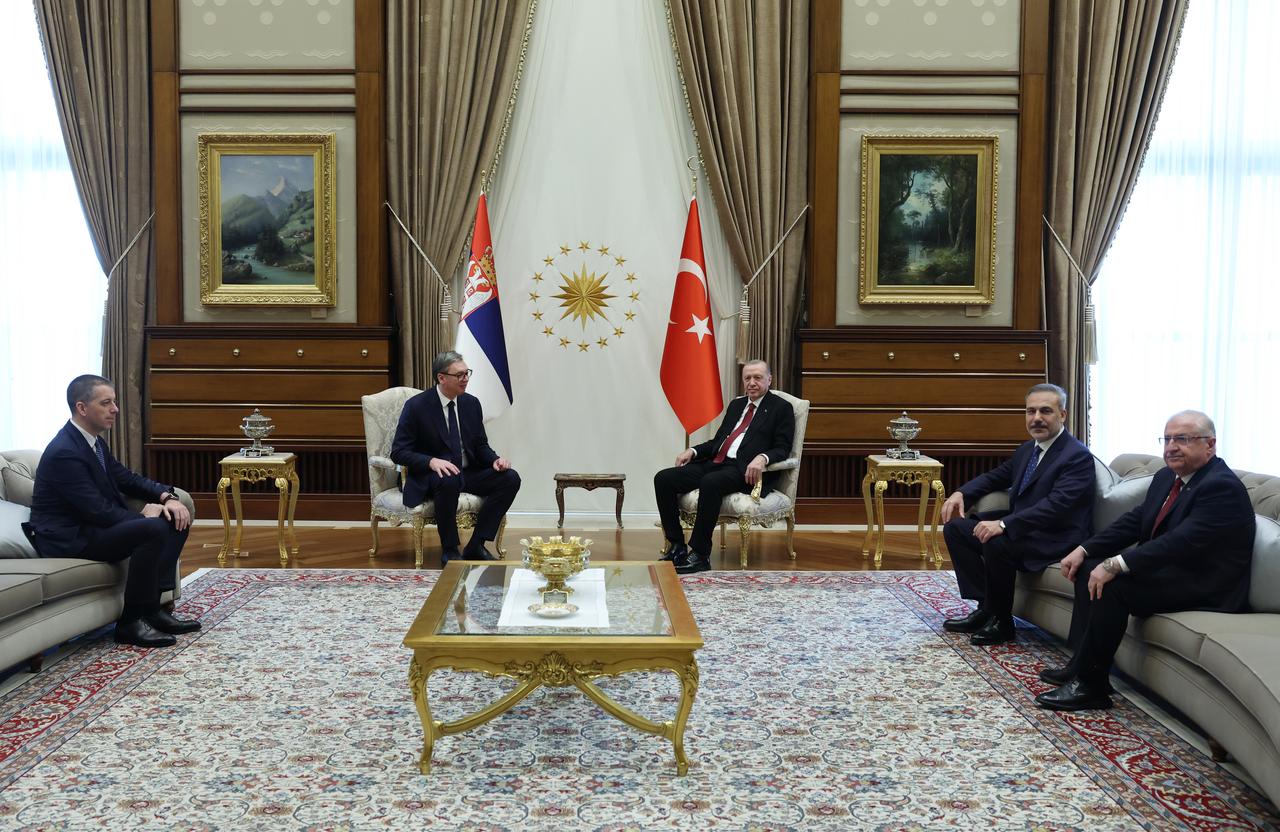
Ankara, meanwhile, is playing a sophisticated balancing game. It maintains necessary defense cooperation with Pristina to preserve regional security equilibrium while simultaneously hosting Belgrade as a “long-time friend.” This posture positions Türkiye as one of the few actors capable of engaging all sides with equal weight, a role the European Union, increasingly mired in technocratic “growth plans,” appears less willing or able to play.
Belgrade has come to recognize that, “Ottoman dreams” rhetoric aside, Ankara’s pragmatic engagement is an essential anchor in an increasingly multipolar Balkan landscape.
One of the key issues to watch from this point forward is the prospect of defense agreements between the two countries. For the first time, the leaders discussed cooperation in military and technical fields, including collaboration between their armed forces. Vucic said strengthening such cooperation could help preserve peace and ensure a better future for both nations.
As Vucic returns to Belgrade to prepare for Erdogan’s expected visit, which the Turkish president said could take place in May or June, further discussions on defense cooperation may be on the horizon.
Unfortunately, I was unable to watch Vucic’s visit from Ankara firsthand, having spent the past week in Bosnia. Yet the physical environment here offers an apt metaphor for the political one: winter air hangs heavy with a familiar, suffocating smog, the result of outdated heating systems and valleys that trap pollution.
But there is another kind of pollution drifting across Bosnia, and perhaps the wider Balkans.
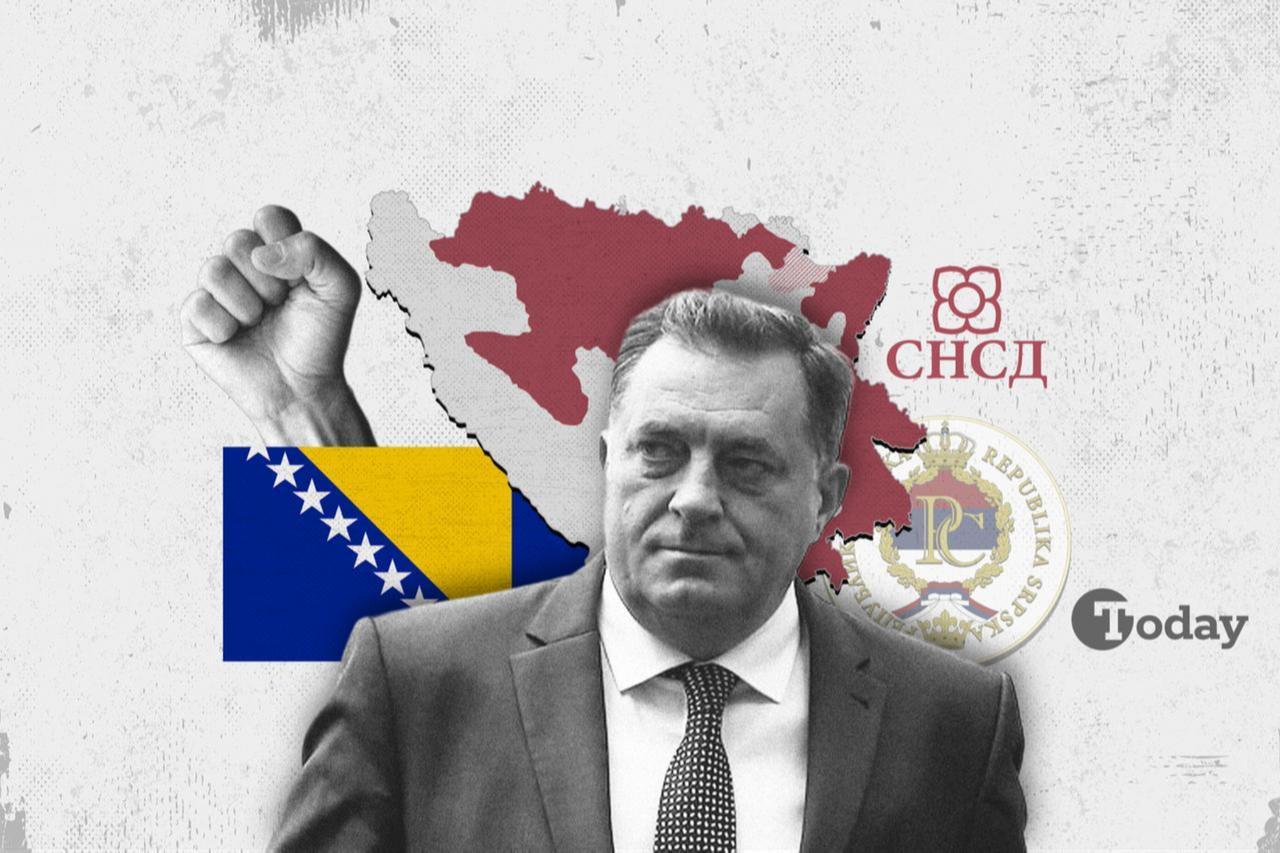
Milorad Dodik, the former leader of Bosnia’s Serb-majority Republika Srpska, has recently returned from a high-profile tour of Israel and Washington, adding significantly to this regional political “smog.” Despite being removed from office by judicial decree last year, his recent meetings with senior U.S. officials and Israeli Prime Minister Benjamin Netanyahu have given him a renewed diplomatic profile.
By securing access to the new U.S. administration, Dodik is attempting to recast himself not as a sanctioned pariah but as a self-styled “defender of Christian values.”
As discussed in our previous issue, his trip to Jerusalem was not merely about bilateral engagement. It was a calculated effort to draw parallels between Republika Srpska’s so-called “struggle for sovereignty” and Israel’s security narrative, further polarizing Bosnia’s already fragile political discourse.
While residents of Sarajevo and Tuzla check air quality apps to see whether the air is breathable, the region’s political atmosphere is being deliberately poisoned by secessionist rhetoric that has found a troubling new audience in the West. Dodik is no longer just part of the landscape. He has become one of the primary sources of the haze.


 Set as preferred source
 Set as preferred source


 2 min read
 1 min read