Newsletters


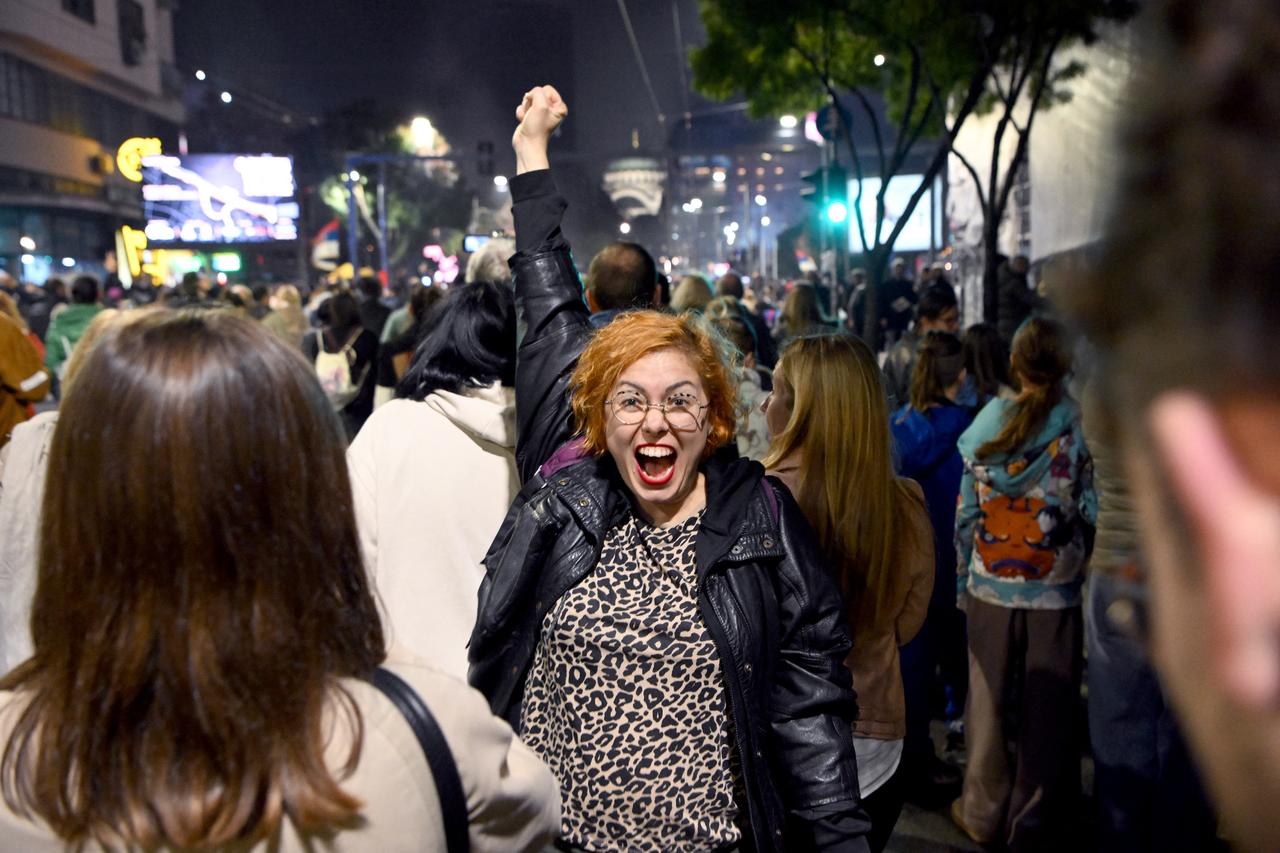


Serbia’s students stormed the ballot box dressed exactly as they had for months of protests: casual T-shirts, sneakers, and the certainty that they could topple a 14-year political establishment without sending a single student into Parliament.
Now their handpicked candidates are preparing to take the wheel, while the movement behind them faces the harder question of whether a revolution built on collective decisions can survive the business of actually governing.
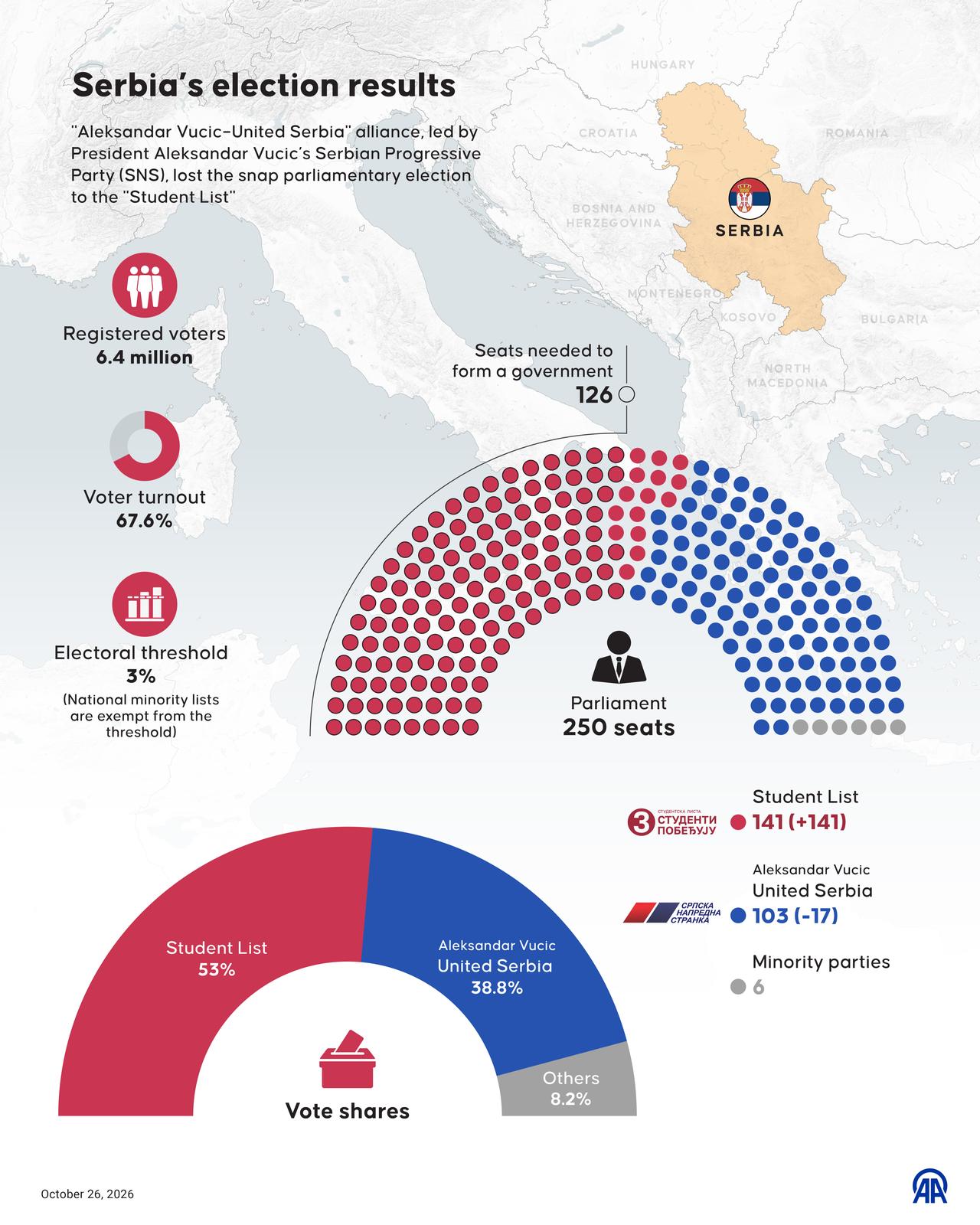
The Student List won 52.71% of the vote and was projected to secure 140 seats in the 250-member National Assembly, compared with 39.17% and 104 seats for Aleksandar Vucic's United Serbia coalition, according to preliminary results announced Monday by the Republic Electoral Commission.
The projected majority puts the students in a position to govern without coalition partners, ending the Serbian Progressive Party's (SNS) 14-year hold on power.
Yet the movement, which rejected individual leadership and operated through university assemblies, has never faced the responsibilities of running a national government.

The Student List has not officially nominated anyone, although two names have garnered particular attention.
Ilija Srdanovic, a cardiologist and professor at the University of Novi Sad, headed the electoral list and became one of its most recognizable figures during the campaign.
Another possibility is Dejan Soskic, an economics professor and former governor of the National Bank of Serbia who served from 2010 to 2012.
During an Oct. 3 campaign rally in Belgrade, Vucic claimed that Soskic was the Student List's undisclosed choice for prime minister, although the movement never confirmed the claim.
Soskic has also been tipped for a prominent role in the incoming government, though whether that would involve the premiership or another position remains unclear.
Under Serbia's Constitution, the president nominates a prime minister after consulting representatives of elected lists. The nominee must secure at least 126 votes in parliament and does not have to be a lawmaker.
The new assembly must convene within 30 days of the final results and elect a government within 90 days of its formation, or face dissolution.
The movement emerged from protests following the November 2024 Novi Sad railway station canopy collapse that killed 16 people. Students organized through university plenums, where decisions were made collectively rather than by a single leader.
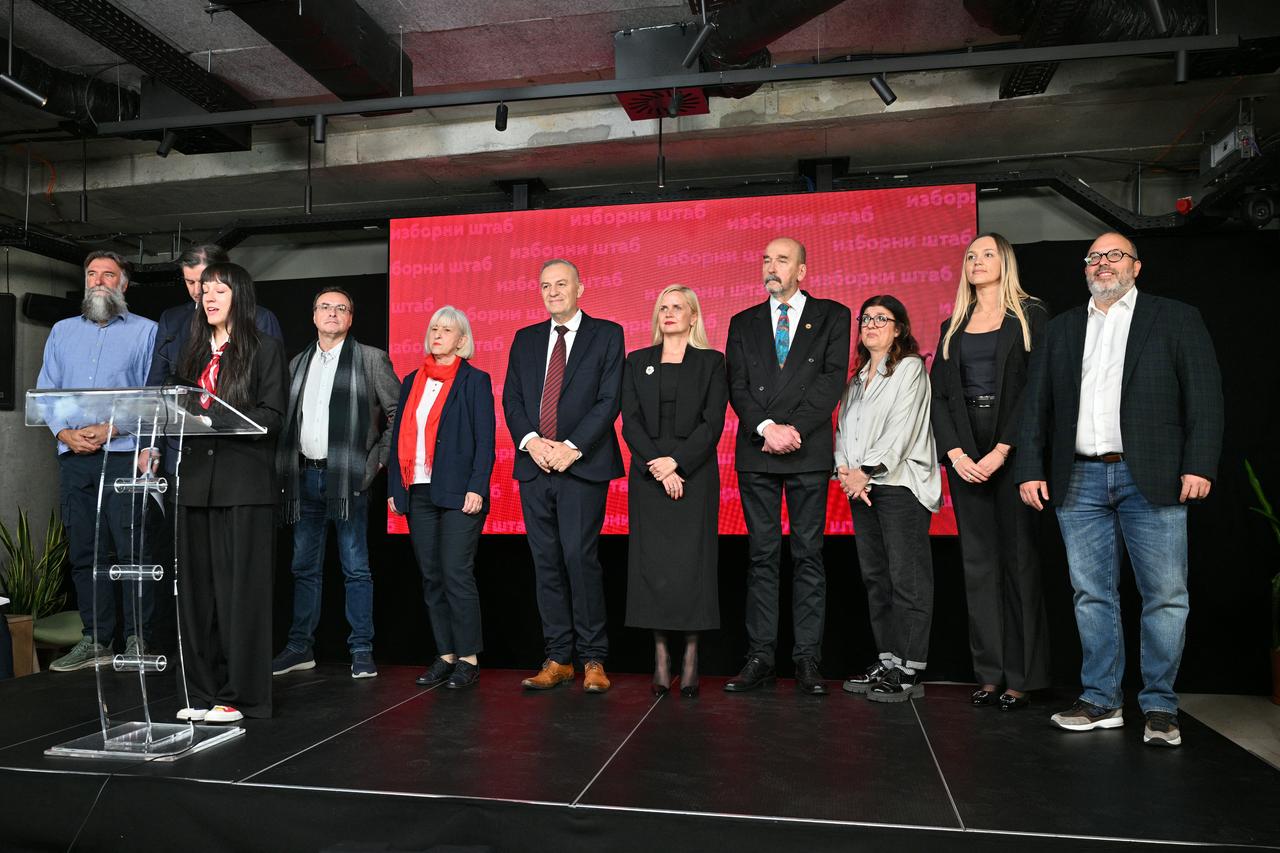
The same approach helped select 250 electoral candidates from different professional backgrounds, deliberately excluding students themselves.
Among them are former basketball star Dejan Bodiroga, chemistry professor Radomir Saicic, sociologist Jovo Bakic, farmer and anti-lithium mining activist Zlatko Kokanovic, playwright Zeljko Hubac and actor Tihomir Stanic. Other figures include University of Arts Rector Mirjana Nikolic and lawyer Sarah El Sarag.
But organizing protests and governing a country require different decision-making structures.
The movement could retain a consultative role for student assemblies while allowing elected representatives to run the government. Alternatively, it could develop a more conventional leadership structure or eventually establish a formal political organization. None of these arrangements has been announced.
The students have the parliamentary numbers. Whether their collective approach can meet the demands of government remains unanswered.
The movement's 11-point program prioritizes fighting corruption, strengthening judicial independence and reducing political influence over public institutions.
Its proposals include investigating officials' assets, recovering illegally acquired property, reviewing public procurement contracts and introducing merit-based appointments in state-owned companies.
It also proposes an independent police unit accountable to prosecutors, media reforms, affordable housing, stronger labor protections and improvements to healthcare and education.
Implementing these measures could prove harder than passing legislation, particularly in institutions where officials appointed during SNS rule remain influential.
Foreign policy may present an equally complicated challenge.
The Student List kept divisive international issues in the background during its campaign, seeking support from both pro-European and Euroskeptic voters.
However, a review of its foreign-policy program offers indications of what may follow.
The movement supports Serbia's military neutrality, opposes sanctions against Russia over its invasion of Ukraine and favors maintaining cooperation with Moscow.
The students have also reportedly proposed ending Serbian arms exports to Ukraine and Israel.
On the European Union, the movement advocates closer economic cooperation and institutional reforms but has stopped short of an unconditional commitment to membership. Its representatives have proposed putting eventual EU accession to a referendum.
Kosovo remains another sensitive issue. The Student List opposes recognizing its independence and wants previous agreements with Pristina reviewed for constitutional compliance. It would also reportedly require a referendum before any decision to recognize Kosovo.
Its regional program supports preserving Republika Srpska's constitutional powers within Bosnia and Herzegovina and questions the international high representative's use of the Bonn powers.
Economic realities will also constrain foreign-policy decisions. Serbia remains dependent on Russian gas, while U.S. sanctions affecting oil company NIS and negotiations over the sale of its Russian majority stake pose an immediate challenge.
The movement also seeks closer economic relations with Washington and continued cooperation with China, subject to stricter regulatory and environmental standards.
A change of government, therefore, does not necessarily mean an immediate departure from Serbia's established foreign-policy positions.
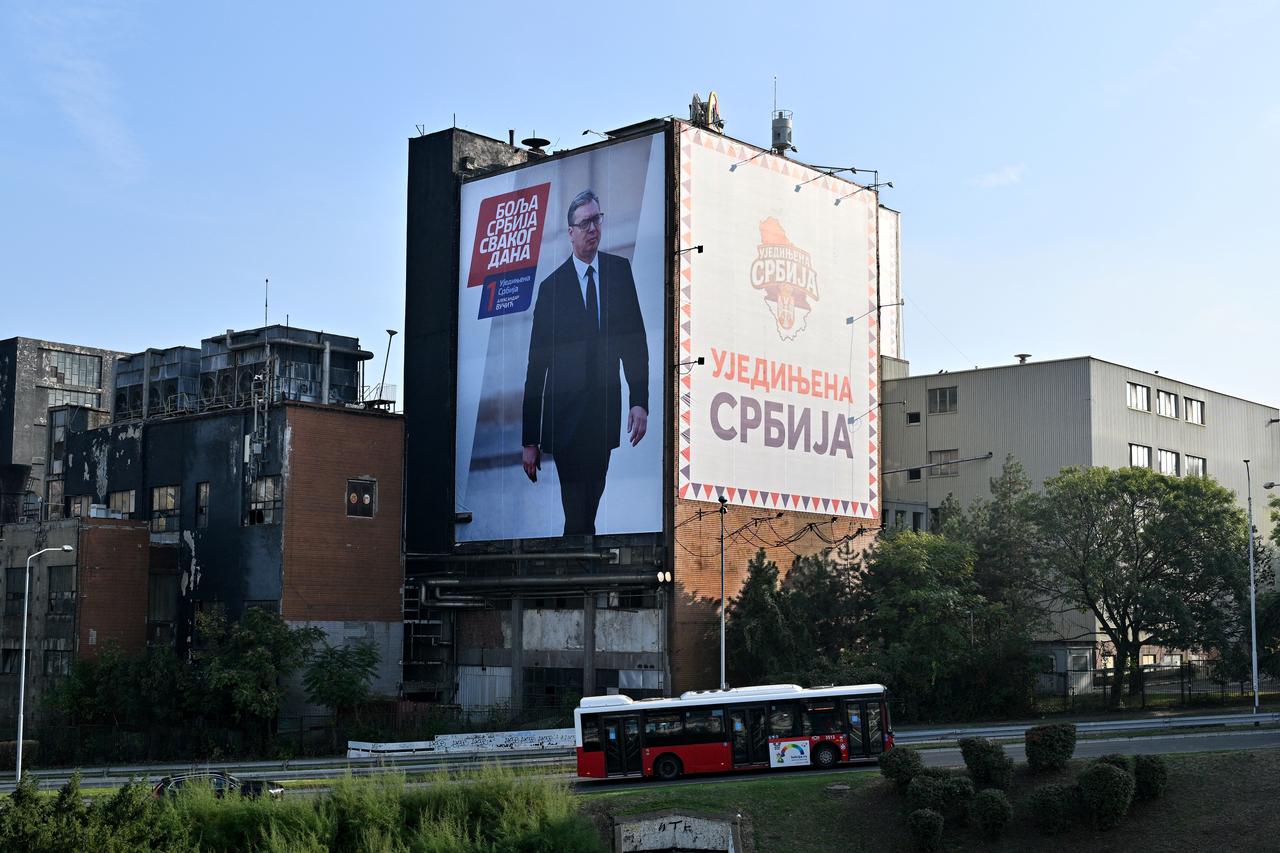
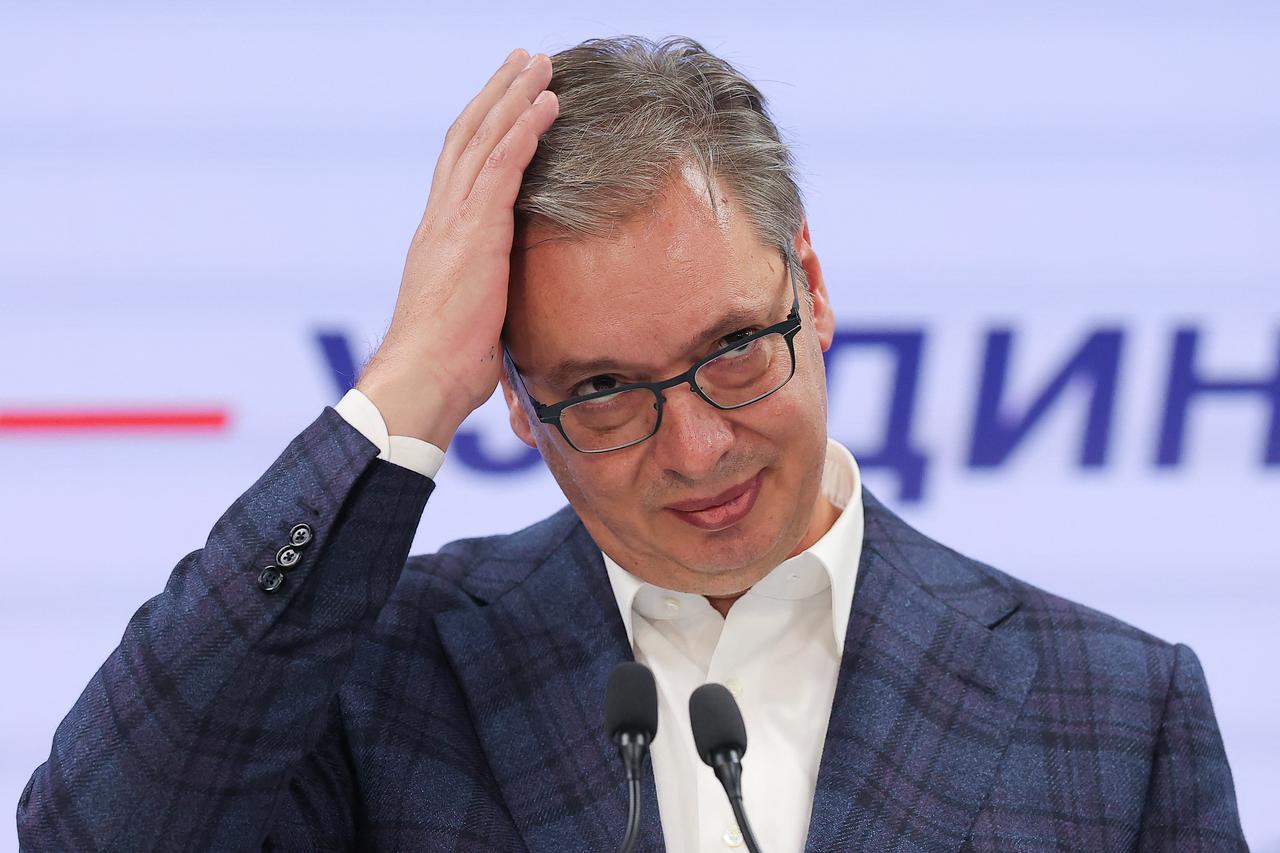
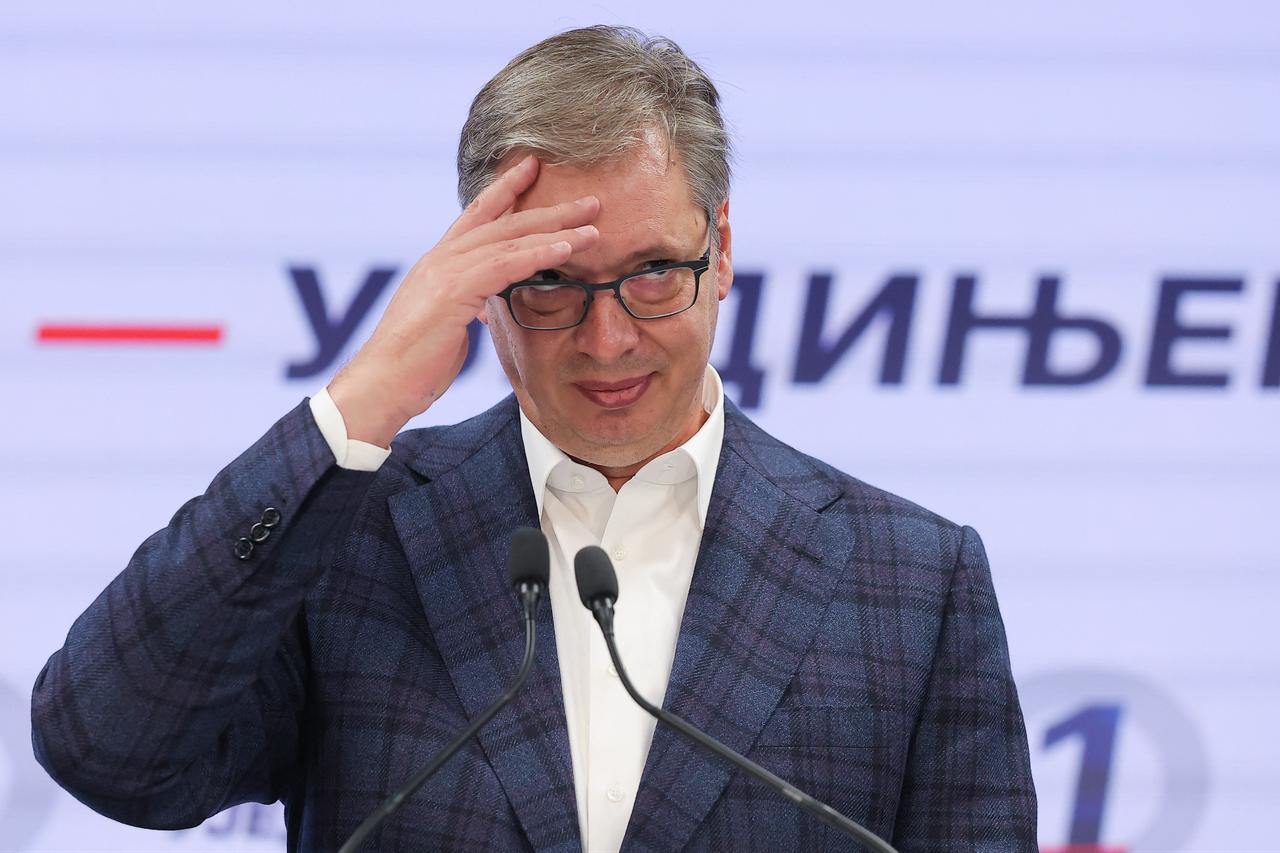
Vucic conceded defeat Sunday, but his political influence cannot yet be written off.
With 104 seats in the preliminary distribution, his coalition would remain a substantial parliamentary opposition. The Socialist Party of Serbia, his longtime coalition partner, failed to cross the electoral threshold.
Following Vucic's resignation from the presidency Sept. 27, parliamentary Speaker Ana Brnabic became acting president. A separate presidential election must take place by Dec. 27.
Radomir Saicic, a chemistry professor and member of the Serbian Academy of Sciences and Arts, has been mentioned as a possible contender.
 2 min read
Pre-election reporting also identified former basketball star Dejan Bodiroga and Belgrade University Rector Vladan Djokic as potential candidates. None has been officially nominated.
The presidential election will require the students to make another decision about individual leadership, something their political model has so far sought to avoid.
The students have achieved something Serbia's established opposition repeatedly failed to accomplish. But winning a parliamentary majority and building a functioning government are distinct challenges.


 Set as preferred source
 Set as preferred source


 1 min read