Newsletters


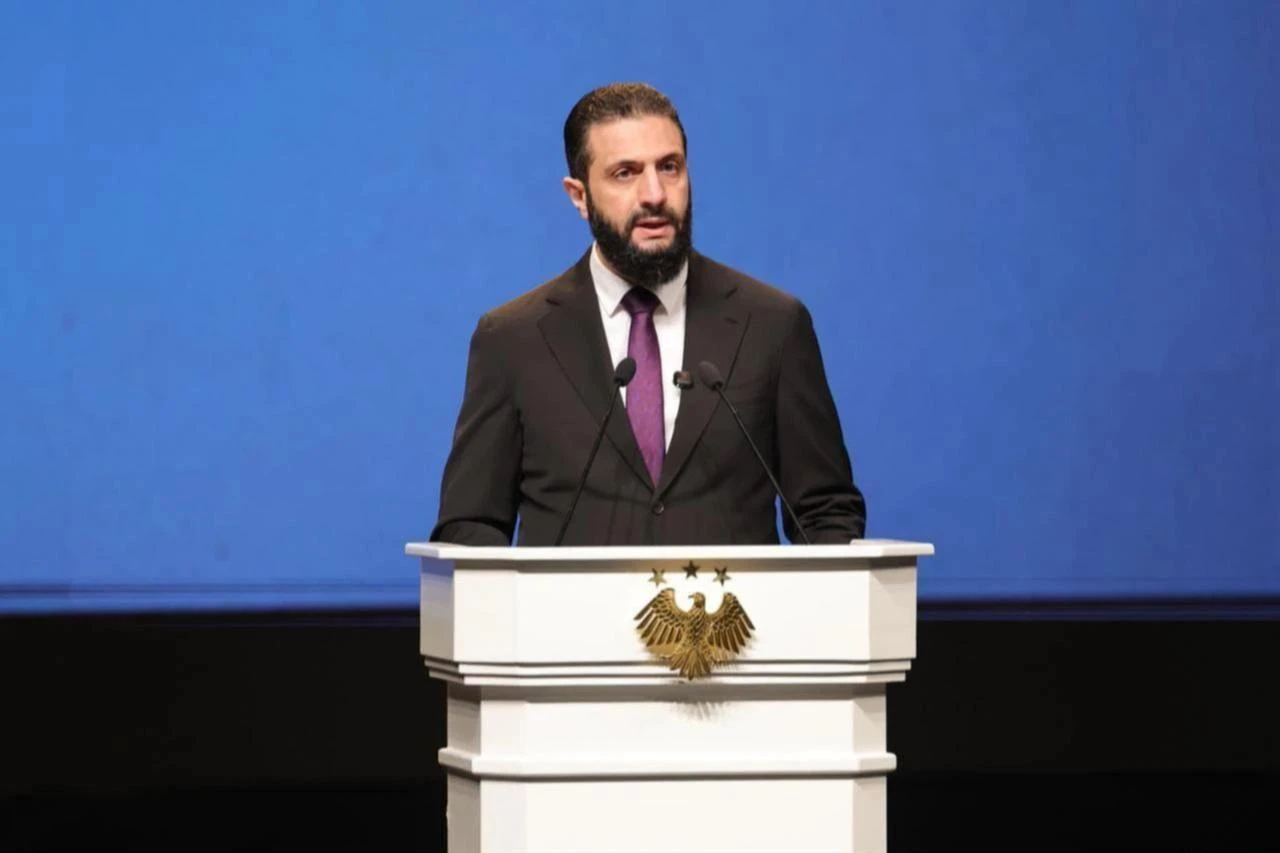


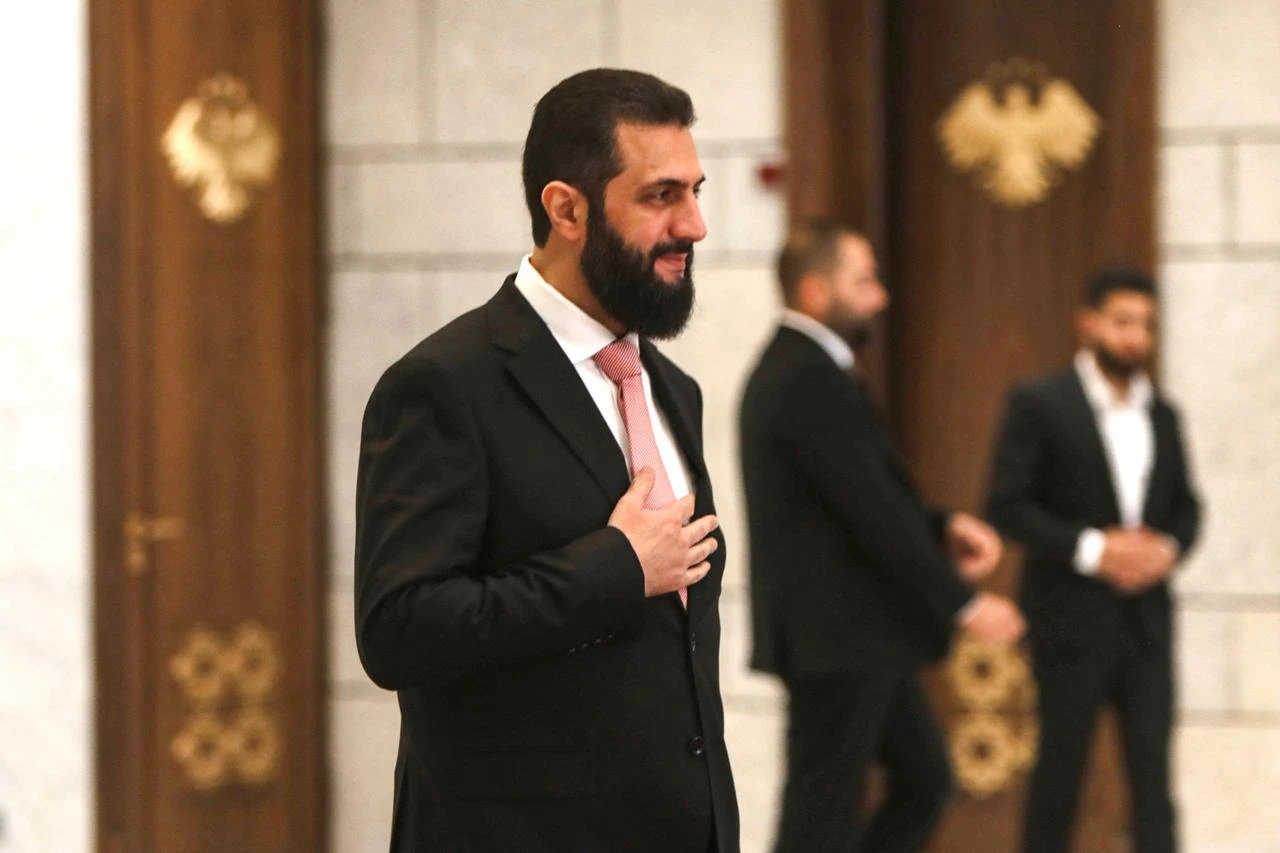
Syrian President Ahmed al-Sharaa said Saturday that Damascus is "deeply concerned" about the prospect of further unrest erupting in Lebanon, cautioning that any descent into chaos there would negatively affect Syria, even as he firmly closed the door on military intervention and U.N. Secretary-General Antonio Guterres wrapped up a landmark two-day visit with calls to lift all remaining sanctions on the country.
Speaking in an exclusive interview with Al Jazeera on seperate occasion, Sharaa had warned that a comprehensive solution to the Lebanese crisis must go beyond security arrangements alone.
Any meaningful resolution, he said, must also tackle Lebanon's political, economic, and social dimensions.
Chaos in Lebanon, he added, would carry direct and immediate consequences for Syria, particularly along the two countries' shared border and in areas where Hezbollah maintains a presence.
Despite Washington's months-long pressure campaign, Sharaa again flatly rejected the idea of Syrian military involvement in Lebanon.
President Donald Trump has repeatedly suggested that Damascus take on responsibility for confronting Hezbollah, an Iran-backed armed group that has continued exchanging strikes with Israel even after a conditional ceasefire was announced earlier this year, a ceasefire that Hezbollah rejected.
Syria, Sharaa said, is instead "looking for economic channels between Lebanon and Syria, not military ones."
The Syrian president said Damascus has presented a proposal to the United States and other international actors calling for an immediate halt to hostilities, to be followed by a broader package of political, economic, and social measures aimed at addressing the roots of the conflict.
He also expressed firm support for the Lebanese state's exclusive authority over decisions of war and peace, and for restricting all weapons to state institutions.
Any assistance Syria could offer, Sharaa emphasized, would bear no resemblance to the model of Syrian guardianship over Lebanon that defined the Assad era.
For nearly three decades, Damascus maintained a military presence in Lebanon and effectively dominated its neighbor's political life, a relationship many Lebanese regarded as an occupation. That chapter, Sharaa made clear, is closed.
Sharaa told Al Jazeera he has held multiple discussions with Trump on the Lebanon file, conveying consistently that the solution is not war.
"There have been several contacts between us and President Trump since Syria and the United States established relations," he said, adding that Damascus continues to advocate for an approach grounded in restoring Lebanese state institutions rather than armed confrontation.
Lebanese Prime Minister Nawaf Salam has praised Sharaa's position, according to reports of a call between Salam and Syrian Foreign Minister al-Shaibani following an earlier round of Syrian statements on the issue.
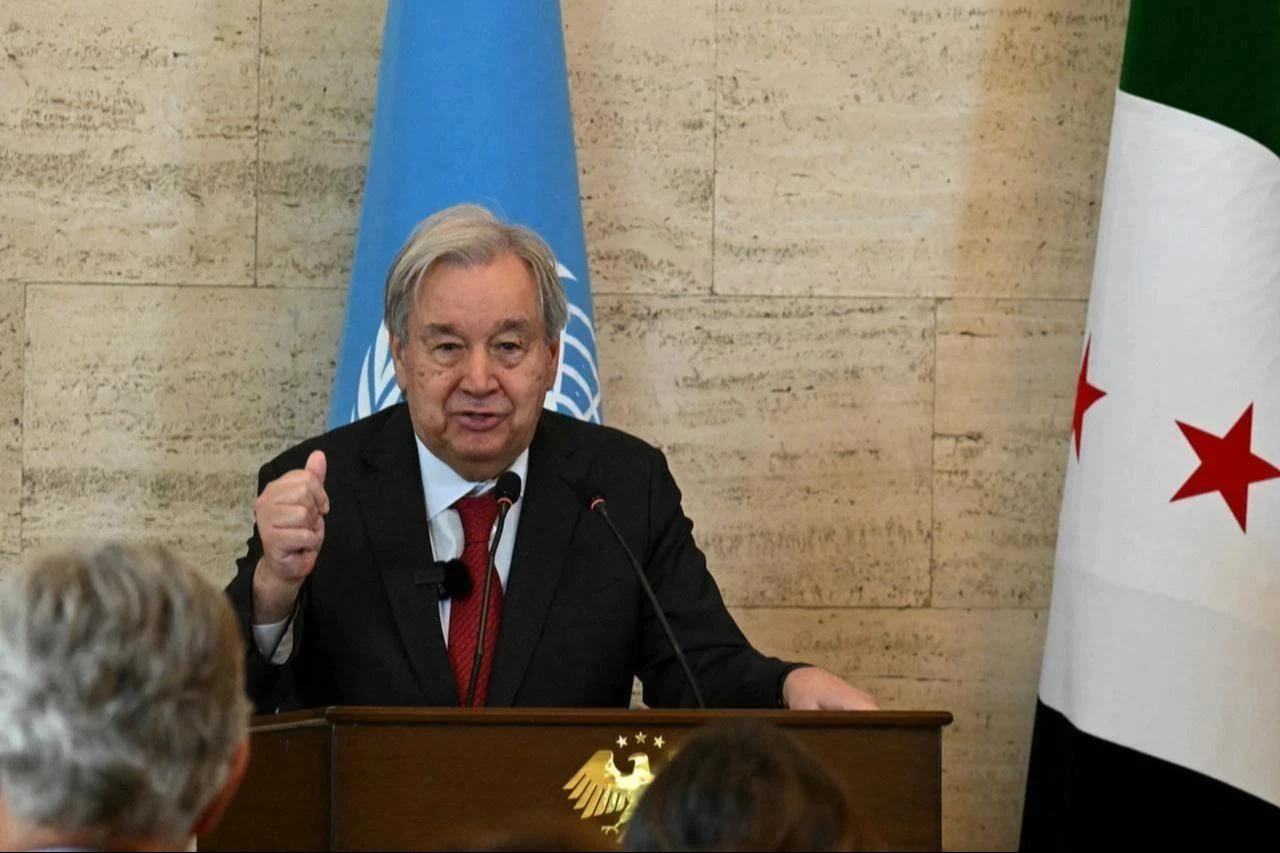

The backdrop to Sharaa's remarks was a visit to Damascus by Guterres, the first by a sitting U.N. secretary-general since Ban Ki-moon traveled to the Syrian capital in 2009, two years before the start of a civil war that killed more than half a million people and displaced millions more.
Guterres arrived Saturday morning, describing the trip as "a visit of solidarity" and saying the U.N. "stands with Syria at this pivotal moment."
He toured the old quarter of Damascus and the historic Umayyad Mosque, and made a point of visiting Saydnaya military prison north of the capital, a facility that became synonymous with the systematic brutality of Assad family rule.
During a press conference alongside Syrian Foreign Minister Asaad al-Shaibani, the U.N. chief declared that Syria "stands at a moment of possibility," with an opportunity not only to recover from conflict but to build, in his words, "a future that is more stable, more inclusive and more prosperous for all Syrians."
He added that no country emerges from severe conflict and rebuilds on its own.
On Sunday, as he concluded the two-day visit, Guterres sharpened his message on the economic front, calling for the immediate removal of all sanctions imposed on Syria during the Assad era.
"I welcome steps that have eased sanctions, and the opening of new possibilities for economic recovery, but all these sanctions must be removed immediately," he told reporters.
The World Bank has estimated that Syria's post-war reconstruction could cost as much as $216 billion.
While the United States and Europe have begun lifting some sanctions, investors have remained cautious and the impact on daily life has so far been limited, with the U.N. estimating that roughly 90 percent of Syria's population lives in poverty.
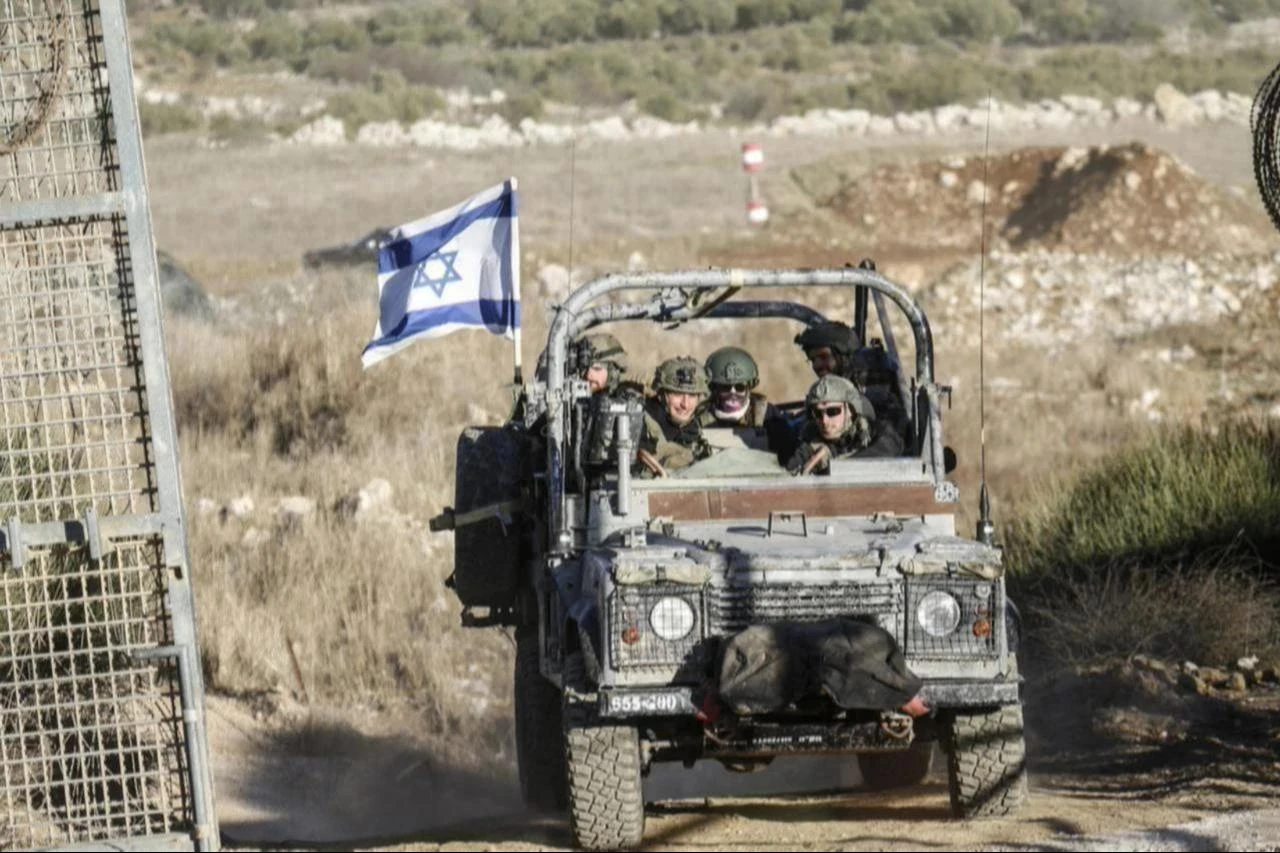
The diplomatic goodwill of Guterres's visit was set against the unresolved question of Israeli military activity in Syrian territory.
At his Saturday press conference, Guterres was unambiguous. "I'd like to remind the international community that the Golan Heights are Syrian territory," he said, adding that Israeli violations of Syria's sovereignty an
d territorial integrity are "unacceptable and must cease." Foreign Minister al-Shaibani echoed those remarks, calling for a full Israeli withdrawal from a U.N.-patrolled buffer zone near the Golan Heights that Israeli forces entered in 2024 following Assad's ouster.
On Sunday, even as Guterres was still in Damascus, Israeli soldiers were reported to have advanced toward villages in southwestern Syria, setting up a checkpoint at Al-Ardah while shelling was heard nearby, according to Syria's state news agency SANA. The incursion drew fresh condemnation from U.N. officials.
Sharaa, for his part, said Syria has "no interest" in entering into a confrontation with Israel, and that a security agreement with Israel, if it succeeds, could pave the way for a broader peace, without Syria conceding its right to sovereignty over the occupied Golan Heights.
 1 min read
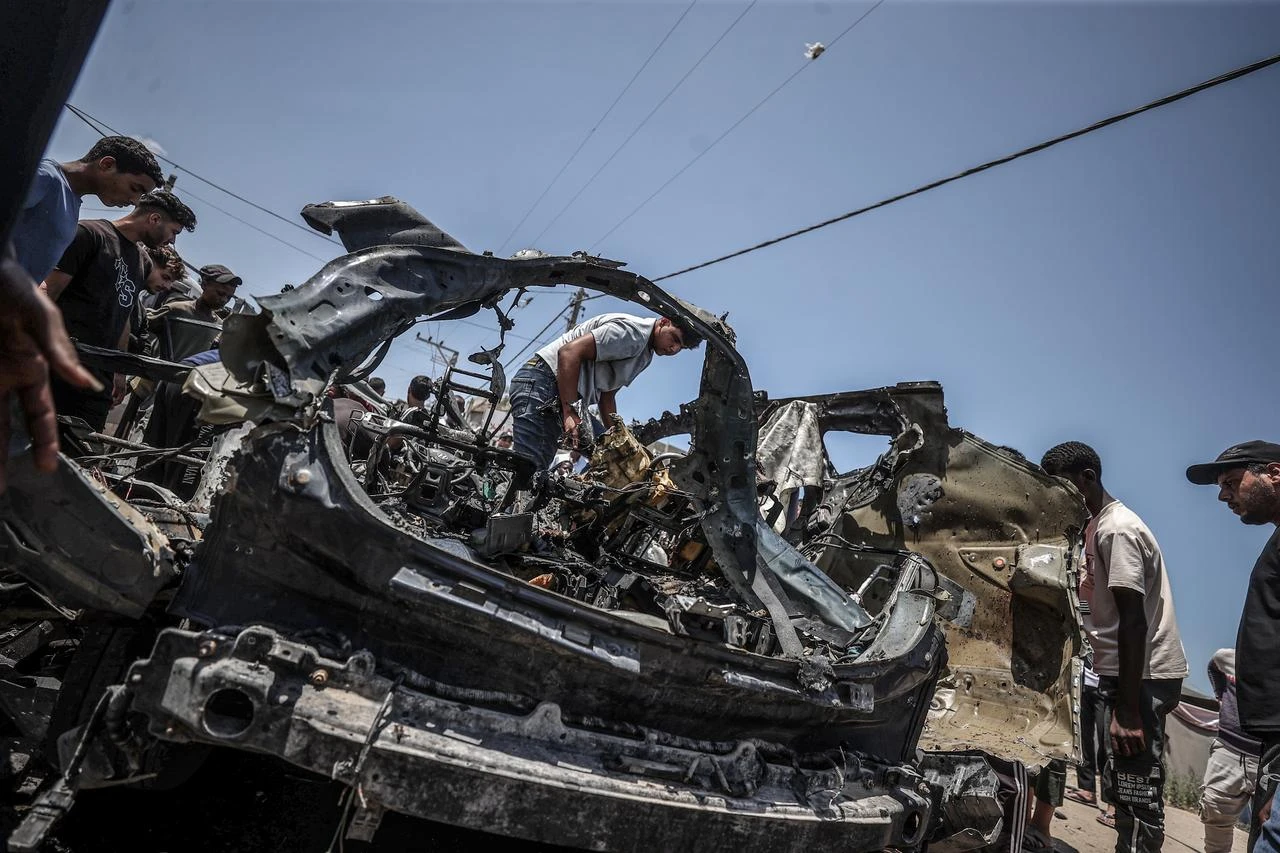
The flurry of high-level engagement reflects the degree to which Syria's transitional government, now roughly 18 months into power, has become a focal point for regional and international diplomacy.
Since Assad's ouster in December 2024, some 1.7 million refugees have returned to the country, according to U.N. figures, though around 5.5 million people remain internally displaced and six million more are still abroad.
The transition has not been without serious setbacks. Nearly 1,500 Alawites were killed in episodes of sectarian violence that tested Sharaa's repeated pledges to protect Syria's religious minorities, and the integration of Kurdish-led Syrian Democratic Forces into state institutions has moved slowly.
Guterres's visit, the U.N. said, signals a new phase in relations between the organization and Syria, elevating engagement from the level of crisis management and special envoys to direct contact at the highest levels.
Meeting Sharaa at the presidential palace in Damascus, he also held talks with the speaker of Syria's newly convened transitional parliament, which held its first session this month. His agenda also included Syrian civil society representatives, women's groups, and meetings with U.N. peacekeeping personnel deployed near the Israeli-occupied Golan Heights.


 Set as preferred source
 Set as preferred source


 1 min read