Newsletters


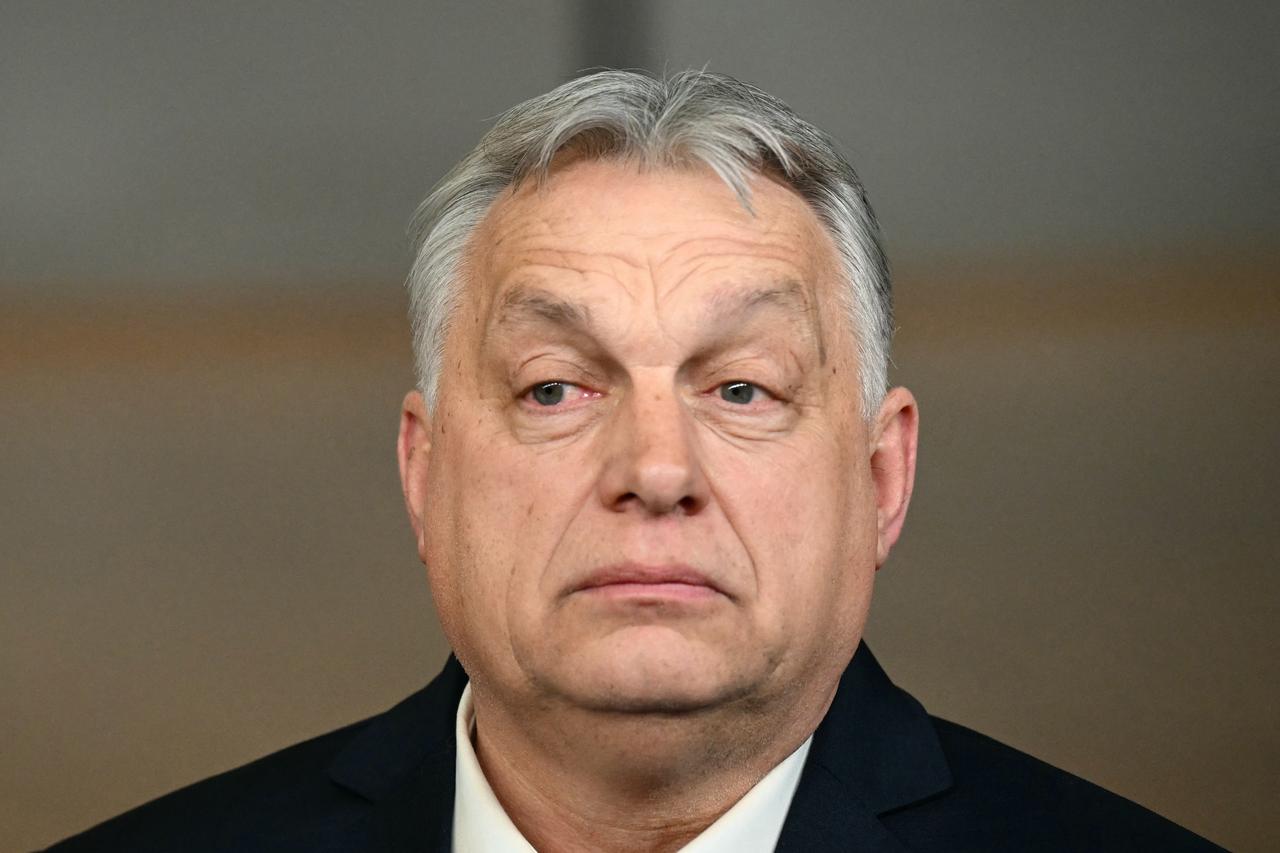


Today, it is widely recognized that the controversial—and at times openly pro-Russian—policies of Hungary's Prime Minister Viktor Orban have alienated many of the country's allies within both NATO and the European Union.
Moreover, the ongoing war in Ukraine and the escalating conflict in the Middle East are increasingly shaping domestic political attitudes within Hungary, contributing to growing discontent among segments of the population toward Orban’s national-conservative government.
While his foreign policy has long raised serious concerns among international partners, emerging internal political and societal challenges in Hungary are now becoming equally significant and deserve closer attention from its allies—particularly NATO members, including Türkiye, for whom a clear understanding of Orban’s policies is increasingly essential.
Orban publicly presents himself as a “defender of Hungarian families” against “Brussels’ sanctions and war.”
However, it is his own government that has developed a plan that could leave many Hungarian families without access to affordable healthcare.
As a result, Orban’s political rhetoric sharply diverges from reality: instead of protecting families, his government is creating conditions under which Hungarians are left without basic healthcare guarantees, while the public healthcare system is gradually deteriorating under the pressure of concealed privatization.


In 2020, Orban’s government spent more than 352 million forints (approximately $1.036 million) of taxpayers’ money to commission a healthcare reform strategy from the Boston Consulting Group.
Instead of initiating an open public discussion, the document was immediately classified for 10 years, until 2030. Such a level of secrecy reflects not responsible governance, but rather the Orban government’s fear of public reaction.
For Hungarian citizens, this means that decisions about their health and the future of their hospitals were made behind closed doors, without their participation.
The Boston Consulting Group plan envisages a radical reduction in outpatient care. The number of outpatient facilities was expected to decrease from 557 to 221 institutions—a 60% cut in primary healthcare infrastructure.
For hundreds of thousands of Hungarians, this would mean longer waiting times, more difficult access to doctors, a loss of timely medical care, and an increased risk of severe complications even in the case of common illnesses.
State Secretary for Healthcare Peter Takacs acted not as an author or strategist, but rather as a bureaucratic façade legitimizing a plan prepared by Boston Consulting Group.
This meant that Hungarian society was deprived of the opportunity to discuss and assess the government’s actual intentions, while the professional community was excluded from influencing the substance of the reforms.
In such a configuration, the State Secretary effectively became a “technical executor,” concealing decisions made behind closed doors. Such practices undermine trust in state institutions.
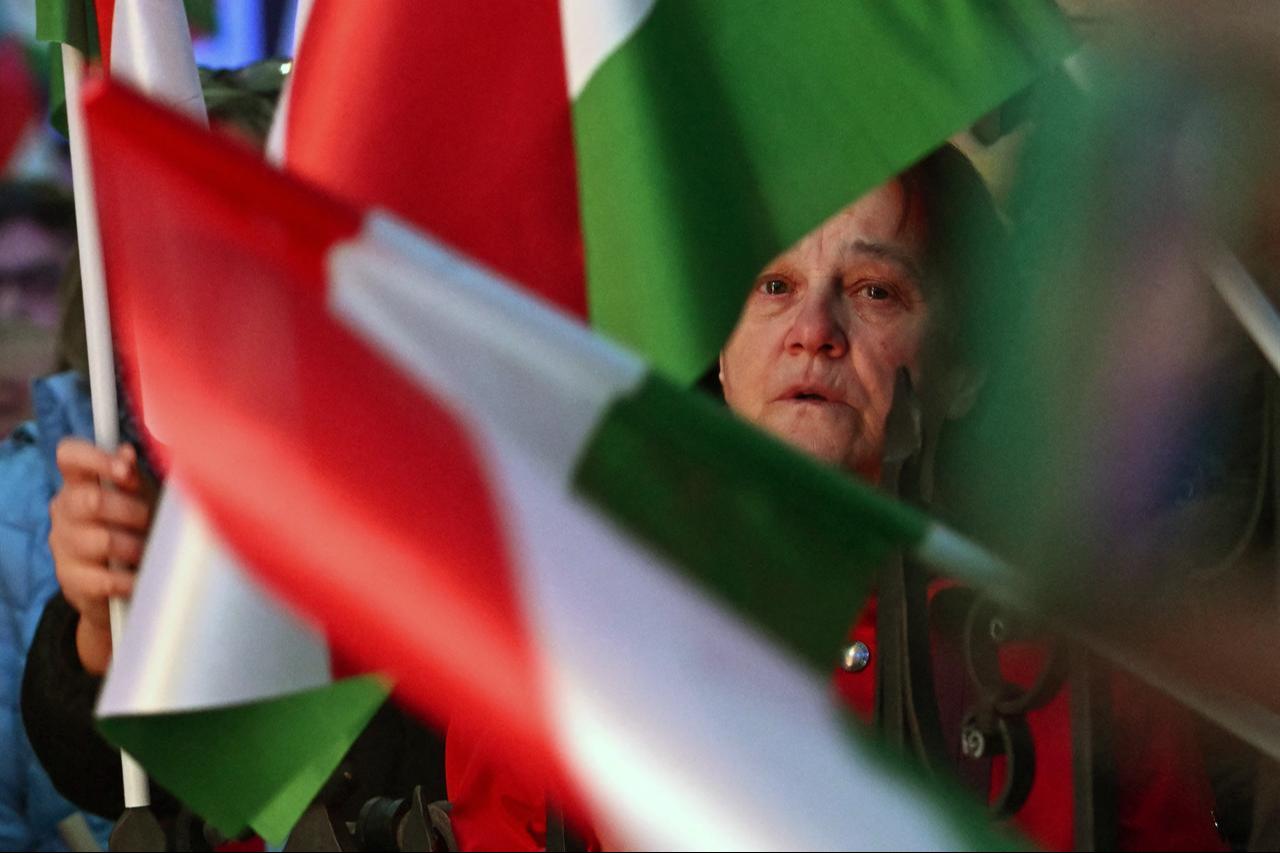
Following the leak of the documents, social media in Hungary erupted with outrage. Opposition politician and leader of the Tisza Party, Peter Magyar, called for stopping Orban on April 12 and protecting hospitals and patients.
This appeal became a symbol of broader protest against government policies: “We must stop Viktor Orban on April 12! We must protect our hospitals and clinics; we must protect Hungarian patients!”
Publicly, Orban and his Fidesz party had for years denied any plans for mass hospital closures.
However, the classified document reveals that these statements were a deliberate attempt to mislead citizens. While the government claimed to be protecting public healthcare, plans for its large-scale reduction were being prepared behind closed doors.
This undermines trust in the government and its promises. Healthcare funding in Hungary remains among the lowest within the Organisation for Economic Co-operation and Development (OECD).
Against the backdrop of the deterioration of public healthcare, the private medical sector is rapidly expanding. Many key players in this sector are linked to business circles close to Orbán’s inner circle.
The weaker the public healthcare system becomes, the more patients are forced to turn to expensive private clinics. Thus, the decline of public healthcare directly benefits those close to the government.
It is particularly concerning that the healthcare reform plan was prepared by an international consulting company without broad public discussion.
Decisions about the future of hospitals and access to treatment were effectively delegated to external consultants rather than elected representatives of the people.
This creates the impression that Hungarian healthcare has become the subject of a technocratic experiment detached from the actual needs of society.
It is yet another indication that the Orban government makes strategic decisions without transparency and democratic oversight doors. This undermines trust in the government and its promises.


 Set as preferred source
 Set as preferred source



 7 min read