Newsletters


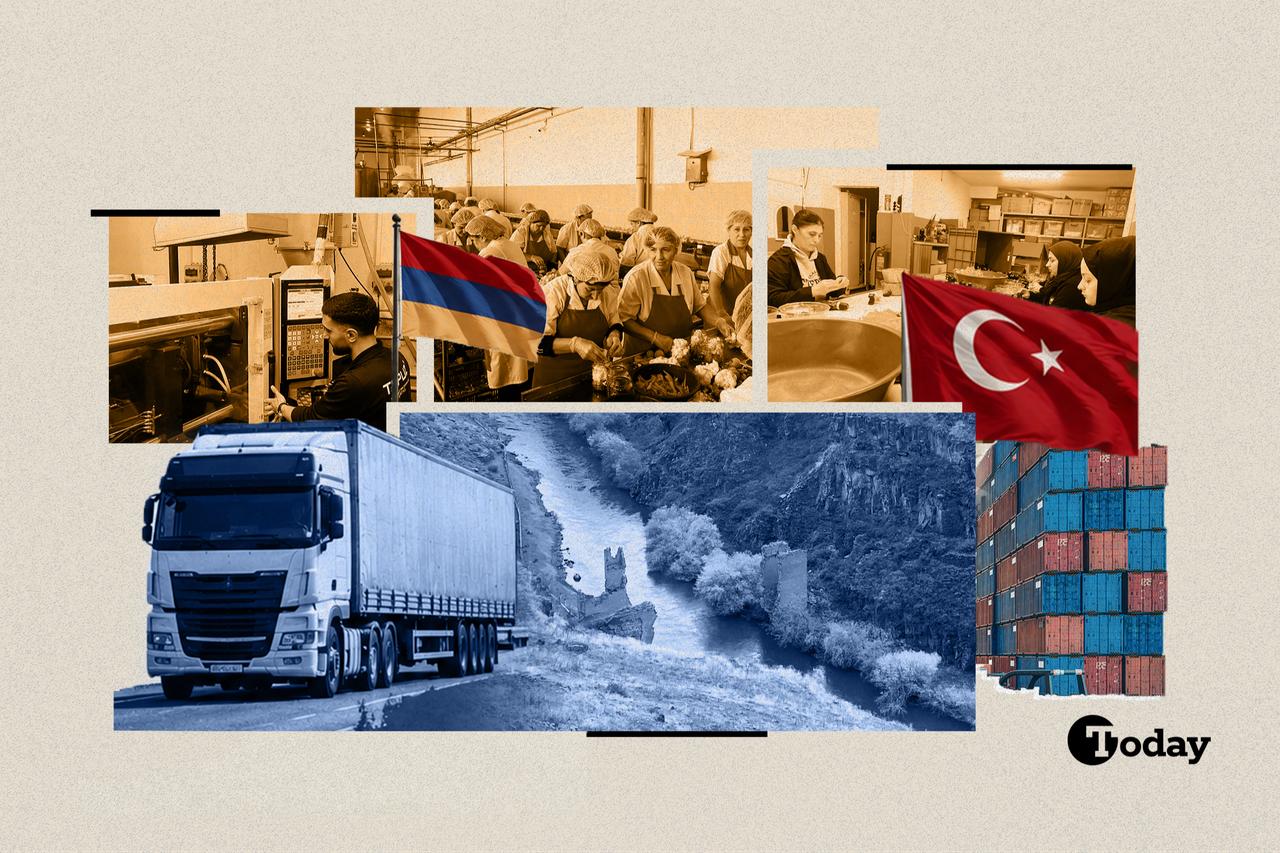


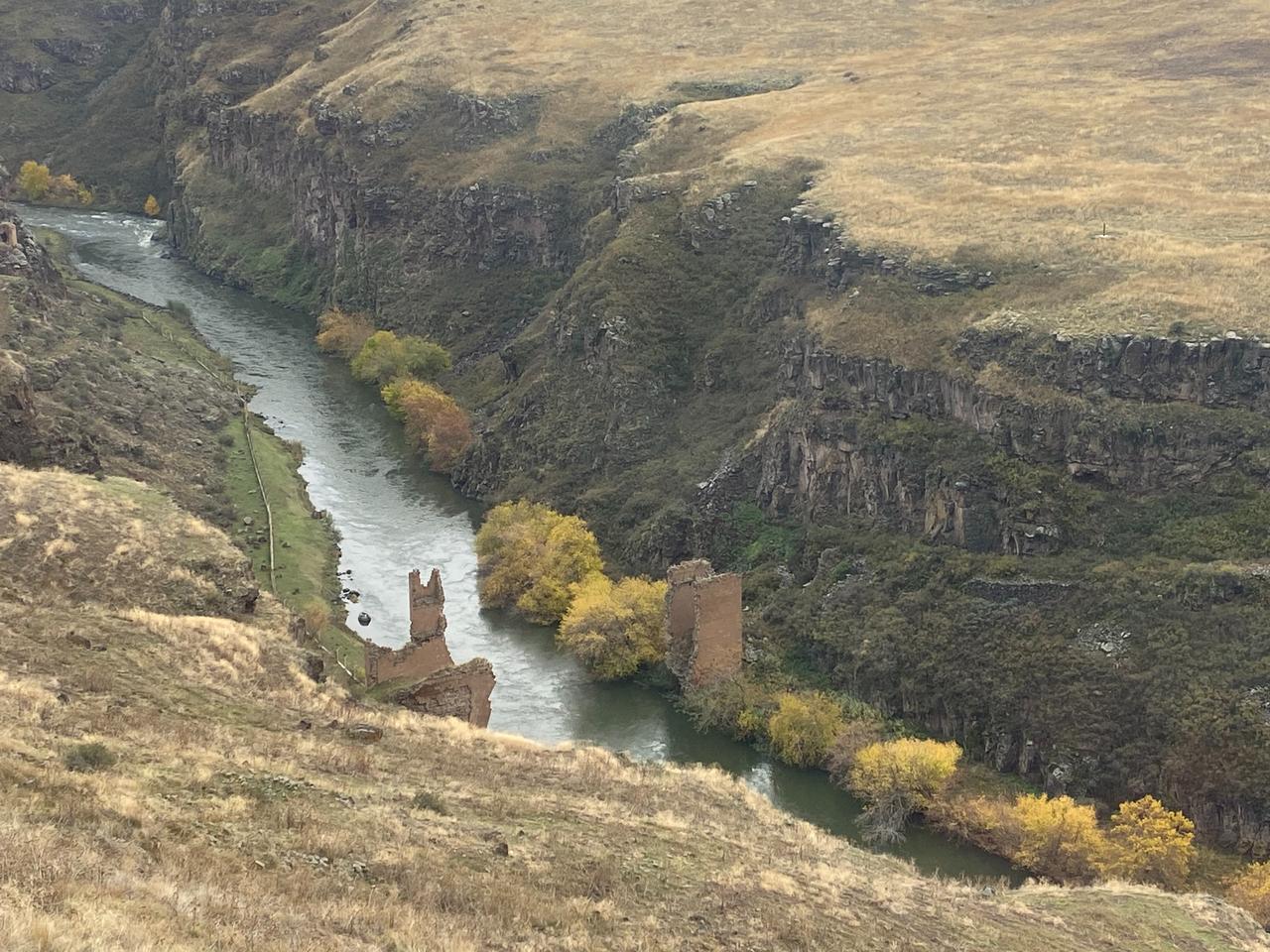
The Armenian town of Margara lies about 30 kilometers (18.64 miles) from the Turkish frontier. Yet when a food producer there wants to ship to Europe, his trucks go the long way: to a Georgian port, then to Istanbul, then onward. The direct road has been closed since 1993.
Türkiye closed its border with Armenia on April 3, that year, during the First Nagorno-Karabakh War, in solidarity with its ally Azerbaijan. Thirty-three years later, the two countries still have no diplomatic relations, and the Margara (Armenia)–Alican (Türkiye) crossing remains closed to regular civilian and commercial traffic.
The crossing has opened only briefly, each time for humanitarian aid: after the February 2023 earthquakes in Türkiye, in March 2025 for aid bound for Syria, and again on June 12, 2026, for aid to Lebanon.

Armenian and Turkish goods cannot cross the frontier directly, so they travel through third countries, most often Georgia. This adds distance, time, and cost.
Until recently, it also created a paperwork problem. Turkish exporters could not name Armenia as the destination on their customs declarations, so goods were declared as going to a third country and re-exported from there.
In May 2026, Türkiye’s Foreign Ministry announced that bureaucratic preparations for direct trade were complete as of May 11, allowing goods moving via a third country to be listed with Armenia or Türkiye as final destination or origin.
Technical work on opening the border itself is still ongoing.
Armenia’s official country code, “077,” had been added to Türkiye’s BILGE customs system, so declarations for trade with Armenia can be filed directly.
Turkish companies that already sell to Armenia describe a market that works despite the border, not because of it.
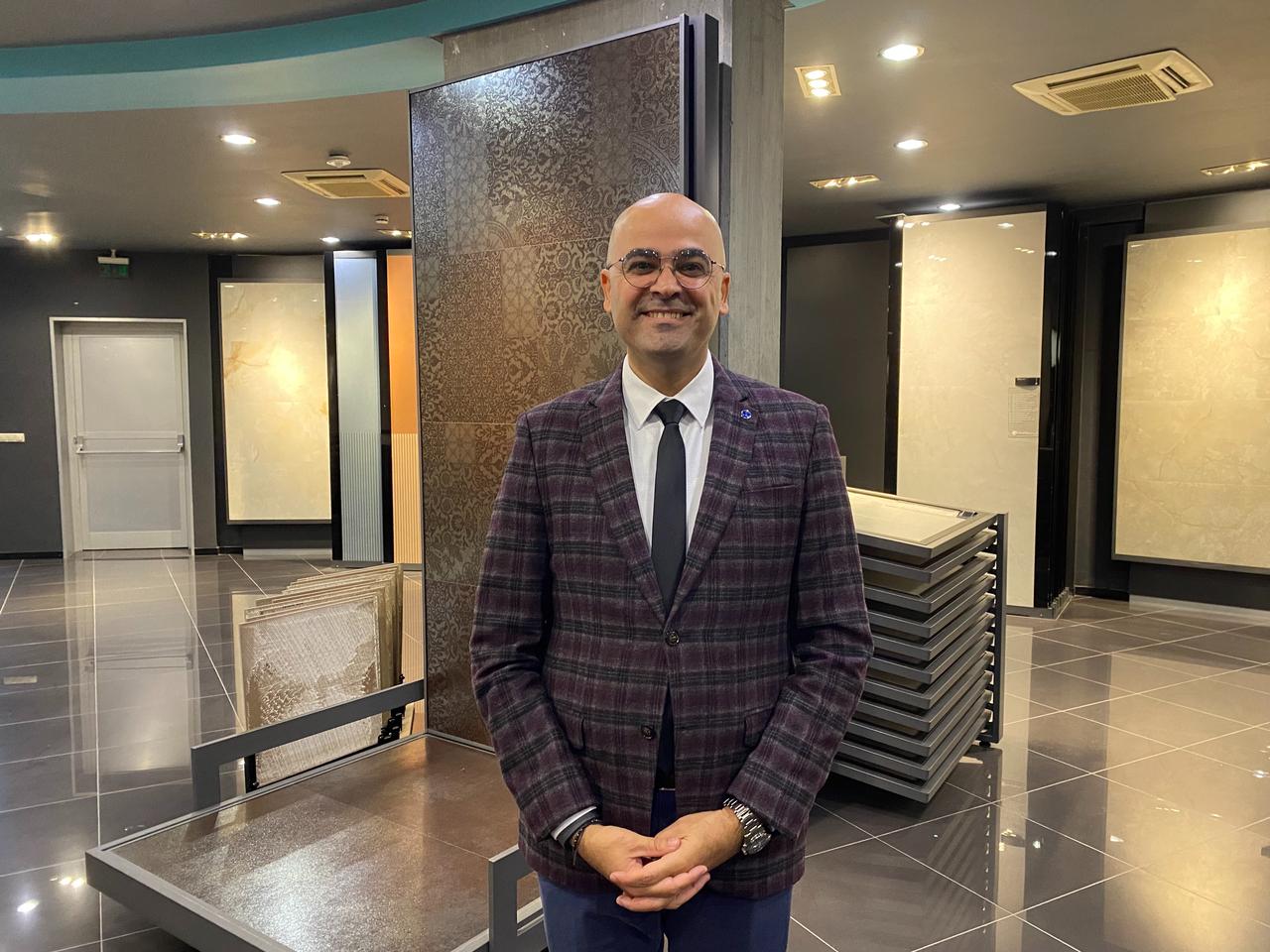
Seramiksan, a Turkish ceramics manufacturer, believes it is the first company shipping directly to Armenia. Export manager M. Hakan Mestandogan said the goods go by vessel from Izmir to Georgia’s Poti port, then by truck to Barsis LLC, the company’s official importer and distributor in Armenia.
The customs declaration is made directly to the Armenian buyer. Mestandogan said the buyer pays for shipping, and payments through Turkish banks pose no problem. “I believe we are the first company to ship directly to Armenia,” he said, adding that others have stayed away because the route is new and risky, and people wait for someone else to test it.
Other exporters rely more heavily on Georgia.
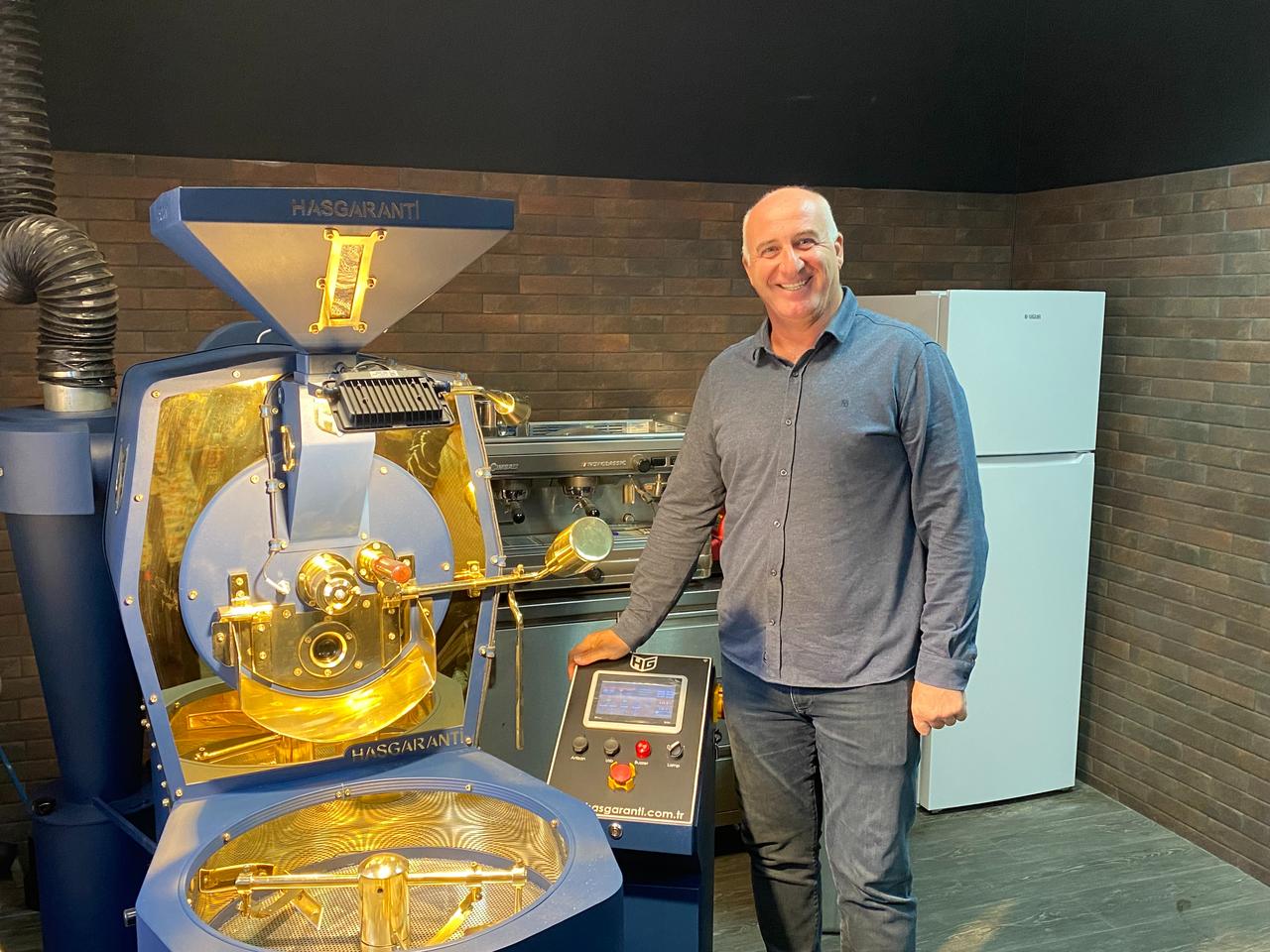
HasGaranti, an Izmir-based coffee machinery maker that sells mostly to Korea, Australia and Europe, has sold to Armenia for about 15 years, and a coffee machine is currently being built for an Armenian customer according to the company's CEO and co-owner Mujdat Aydin, who said that the machines are too heavy for air freight, so they go overland through Georgia. “The shipment will cost more than the machine itself if delivered by air cargo,” he said.
Payments also route through Georgia, and "a payment from Armenia can take up to a week, compared with two days from Africa," he added.
Most Armenian buyers keep an office or company in Georgia to make this work. Aydin also said the new customs code for Armenia isn’t being used by his firm.
Topuz Sogutma Isitma, an Istanbul company run by Armenian-Turkish businessman Aret Topuz, makes plastic spare parts for home appliances and washing machines, and has long supplied major brands such as Arcelik.
Last month it sent its first order to Armenia through the cargo company Cinar. Topuz does not know whether it went through Georgia or directly.
The detour also leaves little data. Seramiksan has no direct contact with its Armenian partners, so it cannot track what it sells there and hence cannot make projections and stable, reliable statistics and figures.
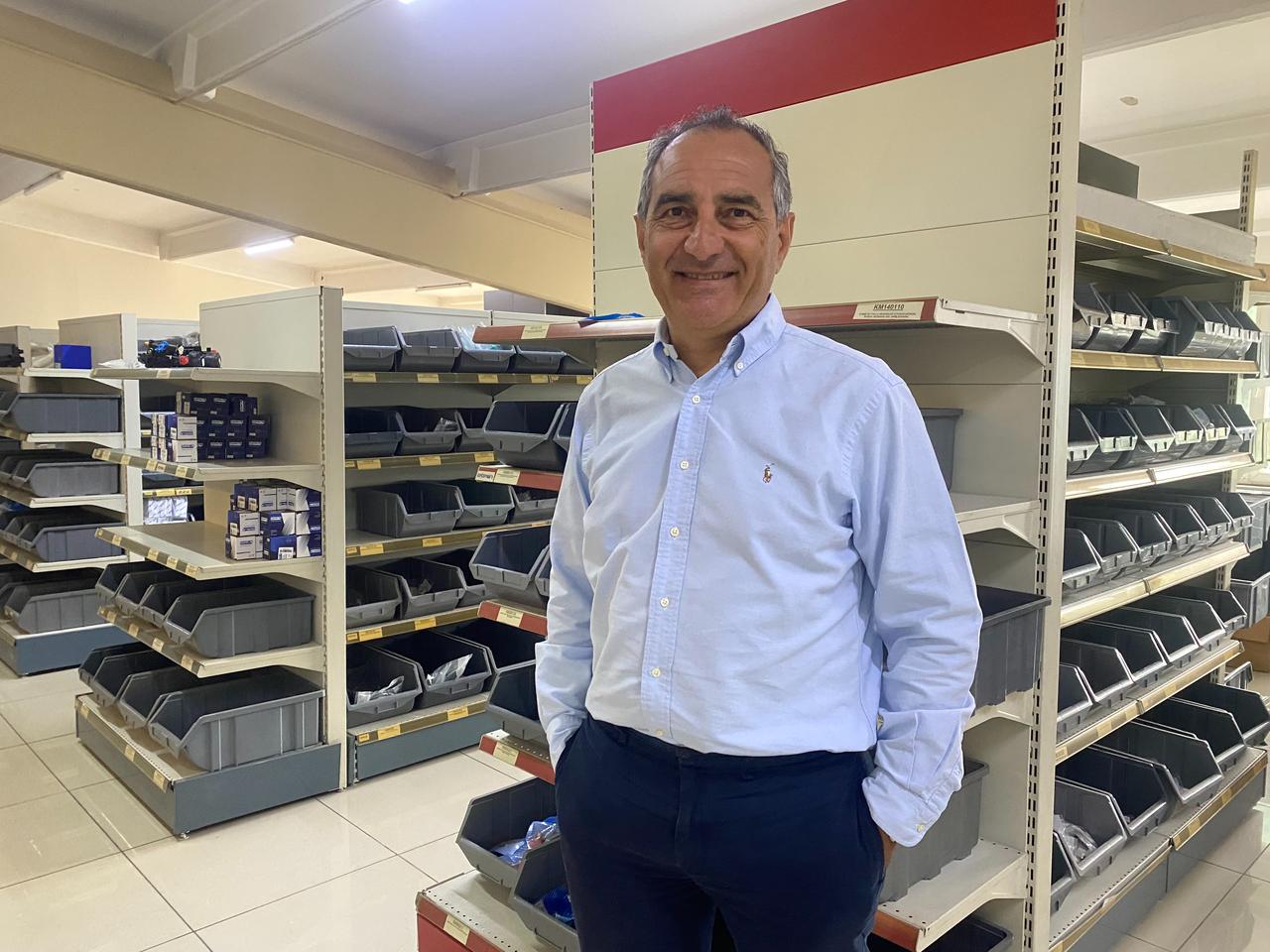
Armenian manufacturers are import-oriented for now, and are eager to reach the Turkish market.
Lentex, an Armenian textile-yarn company, has imported raw materials like dye from Türkiye since 2002, in addition to other tools like the sewing machines used and spare parts, but through an intermediary company named "Iplik."
Founder and CEO Karen Gomtsyan said the company does not export to Türkiye yet and was unaware of the recent customs changes. However, he said that they used to export to Russia, but since the war started, it has complicated things for them.
He is not afraid of Turkish competition and sees the Turkish market as an interesting opportunity. He said an open border would cut both transit time and logistics costs drastically.
Art Food, an Armenian producer of semi-processed and frozen food, imports Turkish machinery and plastic and metal can and bottle closures. It has no exports to Türkiye yet but hopes to start once the border opens.
General director Vachagan Karapetyan said the company now ships to Europe via Poti and Istanbul. He estimated that a route through the nearby crossing, about 30 kilometers away, would cut costs by 30%–40% and give access to the Mediterranean port of Mersin, hence quicker and cheaper access to Mediterranean countries.
He also pointed to Armenia’s Eurasian Economic Union membership as a way for Turkish firms to reach the Russian market. “I see a lot of potential for both countries in this,” he said.
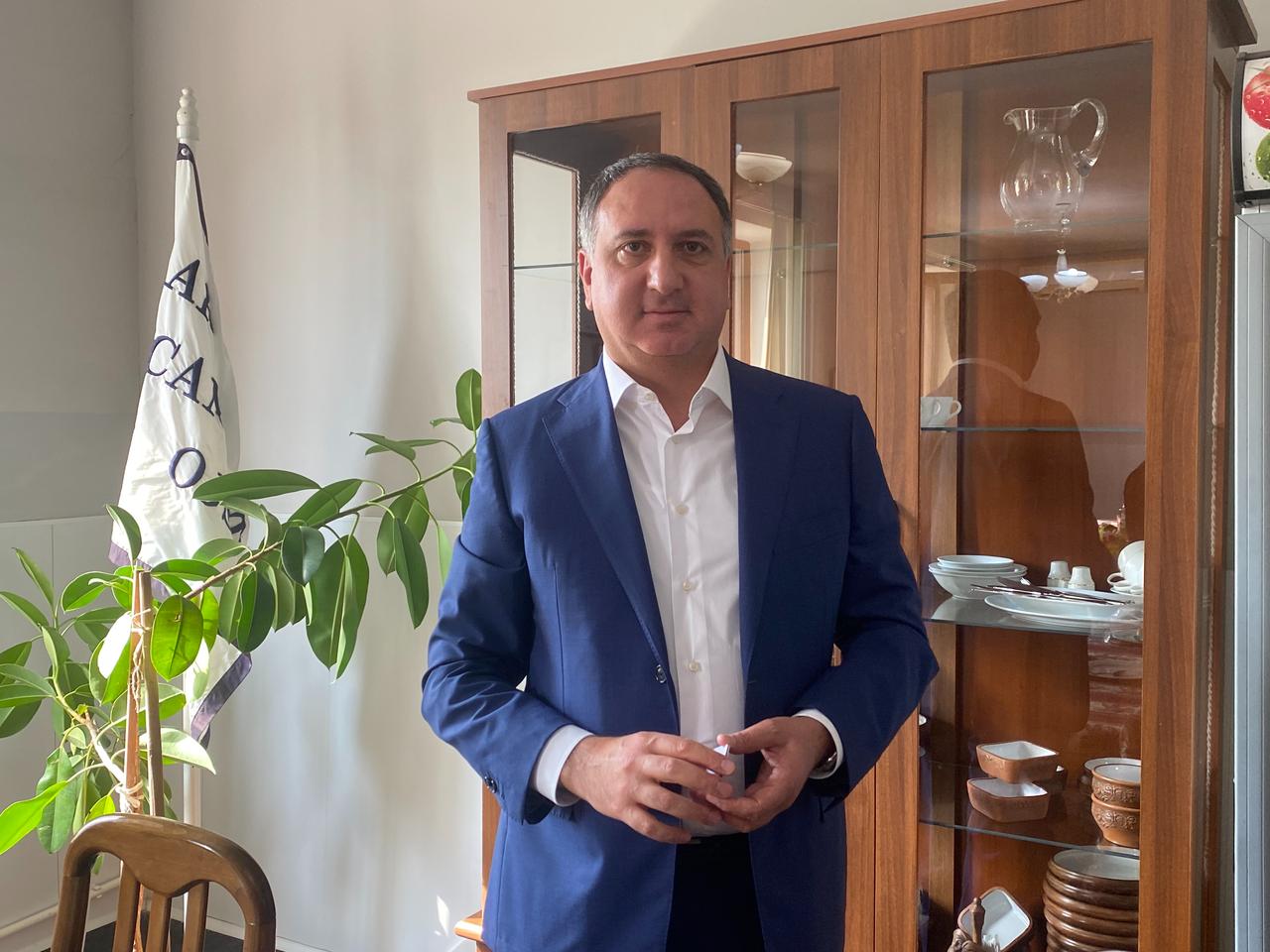
On the Turkish side, enthusiasm is strong, but the expectations are vague. Istanbul’s Dudullu Organized Industrial Zone, a planned district with 107 factories and about 2,350 small businesses, has no direct trade with Armenia. Board chairman B. Murat Onay said the zone doesn’t yet know where cooperation could happen because there is no direct communication.
He expects an open border would help the two sides learn about each other. “We have no problem with the people; we would like the borders to be opened,” Onay said.
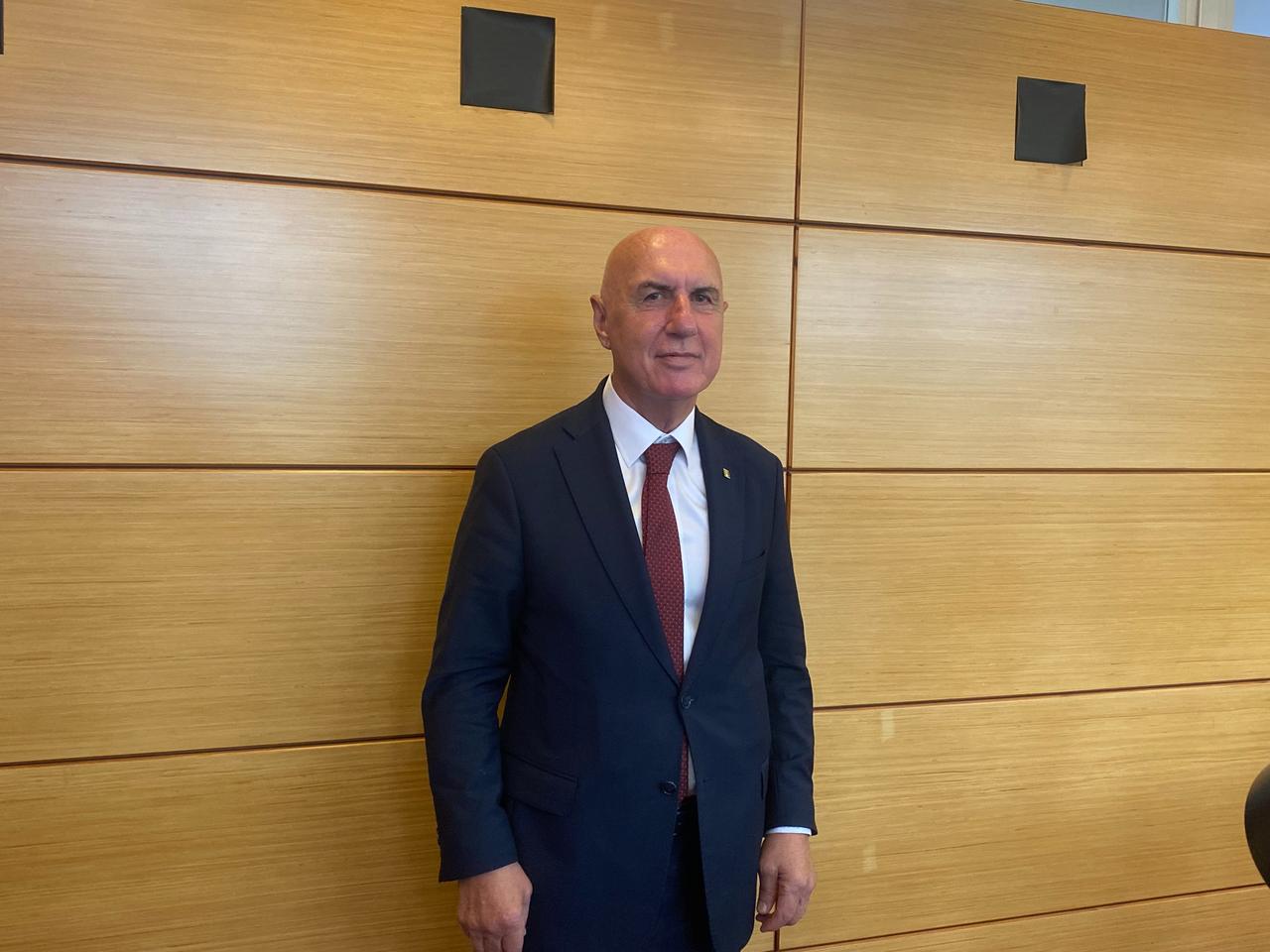
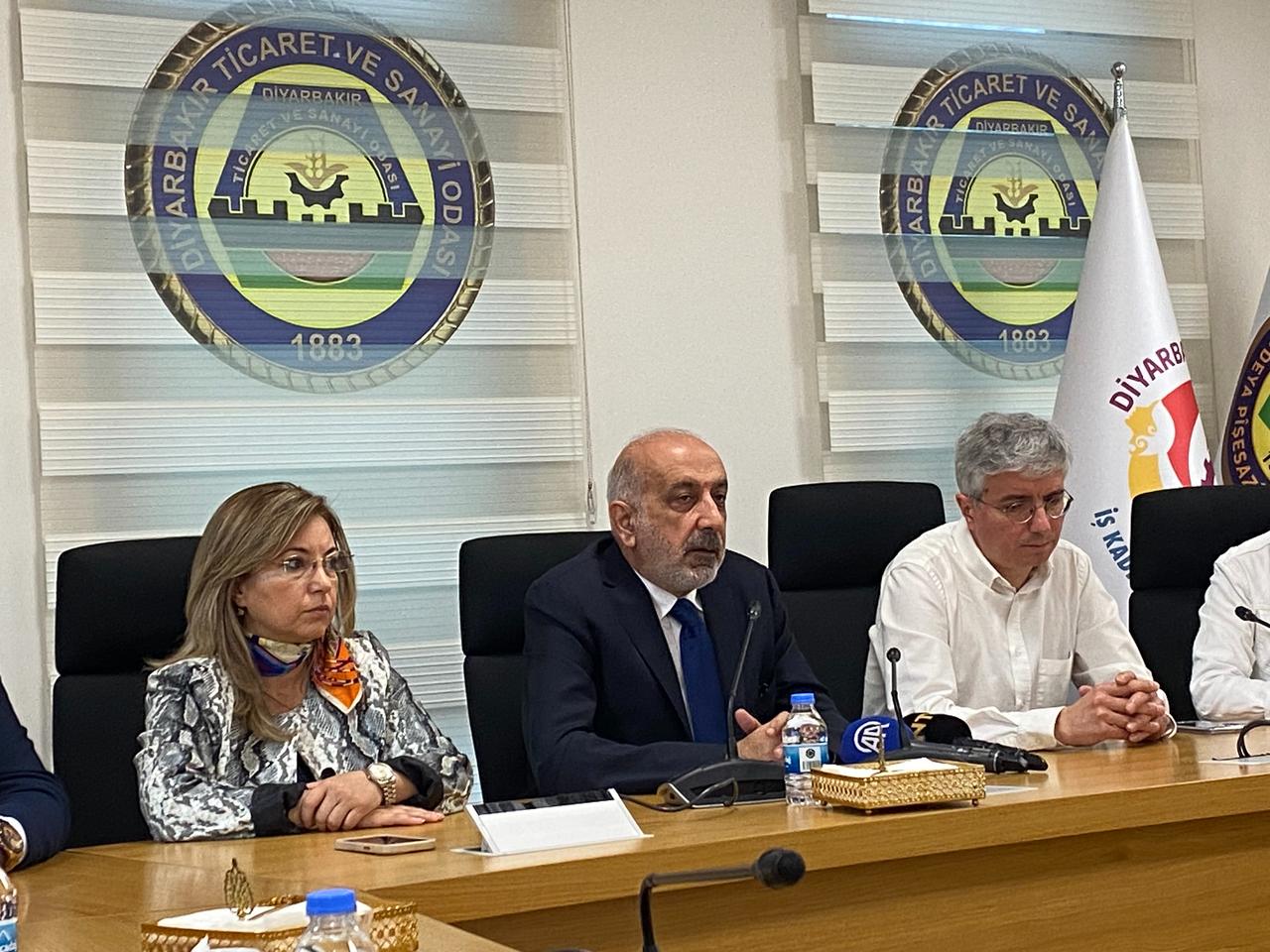
The Diyarbakir Chamber of Commerce and Industry represents businesses in the largest city of Türkiye’s southeast, and its president, Mehmet Kaya, is very ambitious.
He said tourism would benefit most from an opening. He argued Armenia could also trade with Syria and Iraq through Diyarbakir, while Türkiye could meet Armenian demand in many sectors and use Armenia as a gateway to the Eurasia zone.
Border cities such as Kars and Van "would gain a great deal," he said. Kaya estimated that trade could bring at least $10 billion if the borders opened, though he did not give a time frame.
He also called for free-trade agreements first with neighbors, as Türkiye has with Egypt and Morocco. “Trade doesn’t know language, religion or ethnicity,” he said.
Others are more cautious. Aret Topuz said he would “obviously love it” if the border opened, partly because of his emotional ties to Armenia, adding that cargo and delivery costs would probably fall.
But he is not sure he would open a factory in Armenia, expecting logistics and financing to be hard with two of its land borders closed. He also knows people who tried to open businesses there and failed.
Trade between Türkiye and Armenia exists, but it is indirect and hard to measure. It still depends on Georgian ports, third-country offices, and slow payments.
Türkiye has removed some of the paperwork barriers, but businesses on both sides say the real savings in time and cost will come only when the land border opens, and the border remains closed.


 Set as preferred source
 Set as preferred source


 1 min read
 1 min read