Newsletters


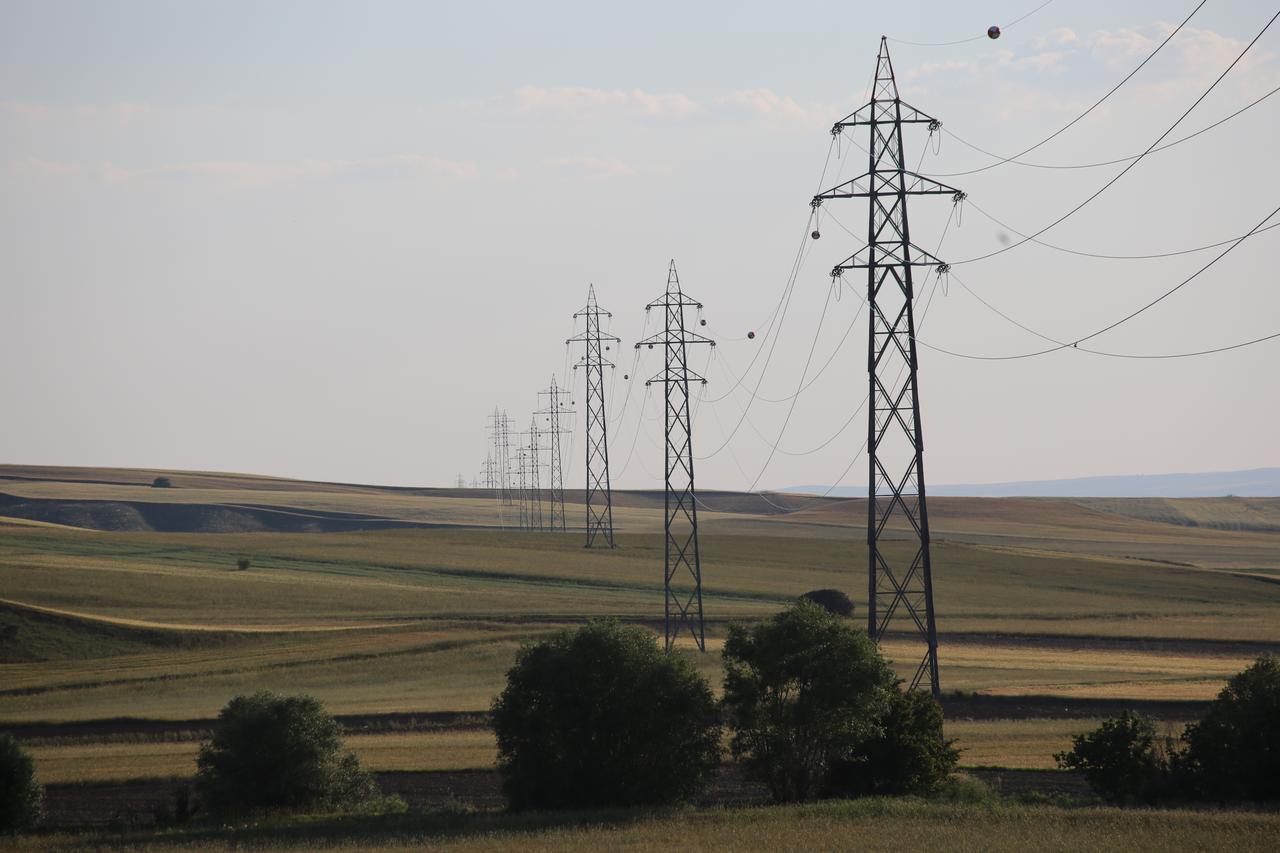


Armenia and Türkiye are working to restore a cross-border electricity transmission line linking Gyumri and Kars, as a Turkish delegation holds talks with Armenian officials on the project, Armenia’s Minister of Territorial Administration and Infrastructure Davit Khudatyan said on Monday.
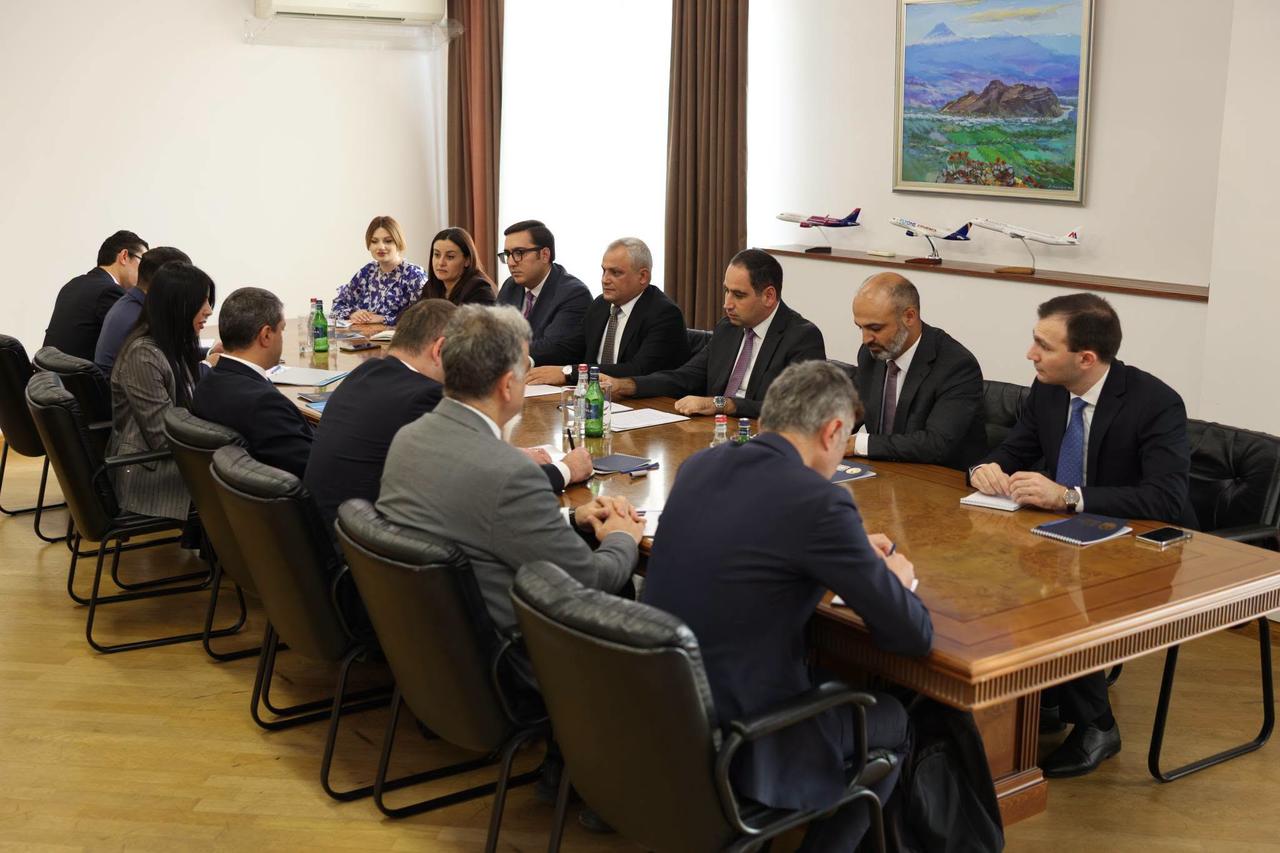
Khudatyan discussed the work with a Turkish delegation led by Mustafa Pustu, chairman of the board and general manager of Türkiye’s Electricity Transmission Corporation (TEIAS). The delegation also met with officials from Armenia’s Electricity System Operator and High-Voltage Electric Networks.
Khudatyan described the project as part of the Armenia-Türkiye normalization process and stressed the importance of connecting the two countries’ electricity systems for bilateral and regional cooperation.
The Gyumri-Kars connection is an existing cross-border transmission line that has not been operating for electricity trade.
Türkiye’s electricity transmission data lists its net transfer capacity at zero for both imports and exports in 2026.
The line has previously been considered for commercial electricity exchanges between the two countries. Earlier efforts to put the connection into use included plans for Armenia to export electricity to Türkiye through Kars, but those plans did not result in sustained cross-border flows.
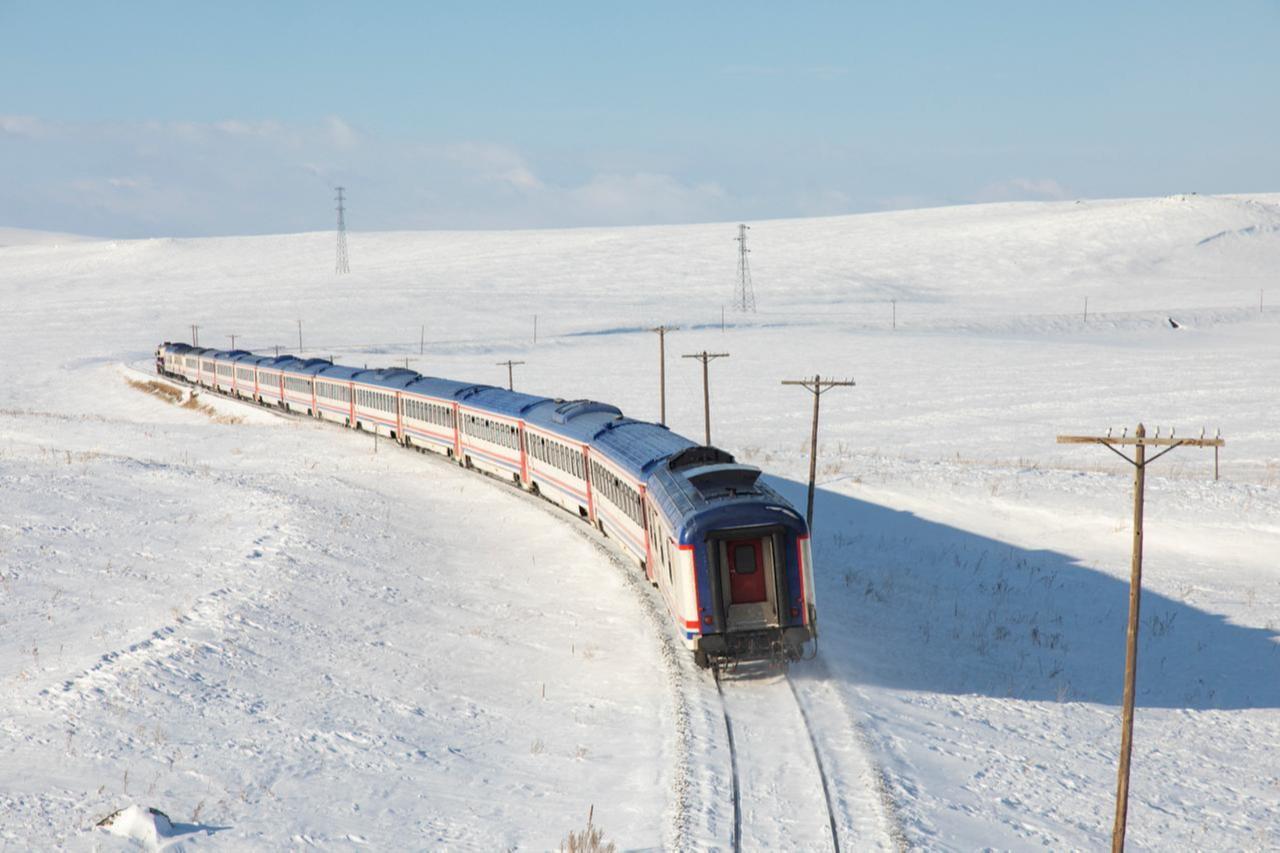
The latest talks focus on rehabilitating the existing infrastructure and bringing the line back into operation rather than building an entirely new connection. The project is moving alongside efforts to revive the long-dormant railway link between Gyumri and Kars.
Officials from the two countries have discussed rehabilitating the railway and bringing it back into operation as part of the normalization process. The railway and electricity links were both identified as areas where technical work could move ahead even as the two countries continue broader political negotiations.
The two sides are also working to reopen transport and trade links that have been restricted for decades. Türkiye closed its land border with Armenia in 1993 following Armenia’s capture of Azerbaijan’s Kalbajar region, and the border remains closed.

The efforts are part of a broader effort to improve infrastructure links across the South Caucasus. Armenian Prime Minister Nikol Pashinyan has said Armenia and Azerbaijan will connect their energy systems under the Trump Route for International Peace and Prosperity (TRIPP) project.
TRIPP is designed to link Azerbaijan proper with its Nakhchivan exclave through a 42-kilometer road across Armenia and then onward to Türkiye. Pashinyan has described the project and related transport links as part of a wider network connecting the South Caucasus with Türkiye, Central Asia and Europe.
In September, energy regulators from Armenia, Azerbaijan and Georgia discussed in Tbilisi the potential integration of their power grids and possible steps to connect the regional network to Türkiye’s electricity system.
Speaking in Baku on Sept. 11, Energy and Natural Resources Minister Alparslan Bayraktar described a planned electricity corridor linking Azerbaijan, Georgia, Türkiye and Bulgaria as the "TANAP of electricity."
He said the project would initially use existing interconnections before transmission capacity is expanded, allowing electricity generated in Azerbaijan to flow through Georgia and Türkiye toward Europe.
In February, Khudatyan said the country aimed to synchronize its electricity system with Georgia, Iran, Türkiye and Azerbaijan, which he argued could support electricity imports and exports while making the grid more stable.
In March, the European Commission and Germany announced €135 million ($152.1 million) in new financing for Armenia’s Caucasus Transmission Network project, aimed at expanding cross-border electricity links with Georgia and the wider European grid. The funding brought total support to €313.2 million, with additional financing from the European Investment Bank.


 Set as preferred source
 Set as preferred source


 2 min read
 1 min read