Newsletters


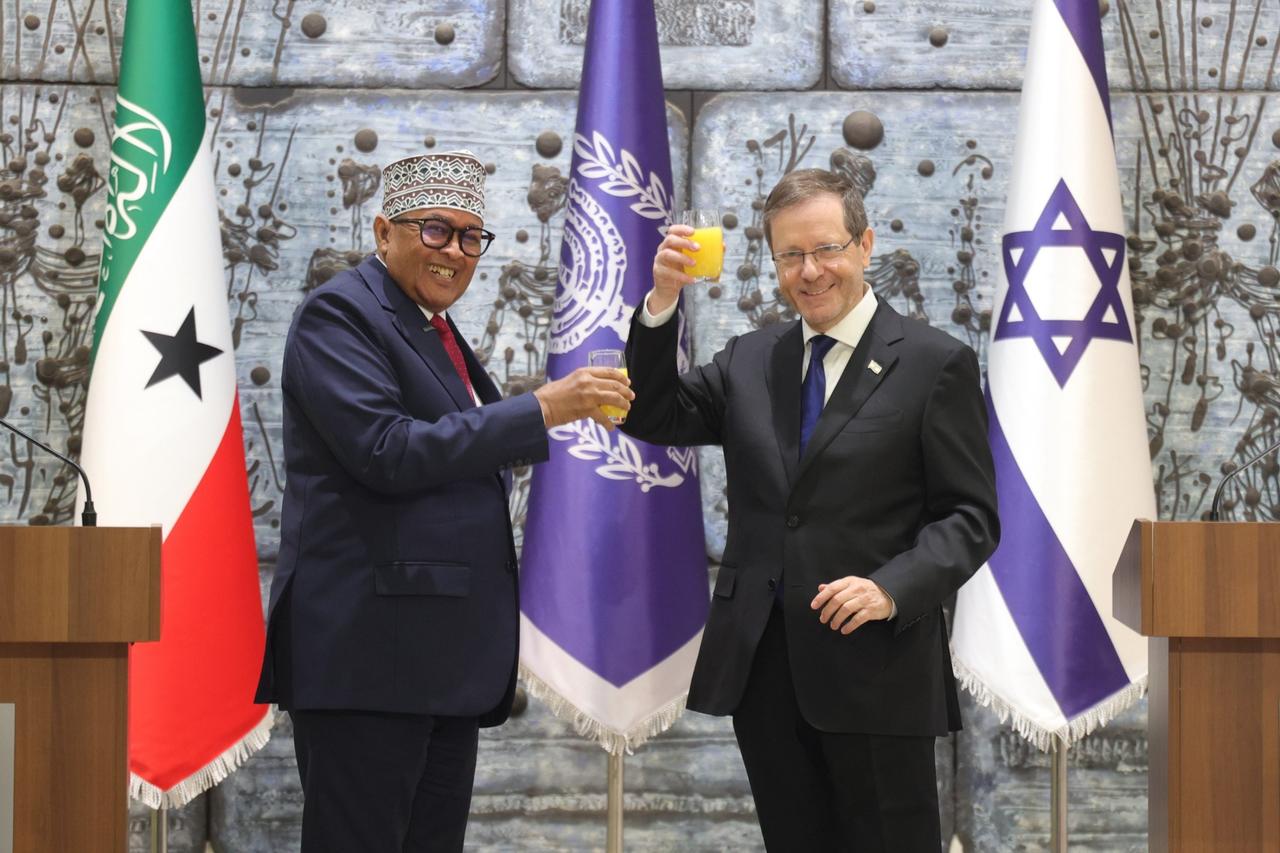


The leader of Somaliland, Abdirahman Mohamed Abdullahi, arrived in Israel on Sunday for a landmark two-day visit, during which he is set to meet Israeli Prime Minister Benjamin Netanyahu and Foreign Minister Gideon Saar and inaugurate his territory's embassy in Jerusalem, a milestone for the self-declared republic that has spent more than three decades without a single formal diplomatic partner.
Israeli President Isaac Herzog welcomed Abdullahi on X, posting photos of their meeting alongside the message: "Welcome to Israel, President of Somaliland." Herzog said the visit "embodies the enormous potential of the new partnership between our two countries."
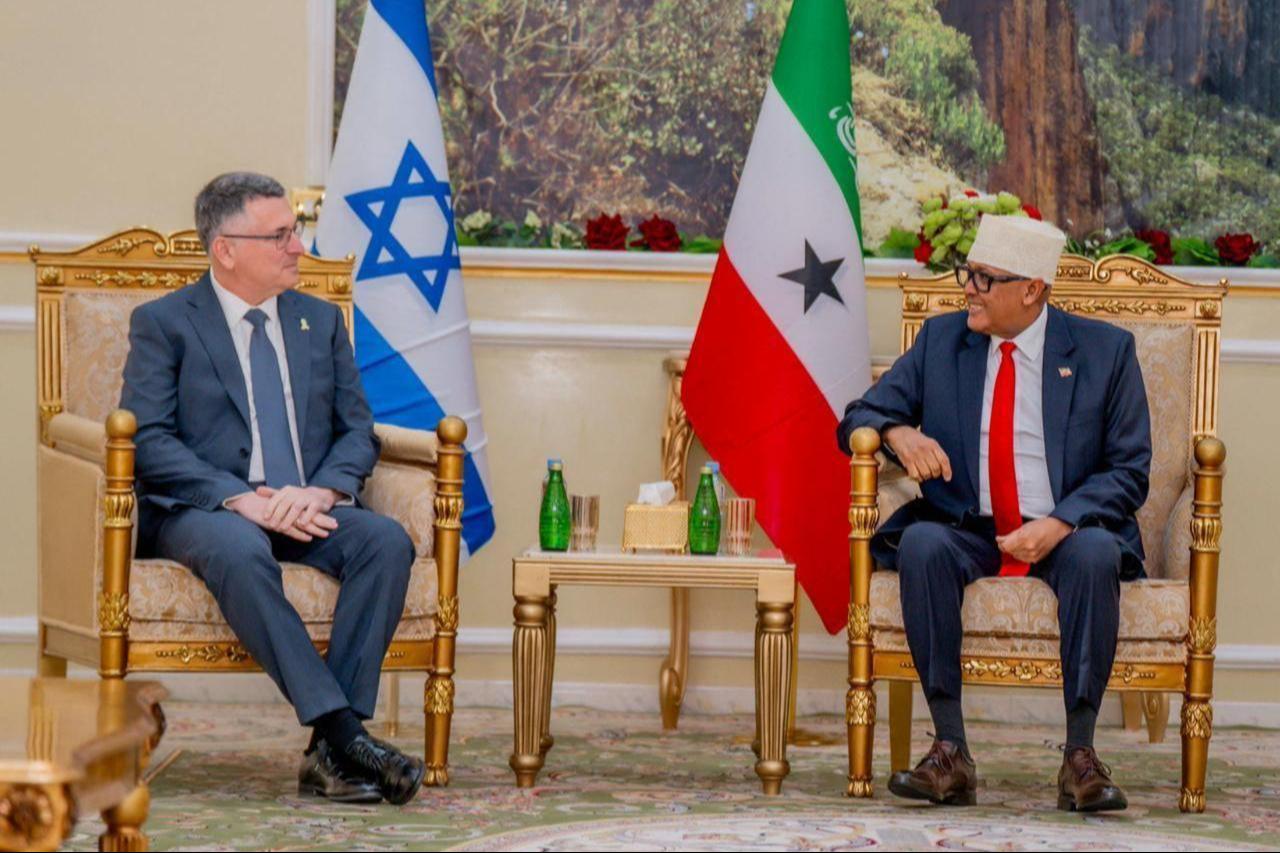

The embassy opening, scheduled for Monday, would cement the relationship that took formal shape in late December 2025, when Prime Minister Benjamin Netanyahu announced Israel's recognition of Somaliland as a sovereign state, making Israel the first and only United Nations member to do so. The decision triggered a wave of international condemnation.
Somaliland declared independence from Somalia in 1991 following the collapse of the Siad Barre regime and has since functioned as a de facto state with its own government, security forces, and elected institutions. Despite holding multiple democratic elections and maintaining relative internal stability across three decades, it has remained entirely without formal international recognition.
Mogadishu refuses to accept Somaliland's claim to statehood, insisting the region remains an integral part of Somali territory and that any direct foreign engagement with Hargeisa constitutes a violation of Somalia's sovereignty and unity.
The Palestinian group Hamas issued a written statement sharply condemning Abdullahi's visit, calling the planned Jerusalem embassy "a political mistake" and a violation of international norms and laws concerning the city's status.
The group urged the Arab League and the Organisation of Islamic Cooperation to act against what it described as steps to fracture unified Arab solidarity on the Palestinian question.
Israel's recognition has been framed in Jerusalem as consistent with the spirit of the Abraham Accords and as part of a broader effort to expand its diplomatic and strategic footprint along the Red Sea and the Gulf of Aden, a critical maritime corridor linking the Mediterranean, the Middle East, and the Indian Ocean.
Analysts note that Somaliland's coastline overlooks the Bab al-Mandab Strait, one of the world's most consequential maritime chokepoints, lending the territory growing strategic relevance for external powers.


 Set as preferred source
 Set as preferred source


 1 min read

 1 min read