Newsletters





Spain has recorded nearly 4,500 heat-related deaths between June 1 and Aug. 19, marking the highest figure for this period since 2022, according to data from the public Carlos III Health Institute.
By comparison, 3,073 heat-related deaths were recorded during the same period last year and 1,890 in 2024.
The number of heat-related deaths in Spain between June 1 and Aug. 19 hit 4,458, the highest level since 2022, when there were 4,520 heat-related deaths during this time.

The figures were estimated using data from Spain's Mortality Monitoring System (MoMo), which tracks daily mortality nationwide and compares it to historical trends.
It also incorporates external factors, such as weather data from the national meteorological agency AEMET (State Meteorological Agency), to assess likely causes of mortality spikes.
Although MoMo cannot confirm a direct cause between deaths and high temperatures, it provides the most reliable estimate of fatalities in which heat was likely a decisive factor.
Most heat-related excess deaths are due to heart attacks and strokes caused by the strain of trying to keep body temperatures stable. Like its European neighbors, Spain has suffered several spells of extreme summer heat this year, contributing to ideal conditions for a string of wildfires.
July was mainland Spain's joint-hottest month since records began in 1961, according to AEMET.
It was also mainland Spain's driest July on record.
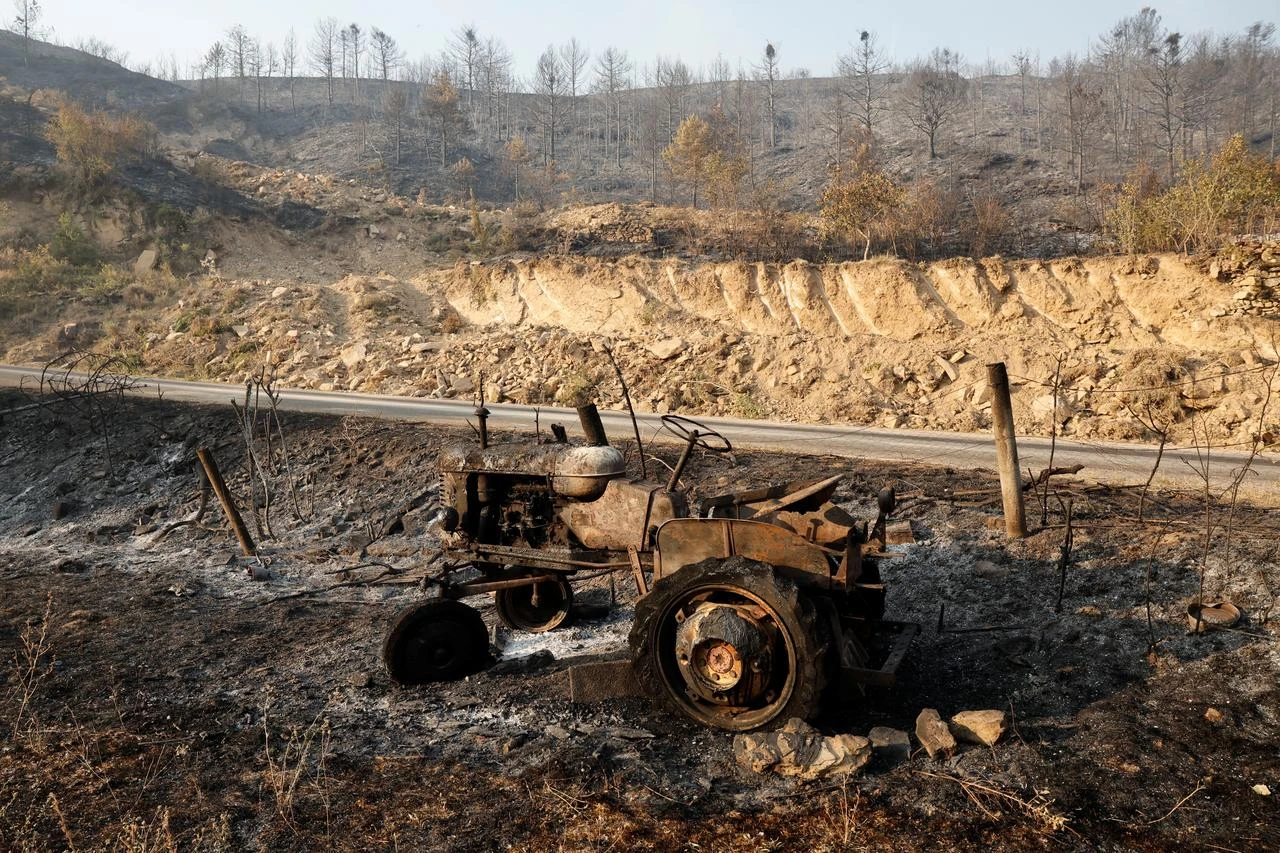
The country experienced some of its worst wildfires in living memory in July, which forced the evacuation of tens of thousands of people. Spain has recorded around 284,000 hectares burned so far in 2026, according to data cited by wildfire tracking services, marking one of the country's worst wildfire seasons in decades.
A wildfire near Los Gallardos in Almeria killed at least 14 people in July, making it Spain's deadliest wildfire in about 20 years, while a separate blaze that merged fronts in the Avila and Madrid regions became the largest in the country's recorded history.


 Set as preferred source
 Set as preferred source


 1 min read



 1 min read