Newsletters


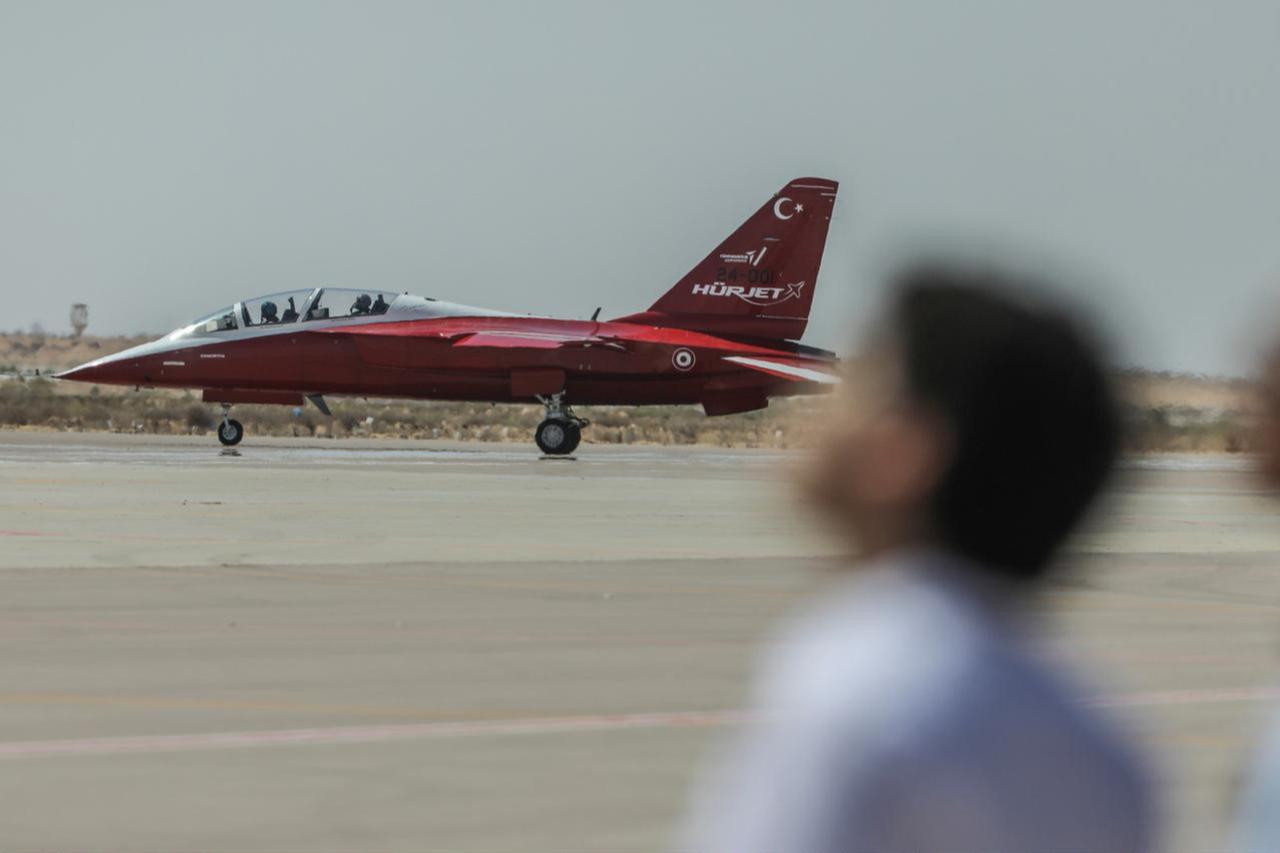


Türkiye has secured its largest-ever single aircraft export deal after Spain selected the domestically produced Hurjet advanced jet trainer, marking the first time the country has sold a complete aircraft system to a European Union and NATO member state.
The Spanish Air and Space Force will acquire 30 Hurjet aircraft under a comprehensive €2.6 billion program, with deliveries scheduled to begin in 2028, Turkey's Defense Industry President Haluk Gorgun announced Monday.
The agreement represents a milestone for Türkiye's defense sector, which has positioned itself as an increasingly competitive exporter of military technology over the past decade.
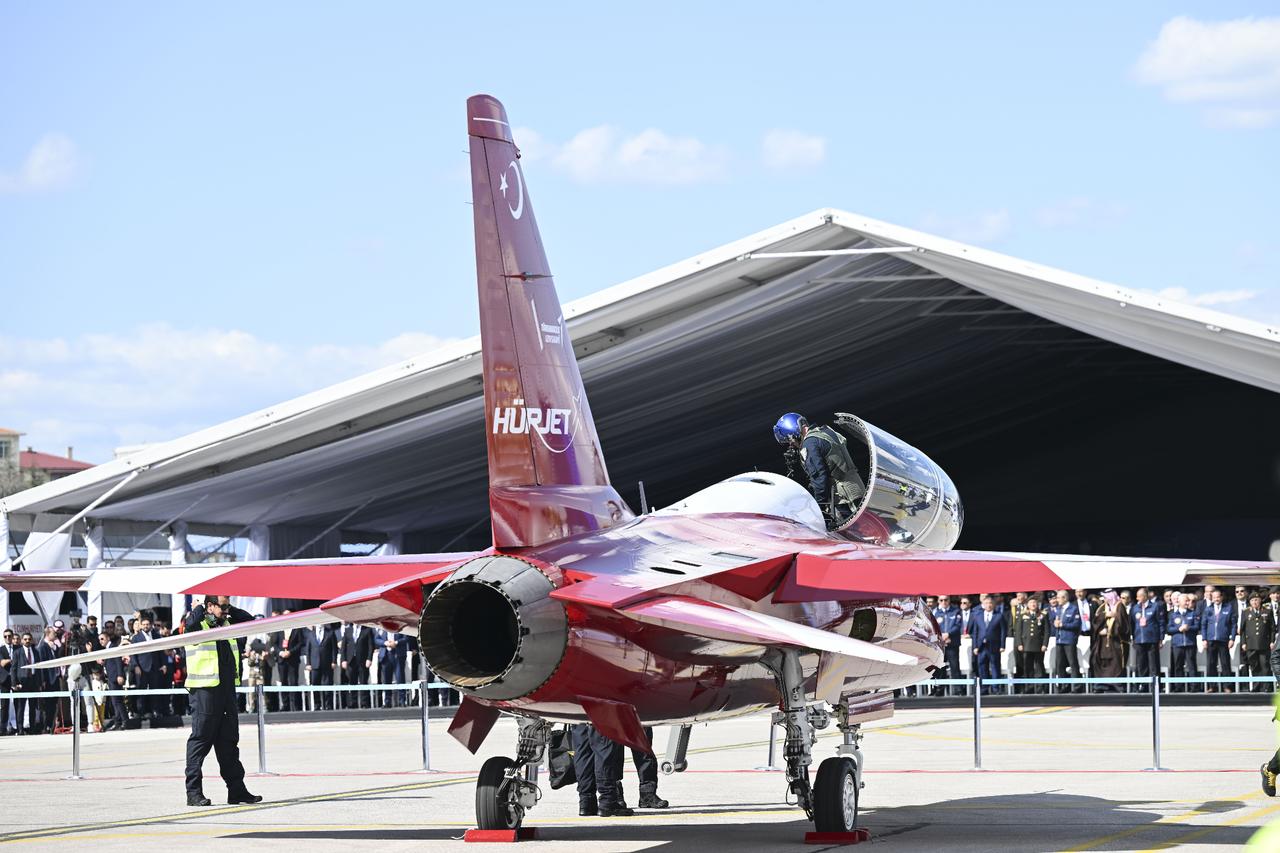

The contract encompasses far more than aircraft delivery alone. Spain will receive an integrated advanced pilot training architecture, ground-based simulation and training systems, maintenance and sustainment infrastructure, and long-term operational support.
The comprehensive nature of the package underscores a shift in Türkiye's defense exports from individual platforms to complete capability transfers.
"This is a high-value-added, multi-dimensional defense export rather than a conventional platform sale," Gorgun stated in his announcement, emphasizing the program's scope.
The Hurjet selection comes after the aircraft participated in Spain's tender to replace its aging Northrop F-5 fighter fleet. In July 2024, the first Hurjet prototype flew from Ankara to Torrejon Air Base near Madrid for evaluation, making stops in Tekirdag, Belgrade, Brescia, and Mont-de-Marsan during the journey.
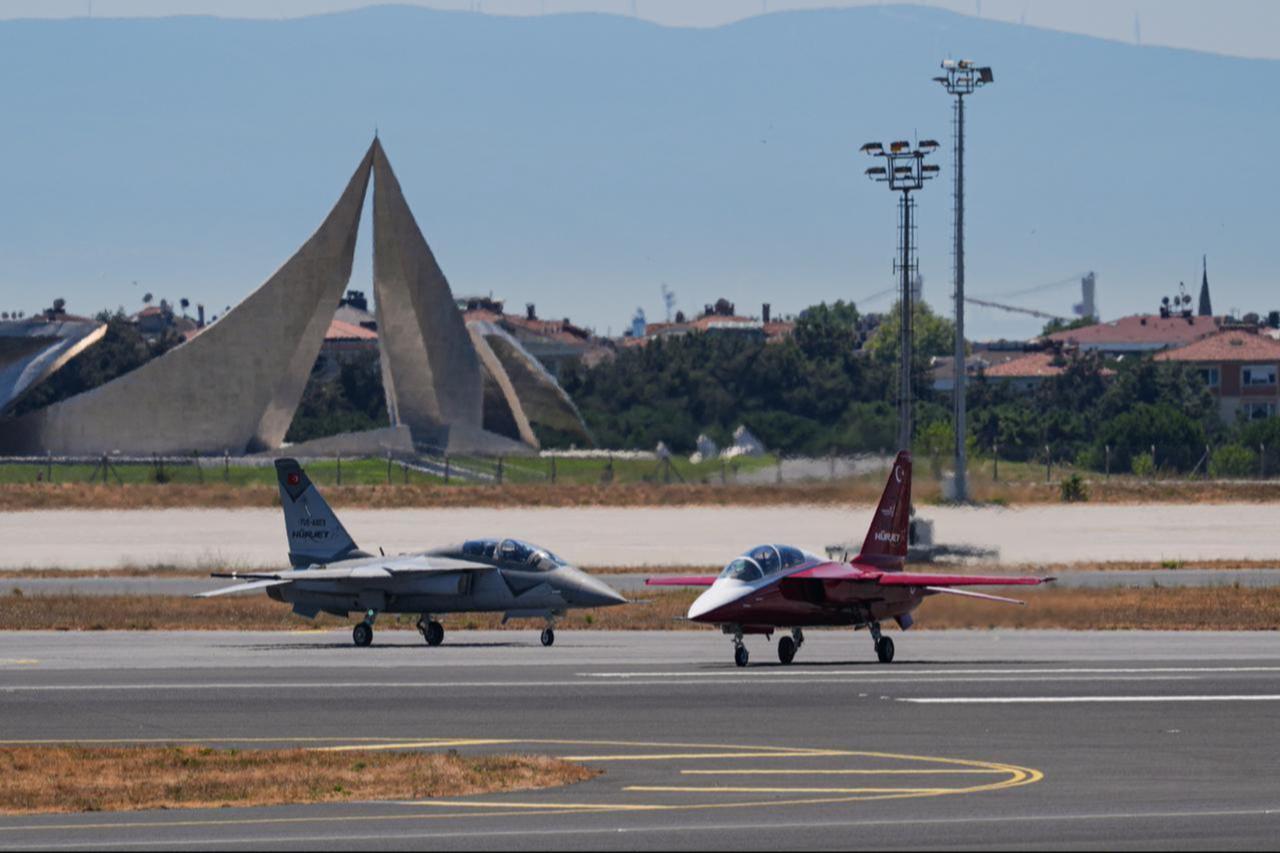
The Spanish Air Force Commander General Francisco Braco Carbo conducted a formation flight aboard a Hurjet prototype in February 2025 alongside Turkish Air Force Commander General Ziya Cemal Kadioglu.
 1 min read
Should the €2.6 billion contract value be reflected in 2025 export statistics, Türkiye would surpass the $10 billion annual defense export threshold for the first time.
The country's defense industry has experienced rapid growth in recent years, driven by investments in domestic production capabilities and an expanding portfolio of exportable systems.
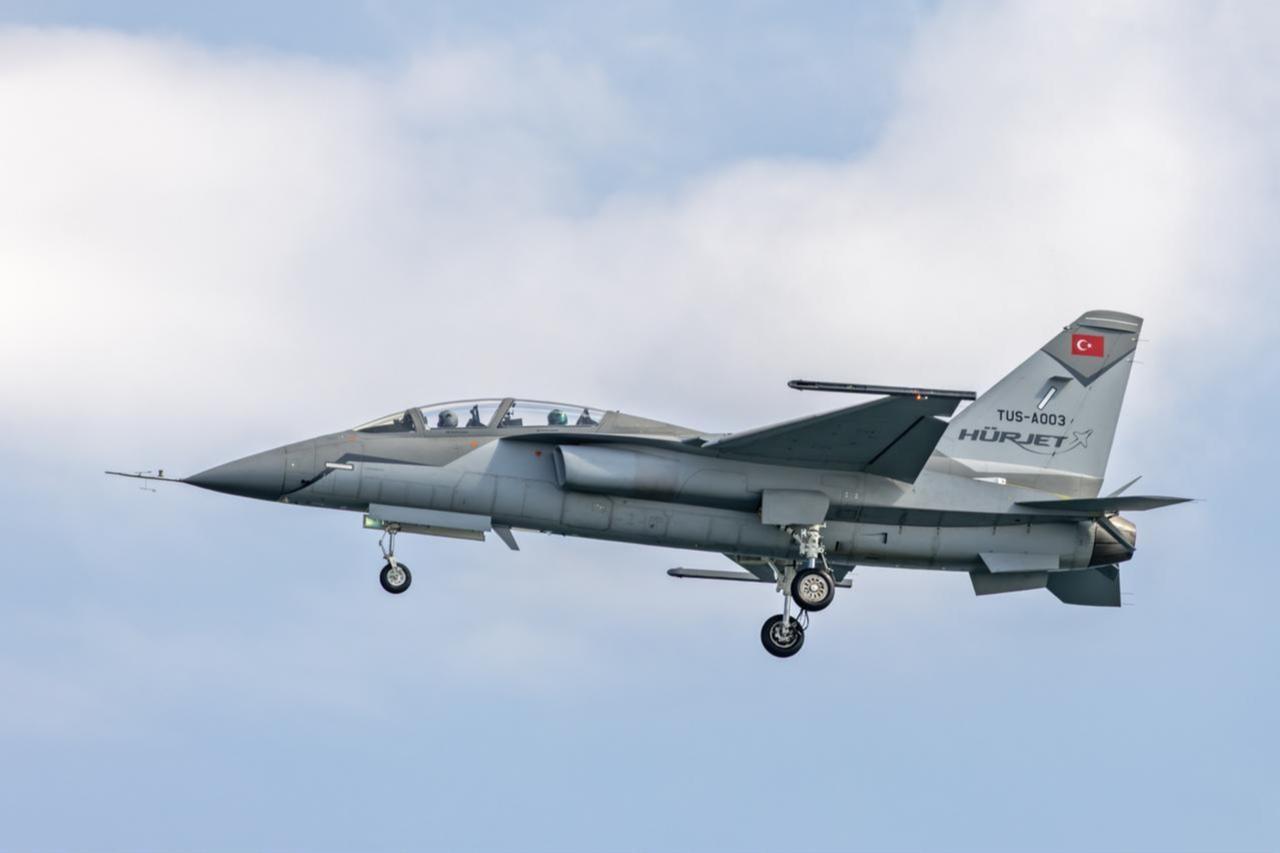
The Hurjet is a single-engine, tandem-seat supersonic advanced jet trainer and light combat aircraft developed by Turkish Aerospace Industries (TAI).
The aircraft made its maiden flight on April 25, 2023, piloted by chief test pilot Ercan Celik from TAI's facility in Ankara. Development began in July 2017 as a privately funded TAI venture before receiving official Turkish Air Force backing in July 2018.
The aircraft is powered by a General Electric F404-GE-104 afterburning turbofan engine capable of Mach 1.4, with a service ceiling of 45,000 feet. Its name combines the Turkish words "hur" (free) and "jet," while also honoring Turkish fighter pilot and aviation engineer Vecihi Hurkus.
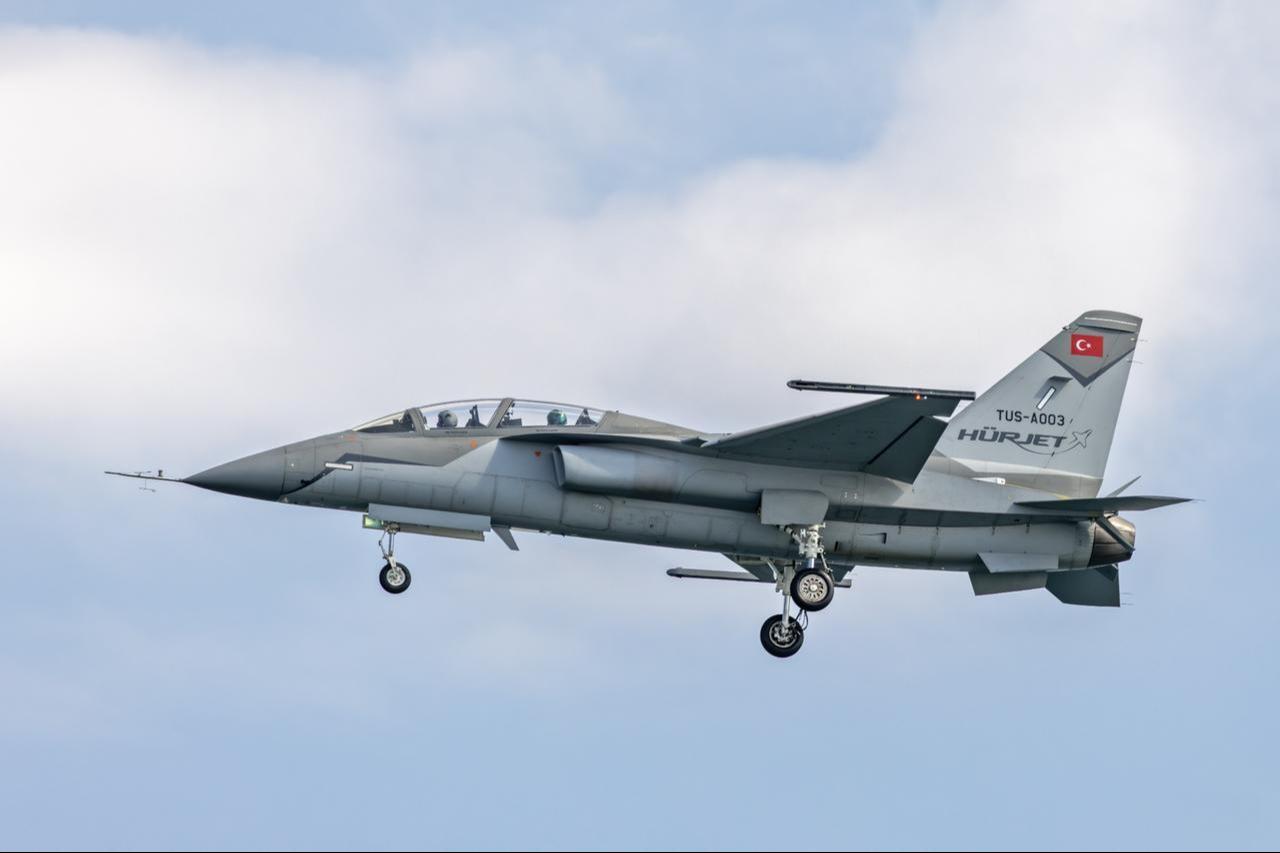
By November 2024, the second Hurjet prototype had completed its first flight, and the aircraft had accumulated 118 hours of flight time across over 100 test flights. The program has demonstrated formation flying with both the Turkish Stars aerobatic team and an ANKA-3 stealth unmanned combat aerial vehicle. In July 2024, the prototype reached Mach 0.9 at 30,000 feet during transonic testing.
TAI, GE Aerospace, and Turkish Engine Industries (TEI) signed a memorandum of understanding in July 2024 covering F404 engine integration, assembly, inspection, and testing in Türkiye.
TEI will provide maintenance, repair, and overhaul services for Hurjet engines and plans to establish domestic production capabilities.
The Turkish Air Force has ordered 16 Hurjet aircraft for its own use, intending to replace the Northrop T-38M Talon trainer and supplement F-16 fighters in close air support roles.
The aircraft is also expected to replace the F-5 fighters currently flown by the Turkish Stars aerobatic demonstration team.
The program positions Türkiye to compete in additional international tenders.
A modified Hurjet variant developed in cooperation with Sierra Nevada Corporation is expected to participate in the U.S. Navy's program to replace 145 T-45 Goshawk trainers, with that competition now postponed to the second quarter of 2028.
The aircraft previously competed unsuccessfully in Malaysia's light combat aircraft tender, which was won by the Korean Aerospace Industries T-50 in 2023.


 Set as preferred source
 Set as preferred source


 1 min read