Newsletters


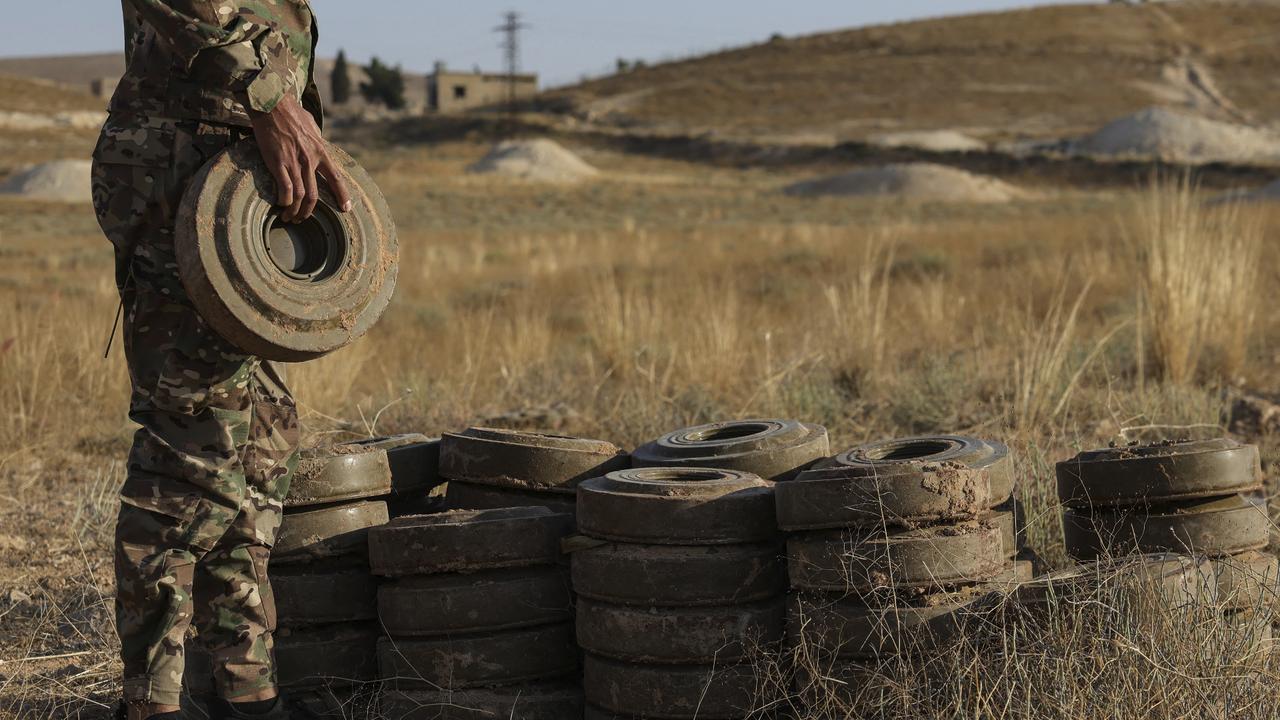
Syria faces a growing problem with unexploded ordnance after Bashar Assad's fall from power.
International organizations and NGOs led by the United Nations Mine Action Service (UNMAS) say incidents involving unexploded ordnance have killed or injured at least 2,375 people, including more than 850 children.
Actual figures are believed to run far higher.
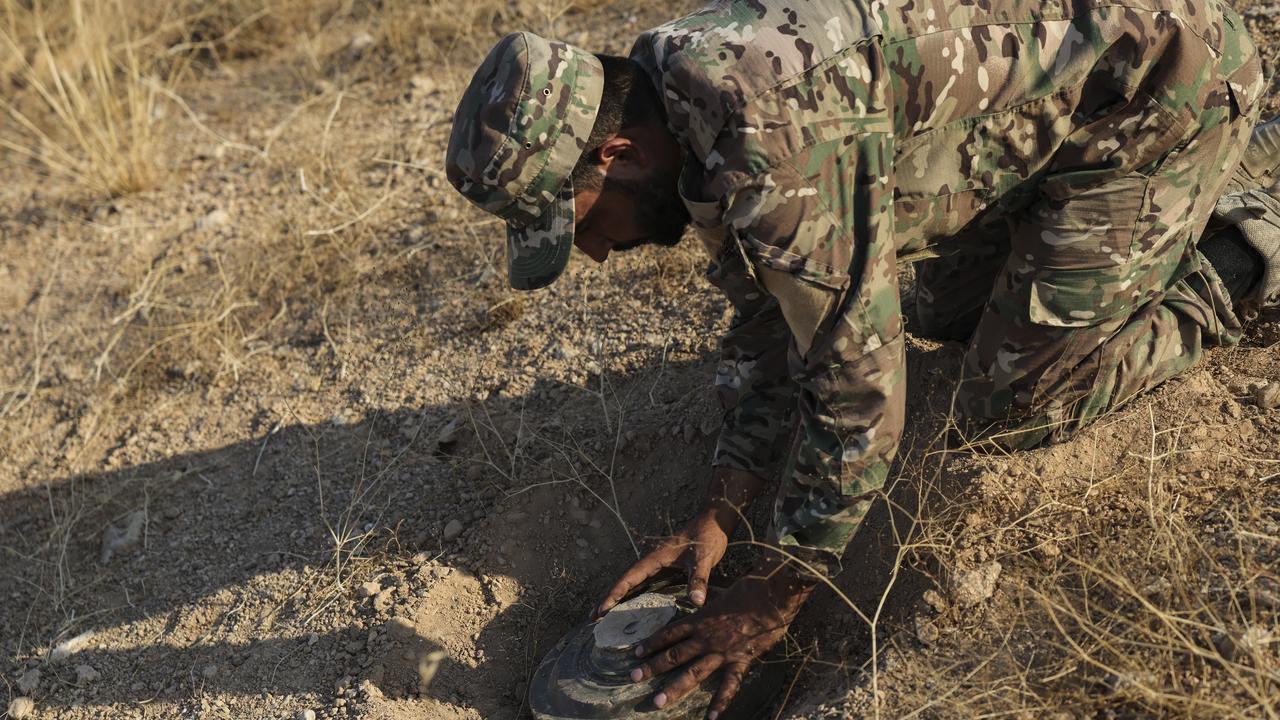
Over 13 years of war, rival sides planted mines and explosive devices in various parts of the country, posing a dangerous challenge as Syria works to recover and rebuild.
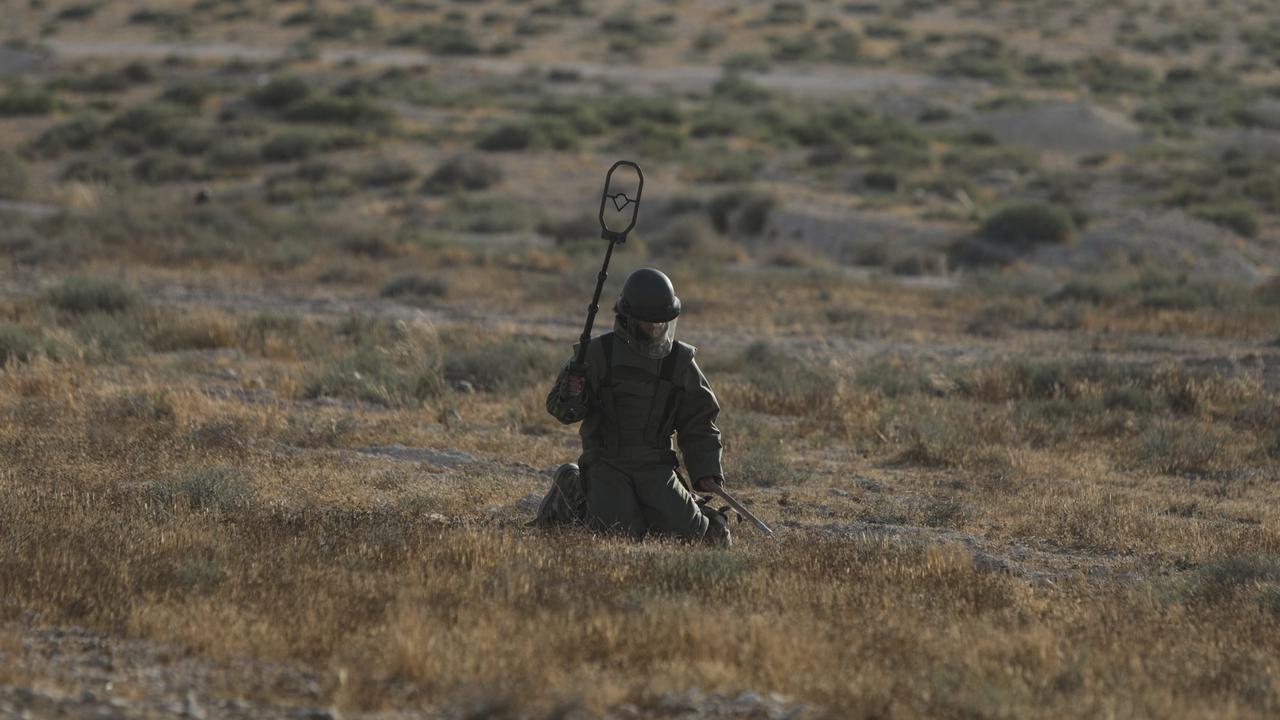
The Landmine and Cluster Munition Monitor said in a preliminary report released in June that Syria recorded the highest number of casualties worldwide last year from landmines and explosive war remnants, with around 1,600 victims.
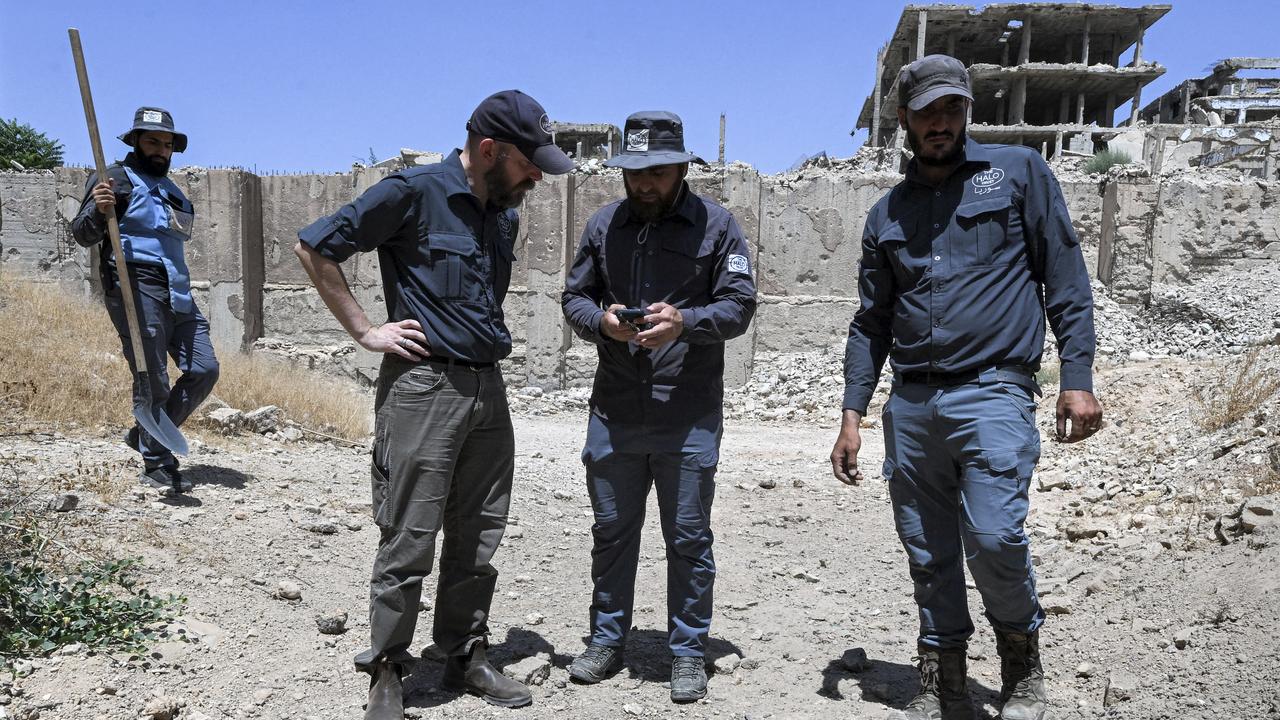
Simon Jackson, Syria's program manager for mine-clearance charity the Hazardous Area Life-support Organisation (HALO Trust), told Agence France-Presse (AFP) that "the average rate of accident is one person becoming a casualty every six hours" in Syria.
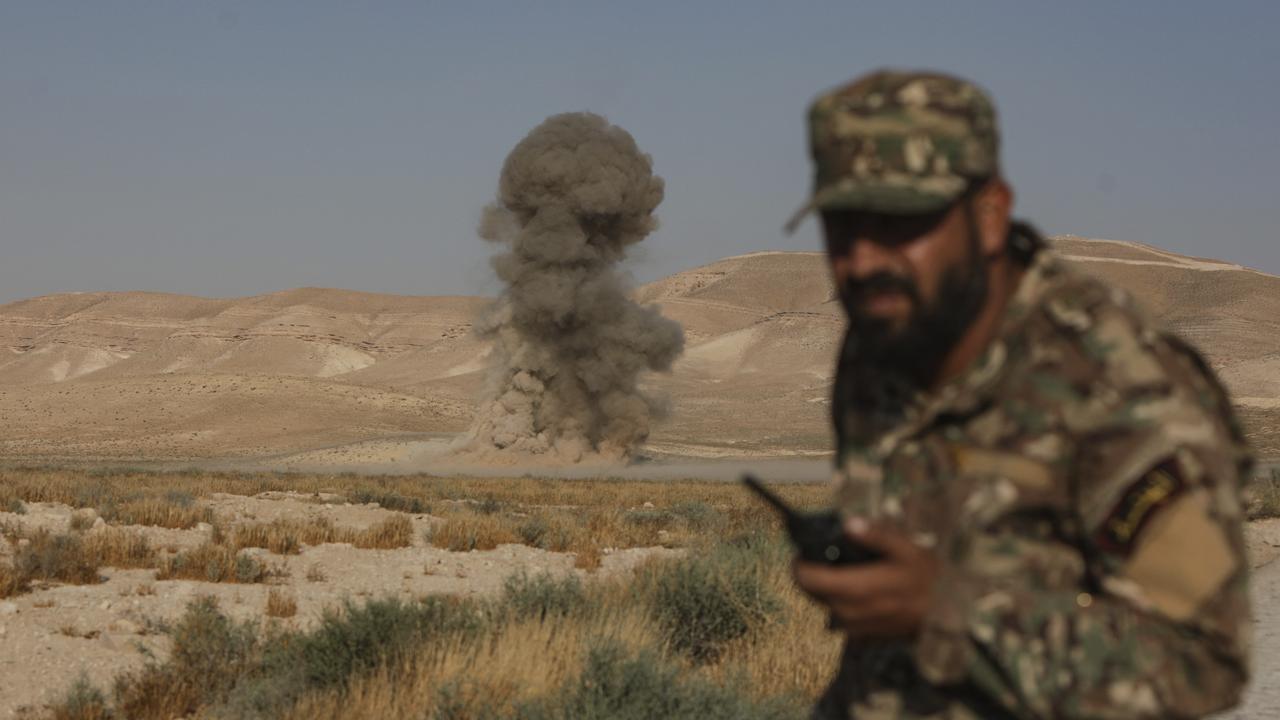
Syria has recorded almost 700 casualties from explosive accidents this year, one-third of them deadly, he said, while children accounted for a similar share of the total.
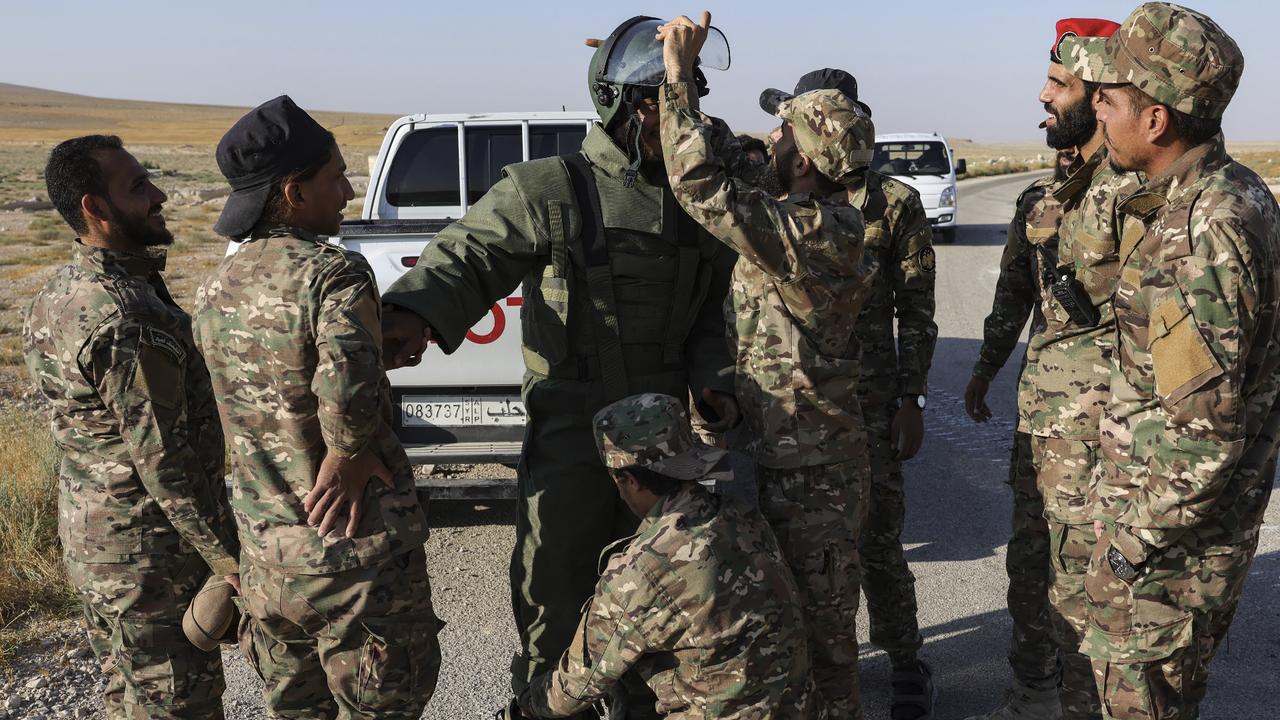
Over 60% of incidents have occurred in agricultural land or grazing areas, he added, noting that early 2025 saw "a large spike in accidents as people rushed back to their communities" after Assad fell from power.
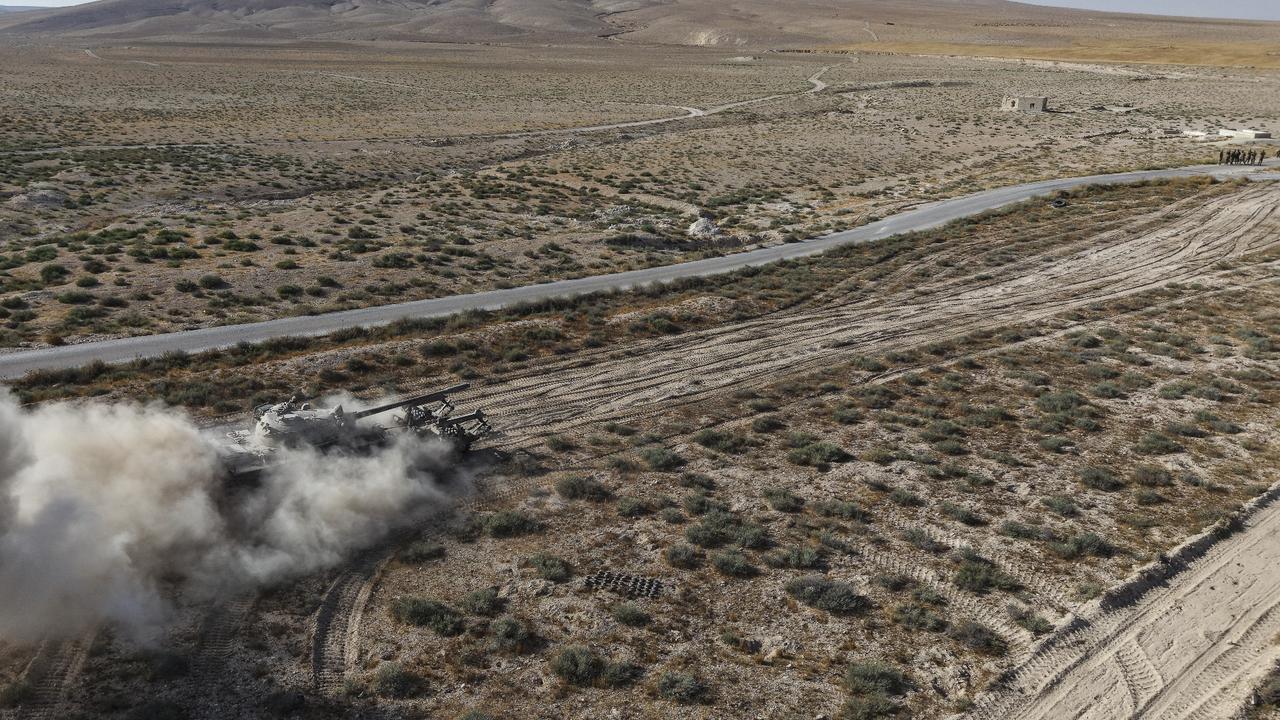
"If we doubled the rate at which we are working as a sector, it would still take at least 10 years," Jackson continued.
"We're really looking at sort of 20 to 30 years in total to solve this problem."
 3 min read


 Set as preferred source