Newsletters


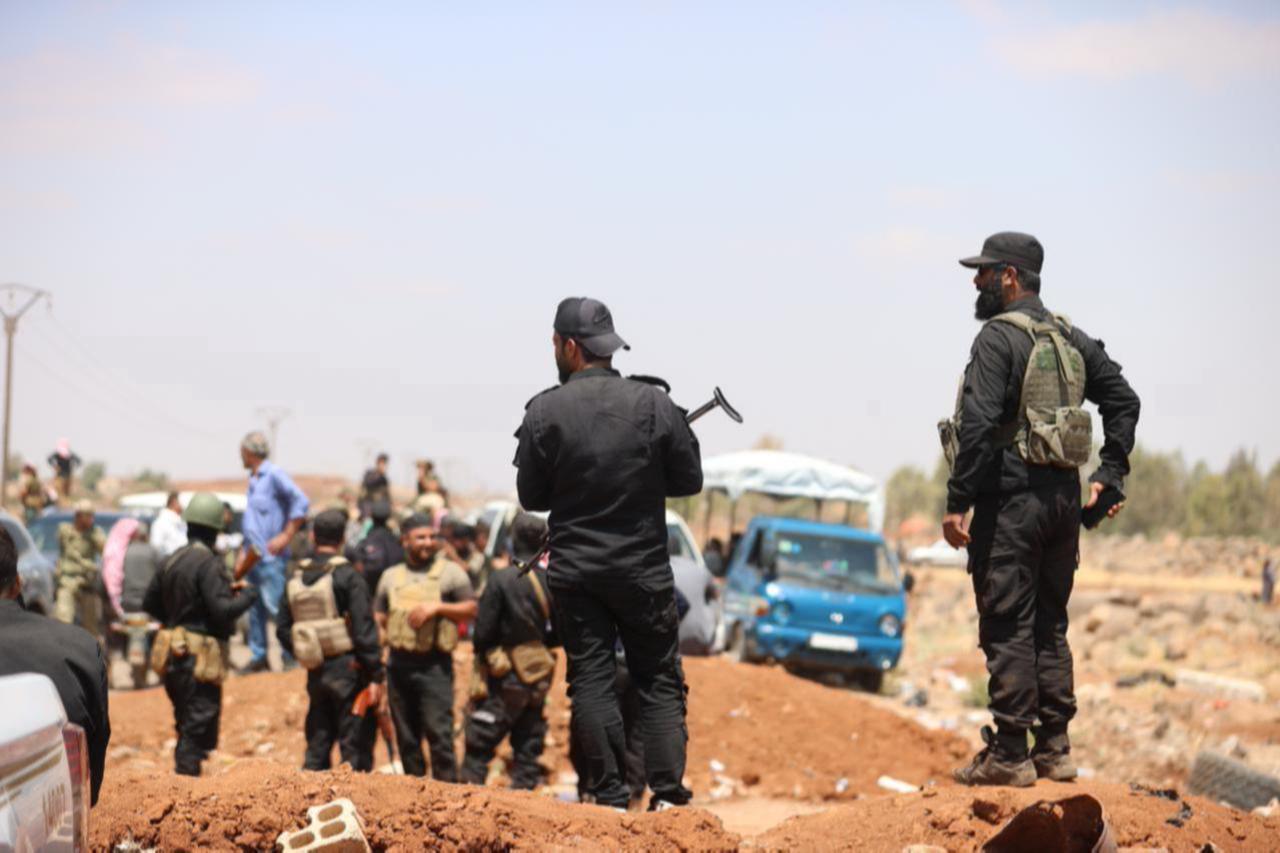


Syria on Thursday rejected what it called Israel's attempts to exploit the Druze community in the southern province of Sweida for “propaganda and electoral purposes,” accusing Tel Aviv of arming an “outlawed militia” and fueling unrest in the region.
The statement, carried by the Syrian Arab News Agency (SANA), came after Israeli Prime Minister Benjamin Netanyahu said he had spoken directly with Syrian President Ahmad al-Sharaa during deadly clashes in Sweida in July 2025.
“The Druze community in Sweida province has been and will remain an integral and inseparable part of the national fabric of the Syrian Arab Republic,” a Syrian government source said.
The source accused Israel of supplying weapons to an “outlawed militia” to create instability in Sweida and potentially draw Syria into a wider war.
Damascus “categorically rejects politicizing the Druze community or dragging it into Israeli propaganda and elections,” the source added.
The Syrian government called on the international community, the United Nations and regional countries to pressure Israel to comply with the 1974 Disengagement Agreement and end what it described as interference in Syria's internal affairs.
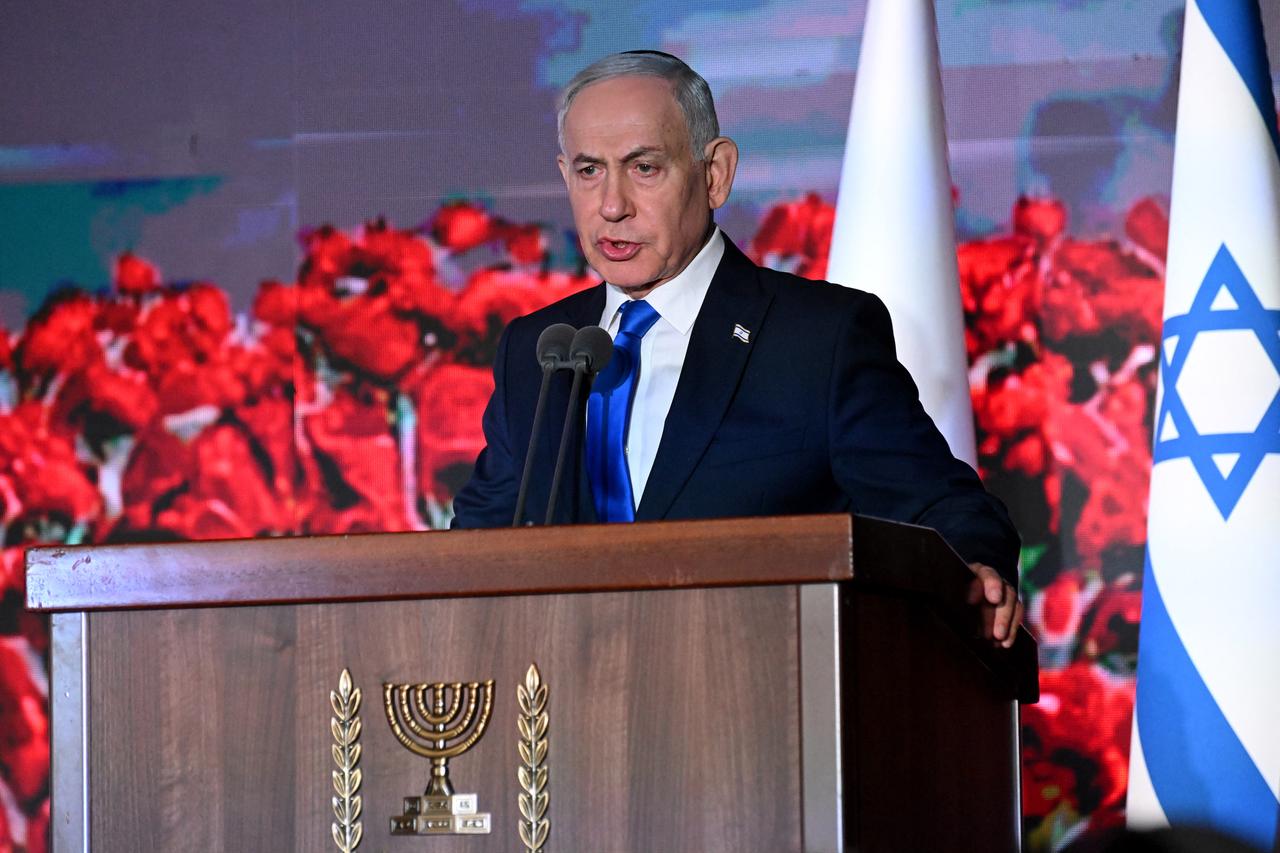

Speaking Thursday during a meeting with members of Israel's Druze community in the northern town of Yarka, Netanyahu said he had personally contacted Sharaa over the violence in Sweida.
“I called al-Sharaa. It was a very short, very sharp conversation, and the slaughter stopped,” Netanyahu said, according to footage broadcast by Israeli public broadcaster KAN.
His remarks marked his first public acknowledgment of direct contact with the Syrian president.
Netanyahu did not specify exactly when the conversation occurred but suggested it took place during the July 2025 clashes involving Druze armed groups, Bedouin fighters and Syrian government security forces.
He also referred to Israeli military strikes against Syrian government positions in Damascus, suggesting that Israel's intervention contributed to ending the violence.
The Syrian government source did not confirm or deny whether the reported phone call took place.
The Sweida crisis began in July 2025 when fighting broke out between armed Druze factions and Bedouin groups in southern Syria.
The violence escalated after government security forces and allied tribal fighters intervened, with some forces accused of abuses against civilians.
More than 2,000 people were killed, including 789 Druze civilians, according to the Syrian Observatory for Human Rights.
A committee established by the Syrian government separately documented 1,760 deaths.
Israeli forces carried out strikes in Sweida and against government targets in Damascus, saying the operations were intended to protect Syria's Druze minority.
Government-aligned forces subsequently withdrew from Sweida city, leaving a fragile ceasefire in place.
In July 2026, Syrian authorities said they had begun prosecuting suspects over the violence.
On Sept. 16, 2025, Syria, Jordan and the United States agreed on a joint roadmap to resolve the Sweida crisis and stabilize southern Syria during talks in Damascus.
Since the ouster of longtime Syrian ruler Bashar Assad in December 2024, Israel has carried out hundreds of strikes in Syria and deployed troops into a U.N.-patrolled buffer zone established under the 1974 Disengagement Agreement.
The agreement, signed May 31, 1974, created the United Nations Disengagement Observer Force (UNDOF) to monitor the ceasefire and separation of Israeli and Syrian forces in the Golan Heights.
Israel has also conducted repeated incursions deeper into Syrian territory and said it intends to maintain forces in a so-called security zone in southern Syria, while seeking a broader demilitarized area.
Syria's new leadership has condemned Israeli military operations but has largely refrained from responding militarily.
Despite continuing tensions, Syria and Israel have held several rounds of direct talks aimed at reaching a security agreement.


 Set as preferred source
 Set as preferred source


 1 min read

 1 min read