Newsletters


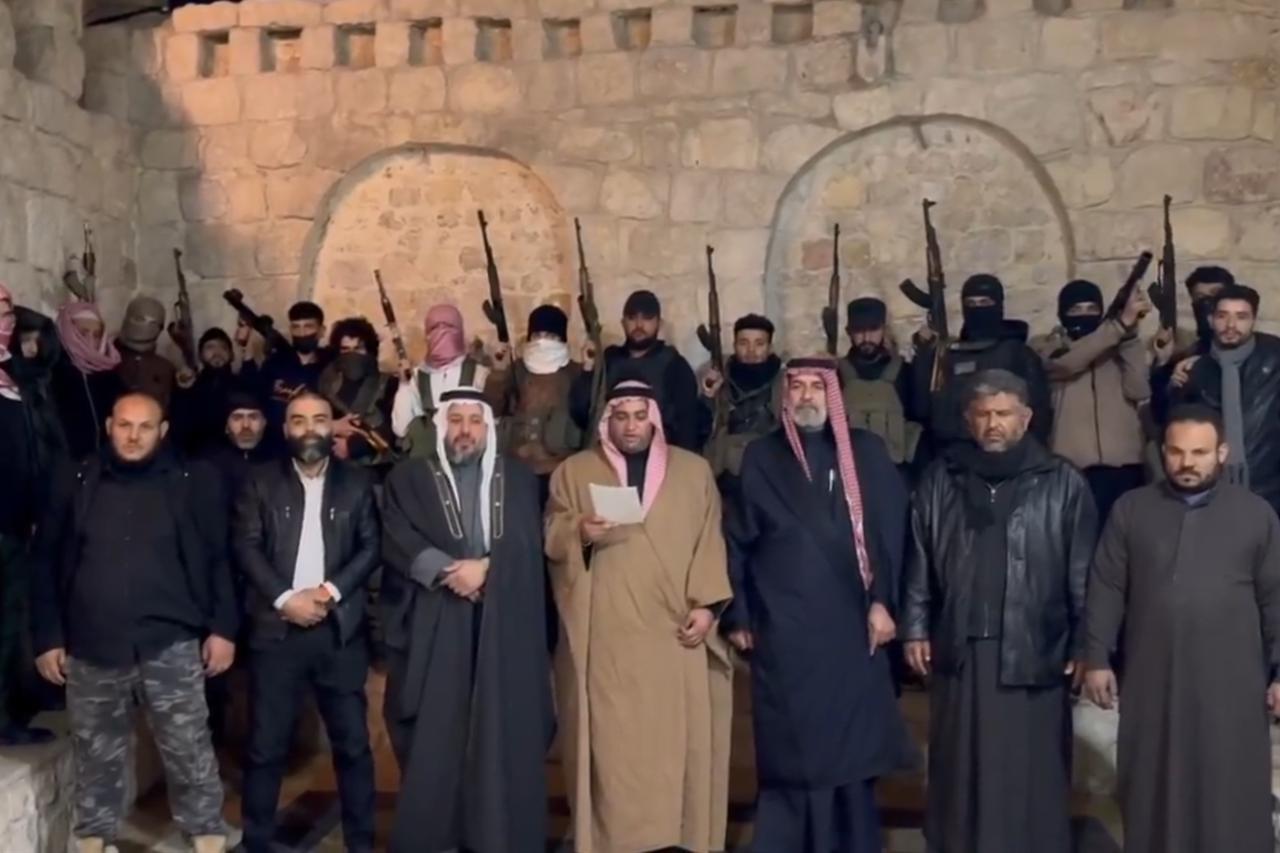


Major Arab tribal federations in Syria called on Monday for a general uprising against the SDF, escalating tensions in the country's northeast as Damascus consolidates control following the recent government transition.
The al-Baggara tribal federation, one of Syria's largest tribal groups with an estimated two million members nationwide, declared a nationwide mobilization Monday aimed at pushing back SDF militias from Arab-majority territories. The announcement marks a significant escalation in long-simmering tensions between Arab tribes and the SDF, whose leadership structure includes the YPG, designated by Ankara as the Syrian branch of the PKK.
Tribal leaders accuse the SDF of occupying Arab lands and pursuing separatist policies that threaten Syria's territorial integrity. The mobilization call comes as diplomatic efforts led by the United States, Türkiye, and Syria attempt to navigate the SDF's future relationship with Damascus.

Sheikh Faisal Salim Ziyanat, a prominent figure in the 250,000-member Mashahade tribe spanning Raqqa, Hasakah, and Deir ez-Zor, described the SDF as "an armed group built on separatist goals" that uses the region for a foreign project harming Syria's unity. He emphasized that Kurds are not the majority in northeastern Syria, challenging the SDF's claim to represent the region's population.
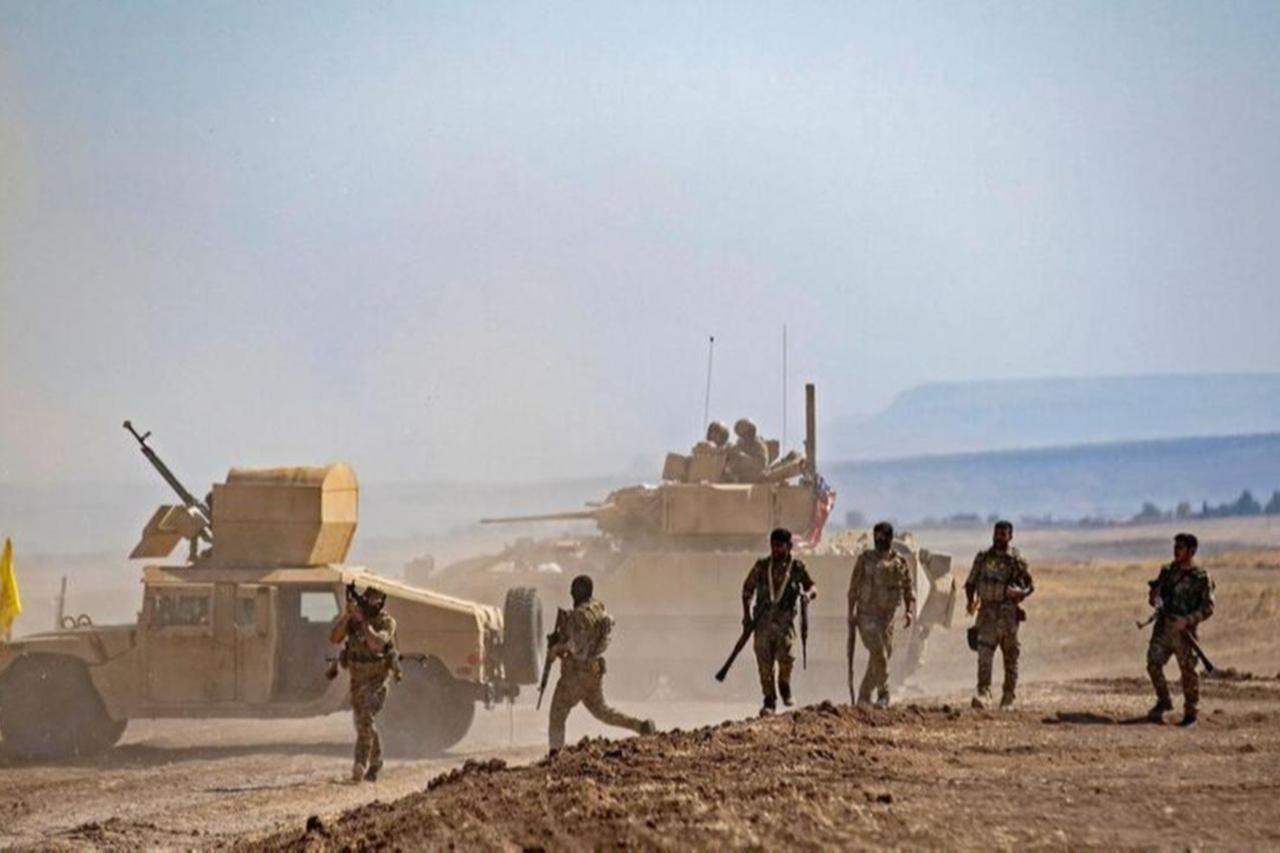
Most territories under SDF control are Arab regions rather than Kurdish areas, forming the basis of tribal grievances. Arab tribes have engaged in continuous conflict with the SDF since Aug. 2023, with fighting periodically intensifying as SDF move between northern and southern positions.
Majid al-Bashir, representing the Baggara tribe in Aleppo and Hasakah, stated his opposition to "anyone who wants to divide Syria," noting that SDF "are a minority in Hasakah" who commit killings, imprison opposition members, and control Syria's oil, gas, and wheat resources. Al-Bashir expects the SDF to "either surrender or fight."
Tribal leaders disputed SDF claims of Arab tribal support, characterizing cooperation as driven by personal interest rather than genuine backing. Saud Faisal al-Najras of the Uqaydat tribe, which has approximately 1.5 million members across multiple countries, accused the SDF of following ethnic and nationalist policies that attempt to change the region's demographic structure through "systematic killings" and pressure on conservative tribal society.
Al-Bashir explained that tribes like Tayy, Shammar, Naim, and Jabbur—often cited as SDF supporters—are actually sub-groups of the larger Uqaydat tribe that opposes the SDF. He described their alignment as "a forced alliance" based on opposition to ISIS and Coalition support for the SDF, rather than genuine ideological backing.
The Baggara tribe, descended from Imam Muhammad al-Baqir and spread across Syria, Jordan, Iraq, and Lebanon, maintains significant presence not only east of the Euphrates but also in Idlib, Aleppo, and Hama. In Deir al-Zour province alone, approximately 100,000 Baggara members inhabit villages spanning 80 kilometers along the Euphrates.
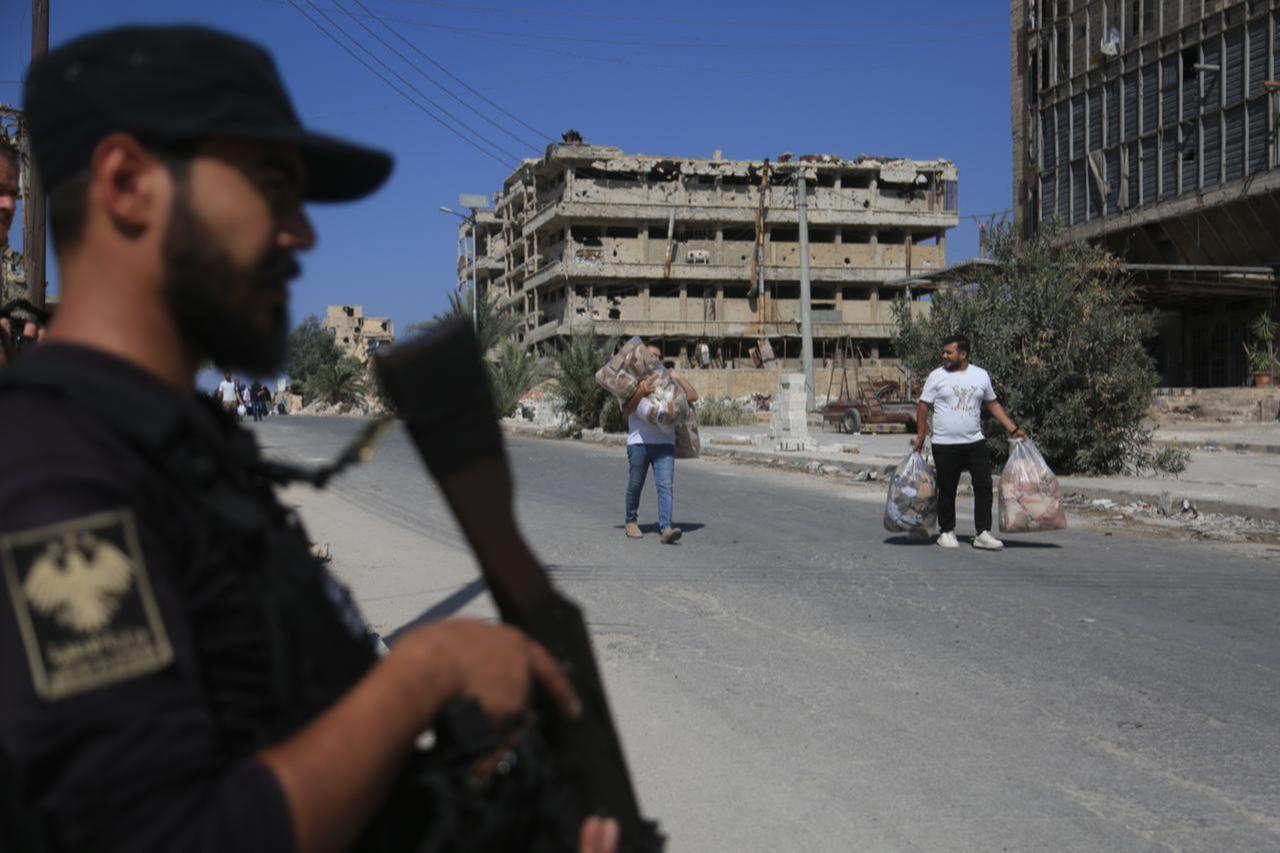
The tribal mobilization announcement coincides with renewed violence in Aleppo, where the SDF bombarded areas surrounding al-Razi Hospital with artillery and mortar shells Monday. Syrian officials reported the attack wounded several people, including a woman and child, and forced dozens of families to flee their homes.
Syria's Defense Ministry said the SDF launched a sudden assault on deployment points around the Ashrafieh neighborhood, injuring security personnel, while denying SDF claims that Syrian forces initiated the attack. The ministry stated the army was responding to SDF fire targeting civilian homes and military positions.
Meanwhile, armed clashes erupted in Suwayda province between security forces and Druze militia groups led by Hikmet al-Hajri, whom Syria accuses of receiving Israeli backing. The groups attacked Syrian army positions in western rural areas and civilian settlements, though casualty figures were not immediately available.
The Suwayda violence follows July clashes between Bedouin Arab tribes and Druze armed groups that killed dozens of soldiers. A roadmap agreed upon by Syrian, Jordanian, and U.S. officials in September called for accountability for civilian harm, uninterrupted humanitarian aid delivery, compensation for damages, and facilitation of displaced residents' return.


 Set as preferred source
 Set as preferred source


 2 min read

 1 min read