Newsletters


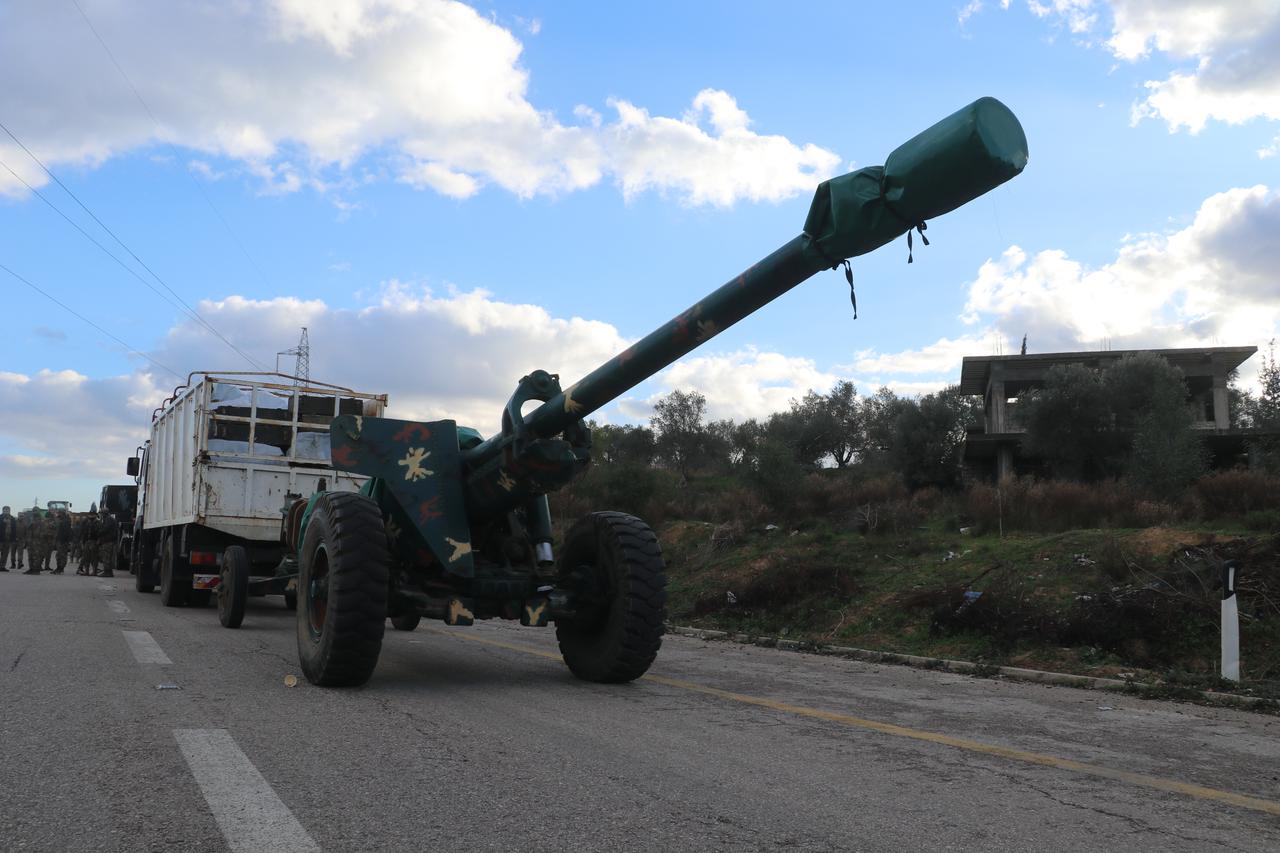


The Syrian army initiated military operations Friday targeting the YPG/SDF terrorist organization in Deir Hafer, a town east of Aleppo, according to Syria's state news agency SANA. The operation also aims at remnants of the former Bashar al-Assad regime operating in the area.
Syrian military officials released maps identifying four specific locations in Deir Hafer where YPG/SDF terrorists and former regime members have established positions. The army warned civilians to stay away from these marked sites ahead of the strikes, describing them as launch points for attacks against Aleppo city and surrounding civilian areas using kamikaze drones and other weapons.
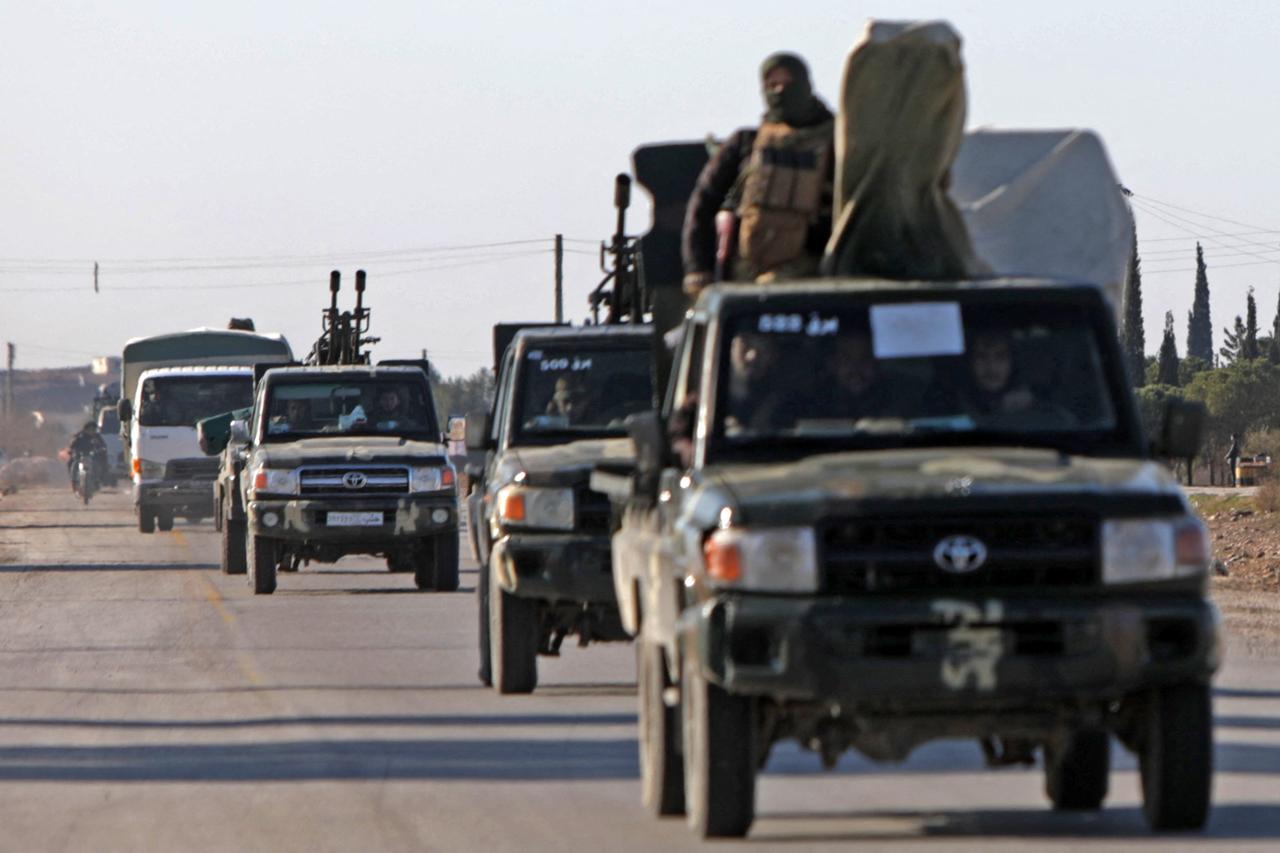
Military reinforcements arrived via the international M4 highway to the Deir Hafer area on Jan. 14, positioning forces for the operation. The Syrian army had declared the region west of the Euphrates River, including Deir Hafer and Meskene, a military zone on Jan. 13.
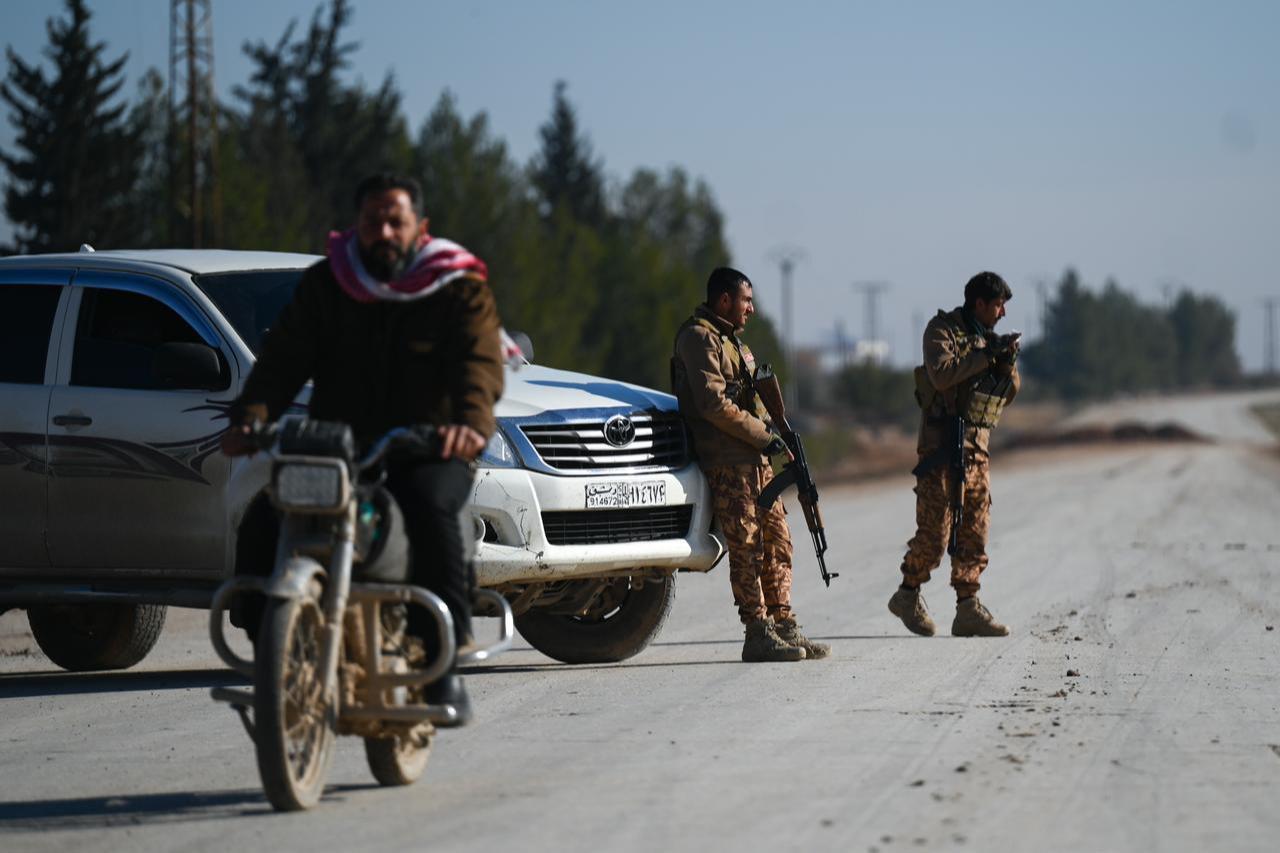

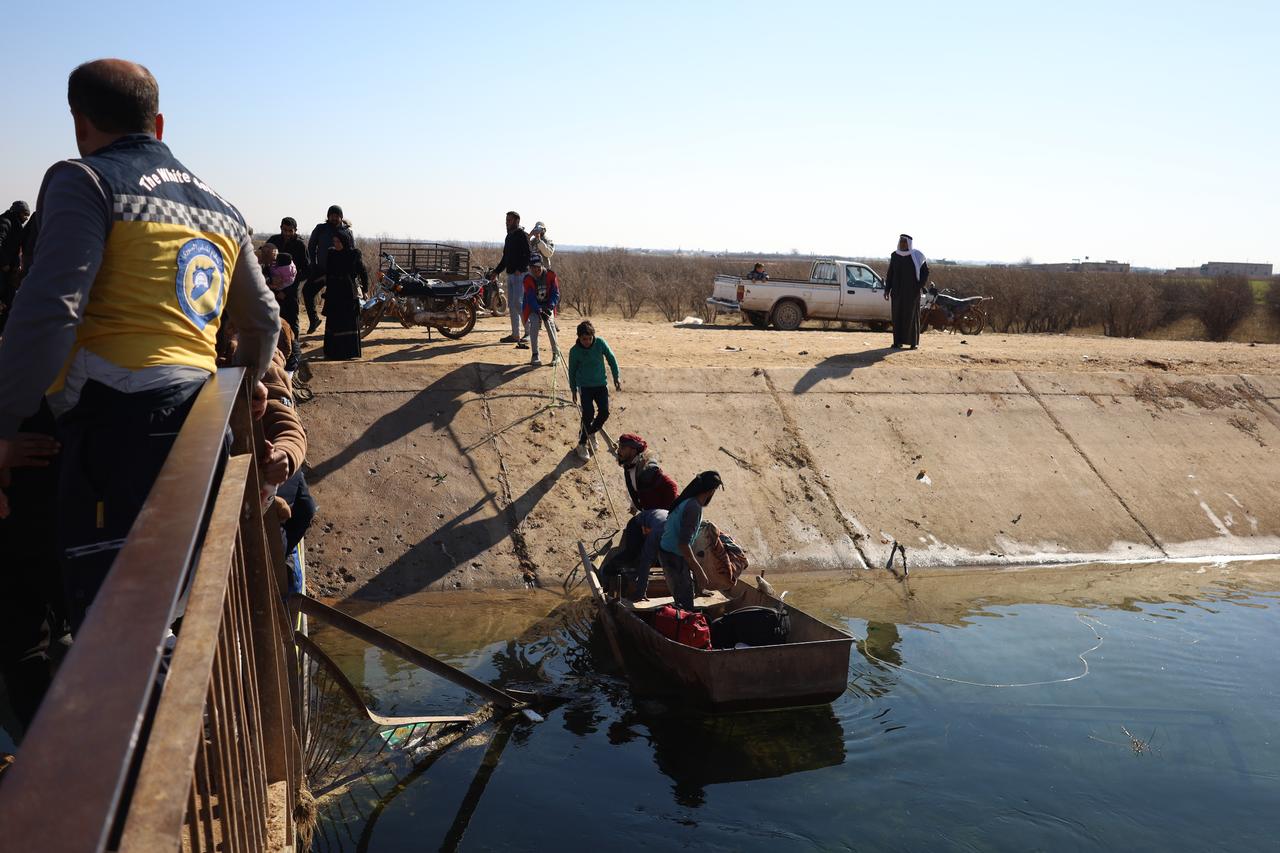
Syrian forces opened a humanitarian corridor along the M15 highway Thursday and Friday to allow temporary and safe evacuation of civilians from Deir Hafer. The warnings and evacuation measures had suggested strikes' imminent nature.
The YPG/SDF, linked to the PKK terrorist organization, has maintained control over portions of territory west of the Euphrates River. Syrian military statements accused these terrorists of using Deir Hafer "as a launching point for their terrorist operations towards the city of Aleppo and its eastern countryside."
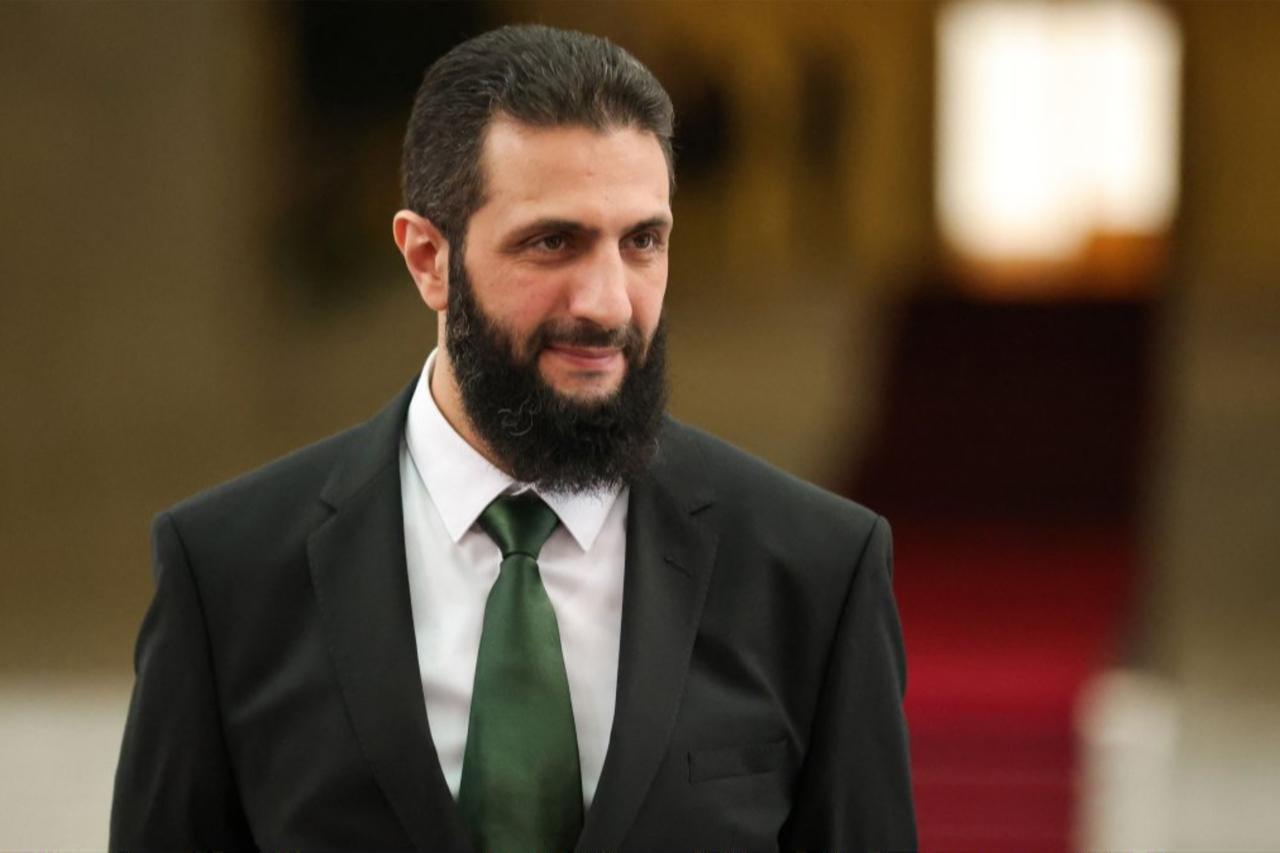
The military operation comes hours after Syria's president issued a landmark decree Friday guaranteeing cultural, linguistic and citizenship rights to the country's Kurdish population. Decree No. 13 declares Syrian Kurds "an integral and original part of the Syrian people" and nullifies exceptional measures from a 1962 census that stripped citizenship from an estimated 120,000 Kurds.
The decree recognizes Kurdish as a national language, permits its instruction in schools, establishes Newruz as a paid national holiday on March 21, and prohibits ethnic or linguistic discrimination. The president addressed Kurds directly, stating: "Do not believe the narratives of discord. Whoever harms you is our adversary."
The timing of the decree, issued the same day as military operations targeting YPG/SDF positions, appears designed to distinguish between Kurdish civilians and armed groups operating in northern Syria.
 1 min read
Syrian state television al-Ikhbariyya reported that Fahman Husein, a senior PKK figure operating under the code name "Bahoz Erdal," arrived in the city of Tabka, located in YPG/SDF-controlled territory west of the Euphrates. The report, citing Syrian army sources, stated that Husein is directing YPG/SDF terrorists in attacks against Syrian civilians and military forces.
The broadcast also announced that Mihrac Ural joined the organization in Tabka. Ural, who was a high military figure under the former Assad regime, is wanted in connection with a 2013 bombing in Reyhanli, Türkiye that killed 52 people. He is also linked to a massacre in May 2013 in the Sunni villages of Banyas and Beyda near Tartus, where at least 150 people, mostly women and children, were killed.
Deir Hafer sits along a strategic route connecting Aleppo to territories in eastern Syria. Control of the town and surrounding areas has shifted multiple times during Syria's conflict, which began in 2011 as an uprising and evolved into a complex multi-sided war involving terrorist groups, opposition forces, government troops, and various foreign powers.
The current military operation follows recent changes in control of Aleppo city itself, where YPG/SDF terrorists were expelled last week. The deployment of additional troops and the opening of civilian evacuation routes indicate Syrian forces are preparing for significant military action in the coming days.


 Set as preferred source
 Set as preferred source


 1 min read